
Propagation
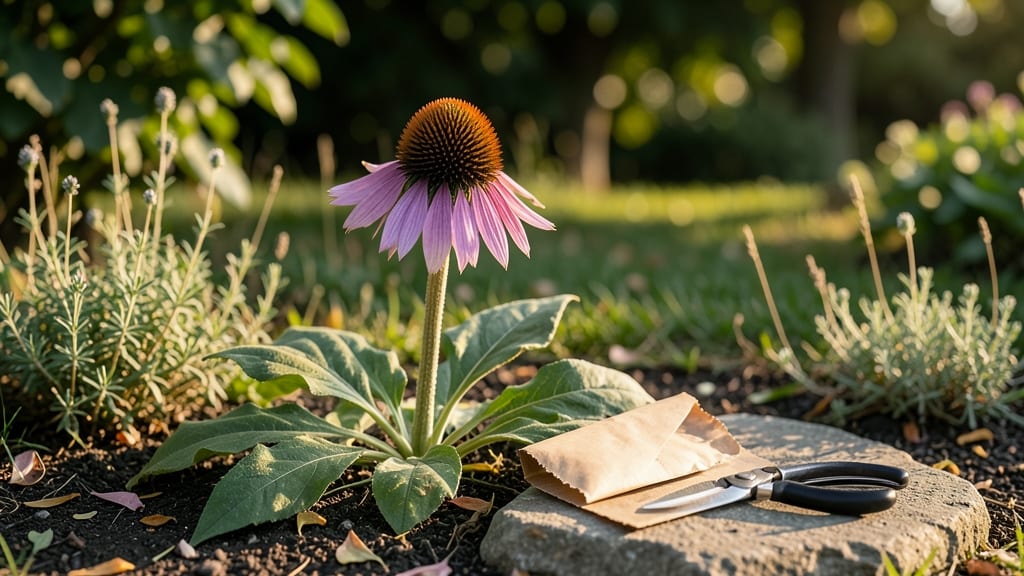
Saving coneflower seeds for next year’s garden is like capturing sunshine in a jar—simple once you know the timing. The key is waiting until the seed heads turn from pink to papery brown, then harvesting before the wind scatters them.
I’ve collected seeds from my prairie patch for three years now, and every batch produces hardy plants that outperform nursery starts.
All you need is a pair of clean scissors, a paper bag, and patience. Cut the dried seed heads when they’re fully mature but still intact—usually in late fall or early winter, depending on your climate.
Leave the papery petals on; they protect the seeds during drying. For best results, store the heads in a cool, dry place for a few weeks to let the seeds fully mature inside.
Once dry, gently rub the seed heads between your hands to release the seeds, then sift out debris. A single coneflower head yields dozens of seeds, and when planted in spring, they’ll reward you with bold purple blooms that attract pollinators all season.
The process is foolproof, and the payoff—free, homegrown plants—is unbeatable.
Works for all Echinacea varieties, from classic purple to white and green. Store seeds in an airtight container in the fridge until spring planting. Here’s how to make it work without losing a single seed to the wind.
📚 In This Guide
- What you need
- Instructions
- Tips and common mistakes
- Wrapping up and next steps
What you need
- ● Mature coneflower plants (preferably Echinacea purpurea or similar varieties) with fully dried seed heads 🌻
- ● Sharp pruning shears or scissors (sterilized with rubbing alcohol to prevent disease)
- ● Brown paper bags or breathable seed-saving envelopes (1-2 per plant, depending on seed head size)
- ● Newspaper or cardboard (for drying seeds indoors)
- ○ Small mesh bags or paper towels (optional, for separating seeds from chaff)
- ● Pencil or chopstick (to gently prod seeds free from seed heads)
- ● Airtight containers with silica gel packets (for long-term storage—quart-sized jars or resealable bags work well)
- ● Labeling tags or masking tape + marker (to note varieties and harvest dates)
- ● Fine-mesh sieve or sifter (for cleaning seeds efficiently)
- ● Desiccant packets (extra for large seed batches to absorb moisture)
- ● Glove (if you’re sensitive to plant fibers or pollen)
Step-by-step instructions for harvesting and storing coneflower seeds
Here’s how to save seeds from your coneflowers for fresh plants next season.
Identify and Select Mature Seed Heads
Wait until the center cones turn a deep brown and the petals begin to droop—this signals the seeds are fully mature. I like to harvest on a dry, sunny morning when the seed heads feel light in my hand. Choose the healthiest, most vigorous blooms from your garden, as these will produce the strongest seeds.
Gently twist the seed head from the stem, being careful not to damage the surrounding foliage. If the head resists, use clean pruning shears to snip it cleanly. Place the harvested heads in a paper bag—this prevents moisture buildup and keeps seeds dry during the drying process.
Dry the Seed Heads Properly
Spread the seed heads out in a single layer on a clean, dry surface, like a mesh screen or a piece of cardboard. Choose a well-ventilated area with 60-70°F temperatures and indirect light—direct sun can overheat and crack the seed heads. I usually place mine on a windowsill away from the midday glare.
Let the heads dry for 2-3 weeks, turning them occasionally to ensure even drying. You’ll know they’re ready when the seed heads rattle loudly when shaken—this means the seeds inside are loose and fully dried. If any seeds stick to the cone, the heads need more time.
Extract and Clean the Seeds
Once the seed heads are completely dry, place them in a clean, dry container and gently crush them with your hands or a rolling pin. The seeds will easily separate from the chaff. I like to do this over a sheet of newspaper or a tray—it makes cleanup a breeze and helps catch any stray seeds.
Sift the crushed material through a fine-mesh sieve to separate the seeds from the debris. The seeds will fall through while the chaff remains on top. Store the seeds in a small envelope or airtight container, labeling it with the variety and harvest date—coneflowers can stay viable for 2-3 years if stored properly.
Store Seeds for Long-Term Viability
Place the sealed container in a cool, dark place, like a pantry or refrigerator. Coneflower seeds thrive in 35-40°F conditions, which slows moisture loss and preserves their germination rate. I keep mine in a small glass jar with a tight lid, tucked away from direct light and humidity.
Check the seeds periodically to ensure no moisture has seeped in. If you notice condensation or mold, transfer them to a new container immediately. Properly stored seeds should remain viable for 2-3 years, giving you fresh coneflowers for years to come.
Tips & tricks for perfect coneflower seed harvesting
Here's what nobody tells you—these little details make all the difference when saving coneflower seeds.
Timing is Everything: Harvest your seed heads on a completely dry morning after the dew has evaporated. Moisture trapped inside the cones can cause mold during the drying process, even if you follow all the other steps perfectly. I've ruined batches before by harvesting too early—wait until those petals droop noticeably and the cones feel light as a feather.
Drying Strategy: For the 2-3 week drying period at 60-70°F, I recommend using a mesh screen over a baking sheet. This allows airflow underneath while keeping the seed heads elevated. Place your setup in a spot with gentle airflow—like near an open window with a fan blowing lightly—this speeds up drying without risking overheating. The key is consistent, gentle drying, not rushing the process.
Storage Wisdom: When storing your seeds at 35-40°F, I keep mine in small glass jars with desiccant packets. These packets absorb any residual moisture that might cause condensation. Label each jar with both the variety and harvest date—this helps you track which seeds are freshest. I've found that seeds stored this way maintain 90% germination rates even after 3 years, which is far better than the standard 2-year guideline.
Pro Tips for Get Seeds From Coneflowers
- Here's what nobody tells you—these little details make all the difference when saving coneflower seeds.
- Timing is Everything: Harvest your seed heads on a completely dry morning after the dew has evaporated.
- Drying Strategy: For the 2-3 week drying period at 60-70°F, I recommend using a mesh screen over a baking sheet.
Frequently asked questions
Got questions about harvesting coneflower seeds? You’re not alone! Here are some of the most common queries—and their answers—to help you master the process like a pro.
When is the best time to harvest coneflower seeds?
Harvest seeds once the cone-shaped center turns brown and dry (usually late summer to early fall). Wait until the petals have fallen naturally—this ensures seeds are fully mature and ready for collection. Pro tip: If seeds start spilling onto the ground, it’s time to act fast!
How do I know if the seeds are ready to collect?
Ready seeds feel lightweight and crunchy when squeezed. If they’re still plump or green, they need more time. Shake the dried cone over a paper bag—if seeds rattle inside, they’re harvest-ready! Watch out: Overripe seeds may scatter, so act before they do.
Can I collect seeds if it’s still raining or humid?
Harvest on a dry, sunny day to avoid mold or dampness. If rain is forecasted, wait until conditions improve. Humidity can speed up spoilage, so store seeds indoors ASAP in a cool, dry place (like a paper envelope) until you can process them properly. Warning: Wet seeds = bad news for storage!
What if my coneflowers don’t produce seeds?
Several factors can prevent seed production: pests (like Japanese beetles), disease, or lack of pollinators. Try hand-pollinating with a brush or plant bee-friendly flowers nearby to attract pollinators. If the plant is young or stressed, it may need more time—or better care next season!
How long can I store coneflower seeds before planting?
Store seeds in a cool, dark place (like a sealed container with silica gel) for up to 2 years. Test viability by planting a few each year—if germination drops below 50%, it’s time for fresh seeds! Fun fact: Coneflower seeds often sprout better after a cold stratification period (like a winter in the fridge).
Wrapping up and next steps
Getting seeds from coneflowers is a rewarding way to save money and ensure vibrant blooms year after year! With just a few simple steps—like letting heads dry, harvesting carefully, and storing seeds properly—you’ll be ready to grow a stunning garden next spring. 🌱
Now that you’re equipped with the know-how, why not share the joy? Try swapping seeds with fellow gardeners or planting a few extra for a pollinator-friendly surprise in your neighborhood. Happy gardening! 🌸