
Companion Plants
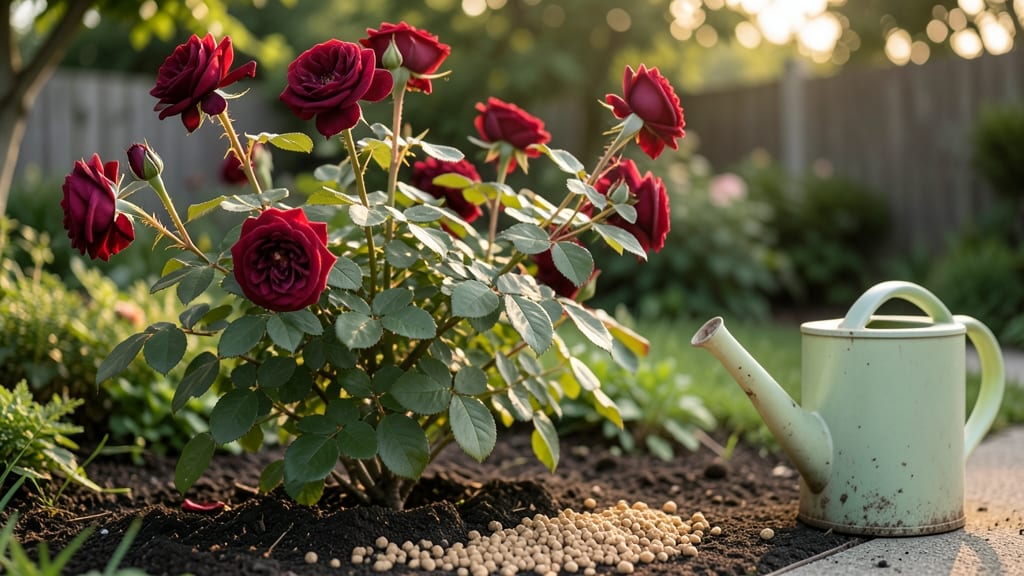
Here’s how to increase flowering in rose plants—after I cracked the code on sunlight, pruning, and feeding, my once-sparse bushes burst into a showstopping display of hundreds of blooms.
The secret isn’t complicated, but it is precise: you’ve got to time your cuts, feed at the right moments, and give them the perfect balance of sun and shade.
Start with full sun (6+ hours daily) but protect them from harsh afternoon rays in hot climates—think dappled light, not scorching. Then, prune in early spring (before new growth) to remove dead wood and shape the bush, and feed with balanced fertilizer (10-10-10) every 4-6 weeks during growing season.
The payoff? Nonstop blooms from early summer through frost, with fewer gaps between flowers.
Here’s where most gardeners mess up: over-pruning, under-watering, or feeding too late in the season. I learned that the hard way—my roses nearly skipped blooming entirely one year.
But once you nail the timing, you’ll see thicker canes, more buds, and flowers that last weeks longer. The key is consistency, not intensity.
This works for hybrid teas, floribundas, and shrub roses alike, whether you’re in Zone 5 or 9. The same principles apply whether you’re pruning with shears or a saw—just adjust for your climate’s growing season. Let’s get those bushes flowering like crazy.
📚 In This Guide
- What you need
- Instructions
- Tips and common mistakes
- Wrapping up and next steps
What you need
- ○ High-quality rose fertilizer: Look for a balanced formula (e.g., 10-10-10 or 5-10-5) with a focus on phosphorus (the "P" number) to encourage flowering. Optional: Slow-release granules or organic options like bone meal or fish emulsion.
- ○ Pruning shears: Sharp, clean bypass pruners (4–6" blades) to avoid crushing stems. Optional: Loppers for thicker branches.
- ● Mulch: 2–3 inches of organic mulch (e.g., shredded bark, straw, or compost) to retain moisture and regulate soil temperature.
- ● Watering can or hose: With a gentle spray nozzle to avoid damaging blooms.
- ○ pH testing kit: To check soil acidity (ideal range: 6.0–6.5 for roses). Optional: Lime (to raise pH) or sulfur (to lower pH).
- ● Compost or worm castings: 1–2 gallons per plant to enrich soil with nutrients.
- ● Sunlight: A location with 6–8 hours of direct sunlight daily—roses are sun-worshippers!
- ● Well-draining soil: Roses hate soggy roots. Amend clay soil with perlite or sand if needed.
- ● Patience: Some varieties (like hybrid teas) take 2–3 years to reach peak flowering.
Step-by-Step guide to boosting rose blooms
Here’s how I transform struggling roses into flowering powerhouses—no mystery fertilizers or guesswork.
Optimize Sunlight Exposure
Roses need 6-8 hours of direct sunlight daily for maximum flowering. If your plants are in partial shade, move them to a sunnier spot immediately—even an extra 2 hours of light can double bloom production. I watch for leggy stems and sparse buds as signs of insufficient light.
Morning sun is ideal because it warms the plants gradually, preventing stress. If your roses get afternoon shade, prune back any overhanging branches that block sunlight. You’ll notice more buds forming within 3-4 weeks of better light exposure.
Prune for Airflow and Energy Focus
Prune in early spring (just as new growth begins) to remove dead, crossing, or inward-growing branches. Cut just above an outward-facing bud to encourage bushier growth. I always use clean, sharp pruners to avoid tearing stems, which invites disease.
Thin out crowded canes—too many stems compete for nutrients, reducing flower production. Aim for 5-7 strong, outward-facing canes per plant. You’ll see more abundant, larger blooms by mid-summer if you prune correctly.
Feed with the Right Balance
Use a balanced, slow-release fertilizer (like 10-10-10) in early spring, then switch to a high-phosphorus formula (like 5-10-5) when buds form. Phosphorus promotes root and flower development—skip nitrogen-heavy feeds after bud set, or you’ll get lush foliage but few blooms.
Apply fertilizer every 4-6 weeks during the growing season, following package instructions. Water deeply after feeding to prevent root burn. You’ll notice more buds and longer-lasting flowers with this approach.
Deadhead and Encourage Repeat Blooms
Deadhead spent blooms regularly—this redirects the plant’s energy into new flowers instead of seed production. Pinch off faded blooms just above a set of 5 leaves to stimulate side shoots. I deadhead every 2-3 days during peak bloom season to keep roses producing.
For hybrid teas and floribundas, repeat blooming is key. Cut back wilted stems to the first 5-leaf cluster after deadheading. You’ll see continuous flowering throughout the season if you stay on top of this.
Water Deeply and Consistently
Roses need 1-2 inches of water per week, delivered deeply at the base (not overhead). Shallow watering encourages weak roots and fewer blooms. I water early in the morning to reduce evaporation and fungal risks.
Mulch around the base with 2-3 inches of organic mulch (like shredded bark) to retain moisture and regulate soil temperature. Avoid piling mulch against the stem—keep it 2 inches away to prevent rot. Consistent moisture leads to stronger stems and more vibrant blooms.
Tips & tricks for maximizing rose flower production
Transforming underperforming roses into blooming showstoppers starts with these targeted techniques—each one designed to amplify the results from your core steps.
Light Exposure Optimization: If your roses currently receive less than 6-8 hours of sunlight, prioritize morning sun exposure first—it’s gentler on the plants and prevents stress. I’ve found that moving roses just 2 feet closer to a sunny window or wall can make a dramatic difference in bud formation. For container roses, rotate them weekly so all sides get equal light exposure. This simple adjustment often reveals the difference between sparse blooms and lush, continuous flowering.
Pruning Precision: When thinning crowded canes in Step 2, focus on removing stems that grow inward or cross others—they create poor airflow and invite disease. I always make cuts at a 45-degree angle just above an outward-facing bud, which encourages stronger new growth. For hybrid teas, leave 3-5 buds on each remaining stem; floribundas can handle slightly more. The key is balance—too many stems compete for nutrients, while too few reduce the plant’s overall vigor.
Fertilizer Timing Strategy: The switch from balanced fertilizer (10-10-10) to high-phosphorus (5-10-5) when buds form is critical—this shift should happen precisely when you see green buds beginning to swell. I recommend applying the phosphorus boost in early morning when temperatures are cooler, as this reduces the risk of root burn. For established roses, you can lightly scratch the fertilizer into the top 2 inches of soil rather than broadcasting it, which ensures better root uptake.
Deadheading Discipline: The every-2-to-3-days deadheading schedule in Step 4 works best when you use clean, sharp pruners and make cuts at a slight angle just above a set of 5 leaves. This technique stimulates side shoots that will develop into new blooms. For roses that produce multiple blooms per stem (like floribundas), I cut back to the first 5-leaf cluster only after the entire cluster has faded—this preserves the plant’s energy for future blooms rather than forcing it to produce seed heads prematurely.
Pro Tips for Increase Flowering In Rose Plants
- Transforming underperforming roses into blooming showstoppers starts with these targeted techniques—each one designed to amplify the results from your core steps.
- Light Exposure Optimization: If your roses currently receive less than 6-8 hours of sunlight, prioritize morning sun exposure first—it’s gentler on the plants and prevents stress.
- Pruning Precision: When thinning crowded canes in Step 2, focus on removing stems that grow inward or cross others—they create poor airflow and invite disease.
Frequently asked questions
Why aren’t my roses flowering even though I’ve tried everything?
If your roses are still shy about blooming, check these culprits first: underwatering, poor drainage, or lack of sunlight (they need 6+ hours daily!). Also, some varieties (like climbers) focus on foliage—pick repeat-flowering types like Knock Out® or Floribunda for reliable blooms. Pro tip: Test your soil pH (6.0–6.5 is ideal) and adjust with lime or sulfur if needed.
Is there a best time of year to prune for more flowers?
Timing matters! For spring bloomers (like Hybrid Teas), prune right after they finish flowering (late spring). For repeat bloomers (like Floribundas), prune twice: once after early blooms (May/June) and again in early spring (before buds swell). Avoid heavy pruning in fall—it stresses plants before winter. Remember: Always sterilize tools with rubbing alcohol to prevent disease!
Can companion plants help increase rose flowering?
Plant garlic or chives nearby to repel pests (like aphids) and improve soil health. Marigolds deter nematodes, while basil enhances rose fragrance. Avoid competitive plants like mint or walnut trees, which steal nutrients. Bonus: Deep-rooted companions (e.g., lavender) help aerate soil, reducing root stress. Pro tip: Space companions 1–2 feet away to avoid overcrowding.
What should I do if my roses get black spot or powdery mildew?
Fungal diseases like these stress roses, cutting back blooms. Act fast: Remove infected leaves (don’t compost them!) and spray with a mix of 1 tsp baking soda + 1 quart water + a drop of dish soap. For severe cases, use neem oil or a fungicide labeled for roses. Prevent future outbreaks by watering at the base (not overhead) and ensuring airflow with proper spacing. Warning: Avoid copper-based sprays if your soil is already copper-rich!
Are there budget-friendly ways to feed roses for more flowers?
Skip expensive fertilizers! Use compost or aged manure (1–2 inches around the base) for organic nutrients. Eggshells (crushed) add calcium, and banana peels (buried near roots) boost potassium for blooms. For a quick fix, mix 1 tbsp Epsom salt (magnesium) in a gallon of water and water monthly. DIY tip: Save coffee grounds (nitrogen-rich) or use diluted fish emulsion (2 tbsp/gallon) every 4–6 weeks. Save money without sacrificing blooms!
Wrapping up and next steps
Transforming your rose plants into blooming beauties is totally within your reach! 🌸 By mastering the right mix of sunlight exposure, pruning techniques, and nutrient-rich feeding, you’ll unlock their full potential.
Remember, consistency is key—whether you’re trimming spent blooms or adjusting fertilizer schedules, small efforts lead to big rewards.
Ready to see your garden flourish? Start with one change today—maybe it’s moving a plant to sunnier soil or adding a balanced fertilizer. Your roses will thank you with vibrant, endless blooms! 🌞✨