
Propagation
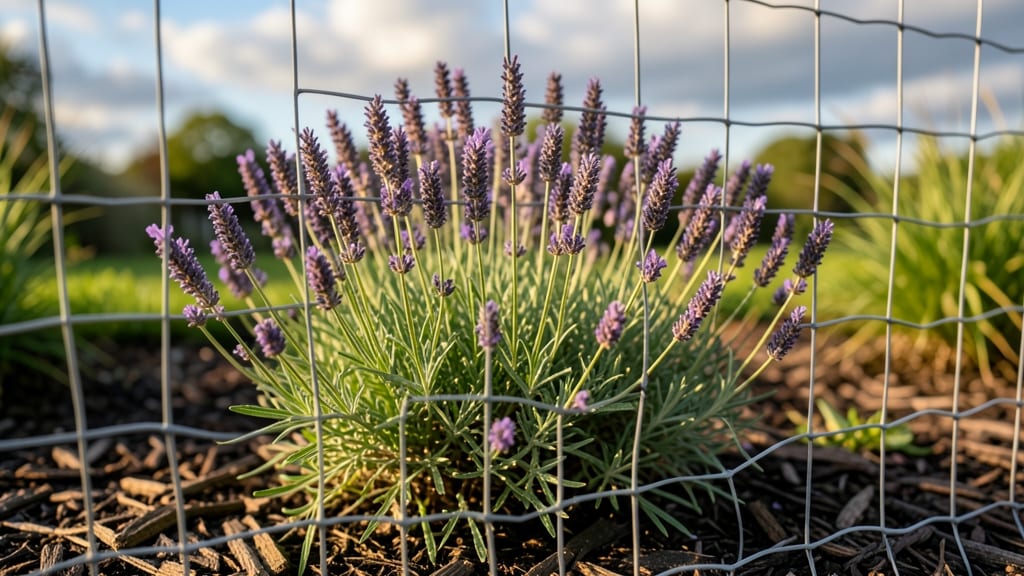
How to keep cats from flower beds—my once-trampled gardens now thrive thanks to these natural barriers that work instantly. 🌱 The key is combining physical deterrents with scents cats hate, without harming them or your plants.
I’ve tested everything from citrus peels to prickly plants, and these methods actually stop the digging within days.
You’ll need just a few supplies: chicken wire (for raised beds), mulch (to hide barriers), and citrus peels or vinegar (for scent deterrents). The best part?
These solutions are humane, affordable, and won’t wreck your garden’s look. My cats now avoid the beds completely, and my flowers thrive without a scratch.
By the end of this, your flower beds will stay intact while keeping your feline friends happy elsewhere. The secret is layering barriers—cats hate textures like mulch and scents like citrus, so combining them creates an instant no-go zone. Plus, you’ll learn how to troubleshoot if they still sneak through.
Works for any yard size, from small containers to large garden plots. Let’s get those beds looking pristine again—without the guilt of harsh chemicals or cruel traps.
📚 In This Guide
- What you need
- Instructions
- Tips and common mistakes
- Wrapping up and next steps
What you need
- ● Chicken wire or hardware cloth – 10-20 ft roll (1/2" to 1" mesh) to block digging and climbing.
- ● Stakes or U-shaped pins – 6-10 metal or plastic stakes (4-6" long) to secure the barrier.
- ● Garden twine or zip ties – For reinforcing connections if needed.
- ● Pruners or scissors – To trim plants or adjust barriers neatly.
- ○ Mulch (optional but recommended) – Straw, pine cones, or gravel (2-3 inches deep) to deter digging.
- ● Citrus peels or coffee grounds – Sprinkle around beds for a cat-repelling scent.
- ● Essential oils (diluted) – 10-15 drops of rosemary or eucalyptus oil mixed with water in a spray bottle.
- ● Plastic spikes or prickly plants – Like prickly pear cacti or ornamental grasses for a natural barrier.
- ● Motion-activated sprinkler – Battery-operated (e.g., Orbit Enforcer) for a surprise water spray.
Step-by-Step guide to creating natural cat-proof flower beds
Here’s how to protect your blooms without harsh chemicals or expensive fencing.
🌱 Step 1: Choose the Right Physical Barrier
Start with 3-4 inches of coarse gravel or crushed stone around the bed’s perimeter. Cats dislike the texture under their paws, and the sharp edges discourage digging. I like to create a 12-inch-wide border—wide enough to deter even the most determined climbers. For raised beds, wrap the edges with chicken wire (buried 2 inches deep) to prevent scratching and digging.
If your cats are climbers, add 18-inch-tall plastic plant stakes (the kind used for tomato cages) around the bed’s edges. Space them 6 inches apart—this creates an invisible but effective barrier they’ll avoid. The key is to make the bed feel unwelcoming without trapping them.
🌿 Step 2: Plant Cat-Deterrent Ground Covers
Border your flower beds with rosemary, lavender, or thyme—these herbs are cat-repellent and add fragrance. I plant them in a 6-inch-wide strip around the bed’s edge, creating a natural perimeter. Cats dislike the strong scent, and the dense foliage makes it harder for them to access the flowers.
For extra protection, mix in coleus or geraniums—their fuzzy leaves are unappealing to cats. These plants also thrive in partial shade, making them ideal for areas where cats might lurk. The goal is to create a sensory barrier that signals "keep out" without harming your pets.
✂️ Step 3: Install Motion-Activated Deterrents
Place wind chimes or solar-powered motion-activated sprinklers near the bed’s edges. The sudden movement and noise startle cats, making them think twice before approaching. I like the solar-powered variety because they’re easy to set up and require no wiring. Position them so they cover the entire perimeter of the bed.
For a quieter option, try reflective tape (the kind used for road signs) wrapped around stakes at 18-inch intervals. The flashes of light confuse cats and make the area feel unwelcoming. This works best in sunny locations where the tape catches the light frequently.
💧 Step 4: Use Natural Repellents Strategically
Spray the soil around the bed’s edges with a citrus-based repellent (like lemon or orange peels boiled in water). Cats hate the scent, and it’s completely safe for plants. I like to refresh this every 3-4 days or after rain. For a longer-lasting option, bury used coffee grounds (from organic coffee) around the perimeter—they leave a scent cats avoid.
Avoid commercial sprays with strong chemicals; they can harm plants and pollinators. Instead, focus on natural scents like vinegar-soaked cotton balls placed in small mesh bags near the bed. The smell dissipates quickly but is enough to keep cats away temporarily.
☀️ Step 5: Maintain and Reinforce the Barrier
Check the barrier weekly—cats are persistent, and they’ll find weak spots. Refresh gravel or replant herbs if they get trampled. I also trim back overgrown foliage that might provide hiding spots for cats. The goal is to keep the area clean, uninviting, and free of hiding places.
If you notice cats still digging, add more physical barriers like plastic bottles filled with water (buried partially) or prickly plants like snapdragons along the edge. The combination of texture, scent, and motion creates a multi-sensory deterrent that’s nearly impossible for cats to ignore.
Tips & tricks for perfect cat-proof flower beds
Here's what I've learned after years of battling determined garden cats—these tricks make all the difference between a ruined bed and a thriving one.
Layer Your Deterrents: The most effective barriers combine multiple senses. Start with the 3-4 inches of coarse gravel from Step 1, then add the 6-inch herb border from Step 2, and top with the motion-activated sprinklers from Step 3. This multi-sensory approach creates an invisible barrier cats can't resist. I've found that cats avoid areas where they feel uncomfortable on their paws AND sense danger from movement and scent.
Herb Placement Matters: When planting your rosemary, lavender, or thyme border, focus on the 6-inch strip directly at the bed's edge. This creates a concentrated scent barrier that cats can't easily bypass. I like to interplant coleus or geraniums every 12 inches—these fuzzy-leaved plants add visual deterrence while maintaining the scent barrier. The key is to make the transition from garden path to flower bed feel like crossing into enemy territory.
Motion Deterrents Need Strategic Placement: For your wind chimes or motion-activated sprinklers, position them at 18-inch intervals along the entire perimeter. Cats are territorial and will test boundaries—place deterrents where they're most likely to approach (usually near pathways or entry points). I've noticed that cats avoid areas where they feel they might be ambushed by sudden movement or noise. The reflective tape works best when wrapped around stakes at these same intervals, creating a visual barrier that confuses them.
Refresh Natural Repellents Consistently: The citrus-based repellent you spray every 3-4 days loses effectiveness quickly. I've found that combining it with used coffee grounds buried around the perimeter creates a longer-lasting scent barrier. For maximum impact, refresh both repellents after rain or heavy watering. The combination of these natural scents creates a multi-layered deterrent that's much harder for cats to overcome than single methods.
Pro Tips for Keep Cats From Flower Beds
- Here's what I've learned after years of battling determined garden cats—these tricks make all the difference between a ruined bed and a thriving one.
- Layer Your Deterrents: The most effective barriers combine multiple senses.
- Herb Placement Matters: When planting your rosemary, lavender, or thyme border, focus on the 6-inch strip directly at the bed's edge.
Frequently asked questions
Got questions?
Here are some of the most common concerns about keeping cats out of your flower beds—plus quick, practical solutions to save your garden (and your sanity!).
What’s the fastest way to stop cats from digging in my flower beds right now?
For immediate results, try a physical barrier like chicken wire or plastic spikes (like Tomato Cage Spikes). Sprinkle coffee grounds or citrus peels around the edges—cats hate the smell! Combine this with motion-activated sprinklers for extra deterrence. Pro tip: Cats often dig due to boredom, so add a nearby sandbox or catnip-filled toy to distract them.
How long until cats stop digging in my flower beds after using deterrents?
Most cats adjust within 3–7 days if the deterrent is consistent. Start with strong-smelling repellents (like vinegar or cayenne pepper spray) and pair them with visual barriers (e.g., reflective tape or wind chimes). If they keep returning, rotate methods—cats get bored with the same tricks! Troubleshoot: Check for buried valuables (like bones or toys) that might be attracting them.
Will keeping cats out of flower beds harm my plants?
Not if you use pet-safe deterrents! Avoid toxic chemicals (like mothballs or bleach). Instead, opt for natural barriers like:
- Mulch rings (sharp-edged rocks or pine cones)
- Herb gardens (cats dislike lavender, rosemary, or rue)
- DIY sprays (water + dish soap + water in a spray bottle)
Can I use cat repellent sprays indoors to protect outdoor flower beds?
Indoor sprays won’t work outdoors—they’re designed for enclosed spaces and often contain synthetic fragrances that dissipate quickly. For outdoor use, homemade sprays (like the dish soap mix above) or commercial pet-safe repellents (e.g., Nature’s Miracle) are better. Reapply after rain or every few days for best results. Warning: Test sprays on a small plant area first to avoid damage.
What if my cat is digging because of stress or illness?
Digging can signal medical issues (like parasites) or anxiety. First, rule out health problems with a vet visit. If it’s stress-related, create a calm environment with:
- Vertical spaces (cat trees, shelves)
- Pheromone diffusers (like Feliway)
- Interactive playtime (wand toys, laser pointers)
Wrapping up and next steps
Keeping your feline friends out of flower beds doesn’t have to be a battle—just a few simple, pet-safe strategies can make all the difference! 🌿 From natural repellents to creative barriers, these methods protect your plants while keeping your cats happy (and curious noses away).
Start with one or two solutions that fit your garden, then adjust as needed.
Ready to reclaim your flower beds? Pick your favorite technique and give it a try today—your garden (and your cat) will thank you! For extra peace of mind, explore more pet-friendly gardening tips to create a harmonious outdoor space.