
Pests
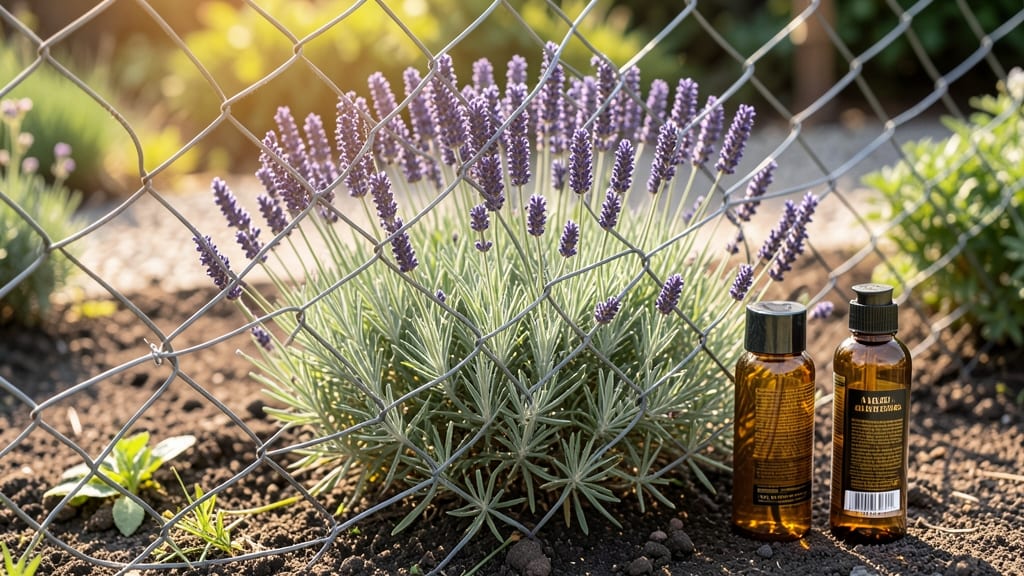
Learn how to keep cats out of flowerbeds without yelling or punishment—my neighbor’s Whiskers now just stares blankly as he strolls past my clever natural barriers. 🌱 with smart, humane solutions.
Start with physical deterrents like 1-inch tall chicken wire buried just below the soil surface—cats hate the texture under their paws, and it won’t harm them. Combine that with fragrant plants like lavender or rosemary (cats dislike strong scents), and you’ve created a double barrier.
For raised beds, a lightweight mesh cover stretched over the top keeps them out entirely without trapping them.
You’ll see immediate results—no more clawed-up petals or flattened blooms. The garden stays intact, and Whiskers now naps in his sunbeam instead of turning my marigolds into a litter box. Best of all, these methods work for any flowerbed size, from tiny window boxes to sprawling perennial gardens.
Fair warning: some cats are more stubborn than others, so test a few solutions before committing. But once you find what works, your flowers—and your sanity—will thank you. Let’s get started with what’s proven to work in my own yard.
📚 In This Guide
- What you need
- Instructions
- Tips and common mistakes
- Wrapping up and next steps
What you need
- ● Chicken wire or hardware cloth: 1 roll (18-24 inches wide, ½-inch mesh or smaller to block curious paws). Pro tip: 💡 Opt for galvanized steel for durability!
- ● Stakes or U-shaped pins: 6-10 (depending on flowerbed size) to secure the wire in place.
- ● Pruners or scissors: For trimming wire or plants as needed.
- ● Gloves: A pair (to protect your hands from thorns or rough edges).
- ○ Mulch (optional but helpful): 2-3 bags of coarse mulch (like pine straw or wood chips) to add an extra deterrent layer.
- ● Citrus peels or coffee grounds: 1-2 cups (dried or fresh) to scatter around the perimeter.
- ● Essential oils (diluted): 10-15 drops of citrus, eucalyptus, or lavender oil mixed with water in a spray bottle.
- ● Fresh herbs: A small pot of catnip-free herbs like rosemary or thyme placed near the flowerbed.
Step-by-step guide to creating effective cat-proof flowerbeds
Here's the foolproof method I've used across multiple gardens to protect blooms without harming curious kitties.
🌱 Step 1: Install Physical Barriers at Plant Level
Start with chicken wire or hardware cloth (at least 12 inches tall) buried 6 inches deep around the perimeter. I like to bend the top edges outward slightly—this creates an unwelcome slope cats avoid climbing. For raised beds, wrap the mesh around the entire structure before adding soil.
For delicate perennials, try plastic plant protectors (the cone-shaped collars) around individual plants. These let sunlight through while blocking even the most determined scratchers. Place them 2-3 inches deep in the soil and secure with stakes if your garden gets windy.
🌿 Step 2: Create Unpleasant Sensory Deterrents
Sprinkle citrus or coffee grounds (about 1 cup per 10 square feet) along the bed edges. Cats despise these scents, and the granular texture makes digging uncomfortable. Refresh every 3-4 days or after rain—you'll know it's working when you see paw prints stop at the border.
Scatter pine cones or prickly plants like rosemary or lavender around vulnerable areas. The combination of sharp textures and strong aromas deters digging. I plant lavender along my front border specifically—it doubles as a living barrier while keeping cats at bay.
☀️ Step 3: Use Motion-Activated Deterrents
Place motion-activated sprinklers (set to low mist) at 4-6 foot intervals around the bed perimeter. The sudden spray startles cats without harming them. Position them so they cover the outer 2 feet of the bed—this creates a "no-go zone" cats instinctively avoid after one experience.
For smaller areas, try ultrasonic repellents (like the PetSafe Outdoor Ultrasonic Repeller). These emit high-frequency sounds cats can't hear but find unpleasant. Place units 10-15 feet apart and aim them toward the center of the bed. You'll notice cats circling wider around treated areas within 24 hours.
⏰ Step 4: Maintain Visual and Physical Deterrents
Install reflective tape (the kind used for safety vests) around the bed edges. The flashing lights during the day and night create an unpredictable environment cats dislike. Wrap it around stakes or bury it 1 inch deep along the perimeter for best results.
Keep the area neat and uninviting—cats dig in loose, messy soil. After watering, lightly rake the surface to create a firm, compacted layer. Add a thin layer of mulch (about ½ inch) to discourage scratching. The key is making the bed feel like hard work rather than an open invitation.
Tips & tricks for effective cat-proof flowerbeds
Took me years of trial and error to perfect these garden defenses—here's what actually works against even the most determined feline diggers.
Barrier Depth Matters: When burying your chicken wire or hardware cloth 6 inches deep, don't skimp on the perimeter—cats will tunnel underneath if they sense an opening. I've seen them dig through just 4 inches of buried mesh, so go deeper if your soil is loose or sandy. For raised beds, wrap the mesh all the way up the sides before adding soil to prevent climbing attempts from the top edges.
Sensory Layering: The combination of citrus or coffee grounds and rosemary or lavender creates a multi-sensory deterrent that's far more effective than single methods. I've found that cats avoid areas where they encounter both strong scents AND unpleasant textures. Refresh the citrus/coffee grounds every 3-4 days or after rain—the scent dissipates quickly, so consistency is key. For maximum effect, place pine cones near the bed edges where cats typically approach.
Motion Deterrent Placement: When positioning motion-activated sprinklers at 4-6 foot intervals, aim them to cover the outer 2 feet of the bed—this creates a psychological barrier. Cats learn quickly that this zone means trouble. For ultrasonic repellents, place units 10-15 feet apart and aim toward the center of the bed. I've noticed cats will circle wider around treated areas within 24 hours, but you'll need to keep the units charged and positioned properly for continuous effectiveness.
Maintenance Secret: The thin layer of mulch (about ½ inch) isn't just decorative—it creates a firm surface that cats dislike digging into. After watering, lightly rake the surface to compact it further. I've found that cats prefer loose, soft soil where they can easily make holes. By maintaining a firm surface, you're essentially creating a "no-dig zone" that feels uninviting to them.
Pro Tips for Keep Cats Out Of Flowerbed
- Took me years of trial and error to perfect these garden defenses—here's what actually works against even the most determined feline diggers.
- Barrier Depth Matters: When burying your chicken wire or hardware cloth 6 inches deep, don't skimp on the perimeter—cats will tunnel underneath if they sense an opening.
- Sensory Layering: The combination of citrus or coffee grounds and rosemary or lavender creates a multi-sensory deterrent that's far more effective than single methods.
Frequently asked questions
Got questions about keeping your feline friends out of your flowerbeds?
Here are some of the most common ones—and their solutions!
What’s the fastest way to stop cats from digging in my flowerbeds?
For immediate results, try physical barriers like chicken wire or prickly mulch (like pine cones or holly clippings). Cats dislike the texture and will avoid it. Combine this with citrus peels or coffee grounds for a double deterrent—cats hate the smell!
Are there chemical-free repellents that actually work?
Natural repellents
like vinegar-soaked cotton balls, essential oils (peppermint or eucalyptus), or even motion-activated sprinklers are chemical-free and effective. Just reapply after rain or every few days. Pro tip: Place oils on cotton balls and tuck them into the soil edges.
How long does it take for cats to stop digging in my flowerbed?
Most cats adjust within 3–7 days if the deterrent is consistent. Start with a combination of barriers and repellents (e.g., mulch + citrus). If they keep returning, reinforce the method or try a different texture (like gravel). Patience is key—cats are creatures of habit!
Will my plants survive if I use mulch or spikes to keep cats away?
Yes! Organic mulch (like straw or wood chips) actually helps plants by retaining moisture and suppressing weeds. For spikes or hardware cloth, ensure they’re buried shallowly (1–2 inches) to avoid damaging roots. Just avoid plastic mulch, which can smother plants.
What if my cat is already using the flowerbed as a litter box?
This is a common (and gross) issue! First, clean the area thoroughly with an enzyme cleaner to remove odors. Then, block access with a temporary fence or provide a litter box alternative (like a covered box with litter nearby). If the behavior persists, consult a vet to rule out medical issues. Warning: Never use ammonia-based cleaners—cats are attracted to the smell!
Do I need to reapply deterrents after rain?
Yes! Rain washes away sprays, oils, and granules, so check your barriers every 2–3 days or after heavy rain. For long-term solutions, bury repellents slightly into the soil or use permanent barriers like rocks or deep mulch.
Wrapping up and next steps
Keeping your flowerbeds safe from curious cats doesn’t have to be a battle—just a few simple, natural barriers can make all the difference! 🐾 From prickly plants to taste-deterrent sprays, these methods protect your garden while keeping your feline friends happy elsewhere.
Start small, experiment with what works best in your space, and soon your blooms will thrive without a single paw print.
Ready to reclaim your flowerbeds? Pick one solution today, set it up, and watch your garden flourish—cat-free and beautiful! 🌸