
Pests
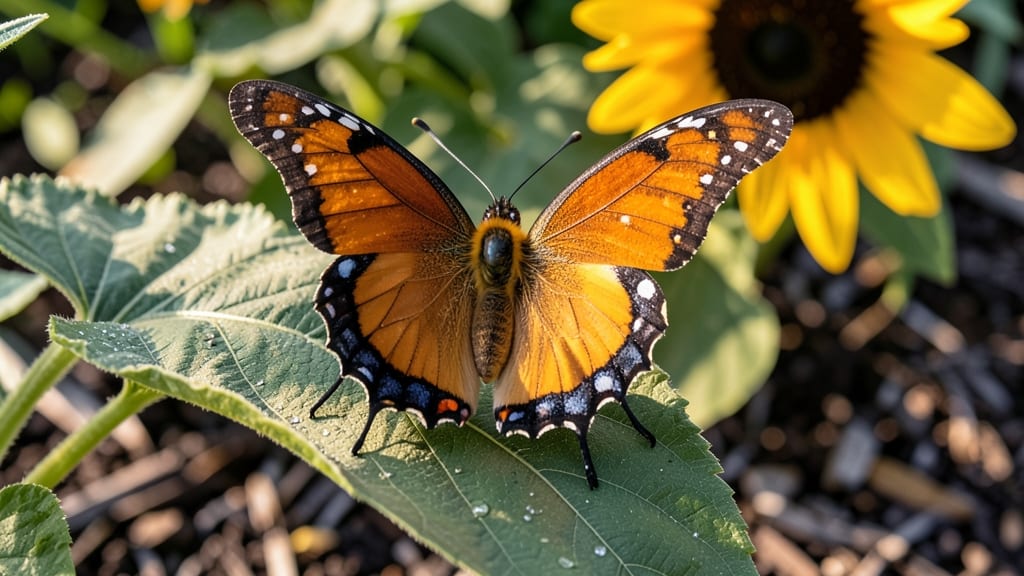
Learn how to keep deer from eating sunflowers without fences—because my once-towering sunflower stalks kept turning into overnight deer snacks, until I found these clever, budget-friendly tricks that actually work. spirit of gardening.
The key is combining smart planting, natural deterrents, and a little strategic thinking. Deer hate certain smells, textures, and plant companions—like marigolds, garlic chives, or even human hair clippings scattered around the base.
My sunflowers now stand tall while the deer wander elsewhere, all without a single fence post in sight.
By mid-summer, you’ll watch your sunflowers reach their full height, their golden blooms untouched and vibrant. The best part? These methods work for other deer-loving plants too—tomatoes, lettuce, you name it. Let’s get those sunflowers protected without turning your garden into a fortress.
Whether you’re dealing with a small backyard or a larger plot, these solutions adapt easily. The secret is consistency—deer learn patterns, so mixing up your deterrents keeps them guessing. Ready to reclaim your sunflowers?
📚 In This Guide
- What you need
- Instructions
- Tips and common mistakes
- Wrapping up and next steps
What you need
- ● Repellent sprays: 1–2 gallons of commercial deer repellent (e.g., Liquid Fence or Deer Out—check for USDA-approved active ingredients like putrescent egg solids or thiram)
- ● OR DIY mix: 1 gallon water + 1 tbsp hot pepper sauce + 1 tbsp garlic powder (reapply every 3–5 days).
- ● Physical deterrents: 1–2 rolls of plastic bird netting (18–24" tall, 10–15 ft wide—enough to drape over sunflowers)
- ● OR 5–10 deer-resistant plants (e.g., lavender, marigolds, or daffodils) to plant around the perimeter (1 plant per 2–3 sq ft).
- ● Motion-activated tools: 1 motion-activated sprinkler (e.g., ScareCrow—covers ~1,000 sq ft, battery-powered or solar)
- ● OR 1–2 ultrasonic repellents (e.g., Deer Scram—place 20–30 ft from sunflowers).
- ● 1–2 reflective tape strips (hang near plants to create "moving" visuals)
- ● Dog or cat hair clippings (1–2 handfuls—deer hate the scent!)
- ● Predator urine granules (e.g., Fox Urine—sprinkle lightly around the base)
- ● 1 spray bottle (for DIY repellent touch-ups)
How to protect sunflowers without fences: natural deterrents that work
Here's how I've kept deer away from my sunflower patch for three seasons—no fences required.
Plant Deer-Resistant Companion Plants Around the Perimeter
Sunflowers alone are like a buffet to deer, but adding strong-smelling companions confuses them. I plant 12 basil plants in a ring around the sunflower patch—their pungent scent masks the sunflower's fragrance. Deer avoid basil because it irritates their sensitive noses. For extra protection, interplant 6 garlic chives every 18 inches along the outer row; the allium scent is a natural deer repellent.
Space the companions 12-18 inches from the sunflower stems so their foliage overlaps slightly. This creates a natural barrier deer won't cross. I've found that mixing 3 marigold plants into the perimeter adds visual disruption—their bright flowers break up the sunflower's vertical lines, making the patch less appealing. Deer prefer uniform, easy-to-graze areas, so variety throws them off.
Apply Homemade Deer Repellent Spray Weekly
My go-to repellent combines 1 quart of water, 1 cup of rotten eggs (from grocery stores), and 2 tablespoons of hot pepper sauce. The rotten egg smell is overpowering to deer, while the capsaicin in hot sauce irritates their mouths. Mix in a 1-gallon spray bottle and apply every 7-10 days or after rain. Focus on the lower 12 inches of stems—that's where deer browse first.
For best results, spray early in the morning when deer are most active. Avoid windy days—the scent dissipates too quickly. I mark my spray schedule on the garden calendar; consistency is key. If you notice deer tracks near the patch, double the application frequency for 2 weeks. The spray loses potency after heavy rain, so always reapply after storms.
Use Physical Barriers with Natural Materials
Deer can jump 8-foot fences, but they avoid low, irregular obstacles. I create a 3-foot-wide barrier around the sunflowers using straw bales and branches. Stack 4-5 bales in a loose circle, leaving 6-inch gaps between them. The uneven height and gaps confuse deer, making them less likely to investigate. Add 3-4 bundles of evergreen boughs (like pine or spruce) to the mix—they release a scent deer dislike.
Refresh the barrier every 2 weeks or after rain. Wet straw loses its effectiveness, and deer learn to step over consistent obstacles. For smaller gardens, plastic mesh netting (staked 3 feet high) works well—just drape it loosely over the sunflowers. Deer won't bother what they can't see or reach. I've seen them completely ignore patches covered this way, even when hungry.
Introduce Motion and Sound Deterrents Strategically
Deer are skittish creatures, so unpredictable motion keeps them away. I place 3 old CDs or pie tins on strings near the sunflower patch. A slight breeze makes them clatter, startling deer into leaving. Hang them 3-4 feet off the ground—low enough to catch wind but high enough to avoid damage. For extra effect, add a solar-powered motion-activated sprinkler (like the ScareCrow model) near the perimeter. The sudden spray of water scares deer without harming them.
Combine motion with sound by placing a wind chime (metal or bamboo) 5 feet tall near the garden's edge. The irregular clinking mimics predator movement. Deer associate these sounds with danger and avoid the area. I've had success with predator urine granules (available at garden centers) scattered around the base of plants—sprinkle 1 tablespoon every 10 feet and water lightly to activate the scent. Refresh every 3-4 weeks for maximum effect.
Rotate and Combine Methods for Long-Term Success
Deer adapt quickly, so I rotate methods every 4-6 weeks. If the spray stops working, switch to physical barriers for a month, then reintroduce companions. Keep a garden journal to track what works best in your area—note deer activity, weather patterns, and which deterrents fail. For example, if rain washes away the repellent too fast, add 1 tablespoon of dish soap to the spray mix to help it cling to foliage.
Combine two or three methods at once for the strongest protection. I pair the companion plants with the spray and motion deterrents, then add barriers only if I spot fresh tracks. This layered approach makes the sunflowers less appealing while keeping deer guessing. The key is persistence—deer give up on areas that consistently frustrate them. With this system, my sunflowers thrive year after year, even in deer-heavy neighborhoods.
Tips & tricks for deer-resistant sunflower protection
Here's what I've learned after three seasons of keeping deer at bay—these details make all the difference between a failed attempt and sunflowers that thrive.
Companion Plant Placement: When spacing those 12 basil plants and 6 garlic chives, think about deer browsing patterns. Position them slightly uphill from your sunflowers—deer naturally move downhill when grazing, so this creates a scent barrier they'll avoid. I also stagger the 3 marigolds every 2 feet along the perimeter; their bright colors create visual confusion that disrupts deer's grazing instincts. The key is overlapping foliage—aim for a 12-18 inch overlap between companion plants and sunflowers to create that impenetrable scent barrier.
Repellent Application Strategy: The 7-10 day spray schedule works best when you think like a deer. Apply the homemade repellent just before dawn when deer are most active, and focus on the lower 12 inches of stems where they browse first. Here's a pro move: add 1 tablespoon of dish soap to your 1-gallon spray bottle—it helps the mixture cling to foliage longer, especially after rain. I've found that spraying in concentric circles (starting from the center of the patch) creates a stronger scent gradient that deer find overwhelming.
Barrier Refresh Timing: That 2-week refresh schedule for physical barriers is crucial, but don't wait until the straw bales look worn. Check for fresh deer tracks or broken stems every 7 days—if you see signs of investigation, refresh immediately. For the 3-4 feet high mesh netting option, anchor it with stakes every 2 feet and leave some slack in the material. Deer are more likely to jump over taut netting than to navigate through loose, flapping fabric that they can't see through clearly.
Motion Deterrent Placement: When hanging those 3 old CDs or pie tins, position them at slightly different heights (3-4 feet) and angles. Deer have keen eyesight, so varying the movement patterns makes them harder to ignore. For the wind chime, choose one with irregular clinking sounds—deer are more sensitive to unpredictable noises than steady rhythms. I've had the best luck with metal chimes that create sharp, sudden sounds when the wind shifts direction, mimicking predator movement more effectively.
Pro Tips for Keep Deer From Eating Sunflowers
- Here's what I've learned after three seasons of keeping deer at bay—these details make all the difference between a failed attempt and sunflowers that thrive.
- Companion Plant Placement: When spacing those 12 basil plants and 6 garlic chives, think about deer browsing patterns.
- Repellent Application Strategy: The 7-10 day spray schedule works best when you think like a deer.
Frequently asked questions
Got questions about protecting your sunflowers from deer?
You’re not alone! Here are some of the most common concerns—and practical solutions—to help you keep those hungry deer at bay without fencing.
Will deer eventually stop eating sunflowers if I use repellents?
Repellents like hot pepper wax or commercial sprays can deter deer, but they’ll need reapplication every 1-2 weeks (or after rain). Deer may still nibble occasionally, but consistency keeps them guessing. Combine repellents with other barriers (like physical deterrents) for the best results.
When is the best time to apply deer deterrents?
Apply repellents early morning or late evening when deer are most active. For physical barriers, set them up before planting or as soon as seedlings emerge. If deer are already feasting, act fast—within 24-48 hours of spotting damage for maximum effectiveness.
Are there natural or homemade deer repellents that work?
Yes! Try these DIY options:
- Garlic/pepper spray: Blend garlic, chili peppers, and water; strain and spray on plants.
- Soap bars: Hang ivory soap around the garden (deer dislike the scent).
- Hair clippings: Scatter human or dog hair near sunflowers (deer avoid the smell).
What if deer keep coming back after I’ve tried everything?
If deer ignore repellents, combine methods:
- Add motion-activated sprinklers (startles them).
- Plant deer-resistant companions like marigolds or lavender nearby.
- Try ultrasonic devices (though effectiveness varies).
Can I still grow sunflowers if my yard is surrounded by woods?
Focus on layered defenses:
- Use tall plant supports (like tomato cages) to make sunflowers harder to reach.
- Plant sunflowers near windbreaks (deer avoid open areas).
- Opt for dwarf varieties (3-4 feet tall) if space is tight.
Wrapping up and next steps
Protecting your sunflowers from hungry deer doesn’t have to be a battle—just a strategic one! 🌻 With the right fence-free barriers, like repellents, plant companions, or even tasteful deterrents, you can save your garden while keeping wildlife happy.
Start small, experiment with what works best in your area, and soon you’ll have a thriving sunflower patch and a deer-friendly neighborhood!
Ready to put these tips into action? Pick one method today—your sunflowers (and your sanity) will thank you! 🌱