
Planting
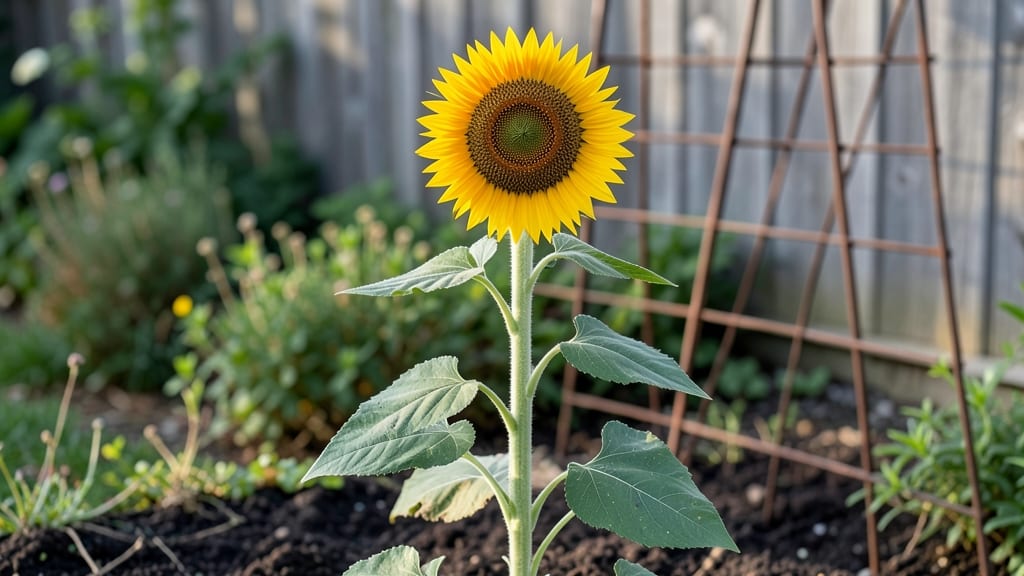
Here’s how to take care of a sunflower plant—watch them grow from tiny seeds to 10-foot giants in just 60 days, turning your garden into a golden summer wonderland with shockingly simple secrets. 🌻 showstopper, all while requiring less fuss than most houseplants.
The key is matching their wild nature with just enough structure to keep them happy.
Sunflowers thrive in full sun (at least 6-8 hours daily) and well-draining soil—no fancy amendments needed. A handful of 5-10-10 fertilizer at planting and again when they’re knee-high keeps them strong.
Water deeply once a week (more in extreme heat), but avoid soggy soil—their roots hate sitting wet. Spacing matters too: 12-18 inches apart for dwarf varieties, 2-3 feet for giants.
By mid-summer, you’ll see those velvety centers opening like giant daisies, drawing bees and birds to your garden. Even better, they’re self-supporting—no staking needed unless you’re growing in windy areas.
The only real maintenance is watching for pests (aphids love young leaves) and deadheading spent blooms to encourage more flowers.
Sunflowers are foolproof for beginners, but they reward attention with bold, cheerful blooms that last weeks. Whether you’re growing them for cut flowers, birdseed, or just summer joy, they’ll remind you that gardening doesn’t have to be complicated—just consistent. Ready to grow your own sunflower tower?
📚 In This Guide
- What you need
- Instructions
- Tips and common mistakes
- Wrapping up and next steps
What you need
- ● Sunflower seeds: Choose a variety like ‘Mammoth’ or ‘Autumn Beauty’ (10-20 seeds for beginners). Opt for heirloom or non-GMO for best results.
- ● Well-draining potting mix: 5-10 lbs of lightweight, nutrient-rich soil (or a blend of garden soil + compost). Avoid heavy clay.
- ● Containers or garden bed: Containers: 5-gallon pots (1 per plant) with drainage holes.
- ● Garden bed: A sunny spot with 6+ hours of direct sunlight and loose, fertile soil.
- ● Watering can or hose: With a gentle spray nozzle for seedlings.
- ● Fertilizer: A balanced, slow-release granular fertilizer (e.g., 10-10-10) or organic options like compost or worm castings.
- ○ Plant markers: Small stakes or labels to track varieties (optional but helpful!).
- ● Trowel or hand shovel for transplanting.
- ● Pruning shears (to trim dead leaves or support tall stems).
- ● Stakes or cages (for windy areas—sunflowers can grow 10+ feet tall!).
- ● pH test kit (ideal soil pH: 6.0–7.5).
- ● Mulch (straw or shredded leaves to retain moisture).
Step-by-Step care for sunflower plants: from sprout to sun
Here's how to coax those towering stems from tiny seeds—with minimal fuss.
🌱 Step 1: Plant Seeds at the Right Depth and Spacing
Sunflower seeds need a warm start. Plant them ½ inch deep in loose, well-draining soil when nighttime temperatures stay above 50°F. I like to space seeds 6 inches apart in rows 18 inches apart—this gives roots room to anchor deeply without crowding.
Press the soil gently around each seed but don't compact it. Sunflowers hate soggy roots, so if your soil feels heavy, mix in 2-3 inches of compost first. Water lightly after planting, just enough to settle the soil—no need to soak. Watch for sprouts in 7-14 days (longer in cooler soil).
Here's the thing—sunflowers grow fast, so don't rush the spacing. Crowded plants produce weak stems that flop under their own weight. Trust me, you'll thank yourself later when they stand tall.
☀️ Step 2: Feed and Water for Strong Stems
Once seedlings reach 6 inches tall, fertilize with a balanced 10-10-10 formula (use 1 tablespoon per plant). Sunflowers are heavy feeders, but too much nitrogen makes them leafy and leggy instead of sturdy. I mix the fertilizer into the soil at the base rather than top-dressing.
Water deeply once a week during dry spells, aiming for 1 inch of water total. You'll know you're doing it right when the top 2 inches of soil feel dry between waterings. Overwatering causes root rot, and sunflowers hate wet feet. Mulch around the base with 2 inches of straw to lock in moisture and keep weeds at bay.
Real talk: sunflowers are drought-tolerant once established, but young plants need consistent moisture. If leaves start curling or wilting in the afternoon heat, give them a quick drink. They'll bounce back fast.
✂️ Step 3: Support and Prune for Maximum Height
Sunflowers can grow 10+ feet tall, but they often need help standing up. Install stakes or cages when plants reach 3 feet—before the wind knocks them over. I use 6-foot bamboo stakes driven 6 inches deep into the soil, then loosely tie the main stem to the stake with soft fabric strips (never wire, which can cut into the stem).
Remove any side shoots that form below the main flower bud. These lateral branches steal energy from the primary bloom. Pinch them off with your fingers or clean pruners—no need for fancy tools. You'll see the main stem thicken and straighten up as it grows.
This is the moment that matters: if you notice the flower bud starting to droop, tie it to the stake immediately. A heavy bloom can snap a weak stem overnight.
🌿 Step 4: Monitor for Pests and Bolting
Sunflowers attract aphids and spider mites, but a strong spray of water usually knocks them off. I check plants weekly, especially on the undersides of leaves. For stubborn infestations, use neem oil (mix 1 tablespoon per gallon of water) and spray in the evening when bees aren't active.
Watch for bolting—when the plant suddenly sends up a tall, leafless stem. This happens if days get too hot or if the plant is stressed. While it won't kill the plant, it diverts energy from the flower. Keep soil moist and mulched to prevent this.
Here's where it gets fun: as the flower bud swells, you'll see the back of the petals turn yellow. That's your cue to reduce watering slightly—too much moisture now can cause the head to split open before it's ready for harvest.
Tips & tricks for perfect sunflower growth
Sunflowers are surprisingly low-maintenance once you know the right moves—here's how to give them the best start.
Soil Preparation: The 2-3 inches of compost mentioned in Step 1 isn't just about nutrients—it's about creating the perfect airy environment sunflower roots crave. Before planting, mix in a handful of perlite or coarse sand if your soil feels dense. This prevents the dreaded "soggy roots" that cause rot, especially in clay-heavy soils. Think of it as giving your sunflowers a fluffy pillow to grow into.
Temperature Secret: That 50°F nighttime minimum is non-negotiable, but here's the thing: soil temperature matters just as much. Stick your finger in the ground—if it feels cooler than your wrist, wait a few more days. I've planted too early in cool soil and watched seeds take 21 days to sprout instead of the promised 7-14 days. A soil thermometer ($10 at garden centers) is worth its weight in gold for this.
Support System: When you reach Step 3 and install those 6-foot bamboo stakes, here's my pro move: bury the stakes 2 inches deeper than the instructions say. The extra anchorage prevents them from wobbling when you tie the plant later. I've seen stakes lean dramatically after just one windstorm—don't make my mistake. Also, use soft fabric strips instead of twine; they won't cut into the rapidly thickening stem as it grows.
Watering Wisdom: The 1 inch of water per week guideline works for average conditions, but here's the adjustment: in containers, you'll need to water every 3-4 days instead. Potted sunflowers dry out faster because their roots can't spread wide. Check moisture by sticking your finger 2 inches deep—that's where the roots are actively growing. If it feels dry, water until it runs out the drainage holes. Overwatering here is the #1 killer of container-grown sunflowers.
Pro Tips for Take Care Of Sunflower Plant
- Sunflowers are surprisingly low-maintenance once you know the right moves—here's how to give them the best start.
- Soil Preparation: The 2-3 inches of compost mentioned in Step 1 isn't just about nutrients—it's about creating the perfect airy environment sunflower roots crave.
- Temperature Secret: That 50°F nighttime minimum is non-negotiable, but here's the thing: soil temperature matters just as much.
Frequently asked questions
Got questions about growing sunflowers? You’re not alone! Here are answers to the most common concerns—whether you’re a first-time gardener or looking to troubleshoot.
How often should I water sunflowers?
Water sunflowers deeply 1–2 times per week, especially during dry spells. Aim for 1–2 inches of water per week. Overwatering can cause root rot, so let the top inch of soil dry out between waterings. Pro tip: Mulch around the base to retain moisture!
Can I grow sunflowers from store-bought seeds?
Yes! Store-bought sunflower seeds (like those in birdseed mixes) can germinate, but save them for snacking—they’re often treated to prevent sprouting. For guaranteed blooms, buy untreated, heirloom seeds from a garden center.
What do I do if my sunflower leaves turn yellow?
Yellow leaves usually mean overwatering, nutrient deficiency, or pests. Check for:
- Root rot (soggy soil = pull up and replant in dry soil).
- Nitrogen deficiency (feed with a balanced fertilizer).
- Spider mites or aphids (spray with soapy water or neem oil).
How tall will my sunflower grow, and when will it bloom?
Height depends on the variety—dwarf types reach 3–4 feet, while giants like ‘Mammoth’ tower 10+ feet! Most sunflowers bloom 60–90 days after planting. Watch for buds forming (they’ll open in 1–2 weeks). Fun fact: Some varieties, like ‘Teddy Bear,’ bloom in just 50 days!
Can I grow sunflowers in containers?
Choose large pots (at least 12 inches deep) with drainage holes. Dwarf varieties (like ‘Little Becka’) thrive in containers. Use well-draining potting mix and place them in full sun (6+ hours daily). Rotate pots weekly for even growth!
What if my sunflower stem gets weak or falls over?
Weak stems often happen in windy conditions or overcrowding. Solutions:
- Stake tall varieties with soft ties (avoid wire—it can cut stems).
- Plant in sheltered spots or use a cloche for wind protection.
- Prune lower leaves to reduce weight on the stem.
Wrapping up and next steps
Caring for sunflowers is a rewarding journey that brings vibrant beauty to your garden in just 60 days! With the right balance of sunlight, soil, water, and patience, you’ll watch those cheerful blooms grow from tiny seeds into towering masterpieces. 🌻✨
Now that you’re armed with all the tips and tricks, why not plant a few seeds today? Share your progress with fellow gardeners or even experiment with different varieties—each sunflower brings its own joy. Happy growing, and may your garden shine as brightly as those golden faces!