
How To
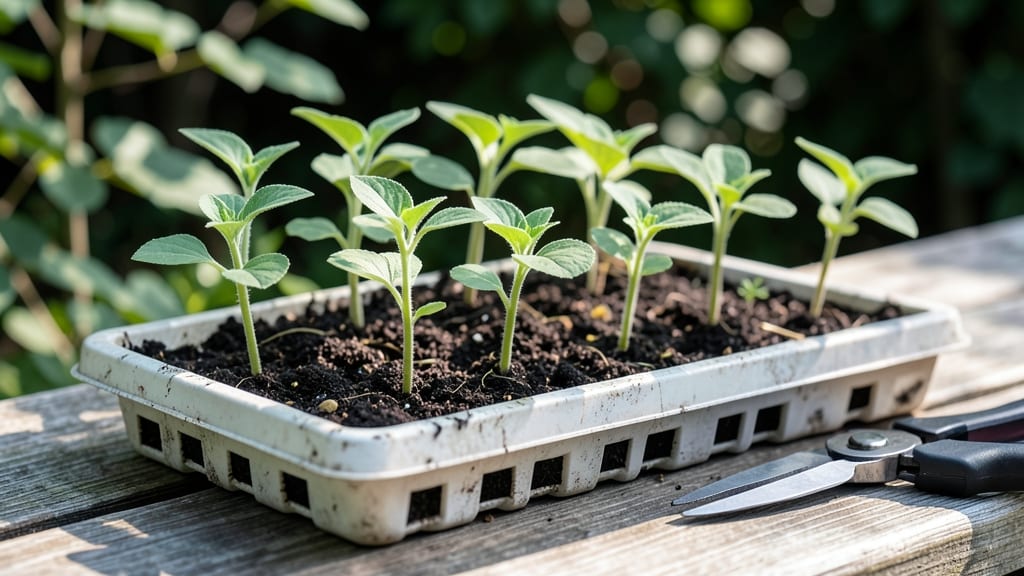
Transplanting sunflower seedlings the right way turns fragile little stems into towering giants that reach for the sky. 🌻 The key isn't just moving them—it's preparing the soil, timing the transplant just right, and handling those delicate roots with care to avoid shock.
My first attempt left seedlings wilted and stunted, but once I learned these simple steps, my sunflowers grew 12 feet tall in a single season.
Start by choosing a sunny spot with well-draining soil and spacing seedlings 12-18 inches apart—this prevents overcrowding and gives each plant room to develop strong stems.
Use a small shovel to dig holes slightly deeper than the seedling pots, then gently loosen the roots before placing them in the ground. Water thoroughly after transplanting to help the soil settle around the roots and reduce stress.
📚 In This Guide
- What you need
- Instructions
- Tips and common mistakes
- Wrapping up and next steps
What you need
- ● Sunflower seedlings: 3–6 weeks old, with at least 2–4 true leaves (hardy enough to handle transplanting).
- ● Garden soil: Well-draining, enriched with compost (mix in 2–3 inches of organic matter like aged manure or composted leaves).
- ● Transplanting tools: Hand trowel or small garden spade (for digging holes)
- ● Watering can or hose with a gentle spray nozzle
- ○ Support structures (optional but recommended): Sturdy stakes (1–2 feet tall) or bamboo poles
- ● Soft plant ties or old fabric strips (to secure seedlings)
- ● Mulch: Straw, wood chips, or shredded leaves (to retain moisture and suppress weeds).
- ● Fertilizer: Balanced, slow-release granular fertilizer (5-10-5 or 10-10-10 ratio) or compost tea for a nutrient boost.
- ● Shade cloth: Lightweight fabric (30–50% shade) to protect seedlings from harsh afternoon sun for the first few days.
- ● Pruning shears: For trimming any damaged leaves or stems during transplanting.
Step-by-step instructions for transplanting sunflower seedlings
Here's the foolproof method I've used to grow sunflowers that reach their full height potential.
🌱 Step 1: Choose the Right Time and Location
Transplant sunflower seedlings when they've developed their first true leaves and the soil temperature has warmed to at least 60°F. This usually occurs about 2-3 weeks after sowing indoors or when seedlings are 4-6 inches tall if started outside. Sunflowers thrive in full sun—select a location that receives at least 8 hours of direct sunlight daily.
I always check the soil temperature with a thermometer before transplanting. If it's cooler than 60°F, wait a few more days. Cold soil slows root development, and sunflowers need all the energy they can get to grow those towering stems. The reason we wait for true leaves is that these are the first sign the plant has enough energy reserves to handle the stress of moving.
🪴 Step 2: Prepare the New Planting Site
Dig holes that are just as deep as the seedlings' current containers and about 2-3 times wider than the root ball. Space the holes 12-18 inches apart for standard varieties, giving them room to grow without competing for nutrients. Sunflowers have deep taproots, so don't disturb the roots more than necessary when removing seedlings from their containers.
I like to loosen the soil around each hole with a garden fork, breaking up any compacted layers. Mix in a handful of compost or well-rotted manure into the bottom of each hole to give the seedlings a nutrient boost. This helps them establish quickly and reduces transplant shock. Water the holes thoroughly before planting so the soil is moist but not soggy.
⏰ Step 3: Handle Seedlings Gently and Plant Deeply
Remove seedlings from their containers carefully, holding the base of the stem rather than the leaves to avoid damage. If the roots are circling the container, gently tease them apart with your fingers. Place each seedling in its hole, ensuring the top of the root ball sits just below the soil surface. Sunflowers can handle being planted a bit deeper than they were growing—this encourages stronger stems.
Fill the hole with soil, pressing lightly around the base to eliminate air pockets. Water the seedlings deeply right after planting to help settle the soil and encourage root contact. Here's the thing—sunflowers are tough, but they still need consistent moisture during their first week in the ground. You'll see new leaves emerging within a few days if everything is going well.
☀️ Step 4: Provide Support and Monitor Growth
Stake tall varieties immediately after transplanting to prevent them from toppling in wind or rain. Use 6-foot stakes for standard sunflowers and tie the main stem loosely to the stake with soft plant ties. This gives the plant support as it grows without restricting its movement. Watch for signs of stress like yellowing leaves or wilting—these are your cues to adjust watering or provide extra shade if needed.
Sunflowers grow fast, so I check them every few days during their first month. If the soil feels dry to the touch 1 inch below the surface, water deeply at the base of the plant. Avoid wetting the leaves to prevent fungal diseases. Within 2-3 weeks, you'll see rapid growth as the seedlings establish their root systems and start reaching for the sun.
Tips & tricks for thriving sunflower seedlings
These simple tricks will help your sunflowers grow strong and tall from the very first transplant.
Soil Temperature Check: That 60°F minimum soil temperature is non-negotiable for sunflowers. I always test with a soil thermometer—if it's cooler, wait a few days. Cold soil stresses seedlings by slowing root growth, which is exactly what you don't want when they're already dealing with transplant shock. The first true leaves signal they're ready, but the soil must cooperate too.
Root Ball Protection: When removing seedlings from their containers, I always hold them by the base of the stem, never the leaves. This prevents damage that could invite disease. If roots are circling the container, gently tease them apart with your fingers—no need to force them, just encourage them to spread naturally. Planting them slightly deeper than their original depth helps strengthen those stems for the towering growth ahead.
Support System: Those 6-foot stakes aren't just for show—they're essential for tall varieties. I tie the main stem loosely to the stake using soft plant ties, giving the plant support without restricting its growth. This prevents toppling in wind or rain, which can uproot young seedlings. Check the ties every few weeks as the plant grows to ensure they're not cutting into the stem.
Watering Wisdom: After transplanting, water deeply at the base of each plant to settle the soil and encourage root contact. During the first week, keep the soil consistently moist but not soggy—sunflowers need that moisture to establish their root systems. I check soil moisture by feeling 1 inch below the surface; if it's dry, it's time to water. Avoid wetting the leaves to prevent fungal diseases that can set in during this vulnerable stage.
Pro Tips for Transplant Sunflower Seedlings
- These simple tricks will help your sunflowers grow strong and tall from the very first transplant.
- Soil Temperature Check: That 60°F minimum soil temperature is non-negotiable for sunflowers.
- Root Ball Protection: When removing seedlings from their containers, I always hold them by the base of the stem, never the leaves.
Frequently asked questions
Got questions about transplanting sunflower seedlings? You’re not alone! Here are some of the most common concerns—and their stress-free solutions.
When is the best time to transplant sunflower seedlings?
Transplant your seedlings after the last frost when soil temperatures reach at least 50°F (10°C). Aim for early morning or late afternoon to avoid midday heat stress. If seedlings are 3–4 inches tall, they’re ready—just be gentle to avoid damaging delicate stems!
How long does it take sunflowers to recover after transplanting?
Sunflowers are resilient! With proper care (watering, shade for a few days), they’ll bounce back in 1–2 weeks. Watch for wilting—if it persists beyond a week, check for root damage or pests. Keep soil moist but not soggy to speed up recovery.
Can I transplant sunflowers that are too tall?
Yes, but taller seedlings (over 6 inches) need extra support. Bury them deeper to stabilize stems or use stakes. Avoid transplanting in extreme heat—opt for cooler days. If roots are tangled, gently tease them apart to encourage faster establishment.
How often should I water sunflowers after transplanting?
Water deeply every 2–3 days for the first 2 weeks, keeping soil 1–2 inches moist. After that, reduce to weekly waterings unless your area is very dry. Overwatering can cause root rot, so let the topsoil dry slightly between waterings.
What if my transplanted sunflowers aren’t growing straight?
Sunflowers lean toward the sun—it’s normal! If stems bend severely, stake them early or replant in a sunnier spot. Avoid overcrowding (space seedlings 12–18 inches apart). If growth stalls, check for pests like aphids or nutrient deficiencies (add compost if needed).
Wrapping up and next steps
Transplanting sunflower seedlings doesn’t have to be a nerve-wracking task—with the right timing, tools, and care, you’ll soon be watching those towering stems reach for the sky! 🌻 The key is gentle handling, proper spacing, and a nurturing environment to help them thrive.
Now that you’re armed with these stress-free techniques, it’s time to roll up your sleeves and give your sunflowers the best possible start.
Ready to see those vibrant blooms in full glory? Your next step: Mark your calendar for the ideal transplanting window (based on your climate) and gather your supplies. Then, dig in—literally—and enjoy the rewarding process of growing sunflowers from seedling to sun-soaked stunner!