
Flowers
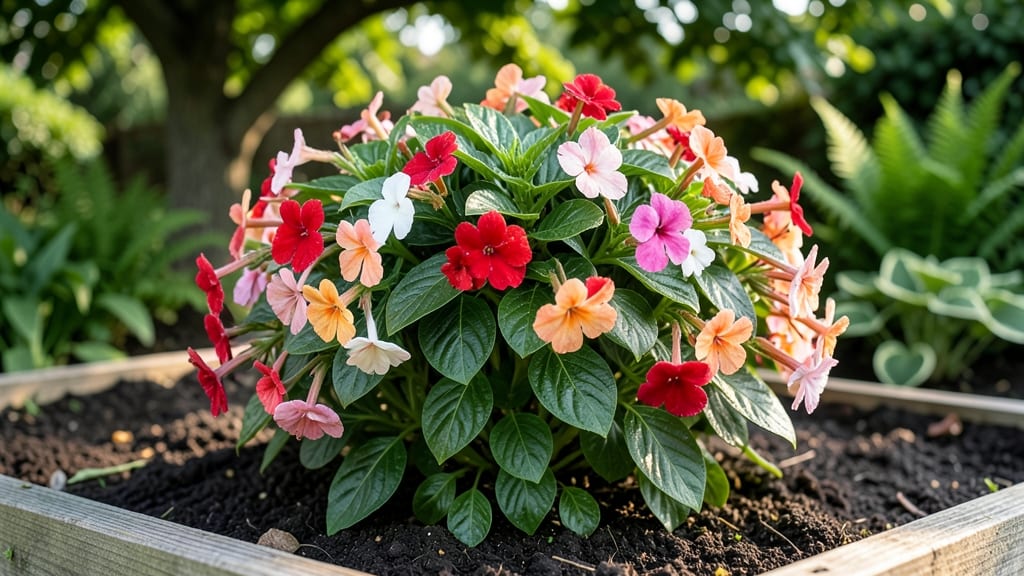
Impatiens flowers bring that instant summer vibe—vibrant blooms that spill over containers like confetti. 🌸 I’ll never forget the first time I saw them transform a shady patio corner into a lush, colorful retreat. The secret? They thrive where most flowers won’t, turning problem spots into showstoppers.
You’ll need well-draining soil, consistent moisture, and partial shade (they hate scorching sun). Start with healthy seedlings from a nursery, and within 4-6 weeks, you’ll have nonstop blooms from early summer until frost. The key is keeping them happy without fuss—no deadheading needed, just water and love.
Imagine your balcony or garden bed bursting with reds, pinks, and purples that last all season. These flowers are the ultimate low-maintenance star, perfect for containers, hanging baskets, or tucked into garden beds. They’ll outshine anything else in shady spots.
Works in pots, window boxes, or garden beds—just give them room to spread. Once you try them, you’ll wonder how you ever lived without this foolproof shade-loving powerhouse. Let’s get those colors growing!
📚 In This Guide
- What you need
- Instructions
- Tips and common mistakes
- Wrapping up and next steps
What you need
- ● Impatiens seeds or seedlings: Choose disease-resistant varieties like Impatiens walleriana (New Guinea impatiens for heat tolerance). Start with 4-6 plants per square foot for a lush look.
- ● Well-draining potting mix: A high-quality blend with peat moss or coconut coir (e.g., 60% potting soil, 30% perlite, 10% compost). 10-15 lbs per 5-gallon container.
- ● Containers (if not planting in beds): Hang baskets (12-18" diameter) for trailing varieties.
- ● Window boxes or 5-7 gallon pots for upright types.
- ● Drainage holes are a must—no exceptions!
- ● Slow-release fertilizer: A 14-14-14 or 10-10-10 blend (1 tbsp per gallon of soil). Pro tip: Mix in at planting for a 3-month nutrient boost!
- ● Gloves (gardening or nitrile) to protect hands from soil and sap.
- ● Trowel or small shovel for transplanting seedlings.
- ● Misting bottle or spray nozzle (for seed-starting or humidity control).
- ● Pruning shears (for deadheading or shaping plants).
- ○ Shade cloth (optional): 30-50% shade fabric to protect seedlings from harsh sun.
- ○ Mulch (optional): 1-2 inches of pine bark or straw to retain moisture.
- ● Partial to full shade: Impatiens thrive in 4-6 hours of morning sun (avoid scorching afternoon rays).
- ● Consistent moisture: Keep soil evenly damp (not soggy). Drought stress = droopy flowers!
- ● Humidity: Ideal for 60-70% humidity. Group plants or use a humidity tray in dry climates.
Step-by-Step guide to growing vibrant impatiens
Here's how to cultivate those lush, shade-loving blooms that transform any space into a burst of color.
🌱 Step 1: Choose the Perfect Planting Location
Impatiens thrive in partial to full shade, making them ideal for under trees or north-facing garden beds. I always test the spot first by placing a white piece of paper in the shade for an hour—if it stays mostly white, it’s perfect. Too much direct sun scorches their delicate petals, while too little light results in sparse blooms.
For containers, select spots that receive 3-6 hours of morning sun at most. If growing in beds, avoid areas where afternoon rays hit directly. The key is keeping foliage cool and preventing wilting. I’ve found that east-facing windowsills or patios work beautifully for container-grown impatiens.
🪴 Step 2: Prepare Well-Draining Soil and Containers
Impatiens hate soggy roots, so I mix 2 parts potting soil with 1 part perlite or vermiculite to improve drainage. For containers, ensure they have drainage holes—waterlogged soil is their biggest enemy. I use 6-8 inch pots for each plant, as they need room to spread but not too much excess soil.
If planting in beds, amend the soil with 2-3 inches of compost before transplanting. Work it into the top 6 inches of soil to create a loose, airy medium. A quick soil test for pH (aim for 6.0-6.5) ensures nutrients are available. I’ve seen impatiens struggle in heavy clay—amending with organic matter makes all the difference.
☀️ Step 3: Plant and Water for Immediate Establishment
Dig a hole twice as wide as the root ball but only as deep as the container it came in. Gently remove the plant, tease the roots if they’re circling, and place it in the hole. Fill around the roots with soil, pressing lightly to eliminate air pockets. Water deeply right after planting—this settles the soil and removes any air gaps.
For the first 7-10 days, keep the soil consistently moist but not waterlogged. I water in the morning so foliage dries by evening, reducing fungal risks. Avoid overhead watering once established—direct streams can damage petals. Instead, water at the base or use a drip irrigation system for even moisture.
✂️ Step 4: Fertilize and Prune for Continuous Blooms
Feed impatiens every 2-3 weeks with a balanced, water-soluble fertilizer (10-10-10 or similar) diluted to half strength. Over-fertilizing leads to lush foliage but fewer flowers—I’ve learned that lesson the hard way! Stop fertilizing in late summer to encourage blooms rather than new growth.
Deadhead spent blooms weekly to encourage more flowers. Pinch back leggy stems to promote bushier growth. I also trim any yellowing or damaged leaves to keep the plant healthy. Pruning isn’t just about looks—it redirects energy to new blooms and prevents disease.
🌿 Step 5: Monitor for Pests and Adjust Care Seasonally
Impatiens attract aphids and spider mites, especially in dry conditions. I treat infestations with neem oil or insecticidal soap, applying in the early morning when pests are active. For prevention, I mist foliage lightly on hot days to deter mites. Avoid chemical pesticides—they can harm beneficial insects and leave residue on petals.
As temperatures drop below 50°F, impatiens slow their growth. Reduce watering slightly but keep soil moist. In frost-prone areas, bring container-grown plants indoors before the first freeze. I’ve kept mine alive through winter by moving them to a bright, cool spot and watering sparingly until spring.
Tips & tricks for perfect impatiens growth
Common pitfalls—and how to sidestep every one when cultivating these shade-loving beauties.
Lighting Strategy: The 3-6 hours of morning sun mentioned in Step 1 is non-negotiable for container-grown impatiens. I've found that placing them on east-facing porches or windowsills gives them just enough light without scorching. For bed plantings, use the white paper test daily during peak sun hours—if it stays mostly white, you're golden. Too much afternoon sun will bleach those vibrant petals within weeks.
Soil Science: That 2:1 ratio of potting soil to perlite/vermiculite in Step 2 isn't just about drainage—it's about oxygen. Impatiens roots need both moisture and air to thrive. I always add a handful of worm castings to my mix for extra microbial activity, which helps break down nutrients faster. For beds, that 6-inch compost amendment creates a perfect root zone where water can penetrate without pooling.
Watering Wisdom: The critical 7-10 day establishment period in Step 3 requires morning watering to prevent fungal issues, but don't overdo it. I use the "finger test" method: stick your index finger 1-2 inches into the soil—if it feels dry at that depth, water. Overhead watering can damage petals, so I've switched to drip irrigation systems for my container gardens, which delivers water right at the soil level while keeping foliage dry.
Fertilizer Timing: The 2-3 week feeding schedule in Step 4 works wonders, but timing matters. I've learned that applying fertilizer right after watering prevents root burn. For containers, I use a slow-release fertilizer pellet instead of liquid to maintain consistent nutrition without risking overfeeding. And that late-summer feeding pause? It's when I see the biggest bloom surge in my own plants.
Pro Tips for Impatiens Flowers
- Common pitfalls—and how to sidestep every one when cultivating these shade-loving beauties.
- Lighting Strategy: The 3-6 hours of morning sun mentioned in Step 1 is non-negotiable for container-grown impatiens.
- Soil Science: That 2:1 ratio of potting soil to perlite/vermiculite in Step 2 isn't just about drainage—it's about oxygen.
Frequently asked questions
Got questions about growing impatiens? You’re not alone!
Here are some of the most common concerns—plus quick, practical answers to help you cultivate a showstopping display with ease.
How do I keep my impatiens blooming all season long?
Impatiens thrive on consistent moisture and regular deadheading (snip spent blooms!). Feed them with a balanced, water-soluble fertilizer every 2–3 weeks during active growth. Avoid overcrowding—space plants 6–12 inches apart for better airflow and fewer pests. Pro tip: Mulch around the base to retain moisture and deter weeds!
When is the best time to plant impatiens?
Impatiens are tender perennials—they can’t handle frost! Plant them after the last frost date in your area (typically late spring). For containers or hanging baskets, start seeds indoors 6–8 weeks before transplanting, or buy young plants from nurseries. Bonus: They grow fast, so you’ll see color in just a few weeks!
Why are my impatiens leaves turning yellow or falling off?
Yellow leaves usually signal overwatering or poor drainage. Let the top inch of soil dry out between waterings, and ensure pots/containers have drainage holes. If leaves wilt or drop, check for powdery mildew (white fuzzy spots) or aphids—spray with neem oil or insecticidal soap. Quick fix: Trim affected leaves to encourage new growth!
Can I grow impatiens in full sun, or do they need shade?
Impatiens love shade to partial sun—they’ll scorch in hot, direct sunlight! Ideal spots include dappled shade (like under trees) or morning sun with afternoon shade. In hot climates, even east-facing windows or filtered light works. Varieties like ‘Super Elfin’ or ‘Diamond Falls’ are great for low-light areas!
What are some low-maintenance alternatives to impatiens?
If impatiens seem too fussy, try these easy-care shade lovers:
- Begonias – Thrives in humidity, blooms nonstop.
- Fuchsias – Drought-tolerant once established, great for hanging baskets.
- Lobelia – Compact, spill-over habit, loves moisture.
- Coleus – Stunning foliage, zero fuss.
Wrapping up and next steps
Growing impatiens flowers is a rewarding way to add vibrant color to your garden with minimal effort! Their lush foliage and cheerful blooms thrive in containers or garden beds, making them perfect for beginners and seasoned gardeners alike.
Whether you’re drawn to their dainty petunias or bold hues, these plants promise a burst of joy with the right care.
Ready to transform your space? Start by picking your favorite varieties, gathering the essential supplies, and following the simple steps outlined above. Before you know it, you’ll be basking in a sea of color—and maybe even sharing cuttings with fellow plant lovers! 🌸