
Flowers
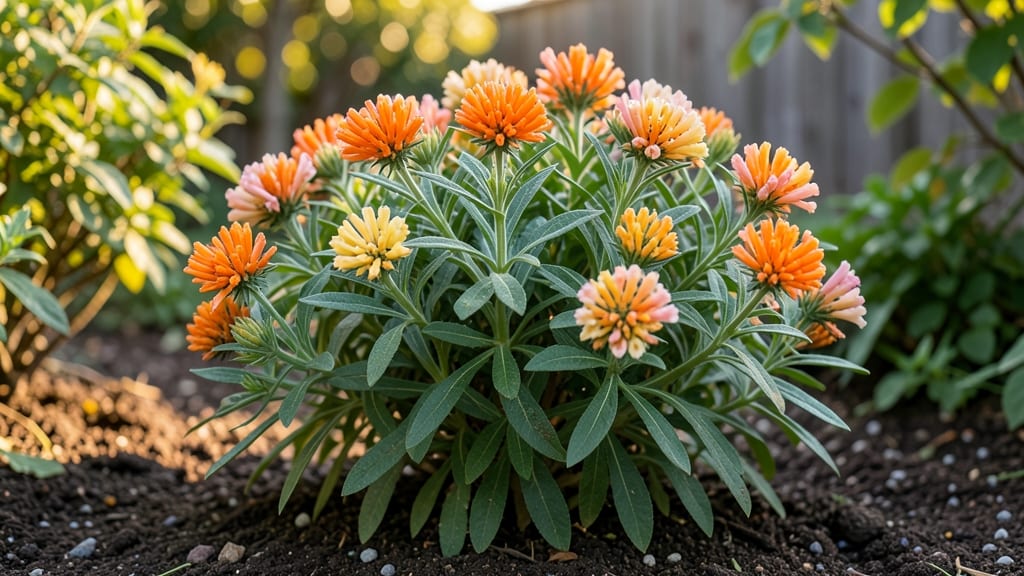
Lantana flowers care starts with understanding why they’re the ultimate low-maintenance star of any sunny border. 🌟 These drought-tolerant powerhouses reward you with clusters of vibrant blooms—yellow, orange, pink, or purple—year after year with almost no fuss.
The secret lies in their love for heat, their ability to bounce back from neglect, and how they thrive when you let them do their own thing.
They demand full sun, 6+ hours daily, and surprisingly little water once established—just 1 inch per week during dry spells. Well-draining soil prevents the only real problem: soggy roots that lead to rot.
A light pruning in early spring keeps them bushy and flowering, but honestly? You could skip it entirely and still end up with a lush, blooming plant by summer.
What you’ll end up with is a near-indestructible plant that blooms continuously from spring until frost, attracts butterflies like crazy, and looks stunning in containers or garden beds. The flowers may drop petals, but the stems stay packed with new buds ready to open—nature’s built-in rebloom system.
Works equally well in hot climates, urban heat islands, or even coastal gardens where other plants struggle. Here’s how to keep yours looking its best with minimal effort—because sometimes, the best gardens are the ones that take care of themselves.
📚 In This Guide
- What you need
- Instructions
- Tips and common mistakes
- Wrapping up and next steps
What you need
- ● Lantana plants: 1–3 nursery-grown plants (choose Lantana camara or Lantana montevidensis for best results).
- ● OR seeds (if propagating from scratch—germination can be slow!).
- ● Well-draining soil: 5–10 gallons of cactus/succulent mix or sandy loam (lantanas hate soggy roots!).
- ○ Optional: Perlite or coarse sand (1 part per 3 parts soil) for extra drainage.
- ● Containers or garden bed: For potted lantanas: 1–2 gallon containers with drainage holes (1 plant per pot).
- ● For in-ground planting: Full sun spot (6+ hours daily) with loose, rocky soil.
- ● Basic tools: 1 pair of sterilized pruning shears (for shaping and propagation).
- ● 1 gardening trowel (for transplanting).
- ● 1 watering can or hose with a gentle spray nozzle (lantanas prefer infrequent, deep watering).
- ● Fertilizer: Balanced 10-10-10 or slow-release granules (apply once every 2 months in growing season).
- ● Mulch: Gravel or pebbles (to retain moisture and deter weeds—lantanas love heat!).
- ● Pest control: Neem oil or insecticidal soap (for aphids or whiteflies).
- ● Stakes or trellis: If growing Lantana montevidensis (trailing varieties may need support).
Step-by-Step instructions for lantana flowers care
Here’s how to coax vibrant blooms from your lantana with simple, low-effort techniques!
🌱 Step 1: Plant in Full Sun and Well-Draining Soil
Lantana craves 6-8 hours of direct sunlight daily—no compromise here. If your spot gets afternoon shade, the plant will stretch and produce fewer flowers. I’ve seen lantana thrive in full sun even in 100°F+ heat, but it wilts fast in shade.
Use the well-draining soil you’ve prepared—lantana roots rot easily if water pools. Mix in a handful of coarse sand or perlite if your native soil feels heavy. The key is soil that dries out between waterings. Stick your finger in after watering: if moisture lingers past 2 inches deep, amend the mix.
☀️ Step 2: Water Deeply but Infrequently
This is where lantana’s drought-proof reputation shines. Water once a week in summer (or every 10-14 days in winter) until water runs freely from the drainage holes. The plant’s thick leaves store moisture like a sponge—overwatering causes more harm than drought.
Check the soil by lifting a pot or probing with your finger. If the top 1-2 inches feel dry, it’s time to water. Yellowing leaves? You’re likely overdoing it. Lantana’s deep roots will seek moisture—never let it sit in saucers of standing water.
✂️ Step 3: Prune to Encourage Bushier Growth
Minimal pruning is all it takes. Pinch back leggy stems by ⅓ their length in early spring to promote branching. This is the secret to that lush, multi-stemmed look. I always use clean, sharp shears—dull blades crush stems and invite disease.
Deadhead spent blooms if you want nonstop flowers, but lantana’s clusters often drop on their own. For shaped shrubs, trim after flowering to maintain your desired height. Never prune into old wood—lantana blooms on new growth, so cutting back too hard removes next year’s flowers.
🌿 Step 4: Fertilize Lightly for Long-Lasting Blooms
Feed lantana with a balanced, slow-release fertilizer (10-10-10) in spring, then again in midsummer. Too much nitrogen makes leaves at the expense of flowers. I swear by a half-strength dose—lantana’s native to nutrient-poor soils and won’t beg for more.
Watch for signs of over-fertilizing: dark green, rubbery leaves or rapid, unchecked growth. If this happens, flush the soil with water to leach excess salts. Mulch lightly with 1-2 inches of organic mulch to retain moisture without smothering roots.
Tips & tricks for perfect lantana flowers care
Here’s how to turn that thriving lantana into a nonstop blooming powerhouse with minimal fuss!
Sunlight Secret: If you notice your lantana stretching toward light or producing fewer flowers, it’s begging for more sun. The 6-8 hours of direct sunlight is non-negotiable—even in extreme heat up to 100°F. Place it where it gets morning sun and afternoon shade if your area hits triple digits regularly. I’ve seen lantana wilt dramatically after just a few hours of shade, but it bounces back within days when returned to full sun.
Soil Test Trick: Before planting, do this quick test: grab a handful of your native soil and squeeze it tightly. If it forms a solid clump that doesn’t crumble easily, mix in coarse sand or perlite (about 20% of the total mix). The goal is soil that falls apart when dry—lantana roots need to breathe! I’ve rescued many a struggling lantana by amending heavy clay soil, and the difference in growth is night and day. Remember, those roots need to dry out between waterings.
Pruning Pro Tip: When you’re pinching back those leggy stems by ⅓ their length in Step 3, focus on the top third of the plant. This encourages branching lower down where sunlight might get blocked. I always make clean cuts at a 45-degree angle just above a leaf node—this prevents water from pooling and causing rot. For shaped shrubs, trim after flowering to maintain your desired height, but never cut into old wood unless you want to sacrifice next year’s blooms!
Fertilizer Finesse: That half-strength dose of 10-10-10 fertilizer is crucial—lantana’s native to nutrient-poor soils and won’t tolerate excess. I’ve learned the hard way that over-fertilizing leads to lush leaves but sparse flowers. If you notice dark green, rubbery leaves or rapid growth, flush the soil with water immediately to leach out excess salts. A light mulch of 1-2 inches helps retain moisture without smothering those critical roots.
Pro Tips for Lantana Flowers Care
- Here’s how to turn that thriving lantana into a nonstop blooming powerhouse with minimal fuss!
- Sunlight Secret: If you notice your lantana stretching toward light or producing fewer flowers, it’s begging for more sun.
- Soil Test Trick: Before planting, do this quick test: grab a handful of your native soil and squeeze it tightly.
Frequently asked questions
Got questions about keeping your lantana flowers happy and thriving? You’re not alone! Here are some of the most common concerns—plus straightforward answers to help you avoid stress and keep those vibrant blooms coming.
How often should I water lantana flowers?
Lantana is drought-tolerant once established—water deeply once a week during dry spells, but reduce to every 2-3 weeks in cooler months. Overwatering causes root rot, so let the soil dry out between waterings. Stick your finger 1-2 inches into the soil; if it’s dry, it’s time to water!
Do I need to prune lantana flowers regularly?
Pruning keeps lantana compact and bushy—trim back leggy stems after blooming or in early spring to encourage new growth. Deadhead spent flowers to promote continuous blooms. Use clean, sharp shears and avoid cutting more than 1/3 of the plant at once to prevent shock.
Are lantana flowers toxic to pets or kids?
Yes! Lantana contains toxic compounds that can cause vomiting, diarrhea, or skin irritation if ingested. Keep plants out of reach of curious pets or children. Opt for pet-safe alternatives like pentas or gazania if safety is a concern.
Can lantana grow in full shade?
Lantana thrives in full sun (6+ hours daily) but can tolerate partial shade (4-6 hours). In shadier spots, expect fewer blooms and slower growth. If shading is unavoidable, choose a variegated variety for better adaptability.
What pests commonly attack lantana flowers?
Watch for aphids, whiteflies, or spider mites, which thrive in dry conditions. Blasts of water or neem oil can treat mild infestations. For severe cases, use insecticidal soap. Encourage ladybugs—they’re natural pest predators!
Wrapping up and next steps
Caring for lantana flowers is a breeze—whether you’re a seasoned gardener or just starting out! With their stunning blooms and drought-resistant nature, these plants reward you with vibrant color while asking for little in return.
All you need is a sunny spot, well-draining soil, and occasional pruning to keep them thriving.
Ready to transform your garden? Grab your shears, pick a sunny patch, and let these hardy beauties dazzle you year after year! 🌸✨ Next up: Plant your first lantana and watch your outdoor space come alive!