
Flowers
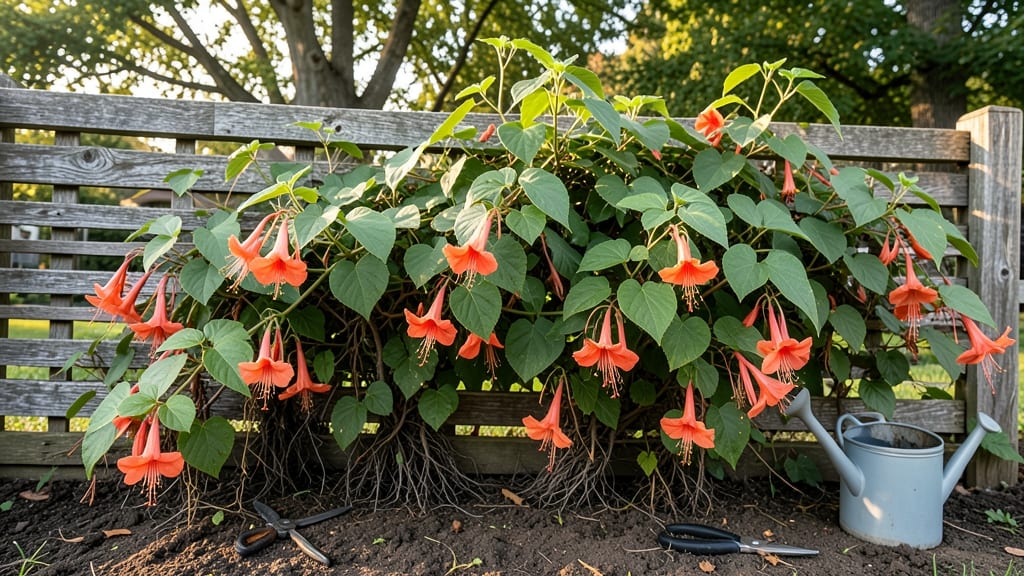
Caring for trumpet flowers means turning a few simple steps into vibrant, low-maintenance vines that climb and bloom like they’ve been there for years. 🌿 I learned the hard way that these plants thrive when you match their love of sun and heat with just enough water—not too much, not too little.
The key is understanding their natural habits: they’re tough, fast-growing climbers that reward patience with trumpet-shaped blooms in shades of orange, yellow, or pink.
You’ll need a sunny spot with at least 6 hours of direct light daily, well-draining soil (they hate soggy roots), and a sturdy trellis or fence to climb.
Watering is easy once you get the rhythm: deep soaks once a week in dry spells, then let the soil dry slightly between waterings. Overwatering is the #1 way to kill them, but they’ll bounce back if you catch it early. Fertilizer?
A balanced 10-10-10 in spring and summer keeps them happy without fuss.
Pruning is where the magic happens—cut back dead blooms and leggy growth in early spring to encourage dense, bushier vines and more flowers. By mid-summer, you’ll have a lush, blooming wall that hummingbirds can’t resist.
The best part? These plants handle heat and drought better than most, so they’re perfect for hot climates or busy gardeners who want color without constant attention.
Troubleshooting is simple: yellow leaves mean overwatering, while sparse blooms usually mean too much shade or not enough fertilizer. A quick trim and adjustment is all it takes.
Once established, trumpet flowers are nearly indestructible—just give them sun, space, and occasional pruning, and they’ll reward you with years of effortless beauty.
📚 In This Guide
- What you need
- Instructions
- Tips and common mistakes
- Wrapping up and next steps
What you need
- ● Seeds or nursery plants: Trumpet flower seeds (or young plants if you prefer a head start). Quantity: 10–20 seeds or 3–5 plants for a small garden bed.
- ● Well-draining potting mix: A high-quality seed-starting mix (for seeds) or garden soil amended with compost (for outdoor planting). Quantity: 1–2 bags (5–10 cubic feet).
- ● Containers (if starting indoors): Seed trays or small pots (3–4 inches deep) with drainage holes.
- ● Quantity: 1 tray or 5–10 small pots.
- ● Garden bed or large container (for mature plants): Minimum 12–18 inches of depth and 12+ inches of width per plant (they spread!).
- ○ Optional: Raised beds or fabric pots for better drainage.
- ● Watering can or hose with a gentle spray nozzle: Trumpet flowers hate soggy roots!
- ○ Fertilizer (optional but helpful): Balanced 10-10-10 or 5-10-10 granular fertilizer for planting.
- ● Slow-release rose/flower fertilizer (for ongoing growth).
- ● Pruners or clean scissors: For trimming dead blooms or shaping vines.
- ● Garden gloves: Protect your hands from prickly stems (especially if trellising!).
- ○ Trellis, obelisk, or stakes (optional but fun!): Trumpet flowers climb—give them support for a vertical garden vibe!
- ● Sunlight: Full sun (6+ hours daily) for best blooms. Partial shade (4–6 hours) works in hot climates.
- ● Hardiness zone: USDA Zones 3–9 (check your local zone here).
- ● Soil pH: Slightly acidic to neutral (6.0–7.0). Test your soil with a pH kit if unsure.
- ● Patience: Seeds take 10–14 days to germinate; plants may take 1–2 years to fully mature.
Step-by-step guide for growing lush trumpet flower vines
Here's how to coax those dramatic blooms with confidence—no green thumb required.
🌱 Step 1: Choose the Perfect Planting Spot
Trumpet flowers (Campsis radicans) thrive where they get full sun to partial shade—at least 6 hours of direct sunlight daily. I always pick a spot with morning sun and afternoon shade in hot climates, as the leaves can scorch if baked all day. Look for a location where the vine can climb naturally, like a sturdy trellis, fence, or pergola.
Check the soil drainage first—these vines hate soggy roots. Dig a hole twice as wide as the root ball but only as deep. If your soil drains poorly, mix in 2 inches of coarse sand or perlite at the bottom of the hole. The ideal pH range is 6.0 to 7.5, so a quick soil test kit helps avoid guesswork.
🪴 Step 2: Plant With Proper Spacing and Support
Dig the hole and gently remove the plant from its container, loosening any circling roots with your fingers. Place it in the hole so the top of the root ball sits 1 inch below soil level—this prevents stem rot from settling soil. Backfill with native soil, pressing lightly to eliminate air pockets but not compacting too tightly.
Water deeply right after planting to settle the soil and encourage root spread. Trumpet flowers need strong support from day one, so install your trellis or climbing structure immediately. I use metal or wooden lattice panels because they last years and won’t rot. Space plants 10 to 15 feet apart—they spread aggressively and need room to climb without crowding.
☀️ Step 3: Water and Fertilize for Vibrant Growth
Water newly planted trumpet flowers once a week for the first month, ensuring the soil stays moist but not waterlogged. Once established, they’re drought-tolerant but bloom best with deep watering every 10 to 14 days. You’ll know it’s time to water when the top 2 inches of soil feel dry—stick your finger in to check.
Feed your trumpet flowers once in early spring with a balanced, slow-release fertilizer (10-10-10 ratio). Avoid high-nitrogen fertilizers—they encourage leafy growth at the expense of those showstopping trumpet-shaped blooms. I also top-dress with 2 inches of compost in spring to improve soil fertility naturally.
✂️ Step 4: Prune for Health and More Blooms
Prune trumpet flowers in late winter or early spring before new growth begins. Remove any dead, damaged, or crossing branches first—this improves air circulation and prevents disease. Then, cut back one-third of the previous year’s growth to encourage bushier, more vigorous new shoots.
Here’s the thing—trumpet flowers bloom on new wood, so don’t prune after flowering unless you want to remove spent blooms for aesthetics. If you prune too late in the season, you might sacrifice next year’s flowers. Watch for suckers at the base—remove them promptly to redirect energy into the main vine.
🌿 Step 5: Protect and Maintain Through Seasons
Trumpet flowers are hardy in USDA zones 4 to 9, but young plants may need winter protection in colder zones. Wrap the base with burlap or mulch to insulate roots, and prune back any damaged stems in early spring. In warmer zones, they’re evergreen, but a light pruning in late winter keeps them tidy.
Watch for aphids or spider mites—common pests that suck sap from leaves. Blast them off with a strong stream of water or treat with neem oil if they persist. Deadhead spent blooms in late summer to encourage a second flush of flowers, though trumpet flowers often bloom prolifically without intervention.
Tips & tricks for thriving trumpet flower vines
These simple strategies will help you nurture healthy trumpet flowers with less effort and more stunning blooms.
Sunlight Strategy: While trumpet flowers need at least 6 hours of sunlight daily, I've found that morning sun paired with afternoon shade in hot climates prevents leaf scorch while still delivering vibrant blooms. If your location gets intense afternoon sun, consider using a sheer curtain for temporary shade during peak hours—this mimics their natural forest edge habitat. The key is balancing light exposure to maintain lush foliage without stressing the plant.
Soil Preparation Hack: When amending heavy clay soil, I recommend mixing in 2 inches of coarse sand or perlite at the bottom of the planting hole—this creates instant drainage channels that prevent waterlogging. For sandy soils, add 2 inches of compost instead to improve moisture retention. The goal is to mimic the well-draining, slightly fertile conditions trumpet flowers prefer in their native woodlands.
Watering Wisdom: The finger-in-the-soil test is your best friend here. For newly planted vines, I check moisture at the 2-inch depth daily during the first month—watering when it feels dry to the touch. Once established, I water deeply every 10-14 days during dry spells, allowing the soil to dry slightly between waterings. This encourages deep root growth that makes trumpet flowers remarkably drought-tolerant once established.
Pruning Precision: When cutting back one-third of last year's growth in late winter, I always make my cuts just above a leaf node or outward-facing bud. This creates better branching patterns and more flower production. For established vines, I use sharp pruners and make clean cuts at a 45-degree angle to minimize damage. Remember—trumpet flowers bloom on new wood, so timing is everything to ensure next year's spectacular display.
Pro Tips for Trumpet Flower Care
- These simple strategies will help you nurture healthy trumpet flowers with less effort and more stunning blooms.
- Sunlight Strategy: While trumpet flowers need at least 6 hours of sunlight daily, I've found that morning sun paired with afternoon shade in hot climates prevents leaf scorch while still delivering vibrant blooms.
- Soil Preparation Hack: When amending heavy clay soil, I recommend mixing in 2 inches of coarse sand or perlite at the bottom of the planting hole—this creates instant drainage channels that prevent waterlogging.
Frequently asked questions
Got questions about keeping your trumpet flowers (also called campsis radicans) happy and healthy? You’re not alone! Here are answers to the most common concerns—plus a few pro tips to keep those vibrant blooms coming.
How often should I water my trumpet flower?
Water your trumpet flower deeply 1-2 times per week during the first growing season to encourage strong root development. Once established, they’re drought-tolerant—water only when the top 2-3 inches of soil feel dry. Overwatering is the #1 killer! Mulch around the base to retain moisture and protect roots.
When is the best time to prune trumpet flowers?
Prune in late winter or early spring (before new growth starts) to shape the vine and remove dead wood. You can also trim lightly after flowering to encourage bushier growth. Never prune in fall—this can stimulate tender new growth that won’t survive winter.
Are trumpet flowers toxic to pets or humans?
Yes! All parts of the trumpet flower—leaves, flowers, and seeds—are toxic if ingested. They contain compounds that can cause vomiting, diarrhea, or weakness in pets (especially dogs and cats). Keep them out of reach if you have curious furry friends! ASPCA lists them as toxic.
Why aren’t my trumpet flowers blooming?
Blooms may skip a year if the plant is too young, over-fertilized, or stressed. Ensure it gets full sun (6+ hours/day) and well-draining soil. Prune aggressively in spring to encourage flowering. If the vine is healthy but still shy, try a balanced fertilizer in early spring.
Can trumpet flowers survive winter in cold climates?
Trumpet flowers are hardy to USDA Zones 4-9, but young plants need winter protection. In colder zones, mulch heavily (6+ inches) and wrap the base with burlap. Established vines often bounce back even after frost damage. Pro tip: Prune back dead stems in early spring to stimulate new growth!
What’s a good alternative if trumpet flowers are too aggressive?
If you love the look but want something less invasive, try:
- Clematis – Stunning blooms, easier to control.
- Honeysuckle – Fragrant, fast-growing, and slightly less aggressive.
- Passionflower – Unique flowers, great for trellises.
Wrapping up and next steps
Caring for trumpet flowers is a rewarding experience—these vibrant climbers thrive with just a little attention and the right conditions. Remember to plant them in well-draining soil, provide support for their vines, and keep them consistently moist (but not soggy).
With minimal effort, you’ll enjoy stunning blooms year after year!
Ready to transform your garden? Grab your trumpet flower seeds or cuttings today and get growing! Whether you’re a beginner or a seasoned gardener, these beauties are sure to bring color and joy to your outdoor space. 🌸✨