
Flowers
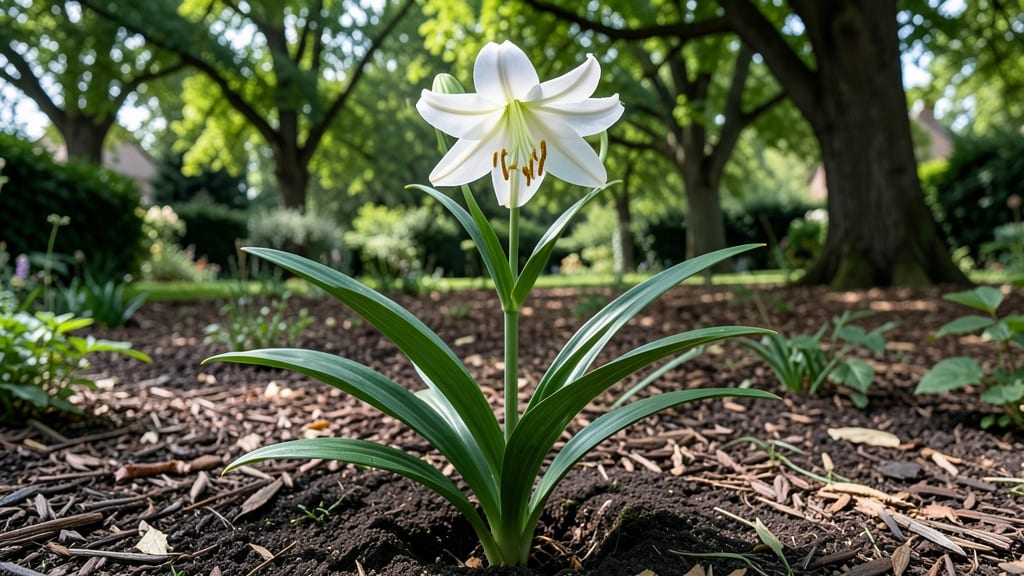
Large lily flowers turn any garden into a showstopper with their towering stems and bold, velvety blooms. 🌸 I still remember the first time I planted stargazer lilies—they shot up like fireworks, their deep purple petals catching the afternoon sun in a way that made my whole yard feel like a secret garden.
These dramatic plants aren’t just pretty; they command attention and add vertical drama to any space, whether you’re going for a wild cottage look or a structured perennial border.
The secret to their showstopping presence lies in their placement—give them 6 hours of sunlight and well-draining soil, and they’ll reward you with stems that reach 4 to 6 feet tall.
Pair them with shorter perennials like salvia or ornamental grasses to create height contrast, or tuck them behind shrubs to frame pathways. For containers, mix them with trailing plants like ferns or dusty miller to soften their bold structure.
The key is letting them shine while balancing their scale with complementary textures.
When planted in spring or early fall, large lilies deliver summer-long drama with minimal fuss. Their blooms attract hummingbirds and bees, adding movement to your garden while their fading foliage provides winter interest.
Whether you’re creating a mixed border, a cut-flower garden, or a dramatic focal point, these lilies deliver high-impact results with surprisingly little maintenance. The real magic happens when you let them take center stage—no other plant makes a statement quite like them.
For formal gardens, plant them in odd-numbered groups for symmetry; for informal spaces, let them wander naturally along fences or borders. Just be prepared for their aggressive spread—once they’re happy, they’ll multiply like they’re auditioning for a garden superstar role.
The payoff? A season of effortless elegance that turns heads every time someone walks by.
📚 In This Guide
- What you need
- Instructions
- Tips and common mistakes
- Wrapping up and next steps
What you need
- ● Lily bulbs: Choose tiger lilies, oriental lilies, or daylilies for large blooms (10–20 bulbs, depending on desired coverage). Opt for USDA Zone 3–10 hardy varieties if planting outdoors.
- ● Well-draining potting mix: 5–10 gallons (for containers) or amend garden soil with compost (30–50%) and perlite/vermiculite (20%) to prevent rot.
- ○ Containers (optional for pots): 12–18" diameter pots with drainage holes (or a raised bed for outdoor planting).
- ● Fertilizer: Balanced 10-10-10 or bulb-specific fertilizer (1 tbsp per plant at planting, then monthly during growth).
- ● Watering can or hose with gentle spray: Lilies hate soggy roots—aim for 1–1.5 inches of water weekly (adjust for climate).
- ● Pruners or sharp scissors: For trimming spent blooms and dividing bulbs.
- ● Garden gloves: Protect your hands from sharp bulb edges and soil.
- ○ Stakes or cages (optional for tall varieties): Supports for stems over 4–6 feet (e.g., Stargazer lilies).
- ● Mulch: Straw or wood chips (2–3 inches) to retain moisture and regulate soil temp.
- ● Epsom salt: 1 tbsp dissolved in water monthly for magnesium (boosts bloom size!).
- ● Slow-release fertilizer spikes: For hassle-free nutrient delivery.
- ● Pest control: Neem oil or insecticidal soap (prevents aphids/beetles).
- ● Garden journal: Track planting dates, watering, and bloom times for future success!
Step-by-step guide to growing towering lilies that steal the show
Here's how to coax those jaw-dropping blooms from sturdy stems—no gardening degree required.
🌱 Step 1: Choose Your Lily Variety and Planting Site
Lilies thrive in full sun (6+ hours daily) and well-draining soil. I always pick Asiatic lilies for their bold colors and Oriental lilies for their intoxicating fragrance—both reach 3-6 feet tall with proper care. Avoid soggy spots; lilies despise wet feet and will rot within days.
Test your soil's drainage by digging a 6-inch hole, filling it with water, and timing how long it takes to drain. If it holds water longer than 4 hours, amend with 2-3 inches of compost or plant in a raised bed. The right site means fewer stakes and happier plants.
☀️ Step 2: Plant Bulbs at the Right Depth and Spacing
Plant lily bulbs in early spring (after the last frost) or fall (6 weeks before first frost). Dig holes 3 times deeper than the bulb's height—so a 2-inch bulb needs a 6-inch hole. This prevents rotting and encourages strong root growth.
Space bulbs 12-18 inches apart for dramatic clumps. I like to plant in odd-numbered groups (3, 5, or 7 bulbs) for a natural, fuller look. Cover the bulbs with soil, leaving the tips exposed until shoots appear—this prevents smothering and speeds up emergence.
💧 Step 3: Water and Fertilize for Maximum Height
Water deeply once a week during the first growing season to establish roots. You'll know it's enough when water drains 6 inches below the surface. Overwatering is the #1 killer—yellow leaves mean you're drowning the bulbs.
Feed with a balanced fertilizer (10-10-10) when shoots reach 4 inches tall, then again when buds form. I swear by fish emulsion for that extra boost—just dilute it to half-strength to avoid burning tender foliage. Stop fertilizing once blooms open; the plant needs to store energy for next year.
✂️ Step 4: Support and Deadhead for Next Year’s Blooms
Tall lilies (especially Oriental varieties) need support. Install bamboo stakes or flower rings when stems reach 18 inches, tying gently with soft twine. Avoid tight knots—roots need room to breathe. Here's the thing: don’t cut back foliage until it yellows naturally. The leaves feed the bulb for next season’s blooms.
Once flowers fade, deadhead spent blooms by snipping stems 2 inches below the flower head. This redirects energy to bulb storage. If you see pests like lily beetles, handpick them early—one beetle can defoliate a plant in days. A neem oil spray keeps them away without harming pollinators.
⏰ Step 5: Prepare for Winter and Next Season’s Display
In fall, cut back foliage after it turns brown (usually 6-8 weeks after blooming). This signals the bulb to go dormant. Mulch with 2-3 inches of straw to insulate roots in cold climates. In mild zones, no mulch is needed—just let the soil protect the bulbs naturally.
Mark planting spots with stakes or flags so you don’t accidentally dig up bulbs in spring. Lilies multiply yearly—divide clumps every 3-4 years in early spring to prevent overcrowding. Lift bulbs, separate offsets, and replant for bigger, bolder blooms each season.
Tips & tricks for perfect large lily flower growth
Here's what nobody tells you about growing show-stopping lilies that'll make your garden the talk of the neighborhood.
The Drainage Test: That 4-hour drainage test isn't just a suggestion—it's your lily's lifeline. If your soil drains slower, mix in 2-3 inches of coarse sand or perlite with that compost. I've seen lilies rot in soggy soil within days, and it's heartbreaking. The goal is to mimic their natural, well-draining habitats.
Planting Depth Secret: When you're digging that 3x-deep hole for your 2-inch bulb, don't just eyeball it. Use a ruler or measuring stick to ensure precision—every extra inch counts. I've seen gardeners plant too shallow, and those bulbs end up vulnerable to temperature swings and pests. Remember: deeper roots mean taller stems.
Fertilizer Timing: The 4-inch shoot mark isn't arbitrary—it's when your lilies need that first fertilizer boost. But here's the thing: too much fertilizer too early can burn delicate new growth. Always dilute fish emulsion to half-strength, and consider a gentle organic option if you're unsure. Stop feeding once blooms open—this is when your plant redirects energy to bulb storage for next year.
Support System: Don't wait until stems are 18 inches tall to install support—get those stakes in early! I've seen lilies bend dramatically under their own weight, and once they lean, they rarely recover. Use 3-4 stakes per clump for Oriental varieties, which are particularly top-heavy. The key is gentle tying that allows some movement without restricting growth.
Pro Tips for Large Lily Flower
- Here's what nobody tells you about growing show-stopping lilies that'll make your garden the talk of the neighborhood.
- The Drainage Test: That 4-hour drainage test isn't just a suggestion—it's your lily's lifeline.
- Planting Depth Secret: When you're digging that 3x-deep hole for your 2-inch bulb, don't just eyeball it.
Frequently asked questions
How tall do large lily flowers typically grow?
Large lilies, like Lilium regale or Lilium asiatic, often reach 3 to 6 feet tall, though some varieties like Lilium ‘Stargazer’ can even top 7 feet! Plant them in well-drained soil with 6+ hours of sunlight daily to encourage their dramatic height. Stake taller stems early to prevent flopping in wind or rain.
When is the best time to plant large lilies?
For spring blooms, plant bare-root bulbs in early fall (4–6 weeks before frost). If using container-grown lilies, transplant in early spring after the last frost. Pro tip: Wait until soil temps drop below 60°F (15°C) to reduce rot risk. Mulch lightly after planting to insulate roots over winter.
How often should I water large lilies?
Water deeply 1–2 times per week, aiming for 1–2 inches of moisture per session. Newly planted bulbs need consistent moisture until roots establish (about 6–8 weeks). Once blooming, reduce water slightly to 1 inch per week—overwatering can cause bulb rot. Drainage is key! Use raised beds or amend heavy clay soil with compost.
Can large lilies grow in containers? What’s the best setup?
Choose containers at least 12 inches deep and wide with drainage holes. Use a mix of potting soil + perlite for aeration. Plant 2–3 bulbs per 5-gallon pot (closer spacing encourages sturdier stems). Place containers in full sun and fertilize monthly with a balanced bloom booster (like 10-10-10). Warning: Empty pots after foliage dies back to prevent pests.
Why aren’t my large lilies blooming? Troubleshooting tips!
No blooms? Check these fixes:
- Light: Move to 6+ hours of direct sun—shady spots = fewer blooms.
- Bulb health: Old or diseased bulbs may skip blooming. Replace bulbs every 3–4 years.
- Fertilizer: Feed with high-phosphorus fertilizer (e.g., 5-10-5) in early spring to boost blooms.
- Crowding: Dig up and divide bulbs if they’re over 5 years old or growing too close.
- Temperature: Lilies need cool dormancy (60°F/15°C max in summer) to rebloom.
Still stuck? Snip a leaf and send a photo—local garden centers often diagnose issues fast!
Wrapping up and next steps
The large lily flower isn’t just a stunning addition to your garden—it’s a bold statement of nature’s beauty, bringing drama, elegance, and effortless charm to any space. Whether you’re drawn to its towering height or its mesmerizing blooms, these flowers prove that grandeur doesn’t require complexity. 🌸
Ready to level up your floral game? Start by selecting the perfect variety for your climate and style, then gather your tools and dive in!
With a little patience and care, you’ll soon be enjoying the breathtaking results—and maybe even sharing your success with fellow gardening enthusiasts. Happy planting! 🌱