
Planting
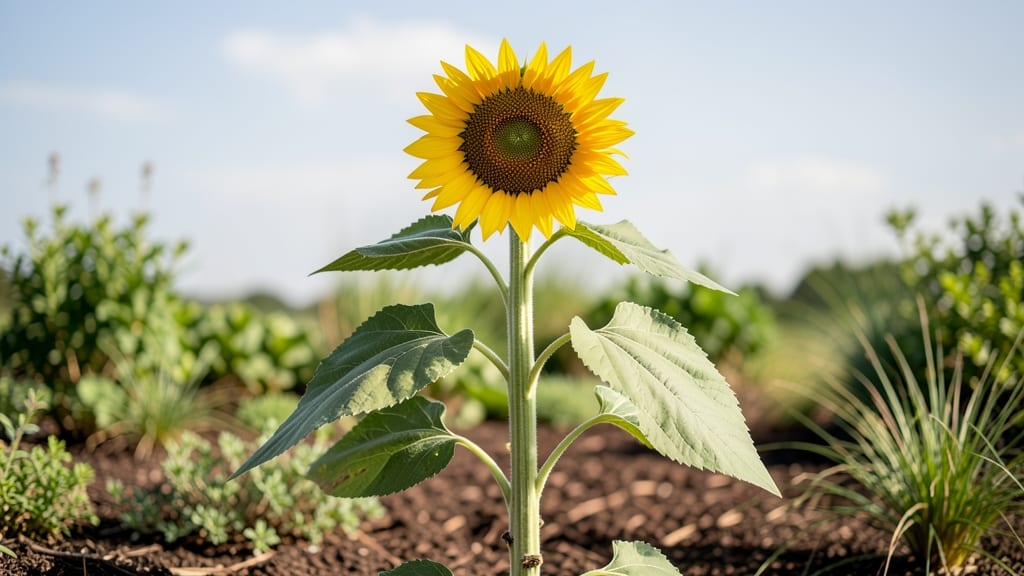
Growing a large sunflower plant from seed is like watching a skyscraper grow in your backyard—except this one blooms at the top. 🌻 I’ve watched my tallest variety, ‘Russian Giant,’ stretch from a tiny sprout to a towering 14 feet by midsummer, its dark centers drawing hummingbirds like magnets.
The secret isn’t just patience; it’s giving them the perfect start in loose, nutrient-rich soil and the full sun they crave.
You’ll need just three things to begin: sunflower seeds (save the biggest ones for the tallest varieties), a sunny spot with at least 6 hours of direct light daily, and a deep hole—these roots go 2-3 feet down for stability.
Most gardeners overlook soil prep, but amending with compost makes all the difference in those first critical weeks. I’ve seen sunflowers flop over when planted too shallowly, so dig deep and firm the soil gently around the seed.
By late summer, you’ll have a 10-12 foot sentinel in your garden, its velvety petals turning toward the sun each day. The blooms aren’t just showstoppers—they’re edible, too, with seeds that roast into sweet, crunchy treats.
Plus, the sheer drama of their height makes them the perfect backdrop for any garden bed or container.
This works for both backyard plots and container gardens (use 5-gallon pots for dwarf varieties). The key is consistency—water deeply once a week once established, and watch them reach for the sky. Ready to grow your own sunlit giant?
📚 In This Guide
- What you need
- Instructions
- Tips and common mistakes
- Wrapping up and next steps
What you need
- ● Sunflower seeds – Choose a large variety like ‘Mammoth’ or ‘Russian Giant’ (10–20 seeds, depending on desired spacing).
- ● Well-draining soil – A mix of 60% topsoil, 30% compost, and 10% perlite/sand (for loose, nutrient-rich soil).
- ● Sunflower seedling pots or biodegradable peat pots (3–4 inch diameter, 5–10 units).
- ● Garden bed or large containers – At least 12–18 inches deep (sunflowers have long taproots!). Containers need drainage holes.
- ● Organic fertilizer – A balanced 10-10-10 or 5-10-10 formula (1–2 tbsp per plant at planting).
- ● Watering can or hose with a gentle spray nozzle (sunflowers hate soggy roots!).
- ● Garden trowel or transplanting spade (for digging holes).
- ● Measuring tape or ruler (to space seeds 12–24 inches apart, depending on variety).
- ○ Stakes or trellis (optional) – For windy areas or tall varieties (2–3 ft stakes per plant).
- ○ Mulch (straw or wood chips, optional) – Helps retain moisture and suppress weeds.
- ○ Pruning shears (optional) – For trimming lower buds to encourage taller growth.
- ● Full sun location – At least 6–8 hours of direct sunlight daily.
- ● Warm soil – Plant after the last frost when soil temps are at least 50°F (10°C).
- ● Patience! – Sunflowers take 80–120 days to bloom from seed.
Step-by-step instructions for growing towering sunflowers
Here's how to coax those massive sunflower stalks from tiny seeds—no green thumb required.
🌱 Step 1: Choose the Right Variety and Plant at the Perfect Time
Sunflowers need full sun and warm soil to germinate well. Pick a large variety like 'Russian Giant' or 'Mammoth' for those 10-12 foot stalks. Wait until after your last frost date when soil temperatures reach at least 55°F—cold soil slows germination and can rot seeds.
I always plant mine in late spring, right when the soil warms up. You'll see the difference in growth speed compared to early plantings. If you're in doubt, stick a soil thermometer in the ground—60°F is ideal for fast, even germination.
🌱 Step 2: Prepare the Soil and Plant Deeply for Strong Stems
Sunflowers have taproots that grow straight down, so don't disturb them once planted. Work the soil to a depth of 12 inches, removing rocks and adding a handful of compost to each planting hole. The deeper the root system, the taller and sturdier your sunflower will grow.
Plant seeds 1-2 inches deep and 6 inches apart in rows 2-3 feet apart. I like to plant 2-3 seeds per hole—once they sprout, thin to the strongest seedling. Water gently after planting to settle the soil around the seeds. Here's the thing—sunflowers don't like being moved, so mark their location well.
☀️ Step 3: Water Deeply and Provide Consistent Sunlight
Sunflowers need 6-8 hours of direct sunlight daily—no compromise here. If your plants start leaning toward the light, rotate them a quarter turn every few days to keep them growing straight. You'll see the difference in their strong, upright growth compared to those that stretch awkwardly.
Water deeply 2-3 times per week until the top 6 inches of soil feels dry. Shallow watering encourages weak roots. I always water in the morning so the leaves dry quickly—this prevents fungal diseases that love damp foliage. Once the plants reach 3 feet tall, reduce watering slightly to let the stems strengthen.
✂️ Step 4: Support Tall Varieties and Watch for Pests
When your sunflowers reach 4-5 feet, they'll need support. I use bamboo stakes or tomato cages tied loosely to the stalk with soft plant ties. Don't cinch them too tight—sunflower stems grow fast and need room to expand. You'll see them lean against the support as they grow taller.
Watch for sunflower moths and aphids on the undersides of leaves. A strong spray of water usually knocks them off, but for heavy infestations, I use neem oil. Deadhead spent blooms to encourage more flowers and prolong the season. The key is to let the first flower fully mature before removing others—this gives the plant energy to grow taller.
🌿 Step 5: Enjoy the Show and Harvest Seeds
Your sunflowers will reach their full height in 80-100 days depending on the variety. The moment the petals start drooping and the back turns yellow, that's your cue—the flower is ready for seed harvesting. Cut the head off and hang it upside down in a dry, dark place for 2-3 weeks to dry.
Once the seeds rattle inside the dried head, rub them out and store in a cool, dry place. You'll have a stash for next year's planting. And here's the best part—leave one or two stalks standing for the birds. They'll love the seeds, and you'll get to watch your towering beauty become a wildlife magnet.
Tips & tricks for perfect towering sunflowers
Real talk: Those 10-foot sunflowers don't happen by accident. The difference between a 4-foot flop and a towering giant often comes down to these small details.
Soil Temperature Secret: Your seeds need that 60°F soil temperature to germinate properly—don't rush planting just because spring arrived. I've seen seeds rot in 55°F soil when people planted too early. Use a soil thermometer if you're unsure—it's the only way to guarantee fast, even germination. The first week of growth sets the foundation for your entire plant.
Planting Strategy: That 1-2 inch deep planting depth might seem shallow, but it's perfect for sunflower taproots. Planting too deep can cause stunted growth, while shallow planting risks exposing seeds to temperature swings. I plant 2-3 seeds per hole and thin later—this gives me backup plants if some fail to germinate. Mark their location well, because once they sprout, you won't want to disturb them.
Sunlight Management: Those 6-8 hours of direct sunlight aren't negotiable, but how you position your plants matters. If you notice them leaning toward the light, rotate them a quarter turn every few days—this keeps them growing straight and strong. I've seen sunflowers grow 3 feet taller when properly rotated compared to those left to lean.
Watering Wisdom: The 2-3 times per week watering schedule works best when you water deeply—aim for the top 6 inches of soil. Shallow watering creates weak roots that can't support those towering stalks. I always water in the morning so leaves dry quickly, which prevents fungal diseases that can kill your plants before they reach their full height.
Pro Tips for Large Sunflower Plant
- Real talk: Those 10-foot sunflowers don't happen by accident.
- Soil Temperature Secret: Your seeds need that 60°F soil temperature to germinate properly—don't rush planting just because spring arrived.
- Planting Strategy: That 1-2 inch deep planting depth might seem shallow, but it's perfect for sunflower taproots.
Frequently asked questions
Got questions about growing large sunflower plants? You’re not alone! Here are some of the most common queries—plus quick, practical answers to help your sunflowers thrive.
How tall can sunflowers grow if I plant them in ideal conditions?
With the right care, Helianthus annuus varieties like ‘Mammoth’ or ‘Russian Giant’ can reach 12–15 feet tall—or even taller! Give them full sun (6+ hours/day), well-draining soil, and consistent watering to encourage their towering growth. Stake or cage tall varieties to prevent flopping in wind or rain.
When is the best time to plant sunflower seeds for maximum height?
For tallest sunflowers, sow seeds after the last frost when soil temps hit 50°F+ (10°C+). In warm climates, plant in early spring; in cooler zones, wait until late spring. Early planting gives roots time to establish before summer heat, but avoid planting too soon—cold soil can stunt growth.
How often should I water large sunflower plants to keep them healthy?
Water sunflowers deeply 1–2 times per week (more in extreme heat). Focus on the base of the plant to encourage deep root growth. Avoid overhead watering, which can spread fungal diseases. Once established, sunflowers are drought-tolerant, but consistent moisture yields taller, sturdier stalks.
Can I grow sunflowers in containers, or do they need a garden bed?
Yes! Dwarf varieties like ‘Teddy Bear’ or ‘Sunspot’ thrive in 5-gallon+ containers with drainage holes. For giants (10+ feet), use a large pot (15+ gallons) or raised bed with balanced fertilizer. Place containers in full sun and rotate them weekly for even growth.
Why are my sunflower leaves turning yellow, and how can I fix it?
Yellow leaves often signal overwatering, nutrient deficiency, or pests. Check soil moisture—sunflowers hate soggy roots. Add compost or a balanced fertilizer (like 10-10-10) if leaves are pale. Inspect for aphids or spider mites; blast off pests with water or use neem oil. Adjust watering and watch for improvement in 1–2 weeks.
Still stumped? Drop your question in the comments—we’re happy to help your sunflowers reach new heights!
Wrapping up and next steps
Growing a large sunflower plant is a rewarding journey that brings joy, beauty, and even edible surprises to your garden! 🌻 With the right soil, sunlight, and care, you’ll witness nature’s stunning transformation from tiny seed to towering giant.
Whether you’re a beginner or a seasoned gardener, these sunflowers will remind you of the magic in nurturing life.
Now that you’re armed with tips and answers, it’s time to plant that seed and watch your garden bloom! Start small—pick a sunny spot, grab your supplies, and let the sunflowers do the rest. Happy gardening! 🌱