
Plants
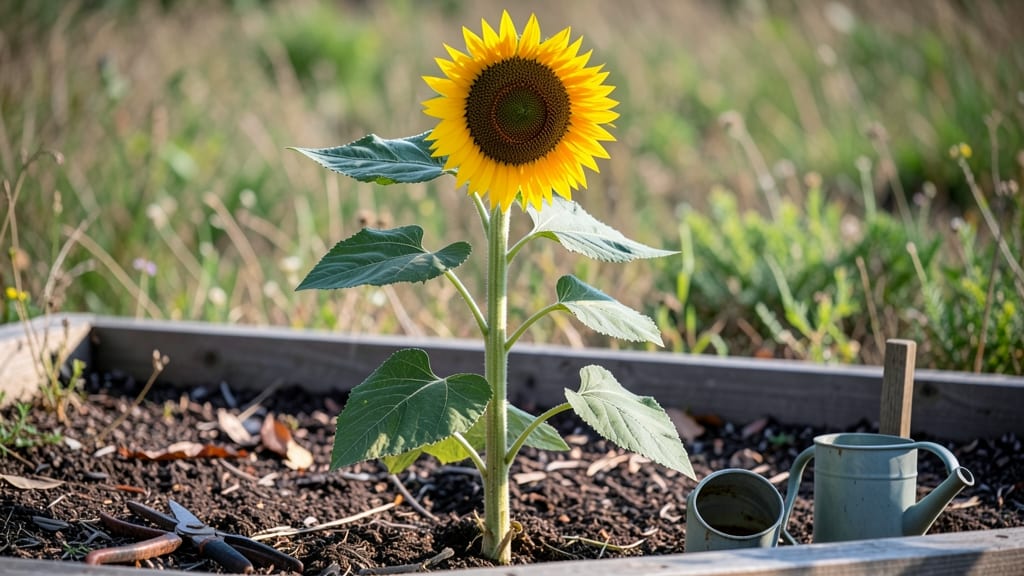
What do sunflower stalks look like at first—just tender green shoots with a single seed leaf unfurling like a tiny hand—nothing like the towering giants they’ll become. At this stage, they’re barely thicker than a pencil, with soft, velvety leaves that feel almost fuzzy to the touch.
I still remember my first sunflower seedlings: they looked so delicate I worried a breeze would snap them, but within weeks, they’d shoot up like they’d been fueled by rocket fuel.
By midseason, those stalks transform into bold, striped sentinels—some varieties reaching 10 feet or more with a thick, woody texture that feels sturdy enough to lean on. The leaves grow larger too, turning a deep, glossy green with jagged edges that catch the light like a thousand tiny mirrors.
That’s when you notice the real magic: the way the stalks develop subtle ridges and the leaves fan out in a leafy crown at the top, as if the plant is stretching to greet the sun.
After flowering, the stalks don’t just stand idle—they harden and darken, sometimes taking on a golden or even reddish tint as the season winds down.
The dried flower heads become heavy, pulling the stalks lower, while the leaves may yellow or drop, leaving behind a skeletal beauty that’s just as striking as the blooms. It’s like watching a living sculpture change shape over time, and honestly? That’s part of the fun.
Here’s the thing—sunflower stalks aren’t just support beams; they’re the backbone of the plant, holding up everything from delicate petals to massive seed heads.
Whether you’re growing them for cut flowers, birdseed, or just the joy of watching them grow, their appearance changes so dramatically it’s almost like you’re watching a different plant unfold before your eyes. That’s the beauty of sunflowers: they’re never boring.
📚 In This Guide
- What you need
- Instructions
- Tips and common mistakes
- Wrapping up and next steps
What you need
- ● Sunflower plants: Mature or growing sunflowers (preferably Helianthus annuus for standard varieties). Aim for at least 3–5 stalks for a clear comparison.
- ● Pruning shears or sharp scissors: For clean cuts (avoid tearing the stalk). A bypass pruner works best for thicker stems.
- ● Measuring tape or ruler: To record stalk height (sunflowers can range from 3–12 feet tall, depending on the variety).
- ● Notebook or digital device: To sketch or note observations (e.g., stripe patterns, leaf arrangement, or stalk diameter).
- ○ Magnifying glass (optional but helpful): To inspect fine details like trichomes (tiny hair-like structures) or leaf veins.
- ● Camera or smartphone: For close-up photos of stalk textures, leaf scars, or root structures.
- ● Ruler with metric/imperial markings: To measure stalk width (typically 0.5–2 inches in diameter).
- ● Field guide or plant ID app: Like iNaturalist or PlantNet, to cross-reference your findings.
- ● Drying rack or paper towels: If you’re preserving stalks for crafts (e.g., weaving or dye-making).
- ● Safety gloves: If handling sunflowers treated with pesticides or thorny varieties (e.g., Helianthus debilis).
How to identify sunflower stalks in your garden
Recognizing sunflower stalks early helps you plan support and space properly.
Spot the Emerging Seedling
Sunflower seedlings first appear as tiny, fuzzy sprouts breaking through the soil. They’re often 1-2 inches tall when you first notice them, with a pair of small, rounded cotyledons (the first leaves) that look like tiny maple leaves. These early leaves are smooth-edged and bright green.
Here’s the thing—you’ll often see multiple sprouts in one spot because sunflower seeds contain multiple embryos. Thin them to one strong seedling per plant once they’re 3-4 inches tall, keeping the healthiest, straightest stem. Watch for the first true leaves (the second set) to appear—these will have jagged edges and look more like mature sunflower foliage.
Observe the Developing Stem and Leaves
As sunflowers grow, their stalks become thick, sturdy, and slightly ribbed, often developing a faint greenish-brown stripe along the length. The leaves grow in a spiral pattern up the stem, each one larger than the last. Early leaves are lance-shaped with serrated edges, while later leaves can reach 12-18 inches long and 4-6 inches wide.
You’ll notice the stem feels hollow when tapped lightly—this is normal and helps support the plant’s weight. The leaves also have a slightly rough texture on the underside, which helps distinguish them from other plants. If you see hairy stems or leaves, that’s a sign of downy mildew, and you’ll need to act fast with fungicide.
Watch for the Bud Formation
When the plant reaches 3-5 feet tall, you’ll start seeing the bud form at the top. The bud begins as a tight, fuzzy green ball about 2-3 inches wide. Over 2-3 weeks, it will swell and develop yellow or golden petals that unfold like a flower. The bud’s base will also thicken noticeably as it prepares to bloom.
Here’s what to look for: the center disk (the part that will become the seeds) will turn brown and dense before the petals fully open. If the bud starts to split open prematurely, it’s often due to overwatering or extreme heat—adjust your care routine immediately. Once the flower opens fully, the petals will face east in the morning and track the sun’s movement throughout the day.
Identify Mature Stalks and Seed Heads
After flowering, the petals drop off, and the seed head (also called the "disk") matures. The stalk itself remains tall, woody, and upright, often reaching 6-12 feet depending on the variety. The seed head will turn brown and dry, with long, spiky bracts surrounding it. If you tap a mature seed head, you’ll hear the seeds rattling inside—this is your cue that they’re ready for harvest.
Real talk: some sunflower varieties produce multiple smaller seed heads along the stalk, while others have just one large terminal bloom. The stalks may also develop side branches if the plant is stressed or overcrowded. If you’re growing sunflowers for seeds, wait until at least 80% of the back seeds turn brown before harvesting to ensure viability.
Tips & tricks for identifying sunflower stalks
Here's what nobody tells you about distinguishing sunflower growth stages—these details make all the difference between confident identification and second-guessing.
Seedling Stage: When you first spot those fuzzy sprouts at 1-2 inches tall, focus on the cotyledons—they're your best clue. These first leaves should be smooth-edged and bright green, unlike the jagged-edged true leaves that come later. I've seen gardeners mistake these early sprouts for weeds because they're so small, but that faint fuzzy texture is your telltale sign.
Stem Development: The greenish-brown stripe along mature stalks is often overlooked, but it's a key identifier. Tap the stem lightly—it should feel hollow, which helps distinguish it from other plants with solid stems. The spiral leaf pattern is another dead giveaway, with each new leaf emerging slightly higher than the last. This pattern continues all the way up the 6-12 foot stalk as it matures.
Bud Formation: That 2-3 inch fuzzy green ball at the top is your first clear indication you're dealing with a sunflower. The 2-3 week transformation from bud to bloom is fascinating to watch—look for the center disk turning brown before the petals open. I've noticed the petals always face east in the morning, which helps me identify them even before they're fully open.
Mature Plant: The brown, dry seed head with spiky bracts is unmistakable once it develops. Give it a gentle tap—if you hear seeds rattling inside, that's your harvest signal. I've learned to wait for at least 80% of the back seeds to turn brown before harvesting, or you'll end up with shriveled seeds that won't store well.
Pro Tips for What Do Sunflower Stalks Look Like
- Here's what nobody tells you about distinguishing sunflower growth stages—these details make all the difference between confident identification and second-guessing.
- Seedling Stage: When you first spot those fuzzy sprouts at 1-2 inches tall, focus on the cotyledons—they're your best clue.
- Stem Development: The greenish-brown stripe along mature stalks is often overlooked, but it's a key identifier.
Frequently asked questions
Got questions about sunflower stalks? You’re not alone! Here are some of the most common queries—plus straightforward answers to help you identify, care for, or even repurpose these striking stems.
What do sunflower stalks look like when they’re young vs. mature?
Young sunflower stalks are slim, green, and hairy, often covered in fine downy fuzz. As they mature, they thicken into woody, striped stems (usually green with purple or yellow stripes) and can grow 6–12 feet tall. The base swells slightly as the plant stores nutrients for the flower.
How long does it take for sunflower stalks to fully develop?
Sunflower stalks typically take 80–100 days to reach full maturity, depending on the variety. Dwarf varieties may mature in 60–70 days, while giant varieties can take up to 120 days. Watch for the bud forming at the top—this signals rapid stalk thickening in the final weeks.
Can you eat sunflower stalks, or are they just for decoration?
While not commonly eaten, sunflower stalks are edible and nutritious! Young, tender stalks (peeled and cooked) are rich in fiber, vitamins, and minerals. Older stalks become woody—best used for crafts, compost, or bird feeders. Pro tip: Blend dried stalks into flour for a gluten-free boost!
Why are my sunflower stalks bending or falling over?
Bent or floppy stalks usually mean overwatering, weak roots, or pests. Check for:
- Root rot: Yellowing leaves + mushy stems = too much water.
- Pests: Aphids or beetles weaken stalks; spray with neem oil.
- Wind/rain: Stake tall varieties early to prevent snapping.
If the stalk splits at the base, it’s often nutrient-deficient—add compost or a balanced fertilizer.
What can I do with sunflower stalks after the flowers die?
Don’t toss them! Try these creative uses:
- Compost: Chop stalks into mulch or add to your compost pile.
- Bird feeders: Hang dried stalks in bundles for winter birds.
- Crafts: Weave into wreaths, paint for decor, or make natural brushes.
- Animal bedding: Shredded stalks work great for small livestock or pets.
Bonus: Save seeds from dried stalks for next year’s garden!
Wrapping up and next steps
Now that you know sunflower stalks resemble tall, sturdy stems with deep grooves, vibrant green leaves, and a striking striped pattern, you’re ready to spot them in gardens or fields! 🌻 Whether you’re growing them for beauty, sustainability, or even culinary uses, recognizing their unique structure makes the experience even more rewarding.
Ready to take the next step? Try growing your own sunflower stalks—they’re easy to cultivate and bring a pop of color to any space! Start with seeds, provide plenty of sunlight, and watch as those iconic stalks reach for the sky. Happy gardening! 🌱