
Flowers
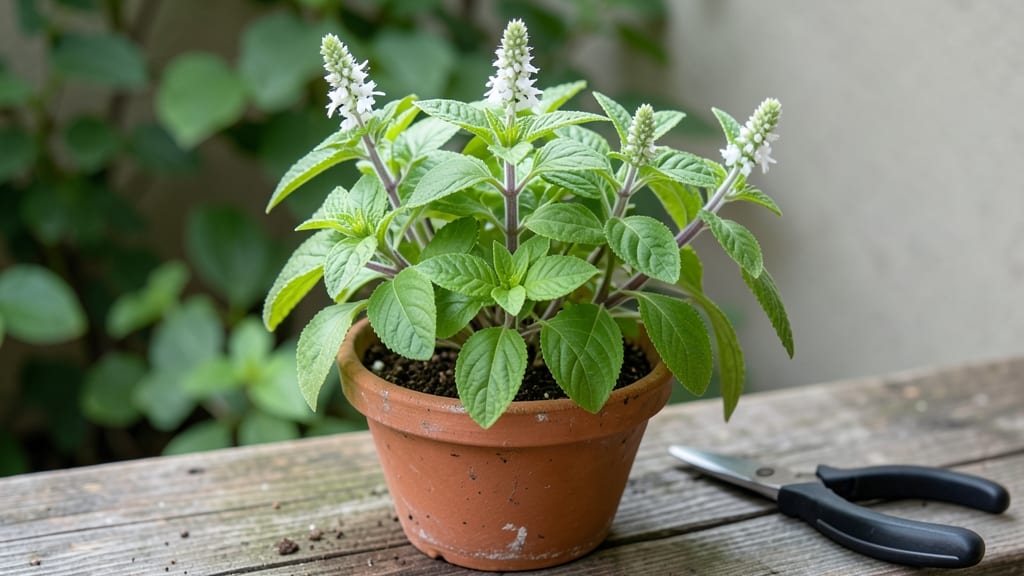
Growing lemon basil flowers isn’t just about pretty blooms—it’s about turning your herb garden into a fragrant, edible canopy that lasts all year. 🌿 I’ve learned the hard way that most gardeners trim off those tiny white flowers thinking they ruin the leaves, but they’re actually the secret to keeping your plants bushier and more productive.
The truth? Those delicate blooms are edible, too, adding a subtle citrusy kick to drinks and dishes.
The key to encouraging flowers lies in sunlight, water, and a little strategic pruning. Lemon basil thrives in 6-8 hours of morning sun and well-draining soil—think potting mix with a handful of perlite to keep roots happy.
Water when the top inch feels dry, but avoid soggy soil, which causes root rot. And here’s the game-changer: pinch off flowers as they appear to redirect energy into leaf growth, then let a few bloom for flavor and pollinators.
By mid-summer, you’ll have a bushy plant covered in tiny white flowers that smell like lemon and honey. Harvest them for infused syrups, garnishes, or even tea, and watch your basil stay lush and flavorful.
The best part? These flowers attract pollinators, turning your garden into a mini ecosystem. Ready to grow more than just leaves?
Works for containers, windowsills, or garden beds—just adjust sunlight and watering for your space. Whether you’re growing for flavor, fragrance, or beauty, lemon basil flowers are the unexpected bonus every herb garden needs.
📚 In This Guide
- What you need
- Instructions
- Tips and common mistakes
- Wrapping up and next steps
What you need
- ● Lemon basil seeds or seedlings: 1–2 packets of Ocimum basilicum ‘Lemon’ seeds (or 3–5 healthy seedlings from a nursery).
- ○ Optional: 1–2 mature lemon basil plants (for cuttings).
- ● Containers or garden bed: 5–7-inch diameter pots (1–2 per plant) or a raised bed (minimum 12" deep).
- ● Drainage holes required! Add a layer of pebbles or broken pottery if repurposing containers.
- ● High-quality potting mix: 5–10 gallons of well-draining, organic mix (e.g., 60% peat/coir, 30% perlite, 10% compost).
- ○ Optional: 1 cup of worm castings or slow-release fertilizer (5-10-5 NPK ratio).
- ● Sunlight access: 6+ hours of direct sunlight daily (south-facing window or grow lights for indoors).
- ● Basic gardening tools: 1 small trowel or transplanting spade.
- ● 1 pair of clean pruning shears (sterilized with rubbing alcohol).
- ○ Optional: 1 spray bottle (for misting seedlings).
- ● Watering supplies: 1 watering can with a fine rose (or a spray bottle).
- ● Tip: Use room-temperature water to avoid shocking roots! 💧
- ● Climate control (indoors only): Humidity tray or pebble tray (to maintain 50–70% humidity for seedlings).
- ○ Optional: Small fan (for airflow, reducing mildew risk).
- ● Prerequisites: Patience! Lemon basil flowers take 6–8 weeks to bloom from seed.
- ● Consistency in care (water, light, and pruning).
How to grow a fragrant lemon basil canopy with edible blooms
Here's the method I've perfected for growing lemon basil that stays lush, fragrant, and produces those gorgeous edible flowers all season.
🌱 Step 1: Start Seeds Indoors for Early Blooms
Begin with 4 lemon basil seeds in a 4-inch pot filled with sterile seed-starting mix. Press each seed just below the surface—¼ inch deep—and cover lightly with more mix. The reason for shallow planting is that lemon basil germinates quickly when kept warm, and too-deep seeds take forever to surface.
Place the pot in a humidity dome or cover it with plastic wrap to trap warmth. Keep the soil consistently moist (not soggy) by bottom-watering—pour ½ cup water into the saucer and let the pot absorb it for 10-15 minutes. Germination happens in 7-10 days at 70-75°F, so a sunny windowsill or seedling heat mat speeds things up.
Once the first true leaves (not the initial seed leaves) appear, remove the dome. This prevents damping-off, a fungal disease that turns stems to mush overnight. You'll know the seedlings are ready for light when they reach 2 inches tall—that's when I move them under grow lights for 14 hours daily.
☀️ Step 2: Transition to Outdoor Light Gradually
After 4 weeks, when seedlings have 4-6 leaves, harden them off by placing them outside in partial shade for 1 hour the first day. Gradually increase exposure over 7 days until they're in full sun. Lemon basil thrives in 6-8 hours of direct sunlight, but too much sun too soon causes stress—you'll see leaves scorch if you rush this step.
Transplant each seedling into its own 6-inch pot filled with well-draining potting mix. I mix in 1 tablespoon of compost per pot to give them a nutrient boost. Space pots 8 inches apart if growing in a container garden, as lemon basil spreads gently but needs room for airflow to prevent mildew.
Water deeply after transplanting—1 cup per pot—and let the soil dry slightly between waterings. The key is to keep the roots moist but never soggy. You'll know you're doing it right when the soil feels dry to the touch 1 inch down before the next watering.
🌿 Step 3: Encourage Bushy Growth and Blooms
Pinch off the top set of leaves when plants reach 6 inches tall to encourage bushier growth. This might seem counterintuitive, but it forces the plant to branch out instead of growing leggy. You'll see new side shoots emerge within 7-10 days—that's your signal everything is working.
To promote flowers, reduce water slightly once buds form. Lemon basil blooms best when slightly water-stressed, but don't let the soil dry out completely. The flowers are edible and fragrant, so I always let at least 2-3 blooms stay on the plant for pollinators while harvesting the rest for garnishes or teas.
Fertilize lightly every 4 weeks with a balanced liquid fertilizer (like 10-10-10) diluted to half strength. Over-fertilizing leads to leafy growth at the expense of flowers, which is the opposite of what we want. A little goes a long way—think of it as a gentle nudge, not a feast.
✂️ Step 4: Harvest and Prune for Continuous Blooms
Harvest flowers and leaves in the morning after dew has dried, when essential oils are at their peak. Use clean scissors to snip just above a leaf node—this encourages more growth. For flowers, cut the entire stem back to 2 inches above the base. You'll notice new buds forming within 2 weeks if you keep this up.
If your plant gets too leggy, trim it back by ⅓ in early spring. This rejuvenates growth and keeps the plant compact. Lemon basil is surprisingly resilient—even if you prune it hard, it bounces back with fresh, fragrant foliage and more blooms.
To extend the season, bring pots indoors before the first frost. Place them near a south-facing window or under grow lights for 12 hours daily. Reduce watering slightly in winter, as growth slows, but keep the soil from drying out completely. With this care, your lemon basil will keep producing edible blooms and fragrant leaves year-round.
Tips & tricks for growing a fragrant lemon basil canopy
Here's what nobody tells you about keeping your lemon basil thriving and blooming beautifully—these are the secrets I've learned after watching plants struggle and flourish.
Germination Warmth: That 70-75°F temperature range is non-negotiable for seeds. I've tried using regular windowsills in cooler homes, and germination took twice as long—or didn't happen at all. If your home stays below 70°F, invest in a seedling heat mat ($15 at garden centers) or place the pot on top of your refrigerator. The consistent warmth makes all the difference in those first 7-10 days.
Light Transition Strategy: The 7-day hardening off period is where most people rush and end up with scorched leaves. Start with just 1 hour in partial shade, then increase by 1 hour daily. I've seen basil leaves turn crispy white in just 30 minutes of direct sun if you skip this gradual approach. Think of it like sunbathing—you wouldn't go from zero to full sun exposure either!
Pruning Precision: When you pinch those top leaves at 6 inches, make sure you're removing about ⅓ of the plant's height. This creates the perfect branching stimulus. I learned this the hard way by being too timid—my plants stayed skinny and leggy. The key is to pinch just above a leaf node where new growth will emerge. You'll see those side shoots appear within 7-10 days like magic.
Winter Care Secret: During winter months when you move plants indoors, place them near a south-facing window but keep them away from cold drafts. I've noticed the leaves turn yellow if they're too close to exterior doors or windows that get chilly at night. Reduce watering to every 10-14 days since growth slows dramatically, but always check that top inch of soil is dry before watering again.
Pro Tips for Lemon Basil Flower
- Here's what nobody tells you about keeping your lemon basil thriving and blooming beautifully—these are the secrets I've learned after watching plants struggle and flourish.
- Germination Warmth: That 70-75°F temperature range is non-negotiable for seeds.
- Light Transition Strategy: The 7-day hardening off period is where most people rush and end up with scorched leaves.
Frequently asked questions
When do lemon basil flowers actually bloom?
Lemon basil typically blooms 6–8 weeks after planting, especially in warm weather (70–85°F). Pinch off early flowers to encourage bushier growth and more leaves—but if you want flowers, let a few bloom! The fragrant blooms appear in clusters, often white or pale pink, and last through summer or even fall in mild climates.
Are lemon basil flowers edible, and how do I use them?
Yes! They’re edible and add a subtle citrusy flavor to dishes. Use them fresh in salads, garnishes, or infused oils. Dried flowers can flavor teas or desserts. Pro tip: Harvest flowers in the morning for peak flavor, and avoid over-picking to keep your plant thriving.
Why isn’t my lemon basil flowering?
Lemon basil may skip flowering due to lack of sunlight, over-fertilization, or being root-bound. Move it to a sunnier spot (6+ hours of light), reduce fertilizer, and prune regularly. If it’s leggy, try propagating cuttings—sometimes a fresh start spurs blooms!
Can I grow lemon basil flowers indoors year-round?
Place your plant near a south-facing window or under grow lights (12–16 hours/day). Use a well-draining pot, keep soil moist but not soggy, and maintain temps between 60–80°F. With proper care, indoor lemon basil can flower even in winter—just avoid drafts!
What’s a good alternative if I can’t find lemon basil flowers?
Try holy basil (tulsi) or thai basil for similar floral notes. Regular basil flowers are edible too but milder. For a citrusy twist, pair with lemon verbena flowers or citrus-scented geranium blooms in recipes or teas.
Wrapping up and next steps
Growing lemon basil flowers is a rewarding journey that brings fragrant beauty and edible blooms to your garden year-round! 🌿 With the right care—sunlight, well-draining soil, and a dash of patience—you’ll enjoy their citrusy charm and culinary potential.
Whether you’re a seasoned gardener or just starting, this fragrant canopy is a fantastic addition to your space.
Ready to dive in? Start with a single plant and let your green thumb shine! Share your progress or tips with fellow plant lovers—happy growing! 🌸