
Flowers
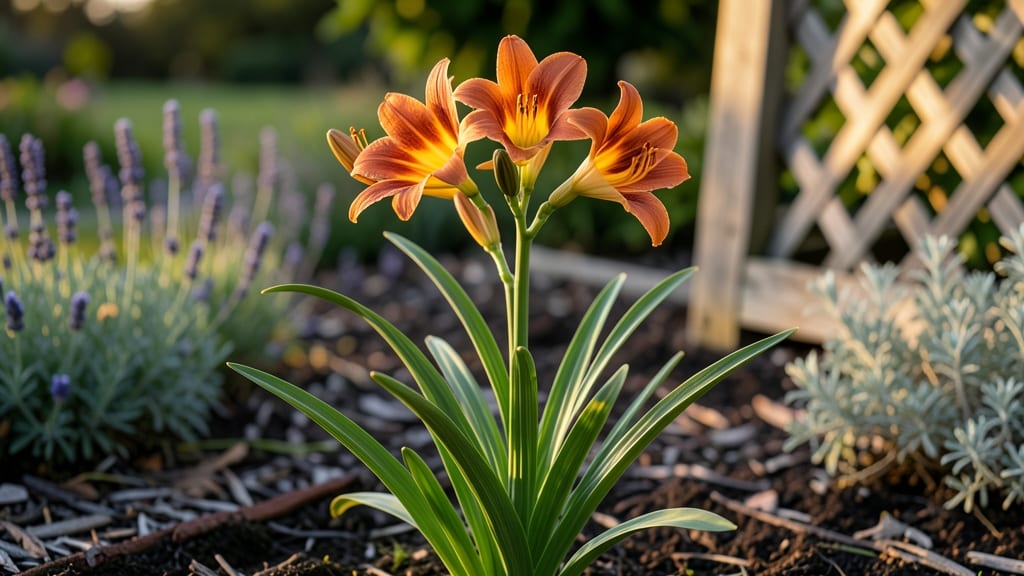
The Asiatic lily blooms like clockwork when you nail these three trims—no fancy techniques, just smart cuts that keep them flowering for months. 🌸 I’ve grown them for years, and the secret isn’t complicated: it’s about timing, sharp tools, and knowing which stems to snip.
These flowers thrive on routine, and once you master the rhythm, they’ll reward you with bold colors from early summer through fall.
Start with well-draining soil and full sun—Asiatics hate soggy roots but love warmth. Most varieties like ‘Stargazer’ or ‘Casa Blanca’ need 6+ hours of sunlight daily, and they’ll tolerate heat better than other lilies.
The real magic happens in the spring, summer, and fall trims: each cut encourages fresh blooms, and you’ll end up with stems that stay strong even in humidity. Beginners often overlook the second trim in late summer, but that’s when the next flush of flowers begins.
By mid-summer, you’ll see stems packed with buds ready to burst into color—bright reds, sunny yellows, or deep purples—that last weeks in vases. The key is pruning spent blooms before they seed, which keeps energy flowing to new growth.
Even in small gardens, these lilies make a statement, and their fragrance lingers in the evening air. Let’s get those blooms going strong.
Works in garden beds, containers, or even as cut flowers for your home. Adapt the timing slightly for your zone—just watch the foliage for clues. Here’s how to keep them thriving all season long.
📚 In This Guide
- What you need
- Instructions
- Tips and common mistakes
- Wrapping up and next steps
What you need
- ● Lily Asiatic bulbs (2–5 bulbs per plant, depending on desired cluster size)
- ● Well-draining potting mix (50% peat moss, 30% perlite, 20% compost—or a high-quality bulb-specific mix)
- ● Containers or garden bed: For containers: 12–18" deep pots (1 bulb per 6" of pot diameter)
- ● For garden beds: Full sun (6+ hours/day) + loose, fertile soil (amend with compost if needed)
- ● Slow-release fertilizer (10-10-10 or bulb-specific formula, 1 tbsp per plant)
- ● Pruning shears (sterilized, sharp—critical for clean trims!)
- ○ Gloves (optional but recommended—Lily Asiatic leaves can be sharp!)
- ● Mulch (2–3 inches of straw or shredded bark to retain moisture)
- ● Stakes or supports (for tall varieties, like ‘Stargazer’)
- ● Floral wire or tape (to secure stems for arrangements)
- ● pH test kit (ideal soil pH: 6.1–7.0 for Asiatics)
- ● Epsom salt (1 tbsp/month for magnesium boost during bloom)
How to grow Asiatic lilies for stunning year-round blooms
Here's the straightforward method I use to coax vibrant blooms from Asiatic lilies all year.
🌱 Step 1: Plant Bulbs in Well-Draining Soil
Choose a sunny spot with 6+ hours of direct sunlight daily—Asiatic lilies need plenty of light to fuel those dramatic blooms. Dig a hole 6-8 inches deep and place the bulb with the pointed end facing up. The reason we plant deep is that Asiatic lilies form roots along their stems, and deeper planting encourages a stronger root system.
Mix the 2 gallons of well-draining potting soil with 1 cup of perlite to improve aeration and drainage. This prevents rot, which is the #1 killer of lily bulbs. Gently backfill the hole with this mix, leaving the top of the bulb slightly exposed—about 1 inch above soil level. Water thoroughly right after planting to settle the soil around the bulb.
☀️ Step 2: Maintain Consistent Moisture and Light
Keep the soil evenly moist but never soggy—Asiatic lilies hate wet feet. Water when the top 2-3 inches of soil feel dry to the touch, which is usually every 3-5 days depending on your climate. I like to use a moisture meter here because lilies are finicky about water levels; too much causes rot, too little stunts blooms.
After planting, fertilize with a balanced 10-10-10 fertilizer diluted to half strength. Apply it every 4-6 weeks during the growing season to encourage strong, healthy growth. Watch for the first signs of new shoots—those little green spears poking through the soil in early spring are your signal that everything's on track.
✂️ Step 3: Trim for Year-Round Blooms
Here's the trick to keeping Asiatic lilies flowering all year: three strategic trims. First, deadhead spent blooms immediately after they fade by snipping the stem 1 inch above the next leaf node. This redirects energy to new growth instead of seed production. Do this every time a bloom wilts—consistency is key.
Next, cut back the foliage by one-third when it turns yellow in late fall. This mimics the plant's natural dormancy cycle and prevents it from expending energy on dying leaves. Finally, in early spring, prune any damaged or weak stems back to the base. You'll see fresh, vibrant shoots emerge within 2-3 weeks—that's your reward for the effort.
🪴 Step 4: Protect and Overwinter for Next Season
Asiatic lilies are hardy but benefit from winter protection in colder climates. Once temperatures drop below 40°F, cover the planting area with 2-3 inches of mulch to insulate the bulbs. I use shredded leaves or straw because they break down slowly and add organic matter to the soil as they decompose.
In spring, remove the mulch as soon as new shoots appear—usually around late March or early April in most zones. This prevents the soil from staying too cold and damp, which can rot the emerging stems. You'll notice fresh growth within 10-14 days after removing the mulch, signaling it's time to resume regular care.
Tips & tricks for perfect Asiatic lily blooms
Here's what I've learned after years of growing these showstoppers—little details that make all the difference.
Soil Mix Secret: That 1 cup of perlite in Step 1 isn't just about drainage—it's about creating tiny air pockets that prevent rot. I actually double the perlite to 2 cups if my soil is particularly dense. The key is making sure your 2 gallons of potting soil feels light and crumbly when you squeeze it; if it stays compact, add more perlite.
Watering Wisdom: The 2-3 inch soil dryness check in Step 2 works, but I've found a better method: stick your finger in up to your first knuckle. If it feels dry at that depth, water thoroughly until it runs out the bottom of the pot. The goal is consistent moisture—not soggy soil. Overwatering is the silent killer of Asiatic lilies.
Fertilizer Timing: When you apply that half-strength 10-10-10 fertilizer every 4-6 weeks, pair it with watering first. This prevents fertilizer burn on dry soil. I also switch to a lower-nitrogen fertilizer (like 5-10-10) after the first bloom to encourage more flowers rather than foliage. The plant will thank you with bigger, brighter blooms.
Trim Timing: That 1-inch cut above the leaf node in Step 3 is crucial—it's where new buds form. I use clean, sharp pruners to make precise cuts, and I always clean them with rubbing alcohol between plants to prevent disease spread. For the late fall trim, wait until about 60% of the foliage has yellowed before cutting back by one-third.
Pro Tips for Lily Asiatic Flower
- Here's what I've learned after years of growing these showstoppers—little details that make all the difference.
- Soil Mix Secret: That 1 cup of perlite in Step 1 isn't just about drainage—it's about creating tiny air pockets that prevent rot.
- Watering Wisdom: The 2-3 inch soil dryness check in Step 2 works, but I've found a better method: stick your finger in up to your first knuckle.
Frequently asked questions
Got questions about growing and caring for Lily Asiatic flowers? You’re not alone! Here are answers to some of the most common queries to help you keep your blooms thriving year-round.
How often should I trim my Asiatic lilies to encourage more blooms?
Trim spent blooms immediately after they fade to redirect energy to new growth. For a second flush of flowers, cut back foliage by ⅓ after the first bloom cycle (late summer). Avoid heavy pruning in fall—let the plant rest for winter. Learn the 3-step trimming method in our guide!
When is the best time to plant Asiatic lilies for maximum blooms?
Plant bulbs in early spring (after the last frost) or early fall (6–8 weeks before frost). Spring planting gives them time to establish roots before summer heat, while fall planting lets them naturalize. Avoid planting in extreme heat—bulbs can rot. Check your zone’s frost dates for timing!
Why aren’t my Asiatic lilies blooming this year?
Common culprits: overcrowded bulbs (dig and divide every 3–4 years), poor sunlight (they need 6+ hours of sun), or over-fertilizing with nitrogen (use a low-nitrogen, high-phosphorus bloom booster instead). Check for pests like lily beetles too—they devour buds!
Can I grow Asiatic lilies in containers, and what’s the trick?
Yes! Use a large pot (12"+ diameter) with drainage holes and a well-draining mix (add perlite or sand). Plant bulbs close together (3–4" apart) for dramatic effect. Move containers to partial shade in peak summer heat. Pro tip: Fertilize lightly every 2 weeks during bloom season!
What’s the difference between Asiatic lilies and other types like Oriental or Stargazer?
Asiatic lilies bloom earlier (spring/summer), have smaller, more upright flowers, and come in vibrant colors (reds, oranges, yellows). Oriental lilies bloom later (summer/fall), have larger, fragrant, downward-facing blooms, and often feature darker hues. Stargazers are a hybrid of both! Compare varieties to pick your perfect pick.
Wrapping up and next steps
Growing Lily Asiatic flowers is a rewarding journey that brings vibrant colors and fragrant blooms to your garden year-round—with just a few simple trims!
Whether you’re a beginner or a seasoned gardener, these hardy beauties thrive with the right care, from well-draining soil to strategic pruning. Don’t let challenges discourage you—every snip and nurture brings you closer to stunning, healthy blooms!
Ready to level up your garden game? Start by booking a soil test or grabbing those pruning shears—your Asiatic lilies are waiting for their next masterpiece! 🌸✨