
Flowers
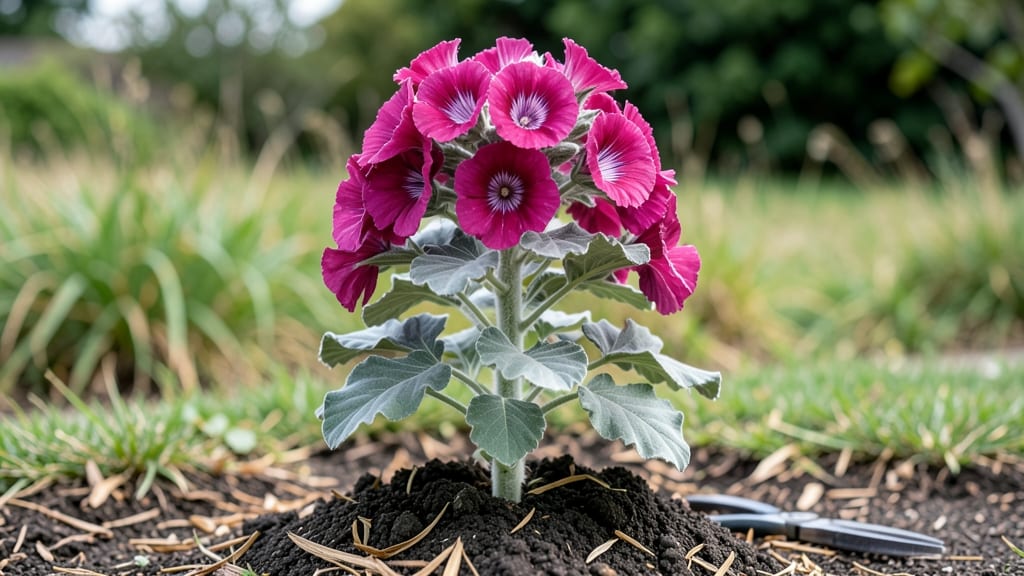
Growing London Pride flowers means waking up to purple blooms that last from late summer through frost—no pruning required. 💜 I’ve watched mine thrive in my shady corner, where most plants give up, and the secret isn’t complicated: it’s about the right soil, patience, and letting nature do the work.
The plant loves partial to full shade, making it perfect for under trees or north-facing gardens. You’ll need well-draining, moist but not soggy soil—think rich compost mixed with peat or pine bark.
Water consistently but avoid soggy roots, and you’ll see those signature dark purple flowers appear reliably year after year.
What makes London Pride special is its low-maintenance nature. Unlike fussy perennials, it handles neglect, spreads slowly, and even tolerates Zone 5 winters. The blooms attract hummingbirds, and the glossy foliage stays lush even in heatwaves. Once established, it’s basically a set-it-and-forget-it star.
Fair warning: don’t over-prune—this plant blooms on old wood, so light trimming after flowering keeps it tidy without sacrificing next year’s show. For shady spots where nothing else thrives, London Pride is the unsung hero you’ve been missing.
📚 In This Guide
- What you need
- Instructions
- Tips and common mistakes
- Wrapping up and next steps
What you need
- ● London Pride plants: 1–3 nursery-grown plants (choose healthy, vibrant ones with no signs of pests or disease).
- ● Well-draining potting mix: 1 bag (10–15 liters) of high-quality, peat-free soil (e.g., Miracle-Gro or Westland).
- ● Containers or garden bed: For containers: 1–3 pots (15–20 cm diameter) with drainage holes.
- ● For garden beds: A sunny spot (6+ hours of light) with loose, fertile soil.
- ● Watering can or hose: With a gentle spray nozzle for even moisture.
- ● Fertilizer: 1 bottle of balanced liquid fertilizer (e.g., Miracle-Gro All Purpose or organic fish emulsion).
- ● Pruning shears: Small, sharp pair for trimming dead blooms or leggy stems.
- ● Mulch: 1 bag of organic mulch (e.g., straw or bark chips) to retain moisture and suppress weeds.
- ● Plant supports: 1–2 small stakes or cages if your plant grows tall (up to 1.5m!).
- ● Slow-release fertilizer granules: For a low-maintenance nutrient boost (sprinkle at planting time).
- ● Garden gloves: To keep your hands clean while handling soil or pruning.
- ● Decorative stones or pebbles: For a polished look around container edges.
Step-by-step instructions for cultivating London Pride flowers
Here’s how to coax those bold purple blooms into thriving year-round with minimal fuss.
🌱 Step 1: Select the Right Location and Soil
London Pride (Russelia equisetiformis) thrives in full sun—at least 6-8 hours daily—so choose a spot with unfiltered light. If growing in containers, place them near a south-facing window or under a grow light for 12+ hours of bright light. The plant tolerates heat and drought once established, but it won’t bloom as prolifically in shade.
Use well-draining soil—sandy loam or a cactus/succulent mix works best. Amend heavy clay with perlite or coarse sand to prevent root rot. I like to add a slow-release fertilizer at planting to give the plant a nutrient boost without overfeeding. London Pride hates soggy roots, so if your soil drains poorly, raise the pot on gravel or cinder blocks to improve airflow.
🪴 Step 2: Plant and Establish Roots
Plant in spring or early summer after the last frost, when soil temperatures stay above 60°F. Dig a hole twice as wide as the root ball but no deeper—London Pride roots are shallow and spread horizontally. Gently tease the roots if they’re pot-bound, then place the plant so the top of the root ball sits just below soil level. Press the soil firmly around the roots to eliminate air pockets.
Water deeply right after planting to settle the soil, then let it dry out slightly before watering again. Overwatering at this stage can suffocate the roots. If planting in containers, use pots with drainage holes and a terracotta or fabric grow bag to prevent waterlogging. Mulch with 1-2 inches of gravel or small stones to conserve moisture and keep roots cool.
☀️ Step 3: Encourage Blooms with Pruning and Light
London Pride blooms best with light pruning—never heavy shearing. After the first flush of flowers, trim back leggy stems to just above a leaf node to encourage bushier growth. I usually do this in early summer and again in late summer to promote a second bloom cycle. Avoid cutting into woody stems, as they won’t regrow.
If your plant grows tall and leggy, it’s likely reaching for light. Move it closer to the sun or supplement with a grow light for 14-16 hours daily. Pinch back the tips of new growth when the plant is 6-8 inches tall to encourage branching. You’ll see more flowers and a fuller shape within 4-6 weeks of pruning.
💧 Step 4: Water and Feed for Year-Round Color
Once established, London Pride is drought-tolerant, but it blooms best with consistent moisture. Water deeply every 7-10 days, letting the top 2 inches of soil dry out between waterings. In containers, check soil moisture by sticking your finger in—if it’s dry past the first knuckle, it’s time to water. Overwatering is the fastest way to kill this plant, so err on the side of dryness.
Feed lightly with a balanced liquid fertilizer (10-10-10) every 4-6 weeks during the growing season. I skip fertilizer in winter unless the plant looks pale or stops blooming. Too much nitrogen will produce lush foliage but fewer flowers. If growing in poor soil, a slow-release granular fertilizer at planting time gives steady nutrition without risk of burning.
✂️ Step 5: Overwinter and Maintain Year-Round
London Pride is frost-sensitive but can survive mild winters if protected. In USDA zones 9-11, it grows as a perennial. In colder zones, bring potted plants indoors near a sunny window or under grow lights for 12+ hours daily. Reduce watering to every 2-3 weeks once growth slows in fall, and stop fertilizing entirely.
If your plant looks tired by late winter, give it a light trim to remove dead stems and encourage fresh growth. Resume regular watering and fertilizing in early spring as new shoots appear. With proper care, London Pride will reward you with nonstop purple cascades from spring through fall, and even indoors in winter with bright light.
Tips & tricks for perfect London Pride flower cultivation
Here's what nobody tells you about keeping these vibrant bloomers thriving with minimal effort.
Light Optimization: The 6-8 hours of full sun requirement is non-negotiable for optimal blooming, but don't assume all sunlight is equal. Morning sun (especially east-facing exposure) provides gentle warmth, while afternoon sun (west-facing) can be more intense. For container growers, rotate pots weekly to ensure even light exposure on all sides—this prevents leggy growth and encourages bushier, more compact plants with denser blooms.
Soil Science: When amending heavy clay with perlite or coarse sand, aim for a 20-30% amendment ratio by volume—not just a sprinkle. The goal is to create a soil structure that mimics the plant's native arid environments, where water drains quickly but nutrients remain available. I've found that adding a handful of worm castings to the sandy mix at planting provides an extra nutrient boost without risking root rot.
Pruning Precision: That "just above a leaf node" pruning instruction is critical for encouraging new growth. When you trim, look for the small bump where leaves emerge—this is where new branches will form. I like to use clean, sharp pruners and make cuts at a 45-degree angle to prevent water pooling on the cut surface. For the late summer pruning, focus on stems that have already bloomed to encourage a final flush of flowers before winter.
Winter Survival Strategy: For indoor overwintering in colder climates, position your London Pride near a south-facing window where it can receive the full 12+ hours of light specified. If natural light isn't sufficient, supplement with a full-spectrum LED grow light placed 6-12 inches above the plant. Remember to reduce watering to every 2-3 weeks—this mimics the plant's natural dormancy period and prevents root rot during its winter rest.
Pro Tips for London Pride Flower
- Here's what nobody tells you about keeping these vibrant bloomers thriving with minimal effort.
- Light Optimization: The 6-8 hours of full sun requirement is non-negotiable for optimal blooming, but don't assume all sunlight is equal.
- Soil Science: When amending heavy clay with perlite or coarse sand, aim for a 20-30% amendment ratio by volume—not just a sprinkle.
Frequently asked questions
What’s the best time of year to plant London Pride flowers?
Plant your London Pride (also known as Russelia equisetiformis) in spring or early summer after the last frost. This gives the plant time to establish roots before cooler weather. If you’re in a mild climate (like zones 9–11), you can plant year-round, but spring is ideal for most gardeners.
How much sunlight does a London Pride flower need daily?
London Pride thrives in full sun (6–8+ hours daily), but it can tolerate partial shade (4–6 hours) if you’re in a hotter region. Too little light? Expect fewer blooms. For container growing, place it near a sunny window or balcony.
Why aren’t my London Pride flowers blooming?
Common culprits include underwatering, poor drainage, or lack of sunlight. Ensure the soil stays lightly moist but not soggy and fertilize lightly with a balanced bloom booster (like 10-10-10) every 4–6 weeks. Prune leggy growth in spring to encourage bushier, flower-heavy stems.
Can I grow London Pride in containers, and what’s the best pot size?
Use a 5–7 gallon pot with drainage holes to prevent root rot. Opt for a hanging basket or terracotta planter for a cascading effect. Ensure the container is at least 12–18 inches deep to accommodate its trailing habit.
Are London Pride flowers toxic to pets or children?
Nope! London Pride is non-toxic to cats, dogs, and kids, making it a safe choice for family-friendly gardens. However, always monitor pets if they’re prone to nibbling plants.
How do I overwinter London Pride in colder climates?
If you’re in zones 7 or below, treat London Pride as an annual or bring potted plants indoors near a sunny window (60–70°F). Reduce watering and avoid fertilizing until spring. In mild winters, mulch the base to protect roots.
Wrapping up and next steps
Growing your own London Pride flower is a rewarding journey that brings vibrant purple blooms to your garden with minimal fuss! 🌸 Whether you're a seasoned gardener or just starting out, this hardy plant thrives with basic care—think sunshine, well-draining soil, and occasional watering.
The key takeaway? Patience and consistency pay off in stunning, year-round color that brightens any space.
Ready to dive in? Start by gathering your supplies, then plant your London Pride with confidence. Celebrate each step—soon, you’ll be enjoying a flourishing garden that’s as beautiful as it is low-maintenance. Happy gardening! 🌿✨