
Companion Plants
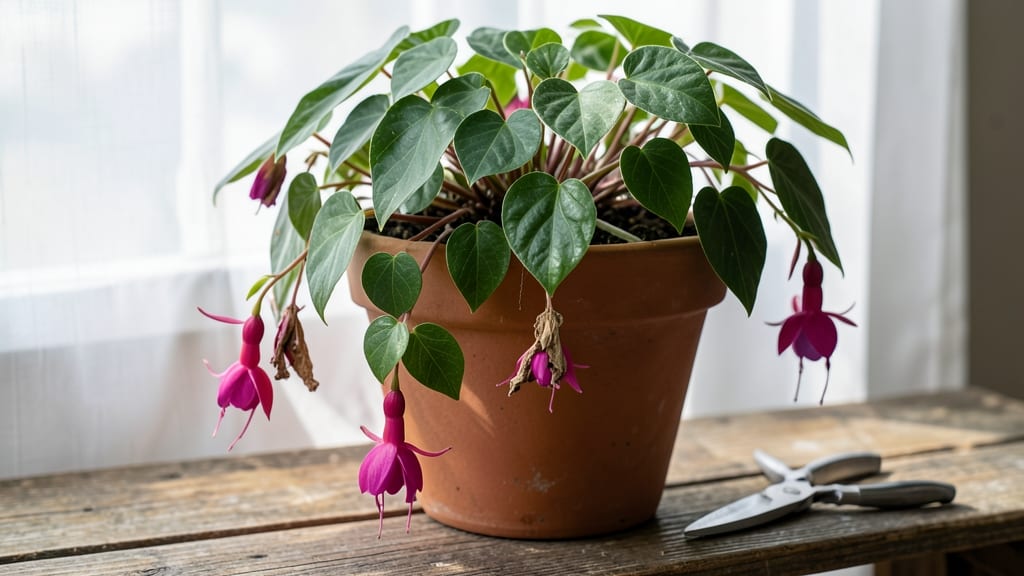
Transforming your patio or balcony into a vibrant vertical garden starts with the right hanging plant—purple flowers add drama and softness in equal measure. 🌿 I’ve tested dozens of trailing beauties, and the top five deliver bold blooms that spill over edges like liquid color.
The secret isn’t just picking purple; it’s matching their growth habits to your space.
Think of these plants as living curtains: fuchsias drape elegantly, petunias tumble in waves, and lobelia creates a lacy purple veil. They thrive in partial sun, need well-draining soil, and reward you with blooms from spring to frost.
The best part? You can mix them in one basket or layer them in vertical planters for a cascading effect that turns heads.
Start with a 12-inch hanging basket or a sturdy macramé holder—just ensure drainage holes are present. Pair deep purples with silver foliage for contrast, or go monochromatic with white-edged foliage for a dreamy look.
Prune spent blooms weekly to encourage nonstop flowering, and fertilize lightly every two weeks during peak growth.
These plants adapt beautifully to urban balconies, rustic porches, or modern patios. In warmer climates, they’ll bloom year-round; in cooler zones, treat them as annuals for summer-long color.
The key is keeping soil moist but not soggy—overwatering is the fastest way to lose those lush blooms. Ready to hang your first purple cascade?
📚 In This Guide
- What you need
- Instructions
- Tips and common mistakes
- Wrapping up and next steps
What you need
- ● Hanging planter: 1 macramé, woven, or ceramic planter (10–12" diameter for mature plants).
- ● Purple-flowering plant: 1–2 cuttings or young plants of Fuchsia, Begonia, Lobelia, or Petunia (ensure they thrive in hanging conditions).
- ● Well-draining potting mix: 2–3 gallons of a lightweight blend (e.g., 60% peat moss, 30% perlite, 10% compost).
- ● Slow-release fertilizer: 1–2 pellets or granules (10–14-10 NPK ratio) for nutrient boost.
- ● Watering can or spray bottle: 1 (with a fine rose nozzle for gentle hydration).
- ● Pruning shears: 1 pair (for trimming dead leaves or shaping growth).
- ○ Support stakes (optional): 1–2 small wooden or bamboo stakes (if plants need extra stability).
- ○ Decorative accents (optional): Moss, pebbles, or hanging charms to enhance aesthetics.
- ○ Sunlight meter (optional): 1 (to check light conditions for your plant’s needs).
- ● Access to a bright, indirect light source (4–6 hours of sunlight daily).
- ● A drainage tray or saucer (to catch excess water and prevent root rot).
- ● Patience! Give your plant 4–6 weeks to establish roots and bloom fully.
Step-by-Step guide to cultivating a stunning purple-blooming hanging plant
Here’s how to transform any space with cascading purple blooms—no green thumb required.
🌱 Step 1: Select the Perfect Purple-Blooming Variety
Start with a proven performer like fuchsia, petunia, or lobelia—these thrive in hanging baskets and produce vibrant purple flowers all season. Fuchsias offer velvety blooms, while petunias deliver nonstop color. Lobelia’s delicate flowers cascade beautifully, perfect for tiered displays.
Check your USDA hardiness zone—most purple hanging plants prefer zones 9-11 but can be grown as annuals in cooler climates. If you’re in a colder zone, opt for petunias (they handle brief chills better) or bring fuchsias indoors before frost. I always choose disease-resistant hybrids—they’re worth the slight premium.
🪴 Step 2: Assemble Your Hanging Basket System
Use a 12-14 inch hanging basket with built-in watering reservoir—this keeps roots consistently moist without drowning them. Line the bottom with 1 inch of moisture-retentive liner (like coconut coir) to prevent soil from spilling out while allowing excess water to drain. I swear by terra cotta liners because they wick moisture better than plastic.
Fill the basket ⅔ full with lightweight potting mix (avoid garden soil—it compacts and suffocates roots). Mix in ½ cup perlite per basket to improve aeration. Avoid heavy mixes; they’ll weigh down your plant as it grows. Tap the basket gently on the table to settle the soil evenly—no air pockets here.
☀️ Step 3: Plant and Position for Optimal Blooms
Remove the plant from its nursery pot and gently tease the roots apart—this encourages them to spread into the new basket. Place 2-3 plants per 12-inch basket (closer spacing = fuller, faster blooms). Dig a hole twice as wide as the root ball and position the plant so the top of the root ball sits ½ inch below the basket rim—this prevents soil from spilling out as the plant grows.
Water deeply until it drains from the bottom, then place your basket in morning sun with afternoon shade (especially in hot zones). Purple flowers like fuchsias and petunias need 4-6 hours of direct sun daily but will scorch in relentless afternoon heat. If your space gets intense sun, move it to a dappled-light spot—you’ll see more blooms and fewer crispy leaves.
💧 Step 4: Master the Watering Routine
Check moisture daily during the first week—hanging baskets dry out faster than ground plants. Stick your finger 1 inch into the soil; if it feels dry, water thoroughly until water runs out the bottom. Use room-temperature water (cold shocks roots) and avoid overhead watering after planting—it can dislodge soil and bury stems.
Once established, water every other day in heatwaves or when the soil feels bone-dry to the touch. Purple bloomers like consistent moisture but hate soggy roots. I set a timer on my phone—7 AM and 5 PM—to remind me, especially when I’m busy. Overwatering is the #1 killer of hanging plants; if leaves yellow or stems soften, cut back immediately.
✂️ Step 5: Prune and Feed for Continuous Color
Deadhead spent blooms weekly—this redirects energy to new flowers instead of seed production. Pinch off flowers at the base with your thumb and forefinger (no scissors needed). For fuchsias, also trim leggy stems back to just above a leaf node—this encourages bushier growth and more blooms. I do this every 10-14 days during peak bloom season.
Feed with balanced liquid fertilizer (10-10-10) every 2 weeks once flowers appear. Purple bloomers are heavy feeders, but half-strength applications prevent leaf burn. If you notice lots of leaves but few flowers, switch to a low-nitrogen, high-phosphorus fertilizer (5-10-10) to boost blooming. I also add 1 tablespoon of compost tea monthly for extra nutrients—your plants will reward you with bigger, brighter blooms.
Tips & tricks for perfect purple-blooming hanging plants
Between us, these little details make all the difference between a basket that thrives and one that just survives.
Lighting Strategy: The 4-6 hours of morning sun is non-negotiable for vibrant purple blooms, but here's what nobody tells you—if your space gets intense afternoon sun, move the basket to a spot with filtered light by midday. I've seen fuchsias scorch in direct afternoon rays even when morning sun was perfect. For extra protection, hang sheer white fabric over the basket during peak afternoon heat while still allowing light through.
Root Development Hack: When teasing roots apart in Step 3, don't just pull—they should separate easily with gentle pressure. If they resist, soak the root ball in water for 10 minutes first. This prevents root damage while encouraging faster establishment. I also make sure to position the plants so their growth habits complement each other: place fuchsias in the center (they grow upward) with trailing lobelia around the edges.
Watering Intelligence: The daily moisture check during the first week is crucial, but here's the pro move: water from the bottom whenever possible. Place the basket in a shallow tray of water for 10 minutes to let the roots soak up moisture through the drainage holes. This prevents fungal issues from overhead watering while ensuring even hydration. I do this every other watering after the initial week to give the roots a break from surface moisture.
Fertilizer Timing: The 2-week feeding schedule is perfect, but don't start until you see actual flower buds forming—not just leaves. I wait until I notice the first purple hints before beginning the 10-10-10 fertilizer routine. For the monthly compost tea, I mix it directly into the watering can and apply it during the morning watering session. This dual approach gives your plants a nutrient boost without overwhelming them.
Pro Tips for Hanging Plant With Purple Flowers
- Between us, these little details make all the difference between a basket that thrives and one that just survives.
- I've seen fuchsias scorch in direct afternoon rays even when morning sun was perfect.
- Root Development Hack: When teasing roots apart in Step 3, don't just pull—they should separate easily with gentle pressure.
Frequently asked questions
Got questions about adding a hanging plant with purple flowers to your space? You’re not alone! Here are some of the most common queries—and their easy answers—to help you get started with confidence.
What are the best hanging plants with purple flowers for beginners?
Start with low-maintenance options like String of Hearts (Ceropegia woodii), which boasts delicate purple blooms and trailing vines, or African Violet (Saintpaulia) in hanging baskets. Begonias (like Begonia boliviensis) are also great—their waxy leaves and purple flowers thrive in bright, indirect light. Choose one that matches your light conditions (sunny vs. shaded) for the easiest care!
How often should I water a hanging plant with purple flowers?
Watering depends on the plant and environment, but most hanging purple bloomers prefer slightly moist (not soggy) soil. Check the top inch of soil—if it’s dry, it’s time to water! String of Hearts and African Violets like consistent moisture, while Begonias prefer to dry out slightly between waterings. Hang your pot in a spot with good airflow to prevent overwatering and root rot.
Can I grow these plants indoors or do they need outdoor conditions?
Many hanging plants with purple flowers thrive indoors as long as they get the right light. Place them near east- or north-facing windows for gentle sunlight, or use grow lights if natural light is limited. Avoid harsh afternoon sun, which can scorch delicate leaves. African Violets and Begonias are especially adaptable to indoor spaces—just keep humidity up with a pebble tray!
Why aren’t my purple flowers blooming? What can I fix?
Lack of blooms often comes down to light, nutrients, or stress. Move your plant to a brighter spot (but avoid direct sunburn). Feed it with a balanced liquid fertilizer every 4–6 weeks during growing season. African Violets need cooler nights (around 60°F) to trigger blooming. If the plant looks leggy or sparse, prune it gently to encourage bushier growth—and more flowers!
What are some purple-flowering alternatives if my plant isn’t working out?
If your current plant isn’t thriving, try these easy-care purple bloomers:
- Trailing Lobelia – Tiny purple flowers, loves shade, and cascades beautifully.
- Fuchsia – Dramatic dangling blooms; needs partial shade and regular water.
- Calibrachoa – "Million Bells" with tiny purple flowers; great for baskets.
- Ivy Geranium (Pelargonium peltatum) – Heat-tolerant and packed with color.
Wrapping up and next steps
Adding a hanging plant with purple flowers to your space isn’t just about aesthetics—it’s a breath of fresh air (literally!) that brings joy, color, and even air-purifying benefits.
Whether you’re drawn to the bold Begonia, the delicate Fuchsia, or the trailing Petunia, these plants are the perfect way to transform any corner into a lush, vertical garden. 🌸
Now that you’re armed with the right knowledge, it’s time to take the next step. Grab your favorite purple blooms, follow the care tips, and watch your space thrive! Happy planting—your walls (and Instagram feed) will thank you. 🌱