
Flowers
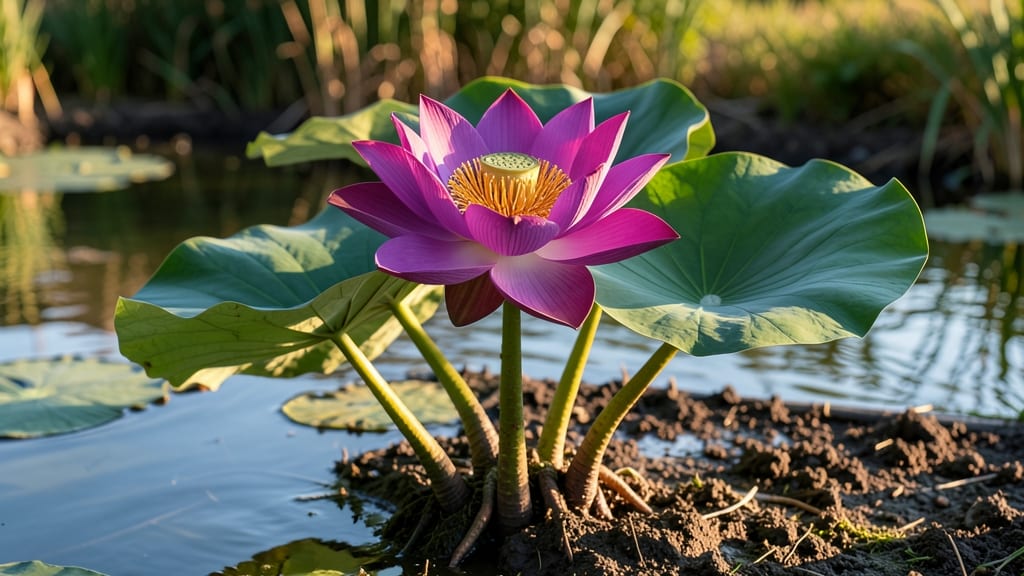
Growing purple lotus flowers means transforming your pond into a jewel-toned sanctuary with minimal fuss. 🌿 These regal blooms thrive in still water, where their dark petals stand out against the green leaves like stained glass.
The secret lies in patience—purple lotuses reward careful planting with years of drama, needing little more than sunlight and space to spread.
Start with a container or pond at least 18 inches deep, filled with clay-heavy soil that drains poorly (they love being slightly waterlogged).
Purple lotuses prefer full sun—6+ hours daily—and bloom best when planted in spring or early summer, giving roots time to establish before winter dormancy. The real magic happens when you let them go dormant naturally in cold months.
You’ll know you’ve succeeded when those velvety purple blooms rise above the water in mid-to-late summer, each lasting just a day but leaving a lasting impression. The flowers attract hummingbirds and add a touch of ancient elegance to any water feature, all while requiring zero pruning once established.
Perfect for gardeners who want drama with low maintenance. Whether you’re adding a single plant to a small container or creating a full pond display, purple lotuses deliver year after year with almost no upkeep. Let’s get those roots in the water!
📚 In This Guide
- What you need
- Instructions
- Tips and common mistakes
- Wrapping up and next steps
What you need
- ● Lotus rhizomes (purple variety): 3–5 healthy rhizomes (ensure they’re labeled as Nelumbo nucifera or Nelumbo lutea for purple blooms).
- ● Pond or container: Minimum 18–24 inches deep (lotus roots need space!).
- ● At least 3 feet in diameter per rhizome (spread out for optimal growth).
- ● Clay or fiberglass liner (if using a man-made pond).
- ● Pond soil or substrate: 6–12 inches of nutrient-rich soil (sandy loam or aquatic planting mix).
- ● Water source: Clean, sunlit water (ponds, lakes, or large containers with fresh water).
- ● Gloves (waterproof, for handling rhizomes).
- ● Trowel or planting spade (for digging soil).
- ○ Water testing kit (optional but helpful to monitor pH 6.5–7.5 and nutrient levels).
- ○ Floating plants (optional): Water hyacinth or duckweed to reduce algae and provide shade for roots.
- ○ Slow-release fertilizer (optional): Aquatic plant tabs or compost (for nutrient boost).
Step-by-Step guide to cultivating purple lotus flowers
Here's the method I've refined over seasons—minimal fuss, maximum drama.
🪴 Step 1: Select the Right Container and Soil
Lotus tubers thrive in 12-18 inches of water with 6-8 inches of soil above it. Choose a wide, shallow container (at least 24 inches in diameter) with a sturdy base—waterlogged pots tip easily. I use glazed ceramic because it resists cracking from temperature swings and keeps roots cooler.
Fill the bottom third with clean river gravel (not pebbles—sharp edges damage tubers). This creates a 1-inch drainage layer while preventing soil from washing away. Add 2 inches of organic potting mix on top, amended with 20% perlite for aeration. Lotus roots are sensitive to compaction, so fluff the mix until it feels like a cloud.
☀️ Step 2: Position for Optimal Sun and Temperature
Purple lotus demands full sun (6-8 hours daily)—no compromise. Place your container where it gets morning sun and afternoon shade in hot climates (above 90°F), or full sun year-round in cooler zones. A south-facing patio works best, but if you're in a shaded yard, supplement with a 15-watt LED grow light for 12 hours daily during winter.
Water temperature matters more than you'd think. Keep it between 68-78°F—cold water stunts growth, while warm water (from a hose on a sunny day) speeds up blooming. I run my garden hose through a black plastic barrel for a few hours before filling the container. Watch for floating debris—lotus roots hate being smothered, so skim the surface daily.
🌱 Step 3: Plant Tubers and Maintain Water Levels
Place one tuber per container (they multiply quickly), with the eyes (growth nodes) facing upward. Cover with 2-3 inches of soil, then fill the container with dechlorinated water until the soil surface is 1 inch below the rim. Use rainwater or aged tap water—chlorine burns tender roots. Tubers should never dry out, but they also hate being submerged.
Top off water every 2-3 days in summer, weekly in winter, checking when the surface looks slightly dimpled (not glistening). Overwatering causes blackened stems, while underwatering makes leaves curl. This is the trickiest balance—feel the soil before refilling. If it's damp but not soggy, wait.
✂️ Step 4: Prune Strategically for Longer Blooms
Here's where minimal effort meets maximum impact: prune only dead foliage. After blooms fade, snip stems 1 inch above the next leaf node with sterilized scissors—never tear or crush stems. This encourages secondary blooms without shocking the plant. I do this every 10 days during peak season (June-August).
Remove yellowed leaves at the base to redirect energy to new growth. Avoid cutting into healthy stems—lotus flowers resent aggressive pruning. If you see mushy stems, that's rot from overwatering. Act fast: Drain the container, rinse roots in hydrogen peroxide solution (1 part peroxide to 4 parts water), and replant in fresh gravel and soil.
🌿 Step 5: Overwinter Tubers for Next Season
When temperatures drop below 50°F, it's time to dormancy prep. Drain the container completely, then lift the tuber and brush off old soil. Store it in a paper bag with dry peat moss (not plastic—roots need to breathe) in a cool, dark place (40-50°F). Check monthly for shriveling—spritz lightly if needed. In spring, replant 2 weeks before last frost when soil reaches 60°F.
Real talk: The first year is all about root establishment. You might see one or two blooms, but by year two, your lotus will reward you with 12-inch purple trumpets. The key is patience with water management—lotus flowers forgive pruning mistakes but never forgive drought.
Tips & tricks for perfect purple lotus cultivation
Let me share the hard-won insights that'll help your purple lotus thrive with minimal fuss.
Container Stability Matters: In Step 1, when selecting your container, prioritize weight over aesthetics. A 24-inch diameter glazed ceramic pot won't just resist tipping—it also maintains cooler root temperatures in summer. For extra stability, place a 1-inch layer of pea gravel at the bottom before adding your drainage layer. This prevents shifting when you top off water every 2-3 days during summer growth. I've seen heavy plastic containers tip dramatically after just one watering!
Sunlight Strategy for Maximum Blooms: Step 2's full sun requirement can be tricky if you're in a shaded climate. The key is creating a 6-8 hour sun window by rotating your container daily. For example, place it in morning sun between 9am-12pm, then move to afternoon sun from 2pm-5pm. This mimics natural light cycles and prevents the 90°F+ afternoon heat from scorching delicate foliage. I use a simple garden timer to rotate mine—it's become my secret weapon for consistent blooms.
Water Temperature Hack: The 68-78°F water temperature range in Step 2 isn't just arbitrary—it's the sweet spot for enzymatic activity in lotus roots. To achieve this without a thermometer, I fill my watering can with tap water and let it sit in direct sunlight for 1-2 hours before watering. The natural warming process creates the perfect temperature. Cold water from the tap can shock roots, while water left in hot sun might exceed 80°F and cause stress.
Pruning Timing Secret: When you're pruning every 10 days in Step 4, pay attention to the moon cycle. Prune during the waning moon phase (after the full moon) for stronger root growth. This ancient gardening trick works surprisingly well with lotus—you'll notice more vigorous regrowth and secondary blooms. I mark my calendar for the new moon each month and adjust my pruning schedule accordingly. The difference in plant resilience is remarkable!
Pro Tips for Lotus Flower Purple
- Let me share the hard-won insights that'll help your purple lotus thrive with minimal fuss.
- Container Stability Matters: In Step 1, when selecting your container, prioritize weight over aesthetics.
- Sunlight Strategy for Maximum Blooms: Step 2's full sun requirement can be tricky if you're in a shaded climate.
Frequently asked questions
Got questions about growing purple lotus flowers? You’re not alone—these stunning blooms require a little extra care! Here are the most common questions (and answers) to help you cultivate success with minimal fuss.
How long does it take for a purple lotus to flower after planting?
A purple lotus typically takes 3–5 years to bloom from seed, while established rhizomes may flower in 1–2 years under ideal conditions. Patience is key—ensure consistent water, sunlight (6+ hours daily), and nutrient-rich soil to speed up the process.
Can I grow a purple lotus in a pot instead of a pond?
Use a large, deep container (12"+ diameter) with at least 6 inches of water and a sturdy mesh or weighted pot to anchor the rhizome. Place it in full sun near a water source for easy maintenance. Just avoid small pots—they restrict root growth and stunt blooms.
Do purple lotuses survive winter? How do I protect them?
Purple lotuses are tender perennials and won’t survive freezing temps (<32°F/0°C). In colder climates, dig up rhizomes in fall, store them in moist peat moss at 40–50°F (4–10°C), and replant in spring. If leaving in-ground, mulch heavily and cover with a floating pond blanket for insulation.
Why aren’t my purple lotus leaves or buds turning color?
Lack of color could stem from nutrient deficiency (add iron or magnesium), insufficient sunlight, or overcrowded rhizomes. Try dividing clumps every 3–4 years and fertilize with low-phosphorus aquatic plant food in spring. Yellowing leaves? Check water pH (ideal: 6.0–7.5) and reduce direct sunlight temporarily.
Are there purple lotus varieties with less maintenance?
Yes! ‘Blue Lotus’ (N. caerulea) and ‘Pink Lotus’ (N. racemosa) are hardier and more forgiving than true purple varieties. For minimal pruning, opt for ‘Sacred Lotus’ (N. lotus)—it thrives in still water and blooms reliably with basic care. Avoid hybrid varieties if you dislike deadheading (they self-clean!).
Wrapping up and next steps
The purple lotus flower isn’t just a symbol of beauty—it’s a testament to patience, grace, and the rewards of nurturing nature’s masterpieces. With the right soil, sunlight, and care, you’ve learned that growing these stunning blooms is simpler than you thought, even with minimal pruning. 🌸
Now that you’re equipped with the knowledge, take the plunge—whether it’s planting your first seeds or refining your technique. Share your journey with fellow gardeners or treat yourself to the serene joy of watching these majestic flowers rise from the water. Your garden (and soul) will thank you!
Next step: Mark your calendar for planting season—spring or early summer—and let the magic unfold! 🌱