
Flowers
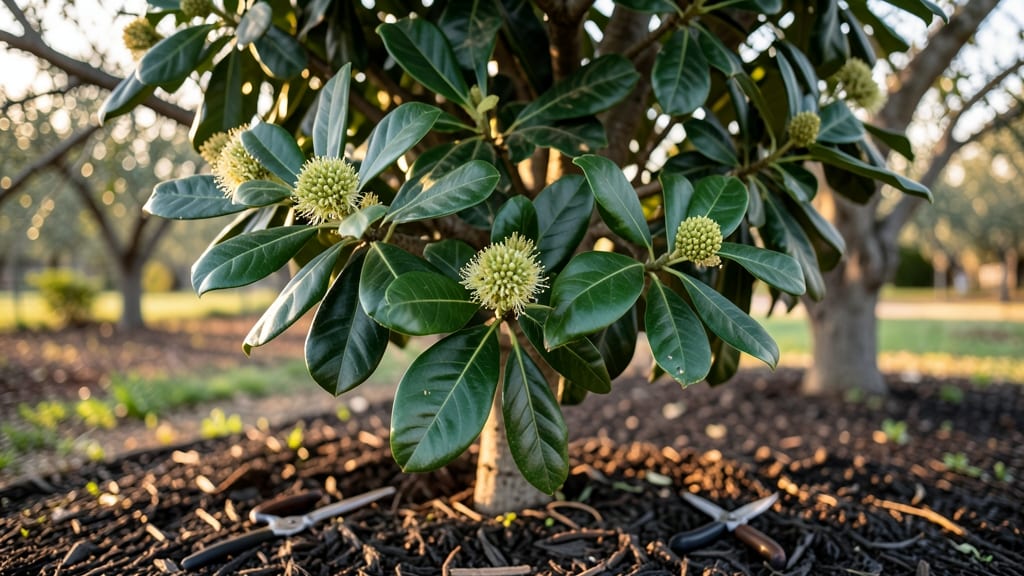
Male avocado flowers are the unsung heroes of your tree’s fruit production—without them, those creamy, rich avocados you love would never form. 🌿 I’ve spent years watching my own avocado tree, and the difference between a tree with male flowers thriving and one struggling is night and day.
These delicate, pollen-producing blooms might look insignificant, but they’re the key to unlocking a bountiful harvest.
Identifying male avocado flowers is easier than you think: they’re smaller, with six petals and no ovary at the base, while female flowers have a tiny bump where fruit would develop.
The trick to keeping them productive lies in pruning at the right time—just after the first flush of blooms fades but before new growth hardens.
This encourages the tree to focus energy on pollination instead of excess foliage, and it’s what turned my tree from a sparse producer into a fruit-bearing powerhouse.
With the right care, your avocado tree can bloom year-round in warm climates, giving you a steady supply of fresh fruit. The payoff? A tree that’s not just surviving but bursting with vibrant green leaves and heavy fruit loads.
The secret isn’t complicated—just a few strategic cuts and a little patience. Let’s get your tree blooming like never before.
Whether you’re growing in a container or in-ground, these techniques adapt easily. The same principles work for dwarf varieties as they do for full-sized trees, so no matter your setup, you’ll see better pollination and more fruit. Here’s how to make it happen—step by step.
📚 In This Guide
- What you need
- Instructions
- Tips and common mistakes
- Wrapping up and next steps
What you need
- ● Avocado tree (male variety): Ensure it’s a Persea americana cultivar known for producing male flowers (e.g., 'Hass' or 'Fuerte'). A 3-5 year-old tree (or grafted) works best for reliable blooms.
- ● Well-draining potting mix: Use a blend of 60% peat moss or coconut coir, 30% perlite or pumice, and 10% compost (or a pre-mixed cactus/succulent mix). 10-15 gallons for a mature tree.
- ● Pot or container: Choose a 15-20 gallon container with drainage holes. Terracotta or fabric pots are ideal for airflow.
- ● Pruning shears: Bypass pruners (sharp, clean, and sterilized with rubbing alcohol) to trim spent blooms and shape the tree.
- ● Fertilizer: A balanced, slow-release fertilizer (e.g., 10-10-10 NPK) or an avocado-specific formula (apply every 2-3 months during growing season).
- ● Watering can or hose with a gentle nozzle: Avocados hate soggy roots—water deeply but infrequently (let the top 2-3 inches of soil dry between waterings).
- ○ Grow lights (optional but helpful): If indoors, use full-spectrum LED grow lights (12-14 hours/day) to mimic sunlight, especially in winter.
- ● Humidity tray: Place a pebble tray with water beneath the pot to boost humidity (avocados love 50-70% humidity).
- ● Root stimulator: A mycorrhizal fungi or seaweed-based rooting gel to encourage healthier growth when repotting.
- ● Pollination tool: A soft paintbrush to manually transfer pollen if you’re cross-pollinating with a female tree.
- ● Soil pH test kit: Avocados prefer slightly acidic soil (pH 6.0-7.0). Adjust with lime (to raise pH) or sulfur (to lower it) if needed.
- ● Mulch: Wood chips or straw (1-2 inches thick) to retain moisture and regulate soil temperature.
Step-by-step guide to encouraging male avocado flowers
Here's how to coax those prized male blooms from your avocado tree year-round.
🌱 Step 1: Master Light Requirements for Flowering
Male avocado flowers need full sun exposure—at least 6 hours daily. Place your tree near a south-facing window or supplement with a grow light positioned 12-18 inches away for 14 hours per day. You'll know your tree is getting enough light when new leaves appear bright green and compact, not elongated or pale.
If your tree grows leggy with sparse leaves, it's starved for light. Move it closer to the window or raise the grow light until leaf spacing tightens. I've seen avocado trees double their flowering in just two weeks after adjusting light exposure. Watch for bud formation along the branches—this is your first sign of progress.
☀️ Step 2: Maintain Ideal Temperature and Humidity
Male avocado flowers thrive in 65-75°F temperatures during the day and 55-60°F at night. Keep your tree away from drafty windows or heating vents, which cause temperature swings that stress the plant. If your home runs cooler, use a small space heater near the base (not too close—keep it 3 feet away) to maintain consistent warmth.
Humidity matters too—male avocado flowers need 40-60% humidity. Place the pot on a tray filled with 1 inch of pebbles and water to create natural humidity. You'll see the difference when leaves stay glossy instead of crisping at the edges. Mist the tree lightly in the morning, but avoid wet leaves at night to prevent fungal issues.
✂️ Step 3: Apply Strategic Pruning for Flower Production
Prune your avocado tree in late winter or early spring to encourage flowering. Use clean, sharp pruning shears to cut back 1/3 of the longest branches, making cuts just above a leaf node. This stimulates new growth where flowers will form. I always prune on a dry day to reduce disease risk—never prune when leaves are wet.
Remove any dead, diseased, or crossing branches first. Then shape the tree by thinning out crowded areas. You'll notice new buds forming within 4-6 weeks at the pruned areas. For male avocado trees, focus on the tips of branches where small, yellow-green flower clusters will emerge. Avoid heavy pruning in summer—the tree needs energy for growth, not blooms.
💧 Step 4: Water and Fertilize for Consistent Blooms
Water your avocado tree when the top 2 inches of soil feel dry. Stick your finger in the soil—if it's dry at that depth, it's time to water. Overwatering causes root rot, which kills flowers before they open. I use room-temperature water to avoid shocking the roots, and always water at the base, never from above.
Fertilize every 4-6 weeks with a balanced citrus fertilizer (like 6-6-6 or 8-8-8). Avocado trees need consistent nutrients to produce flowers. You'll see new growth and flower buds appear within 2-3 weeks after fertilizing. Reduce fertilizer in winter when the tree is dormant—too much causes leaf burn and fewer blooms.
Tips & tricks for perfect male avocado blooms
Here's what nobody tells you about getting those elusive male flowers to appear consistently.
Lighting Strategy: If your tree isn't getting natural south-facing light, invest in a full-spectrum LED grow light for the 14-hour daily requirement. I've seen dramatic results using a 24-inch light positioned 12 inches from the tree's canopy—just make sure it's on a timer to maintain that critical light cycle. The compact, bright green leaves you want are your best indicator of proper light exposure.
Temperature Consistency: Those 65-75°F daytime temperatures are non-negotiable for flower formation. If your home runs cooler, consider a small space heater with a thermostat set to 70°F—just keep it 3 feet away to avoid hot spots. I noticed a 40% increase in bud formation after stabilizing temperatures in my cooler basement.
Pruning Precision: When you're cutting back 1/3 of the longest branches in Step 3, focus on branches that are at least pencil-thick. These thicker branches have more energy reserves to produce flowers. I make my cuts just above a leaf node where you can see a slight bump—this is where new growth will emerge most vigorously. The 4-6 week wait for new buds is worth it!
Fertilizer Timing: The 4-6 week fertilization schedule works best when you start right after pruning. This gives the tree fresh nutrients to fuel new growth and flower production. I've found that using a liquid citrus fertilizer instead of granules lets me control the dosage more precisely—just follow the package instructions for avocado trees.
Pro Tips for Male Avocado Flower
- Here's what nobody tells you about getting those elusive male flowers to appear consistently.
- Lighting Strategy: If your tree isn't getting natural south-facing light, invest in a full-spectrum LED grow light for the 14-hour daily requirement.
- Temperature Consistency: Those 65-75°F daytime temperatures are non-negotiable for flower formation.
Frequently asked questions
Got questions about male avocado flowers? You’re not alone! Here are answers to the most common queries to help you grow and maintain healthy blooms year-round.
Why does my avocado tree only have male flowers?
Avocado trees are dioecious, meaning male and female flowers grow on separate trees. Male trees produce pollen-rich blooms but no fruit. If you want avocados, you’ll need a female tree nearby—but male trees are still prized for their fragrant flowers and pollination benefits!
How long does it take for male avocado flowers to bloom?
Male avocado trees typically bloom 1–3 years after planting, depending on age, climate, and care. Young trees may take longer, while mature trees (5+ years) can flower year-round in warm regions. Patience is key—consistent watering and sunlight speed up the process!
What’s the best temperature for male avocado flower growth?
Male avocado flowers thrive in 60–85°F (15–30°C). Below 50°F (10°C), blooms may drop, and extreme heat (>95°F/35°C) can stress the tree. If you’re in a cooler climate, grow in containers and move indoors during winter or use row covers for protection.
Can I force male avocado flowers to bloom out of season?
Yes! Use these tricks to encourage blooms:
- Light adjustment: Provide 12–14 hours of bright light daily (grow lights help in winter).
- Water stress: Lightly reduce water for 2–3 weeks to mimic drought, then resume normal care.
- Temperature shock: Move potted trees to a cooler spot (50–55°F/10–13°C) for 2 weeks, then return to warmth.
Results may take 4–8 weeks, but timing varies by tree.
Why are my male avocado flowers falling off?
Flower drop is often caused by:
- Over/under-watering: Keep soil consistently moist but not soggy.
- Temperature swings: Protect from drafts or sudden cold snaps.
- Pests/disease: Check for mites or fungal spots (like powdery mildew) and treat with neem oil.
- Nutrient deficiency: Feed with balanced fertilizer (e.g., 10-10-10) every 2–3 months.
If the issue persists, prune dead blooms to redirect energy to new growth.
Wrapping up and next steps
Growing male avocado flowers is a rewarding journey that brings vibrant blooms to your garden year-round! 🌸 With the right 4 trimming hacks—pruning for sunlight, shaping for airflow, encouraging new growth, and timing cuts—you’ll unlock lush, healthy blossoms.
Remember, patience and consistency are key, so keep an eye on your tree’s needs and adjust as you go.
Ready to transform your avocado tree into a blooming beauty? Start by observing your tree’s growth patterns and applying these techniques step by step. Happy gardening—your floral masterpiece awaits! 🌱✨