
Flowers
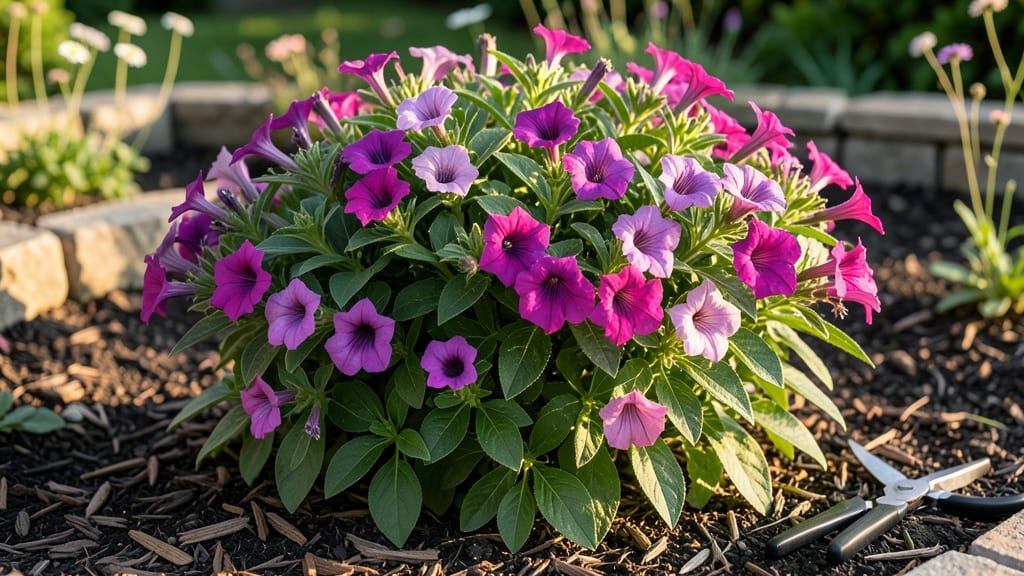
Growing million bell flowers (Calibrachoa) turns any space into a nonstop floral show—those tiny blooms erupt within 6-8 weeks of planting, and they keep coming until frost. I remember my first basket exploding with pink and purple flowers by early summer, and neighbors asking what "magic" I'd used.
The secret isn't magic—it's matching their love of heat and sun with the right growing conditions.
These petunia cousins thrive in full sun to partial shade, though they reward bold sunlight with the most prolific blooms. They're equally at home in hanging baskets, window boxes, or garden beds, and their trailing habit makes them perfect for cascading displays.
The soil? Light, well-draining mixes work best—think 50% potting soil, 30% perlite, 20% compost—and they'll forgive occasional drought once established.
What you'll get is a garden that looks like it took months to perfect—in just weeks. The flowers arrive in waves of color, their delicate petals contrasting with glossy green foliage.
Deadheading spent blooms keeps production high, and pinching back leggy stems encourages bushier growth. They pair beautifully with sweet potato vine, lobelia, or dusty miller for contrast.
Fair warning: these plants grow like weeds once happy, so plan for frequent blooms and occasional self-seeding. The trade-off? A season of effortless drama that makes every patio or garden bed feel like a showstopper. Ready to grow your own floral fireworks?
📚 In This Guide
- What you need
- Instructions
- Tips and common mistakes
- Wrapping up and next steps
What you need
- ● Million Bell Flowers Seeds or Plants: Choose Calibrachoa varieties like ‘Superbells,’ ‘Million Bells,’ or ‘Mini Bells’ (annuals, not cold-hardy).
- ● Quantity: 10–20 plants per square foot for dense blooms (or 1 plant per 6–12" of hanging basket space).
- ● High-Quality Potting Mix: Use a well-draining, peat-based mix (e.g., African violet or seed-starting mix) for containers.
- ● For garden beds: Amend soil with compost (1 part compost to 3 parts native soil) to improve drainage.
- ● Containers or Garden Space: Containers: Minimum 6–8" diameter (deeper for trailing varieties). Use fabric or self-watering pots to prevent root rot.
- ● Garden Beds: Full sun (6+ hours daily) with well-drained soil (avoid clay-heavy areas).
- ● Basic Gardening Tools: Trowel or small hand shovel
- ● Pruning shears (for deadheading)
- ○ Gloves (optional but recommended)
- ● Fertilizer: Balanced liquid fertilizer (10-10-10 or 20-20-20), diluted to half-strength every 2 weeks.
- ● Slow-release granules (e.g., Osmocote) mixed into soil at planting.
- ● Watering Supplies: Watering can with a rose attachment (for gentle watering).
- ○ Drip irrigation or self-watering system (optional but ideal for busy gardeners).
- ● Mulch: Cocoa hulls or pine bark to retain moisture and suppress weeds.
- ● Support Stakes: For trailing varieties (e.g., bamboo stakes or trellis).
- ● Epsom Salt: 1 tbsp per gallon of water monthly for magnesium boost (prevents yellowing leaves).
- ● Garden Markers: Label plants with variety names (e.g., ‘Superbells Purple’).
Step-by-step instructions for cultivating million bell flowers
Here’s how to coax vibrant, nonstop blooms from these prolific annuals—no waiting months for color.
Select the Perfect Planting Site
Million bell flowers thrive in full sun to partial shade—6+ hours of direct sunlight triggers their rapid flowering. I always choose a spot with afternoon shade in hot climates, as leaves can scorch under intense midday rays. The soil should drain well; these plants despise soggy roots.
Test drainage by digging a 6-inch hole and filling it with water. If it drains within 30 minutes, you’re good to go. Amend heavy clay with 2 inches of compost to improve aeration. I swear by raised beds for these flowers—they bloom like crazy there.
Prepare Soil and Plant with Precision
Work 2 inches of compost into the top 6 inches of soil to ensure nutrients are available for their fast growth. Million bell flowers aren’t fussy about pH, but a slightly acidic to neutral range (6.0–7.0) keeps them happiest. Mix in a slow-release granular fertilizer at planting time for an instant nutrient boost.
Dig holes twice as wide as the root ball but no deeper—planting too deep suffocates the roots. Space plants 12–18 inches apart for air circulation, which prevents fungal diseases. Water deeply before planting to settle the soil around roots.
Water Strategically for Nonstop Blooms
Keep soil evenly moist for the first 2 weeks after planting—this encourages strong root establishment. Once established, water deeply once a week, allowing the top 2 inches of soil to dry between waterings. Overwatering causes yellowing leaves and stunted blooms.
Mulch with 2–3 inches of organic mulch (like shredded bark) to retain moisture and suppress weeds. I always mulch after the first flush of blooms appears—it keeps the soil cool and prevents stress during heatwaves.
Prune for Longer Blooming Seasons
Deadhead spent blooms weekly to encourage continuous flowering. Pinch off flowers just above a set of leaves—this redirects energy to new buds instead of seed production. I use clean, sharp scissors to avoid damaging stems.
If plants look leggy, trim back one-third of the tallest stems in early summer. This promotes bushier growth and more flowers. Avoid heavy pruning late in the season, as it can reduce winter hardiness in cooler climates.
Feed and Protect for Maximum Impact
Fertilize every 4–6 weeks with a balanced liquid fertilizer (10-10-10) during the growing season. Too much nitrogen leads to lush foliage but fewer blooms—stick to the recommended dosage. I always fertilize after watering to prevent root burn.
Watch for pests like aphids or spider mites, which love the tender new growth. Spray plants with neem oil at the first sign of infestation—it’s organic, effective, and won’t harm pollinators. Aphids cluster on new shoots, so check regularly.
Tips & tricks for perfect million bell flowers
These game-changing strategies will help you transform your garden into a nonstop floral spectacle in record time.
Sunlight Strategy: While million bell flowers thrive in full sun, I’ve found that morning sun with afternoon shade in hot climates delivers the most vibrant blooms. The key is avoiding that intense midday sun that can scorch leaves—especially in southern climates. If you notice leaves curling or turning yellow, it’s time to provide some afternoon shade relief. This simple adjustment can double your blooming season!
Soil Science: The 6-inch drainage test is your secret weapon for preventing root rot. I’ve seen soggy soil turn these prolific bloomers into sad, yellowing plants. For heavy clay soils, mix in that 2 inches of compost down to 6 inches—this creates the perfect airy environment roots love. Pro tip: Raised beds solve drainage issues completely while giving you that dramatic vertical display of cascading flowers.
Watering Wisdom: That first 2-week period of even moisture is absolutely critical—it’s when roots establish themselves. I’ve made the mistake of skipping this step, and the plants took weeks to recover. After establishment, let the top 2 inches dry between waterings—this prevents those dreaded yellow leaves. And here’s a trick: Water at the base rather than overhead to keep foliage dry, which dramatically reduces fungal diseases.
Pruning Precision: When deadheading weekly, always pinch just above a leaf set—this redirecting of energy is what keeps those blooms coming nonstop. I’ve seen gardeners snip too close to the stem, which stunts new growth. For leggy plants, trim back one-third of the tallest stems in early summer—this forces bushier growth and more flowers. Just avoid late-season pruning if you’re in a cooler climate, as it can reduce winter hardiness.
Pro Tips for Million Bell Flowers
- These game-changing strategies will help you transform your garden into a nonstop floral spectacle in record time.
- Sunlight Strategy: While million bell flowers thrive in full sun, I’ve found that morning sun with afternoon shade in hot climates delivers the most vibrant blooms.
- Soil Science: The 6-inch drainage test is your secret weapon for preventing root rot.
Frequently asked questions
When is the best time to plant Million Bell Flowers?
Plant them after the last frost when soil temps hit at least 60°F (15°C). Since they’re tender annuals, they won’t survive frost. For longest blooms, start seeds indoors 8–10 weeks before the last frost or buy transplants in spring. Pro tip: If you live in a warm climate (Zones 9–11), you can plant them year-round!
How long does it take for Million Bell Flowers to bloom?
With proper care, you’ll see colorful blooms in just 6–8 weeks after planting! They’re famous for their fast, prolific flowering—often within weeks of transplanting. For continuous blooms, deadhead spent flowers regularly and fertilize lightly every 2–3 weeks. Morning sunlight boosts their speed!
Can Million Bell Flowers grow in containers or hanging baskets?
They’re perfect for containers—their trailing habit makes them ideal for hanging baskets, window boxes, or patio pots. Use well-draining soil and a 10–12 inch pot for 1–2 plants. For baskets, mix them with petunias or lobelia for a cascading effect. Just ensure they get 6+ hours of sun daily!
What pests or diseases should I watch for with Million Bell Flowers?
They’re generally pest-resistant, but keep an eye out for:
- Aphids: Spray with water or use neem oil.
- Spider mites: Increase humidity or apply insecticidal soap.
- Powdery mildew: Avoid overhead watering and improve airflow.
If leaves yellow or wilt, check for overwatering—they prefer consistently moist but not soggy soil. Drainage is key!
What’s the best way to keep Million Bell Flowers blooming all season?
For non-stop blooms, follow this routine:
- Deadhead daily (remove faded flowers).
- Fertilize lightly every 2–3 weeks with a balanced, water-soluble fertilizer (10-10-10).
- Ensure 6+ hours of sun (they thrive in full sun but tolerate partial shade).
- Water at the base (avoid wetting leaves to prevent mildew).
Pinch back leggy stems to encourage bushier growth!
Wrapping up and next steps
Growing million bell flowers is a rewarding way to add vibrant color and life to your garden with minimal effort! These fast-blooming annuals thrive in warm climates, offering months of cheerful blooms with just a little care.
Whether you're a seasoned gardener or a beginner, their resilience and beauty make them a must-have for instant garden drama.
Ready to transform your outdoor space? Start by planting your seeds or seedlings this season and watch your garden burst into color! 🌸 For even more inspiration, explore companion plants or creative container ideas to elevate your floral display.