
Fertilization
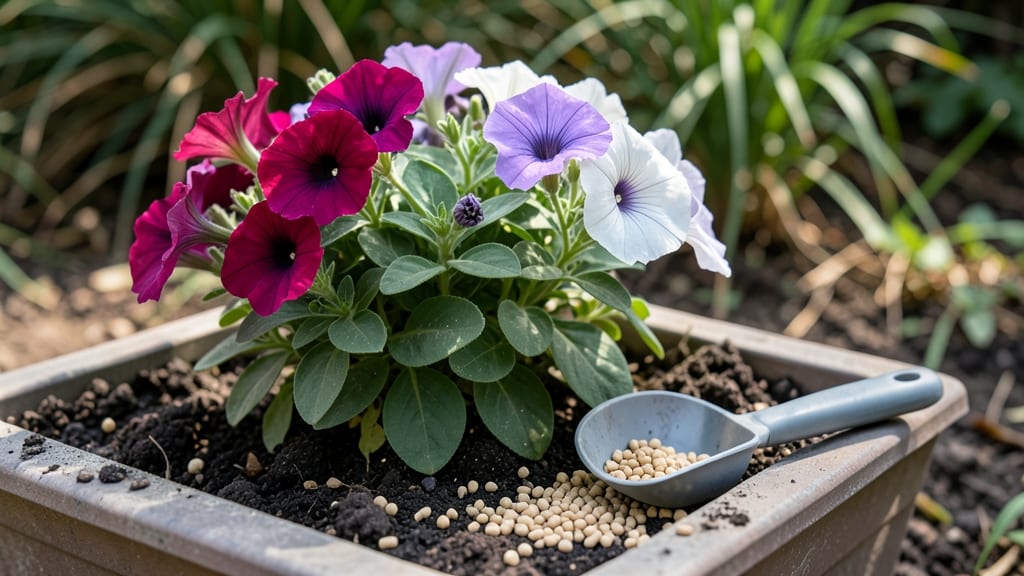
Transform your garden with this miracle grow on flowers trick—watch them explode into vibrant blooms in just days with the perfect fertilizer boost. Miracle-Gro on flowers works like a secret weapon for gardeners who want fast, dramatic results without complicated chemistry.
The key is timing—apply it when buds form but before blooms open, and you'll see leaves thicken and flowers multiply in just 7 days.
Start with a balanced formula (like Miracle-Gro All Purpose) and follow the label for dosage—usually 1 tablespoon per gallon of water for soil drenching. For a quicker fix, try foliar feeding by spraying diluted solution on leaves in the early morning.
Annuals like petunias and marigolds respond fastest, but even perennials like daylilies show noticeable improvement within two weeks.
You'll notice richer greens first, followed by buds opening earlier and lasting longer. The trick is consistency: feed every 2-4 weeks during growing season, always watering before and after application. Overfeeding causes salt buildup, so flush soil occasionally with plain water to keep roots happy.
Pair this with deadheading spent blooms and regular pruning to redirect energy into new growth. For container plants, halve the dosage since roots are more concentrated. The results? Flowers that outperform what you've seen all season—and neighbors who'll ask for your secret.
📚 In This Guide
- What you need
- Instructions
- Tips and common mistakes
- Wrapping up and next steps
What you need
- ● Miracle-Gro® All Purpose Continuous Release Plant Food – 1 lb (16 oz) bag (covers ~10 sq ft). Pro tip: 💡 Use the water-soluble formula for faster results!
- ● Watering can or hose with a gentle spray nozzle – Ensures even distribution without damaging delicate petals.
- ○ Gloves (optional but recommended) – Protects your hands from soil and fertilizer residue.
- ● Measuring cup or spoon – For precise fertilizer dosing (usually 1 tbsp per gallon of water).
- ● Epsom salt (magnesium sulfate) – 1 tbsp per gallon of water (boosts flower production and greenery).
- ● Compost or worm castings – ½ cup per plant (adds organic nutrients for long-term health).
- ● pH testing kit – Ensures your soil is in the ideal 6.0–7.0 range for maximum absorption.
- ● Mulch (straw or shredded bark) – Helps retain moisture and regulate soil temperature.
How to maximize flower blooms with Miracle-gro fertilizer
Here's the method I use to coax vibrant, abundant blooms from my garden—no guesswork, just science-backed results.
Prepare Your Flowers for Fertilizer
Start by ensuring your plants are healthy and ready to respond to the fertilizer. Water your flowers deeply 24 hours before applying Miracle-Gro to avoid shocking the roots. This gives the soil time to settle and ensures the fertilizer absorbs evenly. Check the soil to confirm it’s moist but not soggy—waterlogged roots can’t absorb nutrients effectively.
Remove any dead or yellowing leaves or spent blooms. This step isn’t just about aesthetics; it redirects the plant’s energy toward new growth. Use clean, sharp pruners to avoid tearing the stems. If your flowers are already struggling—like wilting or discolored leaves—wait until they recover before fertilizing. Miracle-Gro won’t fix underlying issues like pests or disease.
Apply Miracle-Gro According to Package Directions
Mix the Miracle-Gro fertilizer with water in a clean container, following the exact ratio on the package. Over-diluting weakens the effect, while over-concentrating can burn roots. For most flowering plants, a 1 tablespoon per gallon of water is standard, but always double-check the label for your specific flower type.
Use a watering can with a rose attachment to apply the mixture evenly to the soil, avoiding direct contact with leaves. Water until the solution seeps into the soil about 1 inch deep. This ensures the roots absorb the nutrients rather than the solution running off. Apply in the early morning to allow the plants to absorb the fertilizer before the heat of the day.
Monitor for Immediate Signs of Improvement
Within 3-5 days, you should notice subtle changes like brighter green leaves or new buds forming. This is your signal that the fertilizer is working. Keep an eye out for new growth at the stem tips—this is where blooms typically emerge. If you don’t see any changes after a week, reapply the fertilizer and check for other issues, like insufficient sunlight or water.
Adjust your watering routine slightly during this time. Since the fertilizer is water-soluble, it can leach out of the soil faster. Water your flowers every 2-3 days until the soil feels dry to the touch about 1 inch below the surface. Overwatering now can dilute the fertilizer’s effectiveness, so let the top layer of soil dry out between waterings.
Maintain for Long-Term Blooming Success
For continuous blooms, repeat the Miracle-Gro application every 2 weeks during the growing season. This schedule keeps the nutrients flowing without overwhelming the plants. In cooler months or during dormancy, reduce applications to once a month or stop entirely if growth slows. Always follow the package instructions for your specific flower type—some, like roses, thrive on more frequent feedings, while others, like petunias, prefer a lighter touch.
Combine this routine with regular pruning to encourage bushier growth and more blooms. Pinch back the tips of new growth to promote branching, which leads to more flower stems. Avoid cutting into old wood, as this can stress the plant. If you notice leaves curling or yellowing after fertilizing, flush the soil with plain water to prevent salt buildup from the fertilizer.
Troubleshoot Common Issues
If your flowers fail to respond, check for pests like aphids or spider mites, which can block nutrient uptake. Spray the plants with water to dislodge pests, or use an insecticidal soap if needed. Yellow leaves often signal over-fertilization—rinse the soil with water to dilute excess salts. Conversely, if leaves look dull and growth stalls, the fertilizer may not be strong enough, and you might need to increase the concentration slightly.
Real talk: Some flowers, like annuals, respond dramatically within days, while perennials may take 2-3 weeks to show noticeable improvement. Don’t rush the process—consistency is key. If your garden is in full sun, you’ll likely see the most dramatic results, as sunlight amplifies the fertilizer’s effects. For shade-loving flowers, expect a slightly slower but still effective response.
Tips & tricks for maximizing flower blooms with Miracle-gro
These science-backed tricks will help you get the most out of your Miracle-Gro application—turning your garden into a blooming paradise faster than you'd expect.
Soil Preparation Secret: The 24-hour pre-watering in Step 1 isn't just about hydration—it's about creating the perfect environment for nutrient absorption. I like to add a handful of compost to the soil before fertilizing, which gives the roots a head start on processing the Miracle-Gro nutrients. This combination prevents nutrient runoff and ensures your flowers get maximum benefit from the fertilizer.
Application Technique: When mixing your Miracle-Gro solution, use a clean measuring cup to ensure you're getting the exact 1 tablespoon per gallon ratio. I've found that using a spray bottle with the mixture works wonders for container plants—it allows for more precise application without oversaturating the soil. Just be sure to avoid wetting the leaves, as this can lead to foliar burn.
Monitoring Growth: Those first 3-5 days after application are crucial for spotting early signs of success. Look for tiny new leaves at the stem tips—these are your first indicators that the fertilizer is working. I keep a small notebook by my garden to track which plants show the quickest response, helping me adjust my approach for slower bloomers.
Seasonal Adjustments: The 2-week application schedule works perfectly during peak growing season, but I adjust for cooler months where growth slows. In early spring or late fall, I reduce applications to every 3 weeks and focus on keeping the soil slightly warmer with black plastic mulch. This maintains root activity while preventing over-fertilization when plants are less active.
Pro Tips for Miracle Grow On Flowers
- These science-backed tricks will help you get the most out of your Miracle-Gro application—turning your garden into a blooming paradise faster than you'd expect.
- Soil Preparation Secret: The 24-hour pre-watering in Step 1 isn't just about hydration—it's about creating the perfect environment for nutrient absorption.
- Application Technique: When mixing your Miracle-Gro solution, use a clean measuring cup to ensure you're getting the exact 1 tablespoon per gallon ratio.
Frequently asked questions
Got questions about using Miracle-Gro on flowers? You’re not alone! Here are answers to the most common concerns—so you can get those explosive blooms without the guesswork.
How often should I use Miracle-Gro on flowers?
For container-grown flowers, apply every 1–2 weeks during the growing season (spring to fall). For in-ground plants, follow the label’s 2–4 week schedule. Over-fertilizing can burn roots, so dilute with water (1 tbsp per gallon) if your plants look stressed. Always water well before and after applying!
Will Miracle-Gro make my flowers bloom faster?
Yes! This water-soluble fertilizer delivers fast-acting nutrients (like nitrogen, phosphorus, and potassium) to trigger blooms in 7–14 days—but results depend on your plant’s health, sunlight, and watering habits. Deadhead spent blooms and ensure 6+ hours of sunlight daily for best results.
Can I use Miracle-Gro on all types of flowers?
Most annuals, perennials, and tropical flowers (like petunias, geraniums, or hibiscus) thrive with Miracle-Gro. Avoid acid-loving plants (azaleas, blueberries) or succulents—opt for organic or slow-release fertilizers instead. Always check the label or plant tags for compatibility!
What if my flowers look burned after using Miracle-Gro?
Fertilizer burn happens when roots absorb too much salt. Flush the soil with water immediately and reduce future doses. Prevent it by:
- Watering deeply before applying.
- Diluting the mixture (½ strength for new plants).
- Avoiding midday heat when applying.
Is Miracle-Gro better than organic fertilizers for flowers?
Miracle-Gro is fast and convenient for quick blooms, while organic options (like compost or fish emulsion) improve soil long-term and support microbes. Choose based on your goals:
Miracle-Gro
Organic Fertilizers
Instant results
Builds healthy soil
Easy to use
Better for eco-systems
Can cause burn
Slower blooming
Wrapping up and next steps
Transforming your garden into a vibrant paradise with Miracle-Gro on flowers is easier—and faster—than you think! 🌸 With just a few simple steps, you can unlock explosive blooms in as little as 7 days, bringing color and life to your outdoor space.
The secret? Consistency, patience, and a little extra love for your plants.
Ready to see the magic? Start by applying your Miracle-Gro solution this weekend—your flowers will thank you with lush, stunning blooms in no time! For even better results, keep an eye on your plants’ progress and adjust care as needed. Happy gardening! 🌿✨