
Lawn
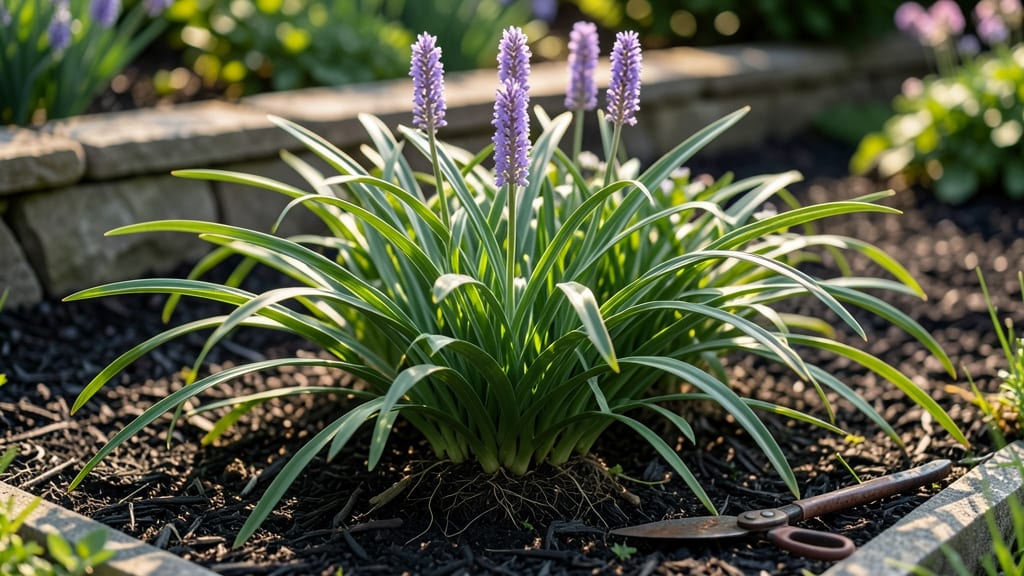
Creating a monkey grass flower bed transforms ordinary borders into lush, architectural statements that thrive with almost no fuss. ✨ The secret lies in pairing its bold, upright foliage with delicate blooms—think purple-blue spikes of salvia or airy white yarrow—to create a garden that feels both structured and effortlessly wild.
I’ve designed these beds in everything from city courtyards to sun-drenched backyards, and the magic happens when you let monkey grass anchor the space. Its sword-like leaves add vertical drama, while low-growing perennials like creeping thyme or heuchera spill over the edges.
The best part? It holds its shape all season, so you’ll never waste time pruning—just sit back and enjoy the show.
Picture this: a summer afternoon where the grass’s deep green contrasts with lavender blooms, and by autumn, the same bed bursts with the fiery hues of Japanese maple leaves.
The texture alone makes it worth it, but add in seasonal interest like winter berries or spring epimedium, and you’ve got a four-season star performer that neighbors will envy.
Whether you’re framing a front door or softening a fence line, monkey grass delivers structure without the high-maintenance upkeep. The key is balancing its boldness with softer companions—here’s how to make it work in any space, big or small.
📚 In This Guide
- What you need
- Instructions
- Tips and common mistakes
- Wrapping up and next steps
What you need
- ● Monkey Grass (Liriope muscari) – 10-15 plants per 10 sq. ft. (Choose varieties like 'Big Blue' or 'Silvery Sunlight' for contrast).
- ● Well-draining potting mix – 1 bag (40 lbs) per 10 sq. ft. (Mix with 50% garden soil for stability).
- ● Compost or aged manure – 1-2 lbs per plant (Boosts nutrients without overfeeding).
- ● Garden trowel – For planting and soil adjustments.
- ○ Garden fork – Optional but helpful for breaking up compacted soil.
- ● Measuring tape – To mark out your flower bed layout.
- ● Watering can or hose with nozzle – For gentle, deep watering.
- ● Pruning shears – For minimal trimming (1-2 times per year).
- ● Mulch (pine straw or shredded bark) – 2-3 inches to retain moisture and suppress weeds.
- ● Sunlight access – Partial to full sun (6+ hours/day) for optimal growth.
- ● Drainage check – Ensure the area isn’t soggy (monkey grass hates waterlogged roots!).
- ○ Weed barrier fabric – Optional but recommended for low-maintenance beds.
Step-by-Step instructions for designing a striking monkey grass flower bed
Here's how to create a bold, low-maintenance landscape feature that thrives year-round.
🪴 Step 1: Select and Prepare the Planting Location
Monkey grass (Liriope muscari) thrives in full sun to partial shade with 6-8 hours of direct sunlight daily. Choose a spot that receives morning sun and afternoon shade in hot climates to prevent leaf scorch. The area should be at least 4 feet wide to accommodate the mature spread of 18-24 inches per plant.
Clear the space of existing vegetation, removing weeds and grass down to 6 inches deep. Use a sharp spade to turn the soil, breaking up compacted layers. If your soil drains poorly, incorporate 2-3 inches of coarse sand or perlite into the top 12 inches of soil. Monkey grass tolerates a wide range of soil types but performs best in well-draining, slightly acidic to neutral soil with a pH between 6.0-7.5.
Here's the thing—monkey grass is tough, but it won't tolerate soggy roots. If your yard has heavy clay, consider building a raised bed with 6-8 inches of amended soil to ensure proper drainage. Test your soil's moisture retention by digging a 1-foot hole and filling it with water. If it drains in under 4 hours, your site is ready for planting.
🌱 Step 2: Plant Monkey Grass in a Staggered Pattern
Dig planting holes that are twice as wide as the root ball but only 1 inch deeper than the container's height. Space plants 18-24 inches apart in rows that are 2-3 feet apart to create a dense, textured look. I like to arrange them in a staggered pattern—think of brickwork—to create visual interest and prevent gaps as they mature.
Gently remove the plants from their containers and loosen the roots if they appear circling. Place each plant in its hole so the top of the root ball sits level with the surrounding soil. Press the soil firmly around the roots to eliminate air pockets, then water deeply to settle everything. You'll know you've done it right when the soil surface looks slightly compacted and no gaps remain around the base.
Real talk: Monkey grass is adaptable, but planting too deep buries the crown and risks rot. If you're unsure, dig a shallow reference hole first and compare your plant's depth to it. The crown should sit just above soil level—never below it.
☀️ Step 3: Add Complementary Flowers for Seasonal Contrast
Monkey grass's dark green foliage provides the perfect backdrop for bright, seasonal blooms. Plant perennials like daylilies, black-eyed Susans, or coneflowers in clusters of 3-5 plants spaced 12-18 inches apart throughout the bed. These flowers thrive in similar conditions and will bloom from late spring to early fall, adding pops of color that contrast beautifully with the grass's texture.
For year-round interest, incorporate evergreen shrubs like boxwood or dwarf yew along the bed's edges. These create a structured frame while allowing the monkey grass to spill gracefully into the space. Mulch the entire bed with 2-3 inches of shredded bark or pine straw to suppress weeds, retain moisture, and protect roots from temperature fluctuations.
I always add a few spring-blooming bulbs like daffodils or tulips beneath the surface in early fall. Their early-season flowers emerge before the monkey grass fills in, creating a stunning contrast. Plant bulbs 6 inches deep and 4-6 inches apart, then cover with mulch to keep them snug through winter.
✂️ Step 4: Establish a Low-Maintenance Care Routine
Water newly planted monkey grass deeply once a week for the first 4-6 weeks to encourage root establishment. Once established, it tolerates drought conditions and only needs watering during prolonged dry spells. You'll know it's thriving when the leaves remain upright and vibrant—no wilting or yellowing.
Fertilize in early spring with a balanced, slow-release fertilizer (10-10-10) applied at half the recommended rate. Avoid high-nitrogen fertilizers, which promote leafy growth at the expense of the grass's ornamental value. A light application of compost or organic matter in fall improves soil structure for next year's growth.
Pruning is minimal—simply remove any brown or damaged leaves in late winter or early spring before new growth begins. This keeps the bed looking tidy without sacrificing the grass's natural texture. If the bed spreads beyond its intended boundaries, divide clumps in early spring or fall and replant sections at the bed's edges.
Tips & tricks for perfect monkey grass flower beds
These landscape design secrets will help you create a standout garden feature that requires almost no upkeep.
Sunlight Strategy: The 6-8 hours of daily sunlight mentioned in Step 1 is non-negotiable for vibrant growth. I've found that morning sun (especially in hot climates) prevents leaf scorch while still providing enough light for healthy development. If your space gets intense afternoon sun, consider partial shade options like nearby trees that filter light without blocking it completely. This balance creates that lush, year-round texture we're after.
Soil Preparation Secret: When amending heavy clay soil as suggested in Step 1, I recommend mixing in 2 parts coarse sand to 1 part perlite for optimal drainage. This combination prevents compaction while maintaining moisture retention. The 4-hour drainage test is your best friend—if water lingers longer, keep amending until you achieve that perfect balance. A soil pH between 6.0-7.5 is ideal, but don't stress if you're slightly outside this range—monkey grass is remarkably forgiving.
Planting Depth Visual: That 1-inch deeper planting reference in Step 2 can be tricky to visualize. Here's my trick: Hold your container against the hole's edge, then mark where the soil line would be with your finger. The crown should sit just above this mark—you can even use a small pebble as a reference point. Planting too deep smothers the crown, while too shallow leaves roots exposed. Think of it as the "Goldilocks zone" for your plants.
Complementary Planting Layout: For the seasonal flowers in Step 3, I suggest creating a color wheel pattern when placing your perennials. Group warm colors (reds, oranges) on one side and cool colors (blues, purples) on the other, with neutrals (whites, creams) in the center. This creates visual harmony that makes the monkey grass's texture pop even more. The 12-18 inch spacing gives each plant room to breathe while maintaining that dense, textured look.
Pro Tips for Monkey Grass Flower Bed
- These landscape design secrets will help you create a standout garden feature that requires almost no upkeep.
- Sunlight Strategy: The 6-8 hours of daily sunlight mentioned in Step 1 is non-negotiable for vibrant growth.
- Soil Preparation Secret: When amending heavy clay soil as suggested in Step 1, I recommend mixing in 2 parts coarse sand to 1 part perlite for optimal drainage.
Frequently asked questions
Is monkey grass really low-maintenance?
Monkey grass (Liriope muscari or World grass) thrives in partial shade to full sun with minimal pruning. It tolerates drought, crowding, and poor soil—just trim back dead foliage in early spring. Pro tip: Mulch annually to suppress weeds and retain moisture.
When’s the best time to plant monkey grass?
Spring or early fall are ideal for planting. Avoid extreme heat or frost, as these can stress young roots. For instant impact, plant in clusters of 3–5 plants spaced 12–18 inches apart. Bonus: Container-grown plants can be added year-round in mild climates.
Will monkey grass bloom reliably?
Yes! It produces striking purple or white spikes in late summer/fall, though blooms may be sparse in shady spots. To encourage flowers, ensure well-draining soil and occasional fertilizer (balanced 10-10-10 in spring). Note: Deadhead spent blooms to redirect energy to next year’s growth.
Can I mix monkey grass with other plants?
Pair it with hostas, ferns, or ornamental grasses for texture contrast. Avoid aggressive spreaders like mint or bamboo. For a pollinator-friendly bed, add sedum or heuchera. Troubleshooting: If overcrowding occurs, divide clumps every 3–4 years in spring.
What’s the fastest way to fix brown patches?
Brown patches usually signal overwatering, poor drainage, or fungal issues. First, check soil moisture—monkey grass prefers it dry between waterings. Improve drainage by amending soil with sand or compost. If fungal, apply a copper-based fungicide. Prevent: Space plants for airflow and avoid overhead watering.
Wrapping up and next steps
Creating a monkey grass flower bed is a game-changer for low-maintenance, year-round beauty—no pruning drama required! 🌿 With its striking texture, drought tolerance, and easy care, this plant brings effortless elegance to any landscape. Whether you're a seasoned gardener or a beginner, this bed delivers drama with minimal fuss.
Ready to elevate your outdoor space? Start small: plant a few clumps, experiment with companions, and let nature do the rest. Before you know it, your yard will be the talk of the neighborhood—without the upkeep headaches!