
Flowers
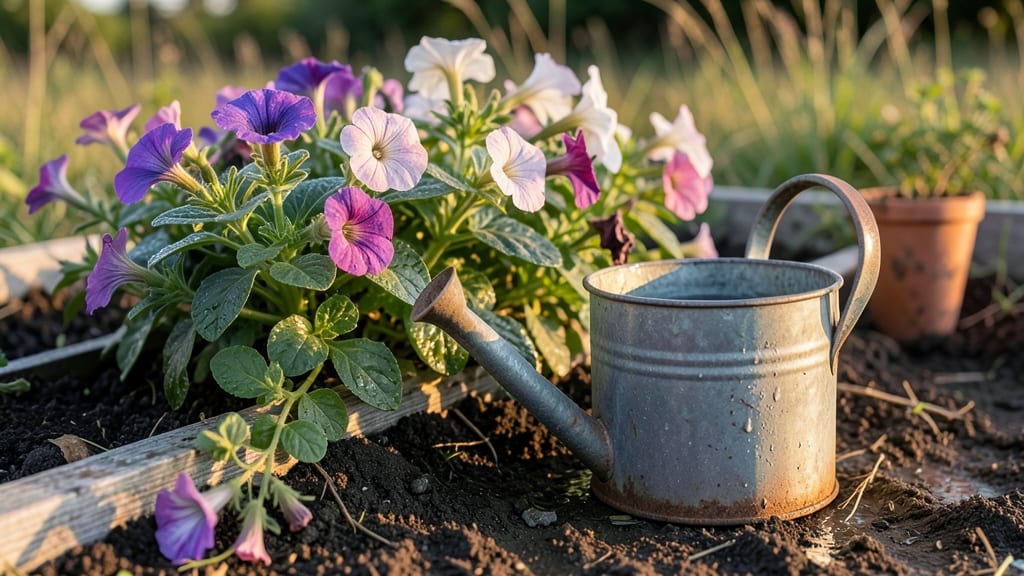
If you need to move flowers in the rain, act fast—standing water drowns roots in minutes, while rough handling snaps stems. 🌧️ I’ve learned the hard way. The key is moving them before the storm hits, not after, when soil turns to mud and pots become impossible to lift.
Start by gathering lightweight containers, a wheelbarrow for heavy pots, and gloves to protect your hands from slippery soil. Delicate blooms like roses or hydrangeas need extra care—support stems with one hand while lifting the pot with the other.
For perennials, water them lightly the day before to loosen soil and reduce weight.
After relocation, let them settle in a sheltered spot with indirect light for 24 hours. Avoid pruning or fertilizing right away—stressed plants need time to recover. You’ll know it worked when new buds form within a week, proving your flowers survived unscathed.
This method works for everything from annuals to woody shrubs, though succulents and cacti need special handling (they hate soggy roots). The secret? Timing, gentleness, and a little extra patience to keep your garden looking its best, rain or shine.
📚 In This Guide
- What you need
- Instructions
- Tips and common mistakes
- Wrapping up and next steps
What you need
- ● Waterproof flower wrap or plastic wrap – 1 roll (6–8 inches wide) to shield blooms from moisture.
- ● Clear plastic bags with zip locks – 2–3 medium-sized (1-gallon capacity) for individual flower protection.
- ● Newspaper or dry towels – 2–3 sheets/towels to absorb excess water and cushion stems.
- ● Scissors or floral shears – 1 pair (sharp, clean) for trimming stems if needed.
- ● Rubber bands or twist ties – 3–5 pieces to secure plastic around stems.
- ● Waterproof bucket or basin – 1 (1–2 gallon size) for holding flowers upright while moving.
- ● Damp cloth or sponge – 1 small to gently pat dry petals if they get wet.
- ● Silica gel packets – 1–2 to absorb moisture inside sealed bags.
- ● Floral preservative solution – 1 small bottle to extend vase life post-move.
- ● Umbrella or rain cover – 1 (compact, if possible) for outdoor transport.
- ● Hand warmers (disposable) – 1–2 pairs to keep hands from getting chilly while working!
Step-by-Step guide for moving flowers safely during rain
Here's how to relocate blooms without ruining their delicate beauty.
🌱 Step 1: Prepare the Flowers for Transport
Start by gently removing any excess foliage or leaves that might trap moisture. Wet leaves can weigh down stems and cause breakage during transport. Hold each stem firmly at the base and twist gently to remove lower leaves—this prevents water from pooling around the stem when you move them.
If flowers have already gotten wet, pat them dry with a soft, absorbent towel or paper towels. Focus on the petals and between blooms where water collects. Never rub vigorously—petals bruise easily. Place the dried flowers in a sturdy cardboard box or plastic container lined with dry paper towels to absorb any remaining moisture.
💧 Step 2: Protect Stems and Prevent Water Damage
Wrap each stem individually in a dry paper towel or bubble wrap to prevent them from touching each other. This keeps petals from sticking together and protects delicate blooms from abrasions. For especially fragile flowers like roses or peonies, secure stems with rubber bands or twist ties to maintain their shape during transit.
If you're moving potted flowers, cover the entire pot with a clear plastic bag secured with a twist tie. This shields the soil and roots from getting waterlogged, which can cause root rot. Lift pots by the base—never grab stems—and place them in a waterproof container or tray to catch any drips.
☀️ Step 3: Choose the Right Transport Method
For cut flowers, place them in a bucket or vase filled with clean water to keep stems hydrated during transport. Add a few drops of floral preservative if available—this helps extend their vase life after the move. Keep the container upright and secure it in your vehicle to prevent spills.
For potted plants, group them by size and secure them with bungee cords or straps to prevent shifting. Place a towel or mat on the floor of your vehicle to catch any dirt or water that might spill. If driving in heavy rain, cover the entire load with a waterproof tarp to shield it from direct exposure.
⏰ Step 4: Move During Optimal Conditions
If possible, wait until the rain slows to a light drizzle before moving flowers. Heavy rain can cause soil erosion in pots and damage petals. Check the forecast and plan your move for a break in the weather—even a few hours of dry time makes a difference in preserving bloom quality.
Once you arrive at the new location, place cut flowers immediately in fresh water and trim stems at an angle to maximize water absorption. For potted plants, water them thoroughly only if the soil appears dry to the touch—overwatering after rain can suffocate roots. Let them acclimate indoors or in a sheltered area for at least 24 hours before exposing them to direct sunlight again.
Tips & tricks for moving flowers in rainy weather
When rain threatens your floral arrangements, these practical tricks will help you transport them safely while keeping petals pristine.
Handle with Extra Care in Step 1: For flowers with particularly delicate petals like orchids or hydrangeas, consider wearing soft, white cotton gloves when handling them. The gloves create a barrier between your skin and petals, preventing oils and dirt transfer that can dull their natural luster. This is especially helpful when removing excess foliage—gentle is key, but gloves add that extra layer of protection.
Packing Strategy for Step 2: If you're transporting a mix of cut flowers and potted plants, use separate containers for each type. Place cut flowers in one box lined with paper towels, and potted plants in another container with a waterproof liner. This separation prevents soil from contaminating delicate petals and keeps stems from getting crushed during transit. For especially valuable blooms, consider using individual cardboard tubes wrapped in bubble wrap—this mimics professional floral transport methods.
Transport Timing Tip for Step 4: The 24-hour acclimation period after moving is non-negotiable, but you can optimize it by placing flowers in a shaded, well-ventilated area first. Avoid direct sunlight or heat sources during this time as they can stress recently moved plants. A covered porch or garage with indirect light works perfectly. This gradual adjustment period helps flowers recover from the stress of transport and rain exposure.
Pro Tips for Move Flowers In The Rain
- When rain threatens your floral arrangements, these practical tricks will help you transport them safely while keeping petals pristine.
- Handle with Extra Care in Step 1: For flowers with particularly delicate petals like orchids or hydrangeas, consider wearing soft, white cotton gloves when handling them.
- Packing Strategy for Step 2: If you're transporting a mix of cut flowers and potted plants, use separate containers for each type.
Frequently asked questions
Got questions about moving flowers in the rain? You’re not alone! Here are some common concerns—and practical solutions—to keep your blooms safe and stunning.
Can I move flowers in the rain without damaging them?
Yes, but act fast! Rain can weigh down petals and cause wilting. Use a waterproof cover or a sturdy container to shield them during transport. Avoid shaking or jostling the stems, and keep them upright to prevent water from pooling in the blooms.
What’s the best time to move flowers if rain is forecasted?
Move them before the rain starts—ideally in the morning or late afternoon when temperatures are cooler. If rain is already falling, prioritize speed and protection. Avoid moving flowers during heavy downpours or storms, as wind and debris can cause additional damage.
Are some flowers more rain-resistant than others?
Hardier flowers like roses, hydrangeas, and sunflowers handle moisture better than delicate blooms like orchids or peonies. If you’re transporting sensitive flowers, opt for a sealed container or wrap them in plastic wrap to minimize exposure. Always check the care guide for your specific flowers.
What’s the best container to use for moving flowers in the rain?
A waterproof bucket, plastic tub, or even a large cardboard box lined with plastic works well. Ensure the container has drainage holes (if possible) to prevent root rot. For extra security, secure the flowers with a rubber band or bungee cord to keep them stable during transit.
My flowers arrived soggy—how can I revive them?
Don’t panic! Trim the stems at an angle, place them in fresh water, and add a flower preservative (like a drop of bleach or sugar) to help them recover. Avoid direct sunlight and keep them in a cool, shaded area until they perk up. Most flowers can bounce back within 24 hours!
Wrapping up and next steps
Moving flowers in the rain doesn’t have to mean saying goodbye to their beauty—just a little care and timing can make all the difference! 🌧️🌸 Whether you’re relocating a prized bouquet or rescuing a garden from downpours, the right techniques keep petals vibrant and stems sturdy.
Remember: speed, protection, and proper handling are your best friends.
Ready to put your new skills to the test? Next time rain rolls in, grab your supplies and confidently move those flowers like a pro. Your blooms—and their beauty—will thank you!