
Flowers
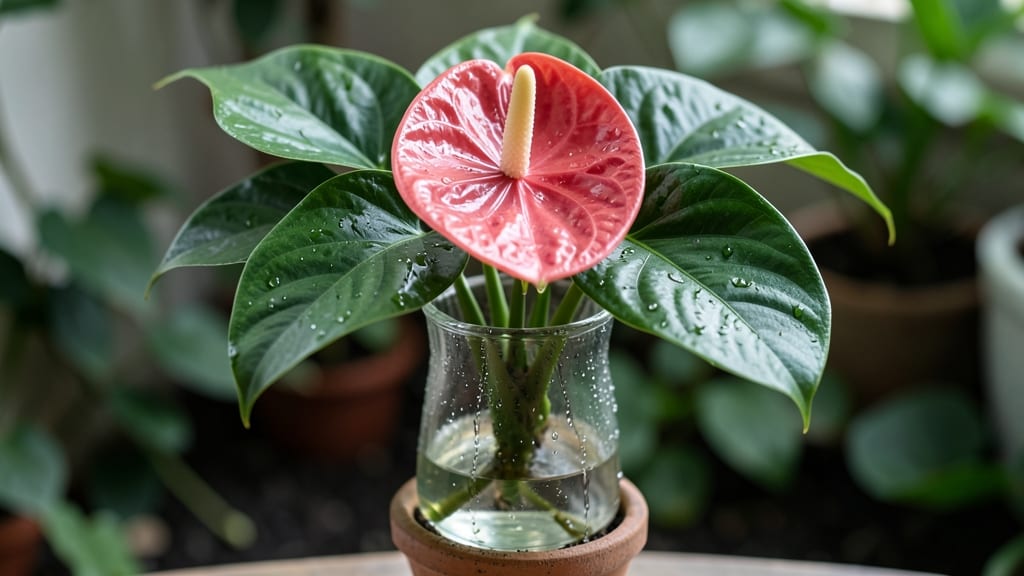
One flower in a vase transforms any space—it’s a deliberate act of beauty that thrives for days with the right choice, like garden roses or sunflowers. 🌸 snapdragons, and treating them like miniature bouquets.
The right vase and a few simple tricks transform one stem into a centerpiece that feels luxurious without the fuss.
Start with a clean, narrow vase that holds 4-6 inches of water—tall enough to support the stem but not so wide it wastes water. Opt for flowers with thick stems (like peonies or dahlias) or pre-cut stems from the grocery store for extra longevity.
A single bloom lets you focus on its shape, color, and texture, turning even a modest space into something striking.
What you’ll end up with is a display that stays fresh longer than store-bought arrangements, with petals that unfurl slowly and stems that drink up water without wilting. The best part?
You can rotate flowers from your garden or local florist, keeping the look fresh while reducing waste. This isn’t just decoration—it’s a mindful way to bring nature indoors.
Works for any room—kitchen counters, bedside tables, or even a bathroom windowsill. The key is consistency: trim stems daily, change the water every other day, and let the flower’s natural beauty shine. Here’s how to make it work for your space.
📚 In This Guide
- What you need
- Instructions
- Tips and common mistakes
- Wrapping up and next steps
What you need
- ● 1 single flower – Choose a long-stemmed variety like a peony, lily, or rose (3–6 inches in diameter for visual impact).
- ● 1 small vase – Opt for a clean-lined glass or ceramic vessel (4–8 oz capacity). A cylindrical or tapered shape works best for height.
- ● Water – Fresh, room-temperature tap water (enough to fill the vase halfway).
- ○ Floral preservative (optional but recommended) – A packet or liquid preservative (like Floralife) to extend your bloom’s life by 2–3 days.
- ● Sharp floral shears or scissors – Prune stems at a 45-degree angle for better water absorption.
- ○ Tissue paper or coffee filter (optional) – Place a small piece at the vase’s base to prevent dirt/microbes from clouding the water.
- ○ Decorative elements (optional) – A single sprig of greenery (eucalyptus, ferns) for texture.
- ● A thin ribbon or twine to tie the stem (for a rustic touch).
- ● Dried flowers or buds (like baby’s breath) for contrast.
Instructions for styling a single stem with lasting beauty
Here's how to make one flower bloom fresh all week with simple care.
🌿 Step 1: Select the Right Stem and Prep the Vase
Choose a single stem with a long, straight neck and tightly closed buds—think roses, tulips, or snapdragons. Avoid flowers that already have open blooms, as they'll wilt faster. I like to pick stems in the early morning when water content is highest.
Clean your vase thoroughly with warm, soapy water and rinse well. A clean vase prevents bacterial growth that causes premature wilting. For best results, use a clear glass vase—it lets you monitor water levels and adds a modern touch.
💧 Step 2: Cut the Stem at the Perfect Angle
Trim the stem at a 45-degree angle about 2 inches from the base using sharp floral shears or clean scissors. This angled cut increases water absorption surface area. Avoid using dull blades—they crush stems and block water uptake.
Place the stem immediately in lukewarm water (never hot or cold) in your vase. The water should reach about halfway up the stem. You'll see tiny bubbles form at the cut end—this is normal and indicates healthy water uptake.
☀️ Step 3: Provide Ideal Light and Temperature Conditions
Position your vase away from direct sunlight and heating vents. Bright, indirect light extends vase life by preventing overheating. A north-facing windowsill or countertop works perfectly. Too much sun causes petals to fade and wilt faster.
Keep the vase in a room with 65-75°F temperatures. Fluctuations stress flowers—avoid placing near drafts, air conditioners, or radiators. You'll notice petals stay crisp and vibrant when conditions are stable.
⏰ Step 4: Refresh Water and Maintenance Routine
Change the water every 2-3 days using fresh, room-temperature water. Add 1 teaspoon of sugar and 1/4 teaspoon of bleach (or a commercial flower food packet) to each quart of water. The sugar feeds the flower, while the bleach keeps water clean.
Trim the stem again at a fresh angle each time you change the water. This prevents blockages from air bubbles that form as the stem absorbs water. You'll see your flower stay fresh longer with this simple routine.
✂️ Step 5: Extend Beauty with Optional Trimming
If your flower starts to droop, gently recut the stem under water and place it in fresh solution. This "rejuvenation cut" often brings wilted blooms back to life. Remove any leaves that fall below the water line—they'll rot and cloud the water.
For maximum impact, remove any buds that begin to open before the main bloom. This directs the flower's energy to the primary bloom rather than multiple smaller ones. Your single stem will look even more dramatic with this focused approach.
Tips & tricks for perfect single-stem arrangements
Transforming one flower into a week-long centerpiece takes these little-known details that make all the difference.
Selection Secret: Look for stems that feel slightly firm to the touch—like a ripe avocado. Avoid stems that feel soft or mushy, as they've already started to wilt. In Step 1, I also recommend picking stems with at least 3-4 inches of stem length remaining after cutting. This gives you room to work with when making that all-important angled cut.
Cutting Technique: When you make that 45-degree angle in Step 2, use a single, confident motion rather than sawing back and forth. The clean cut is crucial—dull scissors crush the stem's vascular system, which is how water travels. I keep a small bowl of clean water nearby while cutting so I can immediately submerge the stem. This prevents air bubbles from forming at the cut end, which would block water absorption.
Water Chemistry: The 1 teaspoon of sugar and 1/4 teaspoon of bleach in Step 4 aren't just random measurements—they create the perfect balance. The sugar acts as food for the flower's natural processes, while the bleach (or commercial flower food) prevents bacterial growth that would otherwise clog the stem. I always use room-temperature water because cold water can shock the stem, while warm water promotes bacterial growth.
Light Positioning: For Step 3's ideal conditions, I've found that placing your vase on a north-facing windowsill gives the perfect balance of light exposure. If you don't have a north-facing window, position it about 3 feet away from a south or west-facing window. This indirect light prevents the petals from overheating while still providing the energy they need to stay vibrant. You'll notice the difference in just 24 hours!
Pro Tips for One Flower In A Vase
- Transforming one flower into a week-long centerpiece takes these little-known details that make all the difference.
- Selection Secret: Look for stems that feel slightly firm to the touch—like a ripe avocado.
- Cutting Technique: When you make that 45-degree angle in Step 2, use a single, confident motion rather than sawing back and forth.
Frequently asked questions
about arranging a single flower in a vase—because simplicity shouldn’t come with confusion!How long will a single flower last in water?
A single flower typically lasts 5–7 days in water, but cut flowers like roses or hydrangeas may last 7–10 days with proper care. Change the water every 2–3 days and trim the stem at an angle to extend freshness. For delicate blooms like tulips, aim for 3–5 days.
Do I need to add flower food to the vase?
While not mandatory, flower food (or a DIY mix of sugar + bleach) helps preserve your bloom longer. Skip it only if your flower is super fresh (like a just-picked garden rose) or if the vase is sterilized. For longevity, a pinch of food is worth it!
Can I use any vase for one flower?
A small, narrow vase (like a bud vase) works best for single stems, but wide-mouthed jars, teacups, or even a mason jar can add charm. Just ensure the opening is wide enough for the stem to stand upright without wobbling. Pro tip: A heavy base prevents tipping!
How do I make a single flower last longer?
Follow these 3 golden rules:
- Trim stems diagonally (1–2 inches) before placing in water to maximize absorption.
- Change water daily and clean the vase to prevent bacteria buildup.
- Keep it cool—avoid direct sunlight or heat sources (like radiators).
What’s the best single flower for beginners?
Start with hardy, long-lasting blooms like:
- Roses (classic, fragrant, and forgiving).
- Alstroemeria (vibrant, lasts 10+ days).
- Carnations (bud-friendly, budget-friendly).
- Snapdragons (whimsical and sturdy).
Wrapping up and next steps
A single flower in a vase isn’t just a decor choice—it’s a mindful moment of beauty that transforms any space with effortless grace. Whether you’re drawn to the bold statement of a peony or the delicate charm of a tulip, this minimalist approach proves that less truly is more.
The key? Thoughtful selection, simple care, and the joy of savoring simplicity.
Ready to bring this serene elegance into your home? Start small:
- Pick one flower you love—no overthinking!
- Grab a vase that speaks to you (even if it’s just a repurposed jar).
- Enjoy the quiet beauty and watch it last longer than you’d expect.