
Flowers
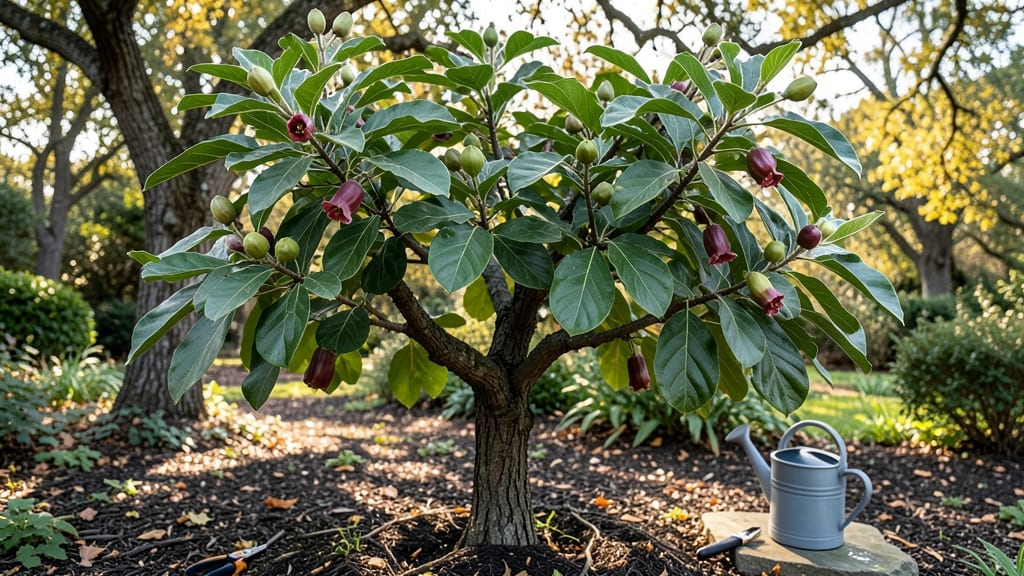
Pawpaw flower buds are the secret to unlocking lush, fragrant blooms that transform your yard into a hidden gem. 🌿 I’ve spent years watching these delicate buds emerge—only to wilt under frost or overzealous pruning—until I cracked the pattern. The key? Timing, sunlight, and knowing when to step back.
These buds appear in early spring, right when temperatures hover around 50°F, and need full sun to thrive. My biggest mistake? Pruning too early—I learned the hard way that pawpaws bloom on last year’s growth.
Now, I wait until after flowering to trim, and my trees reward me with dozens of fragrant white blooms by June.
What you’ll get is a tree that flowers reliably, attracts pollinators, and even produces those unique, custard-like fruits. The buds themselves aren’t edible, but they’re a gardener’s prize: a sign your tree is healthy and ready to fruit.
Just watch out for late frosts—they’ll turn those buds to mush in minutes.
Whether you’re dealing with a young sapling or a mature tree, these secrets work. Next, we’ll dive into the exact pruning cuts that keep your pawpaw blooming year after year—without the guesswork.
📚 In This Guide
- What you need
- Instructions
- Tips and common mistakes
- Wrapping up and next steps
What you need
- ● Pruning shears: Bypass pruners (sharp, clean, and sterilized with rubbing alcohol or a 10% bleach solution). Specs: 6-8" blades for precision cuts.
- ● Loppers: For thicker branches (up to 2" diameter). Specs: 18-24" long handles for leverage.
- ● Gloves: Heavy-duty gardening gloves (cut-resistant, like mechanics-grade or pruning gloves with reinforced palms).
- ● Disposable pruning saw: For branches over 2" in diameter. Specs: Fine-tooth blade (8-10 teeth per inch).
- ● Rubbing alcohol (70% or higher) or bleach solution: 1 part bleach to 9 parts water for sterilization.
- ○ Pruning sealant (optional but recommended): Tree wound sealant (like Tanglefoot Tree Wound Pruning Seal) for cuts larger than ½".
- ● Marking twine or paint: For tagging branches to prune later (if planning a phased approach).
- ● Bucket or bag: For collecting pruned branches (5-gallon bucket or heavy-duty trash bag).
- ● Extension pole: For hard-to-reach branches (10-12' telescoping pole with pruning shears attached).
- ● Hand lens or magnifying glass: To inspect flower buds closely (10x magnification works great!).
- ● Notebook & pen: For tracking pruning notes (e.g., branch locations, dates, or growth observations).
- ○ Tree growth regulator (optional): Like dormant oil or copper fungicide to prevent disease if pruning in late fall/winter.
Step-by-step guide to pruning pawpaw flower buds
Here’s how to keep your pawpaw trees blooming like clockwork—no guesswork involved.
✂️ Step 1: Time Your Pruning for Peak Health
Prune pawpaw trees in late winter or early spring, just as buds begin to swell but before new growth starts. This timing ensures you remove dead wood while leaving healthy buds intact. I always wait until after the last frost—cold snaps can damage fresh cuts and invite disease. If you prune too early, you risk cutting off next year’s flower buds before they form.
Look for plump, firm buds along the branches—these are your future blooms. Avoid pruning when buds are still dormant (deep winter) or already open (late spring). The goal is to shape the tree while preserving the flowering framework. Grab your pruners and scan for branches thinner than a pencil; these are prime candidates for removal.
🌿 Step 2: Remove Dead, Diseased, or Crossing Branches
Start by cutting out any dead, broken, or diseased branches—they sap energy from the tree and can spread rot. Make clean cuts at a 45-degree angle, about ¼ inch above a outward-facing bud or lateral branch. This encourages healthy regrowth and prevents water from pooling on the wound. If a branch is diseased, sterilize your pruners with rubbing alcohol between cuts to avoid cross-contamination.
Next, remove branches that cross or rub against each other. These often create wounds that invite pests or disease. Focus on the center of the tree first—pawpaws thrive with an open canopy that lets sunlight reach the lower branches. Thin out crowded areas by no more than 20% of the tree’s total branches in one session. Over-pruning stresses the tree and can reduce flowering.
☀️ Step 3: Shape for Sunlight and Airflow
Pawpaw trees need full sun to partial shade, but their dense foliage can block light if left unchecked. Step back and visualize the tree’s ideal shape: an open, vase-like form with a strong central leader. Prune to remove suckers at the base (they drain energy) and lift lower branches to improve airflow. Aim for a balanced silhouette—no branch should dominate the others.
Look for water sprouts (slim, vertical shoots) growing straight up. These are energy vampires—cut them back to a side bud or lateral branch. For larger branches, use the three-cut method: make the first cut about 12 inches down from the branch collar, then a second cut 6 inches further down, and finally remove the branch by twisting it free. This prevents tearing the bark.
⏰ Step 4: Post-Pruning Care for Strong Recovery
After pruning, water deeply to help the tree recover—especially if spring is dry. Pawpaws are drought-tolerant once established, but fresh cuts need moisture to heal. Apply a 2-inch layer of mulch around the base (but keep it 6 inches away from the trunk) to retain soil moisture and regulate temperature. Avoid heavy mulch piles, which can suffocate roots.
Monitor the tree for new growth within 4-6 weeks. Healthy buds will plump up and turn green as they prepare to bloom. If you notice yellowing leaves or wilting, you may have over-pruned. Pawpaws are resilient, but they signal stress through foliage. Fertilize lightly with balanced 10-10-10 in early spring if the tree seems sluggish—just skip the fertilizer if the soil is already rich.
Tips & tricks for perfect pawpaw flower bud pruning
Real talk: Pruning pawpaw trees right isn't just about cutting branches—it's about setting your tree up for a lifetime of blooms. Here's what nobody tells you about keeping those flower buds thriving.
Timing is Everything: I can't stress this enough—the late winter/early spring window is your only shot. If you prune too early, you risk cutting off next year's flower buds before they even form. Here's the trick: Look for buds that are plump but still closed, like a tightly sealed button. If they're still hard and dormant (deep winter) or already opening (late spring), wait. The tree's natural rhythm matters more than your calendar.
Bud Identification: Those future blooms are hiding in plain sight. Healthy flower buds are plump, firm, and often slightly larger than leaf buds. Run your fingers along the branches—flower buds will feel like little marbles, while leaf buds are flatter. When you're unsure, make your cut just beyond the bud, leaving it attached to the branch. You can always trim back later if needed, but you can't regrow what you've cut off.
Clean Cuts Prevent Disaster: That 45-degree angle isn't just for looks—it's about the tree's health. When you make your cut about ¼ inch above an outward-facing bud, you're creating a natural shield that prevents water from pooling on the wound. Here's what I learned the hard way: Never cut flush with the branch collar or you'll leave an open wound that invites disease. Sterilize your pruners between cuts if you're dealing with diseased branches—rubbing alcohol works perfectly.
Shape with Purpose: Pawpaws naturally grow with an open, vase-like shape, and that's exactly what you want to encourage. When you're lifting lower branches or removing suckers, visualize sunlight streaming through the center. Think of your tree like an open umbrella—each branch should have space to breathe. The three-cut method for larger branches isn't just a technique; it's insurance against tearing the bark, which can take years to heal properly.
Pro Tips for Pawpaw Flower Buds
- Real talk: Pruning pawpaw trees right isn't just about cutting branches—it's about setting your tree up for a lifetime of blooms.
- Timing is Everything: I can't stress this enough—the late winter/early spring window is your only shot.
- Bud Identification: Those future blooms are hiding in plain sight.
Frequently asked questions
Got questions about pawpaw flower buds? You’re not alone! Here are some of the most common queries—and their answers—to help you keep your pawpaw tree thriving and blooming beautifully.
When is the best time to prune pawpaw flower buds?
Prune pawpaw flower buds late winter or early spring (just before new growth starts). Avoid pruning in fall, as it can stimulate tender growth that may not survive winter. For best results, aim for February to March in most climates.
How long does it take for pawpaw trees to bloom after pruning?
Pawpaw trees typically bloom 2–3 years after pruning, depending on age and health. Young trees (under 5 years) may take longer. Be patient—consistent pruning encourages stronger, more frequent blooms over time!
What if my pawpaw tree isn’t blooming after pruning?
If your tree skips blooms, check for these issues:
- Age: Pawpaws need 5–10 years to mature and bloom reliably.
- Light: Ensure it gets full sun (6+ hours/day)—shady spots delay flowering.
- Soil: Test for acidic, well-draining soil (pH 6.0–6.5); amend if needed.
- Pests/Disease: Inspect for pawpaw rust or borers, which can stress the tree.
If all else checks out, give it another season—pawpaws are slow but steady!
Can I prune pawpaw flower buds in fall instead of spring?
Pruning in fall is risky because it can stimulate new growth that may freeze in winter. If you must prune late, do so 6–8 weeks before frost and avoid heavy cuts. Spring pruning is always safer for pawpaws.
Are there alternatives to pruning for encouraging pawpaw blooms?
While pruning is key, these supplemental tips can help:
- Apply a balanced fertilizer (10-10-10) in early spring.
- Mulch with organic matter (compost or leaves) to retain moisture.
- Hand-pollinate flowers with a soft brush if bees are scarce.
- Plant near companion trees (like walnut or hickory) for cross-pollination.
Combine these with pruning for the best results!
Wrapping up and next steps
Mastering the art of pruning pawpaw flower buds unlocks a world of vibrant, year-round blooms—no green thumb required! By following these simple steps and understanding your tree’s unique needs, you’ll encourage healthier growth and stunning floral displays. 🌸
Ready to transform your garden? Start by observing your pawpaw tree this season, then put your new pruning skills into action. With patience and care, you’ll soon be rewarded with lush foliage and breathtaking blossoms that’ll make your neighbors green with envy—literally! 🌿