
Flowers
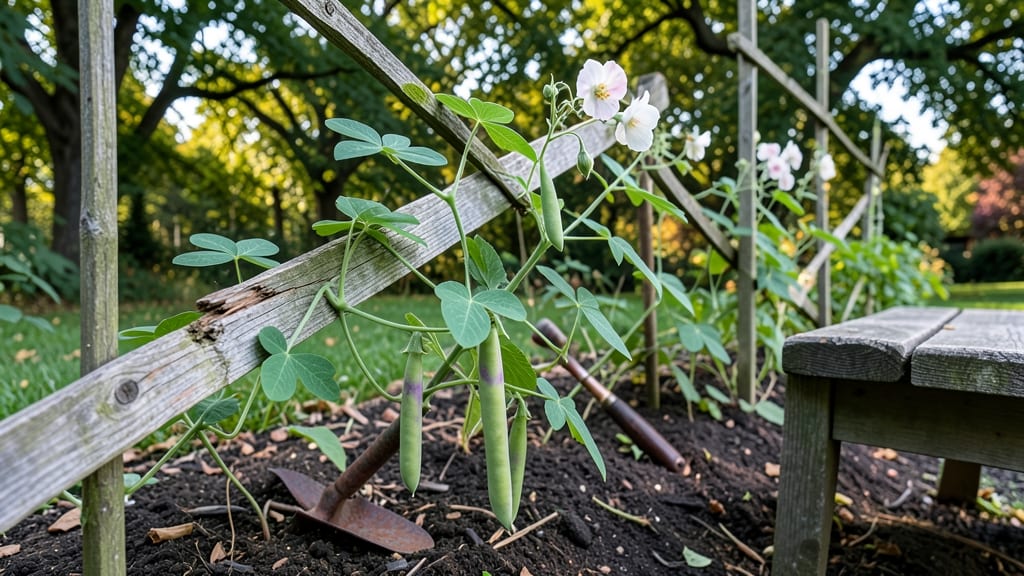
Pea family flowers turn any garden into a buzzing, fragrant sanctuary—no fancy tricks required. 🌿 I’ve seen how these plants transform even the simplest spaces into pollinator magnets, their delicate blooms drawing bees, butterflies, and hummingbirds like a magnet.
The secret lies in their effortless charm: wisteria’s cascading clusters, sweet peas’ intoxicating scent, and clover’s cheerful ground cover all work together to create a living tapestry that thrives with minimal fuss.
What makes them special? Their season-long appeal—some bloom in spring, others in summer or fall—and their ability to pair with almost anything. Plant them alongside roses for a romantic cottage garden vibe, or mix them with native grasses for a modern meadow look.
Even in small containers, their trailing vines and airy foliage add texture without overwhelming the space. The best part? They’re low-maintenance but high-impact, turning "just okay" gardens into showstoppers.
Imagine stepping into your garden in June and being surrounded by the sweet, honeyed scent of blooming sweet peas, their colors ranging from soft pinks to deep purples.
Or picture your yard in late summer when butterfly pea flowers shift color with the pH of the soil—morning blues turning to pinks by afternoon. These flowers don’t just look stunning; they make your garden feel alive, like a living, breathing ecosystem that’s always welcoming visitors.
Whether you’re designing a pollinator-friendly oasis, a fragrant cutting garden, or just adding color to a shady corner, pea family flowers deliver. They’re the unsung heroes of garden design—versatile, resilient, and endlessly creative. Let’s explore how to make them the stars of your outdoor space.
📚 In This Guide
- What you need
- Instructions
- Tips and common mistakes
- Wrapping up and next steps
What you need
- ● Pea family flower seeds: Choose 3–5 varieties (e.g., sweet peas, lupines, clover, or wisteria). Opt for heirloom or pollinator-friendly types for best results.
- ● Well-draining potting mix or garden soil: 5–10 gallons, amended with compost (1 part compost to 3 parts soil).
- ● Containers or garden beds: For containers: 5–10-inch pots with drainage holes (1–2 plants per pot).
- ● For in-ground planting: Full-sun spots (6+ hours of light) with loose, fertile soil.
- ● Organic fertilizer: Balanced (10-10-10) or slow-release pellets (follow package rates).
- ● Mulch: 1–2 inches of straw or shredded bark to retain moisture.
- ● Garden tools: Trowel or hand shovel
- ● Pruners (sterilized)
- ○ Gloves (optional but recommended)
- ● Watering can or hose with gentle spray nozzle
- ○ Support structures (optional): Trellises or stakes for climbing varieties (e.g., sweet peas, wisteria).
- ● Cage-like supports for bushy types (e.g., lupines).
- ○ Sunlight tracker (optional): To monitor light exposure for 6+ hours/day.
- ● Pollinator-friendly companions: Plant marigolds or lavender nearby to attract bees and butterflies.
- ● Eco-friendly pest control: Neem oil or insecticidal soap (if needed).
- ● Decorative accents: Garden flags or stakes to label your blooms!
How to create a thriving pollinator-friendly pea family garden
Here's how to craft a fragrant, buzzing haven that blooms season after season.
🌱 Step 1: Choose the Right Pea Family Plants for Your Climate
Start with fragrant, pollinator-loved pea family plants like sweet peas (Lathyrus odoratus), lupines (Lupinus), or clover (Trifolium). I recommend selecting 3-4 varieties that bloom at different times—this ensures continuous nectar for bees and butterflies from early spring through fall. Check your USDA hardiness zone to pick cold-hardy options if you live in zones 3-5 (like Siberian peashrub) or heat-tolerant choices for zones 8-10 (like Texas bluebonnets).
Here's the thing—some pea family plants are annuals while others are perennials. Annuals like sweet peas give you bold, showy blooms but need replanting yearly, while perennials like lupines return reliably with minimal care. Mix both types for a garden that never skips a beat. For example, pair sweet peas (annual) with lupines (perennial) to cover spring through summer effortlessly.
☀️ Step 2: Plant in Full Sun with Well-Draining Soil
Pea family flowers thrive in full sun—aim for 6-8 hours of direct sunlight daily. If your garden gets less, choose varieties like clover or vetch, which tolerate partial shade better than others. I always test soil drainage first by digging a 6-inch hole, filling it with water, and checking how quickly it drains. If water pools after 30 minutes, amend with compost or sand to improve drainage.
These plants love nutrient-rich, slightly alkaline soil (pH 6.0-7.5). A simple soil test kit from your local garden center will tell you if you need to adjust pH. If your soil is too acidic, mix in lime according to package instructions. I swear by a 50/50 mix of native soil and compost for planting—it gives roots the perfect balance of fertility and structure without overwhelming them.
💧 Step 3: Water Deeply and Mulch to Retain Moisture
Water deeply once a week (or more in extreme heat) to encourage strong root growth. The key is soaking the soil to 6 inches deep—you’ll know you’ve done it right when water runs out the drainage holes of your pots or when the soil feels damp 2 inches below the surface. Overwatering is a common mistake; pea family plants hate soggy roots, so always check before watering again.
Spread 2-3 inches of organic mulch (like straw or wood chips) around plants after they’re established. This keeps soil moist, suppresses weeds, and regulates temperature. I like to mulch right after planting—it’s one less thing to remember later. Just keep mulch 2 inches away from stems to prevent rot. For containers, use mulch-free potting mix and water when the top inch feels dry.
✂️ Step 4: Prune and Deadhead for Continuous Blooms
Pinch back new growth by 1/3 when plants are 6-8 inches tall to encourage bushier, fuller blooms. This is especially important for sweet peas and lupines, which can get leggy without pruning. Use clean, sharp scissors to avoid damaging stems. I always prune in the morning when plants are hydrated—it gives them the whole day to recover.
Deadhead spent flowers regularly to redirect energy into new blooms. For clover and vetch, this means snipping off yellowed or brown flower clusters at the base. For lupines, remove seed pods if you don’t want self-seeding. Here’s the trick: Don’t cut into green growth—always snip just above a set of leaves or a bud. This ensures the plant keeps producing flowers instead of focusing on seed development.
🪴 Step 5: Support Vining Plants and Extend the Season
Tall varieties like sweet peas and wisteria need strong trellises or stakes to climb. Install supports at planting time—driving stakes 12 inches deep into the ground ensures they stay upright. I use bamboo stakes or metal cages for durability. For climbing plants, weave vines gently through the trellis as they grow; don’t force them or you’ll risk breaking tender stems.
To extend blooms, fertilize lightly in early summer with a balanced, organic fertilizer (like 10-10-10). I swear by fish emulsion for a quick boost—just follow package instructions. For perennials, cut back dead foliage in late fall but leave seed heads if you want wildlife to enjoy them over winter. This simple step keeps your garden looking tidy while supporting local ecosystems.
Tips & tricks for perfect pollinator-friendly pea family gardens
Between us, these little details make all the difference for a garden that buzzes with life all season long.
Climate Pairing Strategy: In Step 1, when selecting your 3-4 varieties, consider adding one native species to your mix. Native plants like wild indigo or partridge pea (both in the pea family) require zero extra care and attract pollinators your non-native varieties might miss. I've found that adding just one native plant can double the number of bees visiting your garden—it's like giving them a VIP pass!
Soil Prep Shortcut: For the soil test in Step 2, grab a free test kit from your local cooperative extension office instead of buying one. They'll even give you personalized recommendations for your specific soil. And here's the thing about that 50/50 soil mix—if you're short on compost, you can substitute up to 25% worm castings for the same nutrient boost without the bulk.
Watering Wisdom: When you're watering deeply in Step 3, use a moisture meter to check that 6-inch depth. I keep one handy and it's saved me from both underwatering and overwatering disasters. For containers, I've started using self-watering pots with built-in reservoirs—they make maintaining that top-inch dryness automatic and foolproof.
Pruning Precision: In Step 4, when pinching back that new growth, use your fingers instead of scissors for the first few cuts. It helps you feel the plant's structure better and prevents accidental damage to the main stem. And for deadheading, I've started using small pruning shears with a built-in hook—it makes snipping those seed pods from lupines a breeze without getting my hands messy.
Pro Tips for Pea Family Flowers
- Between us, these little details make all the difference for a garden that buzzes with life all season long.
- Climate Pairing Strategy: In Step 1, when selecting your 3-4 varieties, consider adding one native species to your mix.
- Soil Prep Shortcut: For the soil test in Step 2, grab a free test kit from your local cooperative extension office instead of buying one.
Frequently asked questions
Got questions about growing and enjoying pea family flowers? You’re not alone! Here are some of the most common queries—plus quick, practical answers to help you cultivate a thriving pollinator paradise.
What are the easiest pea family flowers to grow for beginners?
Start with sweet peas or lupines—both are hardy, fast-growing, and forgiving. Sweet peas climb trellises beautifully, while lupines thrive in poor soil and add stunning purple-blue blooms. Clover flowers (like red or white clover) are also low-maintenance and perfect for pollinators!
How long does it take for pea family flowers to bloom after planting?
Timing varies by variety, but most pea family flowers bloom in 60–90 days from seed. Sweet peas may take slightly longer (up to 120 days), while fast-growing varieties like vetch can flower in as little as 4–6 weeks. Check seed packets for specific estimates—patience pays off with fragrant, vibrant blooms!
Are all pea family flowers good for pollinators like bees and butterflies?
Flowers in the pea family (Fabaceae) are powerhouses for pollinators. Sweet peas, clover, and lupines are bee magnets, while baptisia (false indigo) attracts butterflies. For maximum impact, mix early, mid, and late-season bloomers to keep pollinators fed year-round.
Can I grow pea family flowers in containers or small spaces?
Yes! Compact varieties like dwarf sweet peas or miniature lupines thrive in containers (10–12 inches deep). Use well-draining soil and a trellis for climbers. Clover and alfalfa flowers also work well in pots—just ensure they get 6+ hours of sunlight daily.
Why aren’t my pea family flowers blooming—what’s wrong?
Lack of blooms often signals nutrient deficiency (add phosphorus-rich fertilizer) or overcrowding (thin plants for better airflow). Too much nitrogen (from fresh manure) can also promote leafy growth over flowers. Deadhead spent blooms to encourage more flowers—and ensure they get full sun!
Wrapping up and next steps
From sweet peas to fragrant wisteria, the pea family flowers offer a pollinator-friendly and visually stunning way to brighten your garden year-round! 🌸 Their hardiness, versatility, and ability to attract bees and butterflies make them a must-have for any gardener.
Whether you're a beginner or a seasoned pro, these blooms are a rewarding choice.
Ready to dive in? Start small—pick one or two varieties to grow this season, and let your garden become a buzzing haven! 🐝 For even more inspiration, explore local nurseries or online seed catalogs to find your perfect matches.