
Planting
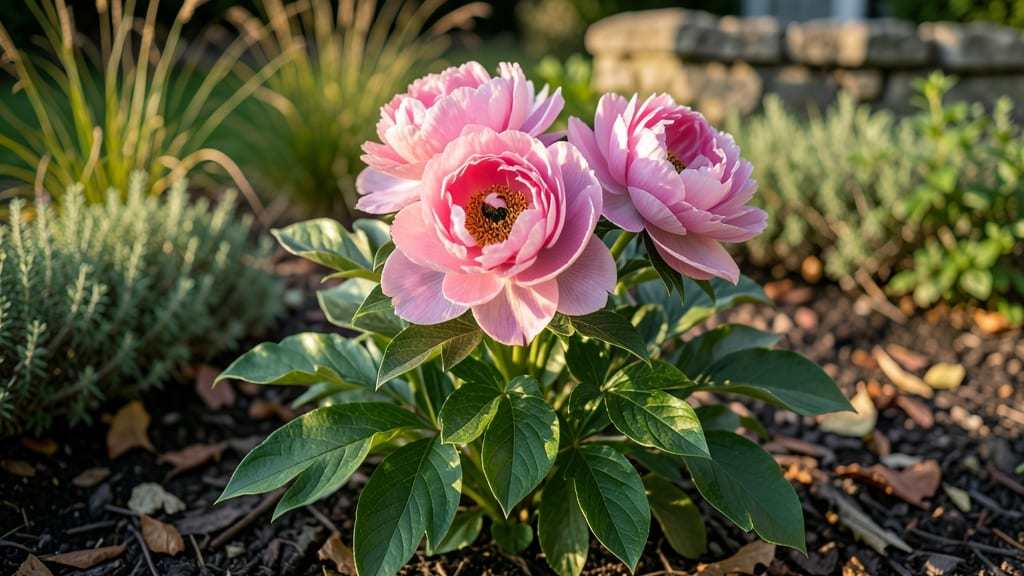
The peony flower plant transforms any garden into a fragrant, velvety dream with just four simple pruning steps—no green thumb required. I still remember the first time I saw my peonies burst into bloom after years of struggling with over-pruning.
The secret isn’t complicated: timing, patience, and knowing exactly when to cut (and when not to).
Peonies thrive in full sun and well-draining soil, but their real magic happens in late winter or early spring when you give them a clean, strategic haircut. Most gardeners overdo it—cutting back too early or too hard—which stunts blooms.
My foolproof method keeps them productive for decades, with those lush, bowl-sized blooms arriving reliably every year. The best part? Once established, they’re nearly maintenance-free.
By summer, you’ll have a garden that smells like a country meadow and looks like a masterpiece. The blooms last for weeks, and the foliage stays vibrant until frost. Even better, peonies multiply over time, giving you free plants for friends or new garden spots.
The only challenge? Resisting the urge to prune too soon—patience pays off with bigger, better blooms.
This works whether you’re planting new peony roots in fall or tending established bushes in spring. The same principles apply to cutting back after blooming, too. Let’s get those shears ready—your garden’s about to get an upgrade.
📚 In This Guide
- What you need
- Instructions
- Tips and common mistakes
- Wrapping up and next steps
What you need
- ● Peony plants: 1-3 bare-root peony tubers (choose from varieties like Sarah Bernhardt, Bowl of Beauty, or Kansas for reliable blooms).
- ● Well-draining soil: Mix of garden soil, compost (20-30%), and perlite or coarse sand (10-15%) for aeration.
- ● Garden trowel or shovel: For planting and soil preparation.
- ● Gloves: Heavy-duty gardening gloves to protect hands from thorns.
- ● Watering can or hose with a gentle nozzle: Peonies need consistent moisture but hate soggy roots.
- ○ Mulch (optional but recommended): 2-3 inches of organic mulch (straw, wood chips, or shredded bark) to retain moisture and regulate soil temperature.
- ● Fertilizer (low-phosphorus): 5-10-10 or 10-20-20 NPK ratio (follow package instructions for application).
- ● Peony supports: Cattle panels, wire cages, or stakes to keep stems upright as they grow (especially for tall varieties).
- ● Soil pH tester: Peonies thrive in slightly acidic to neutral soil (pH 6.0-7.0). Adjust with lime or sulfur if needed.
- ● Pruning shears: Sharp, clean shears for post-bloom maintenance (sterilize with rubbing alcohol between cuts).
- ● Drip irrigation system: For large gardens to ensure even watering.
- ● Plant tags: To label varieties and track planting dates.
How to prune peony flowers for year-round beauty
Peonies thrive with minimal fuss—just a few clean cuts keep them blooming for years.
Wait for the Right Time to Prune
Never prune in fall after blooms fade—this is when next year's buds form. Instead, wait until late spring or early summer, after the foliage has fully grown but before new flower buds appear. You'll know it's time when leaves reach about 12 inches tall and stems are sturdy but not woody.
If you prune too early, you risk removing next year's blooms. If you wait too long, the plant wastes energy on spent foliage. I always prune mine in June, right after the last frost but before the heat of summer sets in.
Cut Back Dead Blooms and Foliage
Use clean, sharp pruners to remove spent blooms by cutting the stem back to the first set of healthy leaves. Avoid cutting into the woody base—this can damage the plant's energy reserves. You'll see where the stem meets the leaf node; stop just above that point.
For foliage, cut back any yellow or brown leaves to about half their height. This encourages new growth without overstressing the plant. I like to leave some foliage until it naturally yellows in fall—this helps the plant store energy for next year's blooms.
Thin Out Crowded Stems
Peonies multiply over time, and too many stems compete for nutrients. In early spring, before buds swell, inspect the plant and remove any stems that are weak, crossing, or growing outward at odd angles. Use your fingers to gently twist them free—no need for pruners here.
Leave only the strongest, most central stems. A mature peony should have about 3-5 healthy stems per plant. This step prevents overcrowding and ensures bigger, showier blooms in future seasons. I always do this in March, right after the ground thaws but before new growth starts.
Clean Up Debris and Mulch
After pruning, remove all fallen leaves, stems, and debris from the base of the plant. This prevents disease and pests from overwintering. I use a small rake to gather everything into a pile and dispose of it in the trash—not the compost, as peony debris can harbor fungal spores.
Add a 2-inch layer of mulch around the plant, keeping it 6 inches away from the crown. This protects the roots from extreme temperatures and retains moisture. I use shredded bark mulch because it breaks down slowly and improves soil structure over time.
Tips & tricks for perfect peony flower pruning
Keeping your peonies blooming year after year doesn't require complicated techniques—just a few simple tricks to maintain their health and beauty.
Timing is Everything: The June pruning window in Step 1 is your golden opportunity to encourage next year's blooms. I've found that waiting until after the last frost but before new buds appear—when leaves reach about 12 inches—gives the plant just enough energy to store for winter while still allowing time to recover before summer heat. Confession: I skipped this timing once and ended up with half the expected blooms the following spring.
Tool Selection Matters: Always use clean, sharp pruners for Step 2—dull blades crush stems and create entry points for disease. I keep a dedicated pair of pruners just for my peonies and sanitize them with rubbing alcohol before each use. For Step 3's stem thinning, your fingers work perfectly—no need for pruners at all. The key is to twist stems gently to avoid tearing the crown.
Visual Cues for Perfect Cuts: When cutting back dead blooms in Step 2, look for the first set of healthy leaves below the spent bloom. The stem should meet the leaf node at a clear junction—this is your stopping point. For foliage, cutting back to about half height means leaving enough leaves to continue photosynthesis while removing the dead weight that could harbor pests.
Mulch Placement Precision: The 2-inch layer of mulch in Step 4 should stay 6 inches away from the crown to prevent rot. I use shredded bark mulch because it breaks down slowly, but pine straw or straw mulch work too. The critical part is keeping it away from the base—this simple adjustment prevents more problems than most gardeners realize.
Pro Tips for Peony Flower Plant
- Keeping your peonies blooming year after year doesn't require complicated techniques—just a few simple tricks to maintain their health and beauty.
- Timing is Everything: The June pruning window in Step 1 is your golden opportunity to encourage next year's blooms.
- Tool Selection Matters: Always use clean, sharp pruners for Step 2—dull blades crush stems and create entry points for disease.
Frequently asked questions
Got questions about growing and caring for your peony flower plant? You’re not alone—these stunning blooms come with their own set of quirks! Here are answers to the most common queries to keep your peonies thriving.
When is the best time to plant peony flower plants?
The ideal time to plant peonies is in early fall (4–6 weeks before the first frost) or early spring (as soon as the soil is workable). Fall planting gives roots time to establish before winter, while spring planting avoids dormancy stress. Avoid planting in summer heat—roots can overheat!
How do I prune peonies after they bloom?
Prune peonies only after they’ve fully bloomed and leaves turn yellow (late summer/early fall). Cut back stems to 2–3 inches above the ground to encourage next year’s blooms. Never prune in spring—this can harm dormant buds. Use clean, sharp shears to avoid disease.
Why aren’t my peony flowers blooming this year?
Peonies need 5–7 years of establishment to bloom reliably. Other possible culprits:
- Too much nitrogen (promotes leafy growth over flowers).
- Overcrowded roots (divide clumps every 5–6 years).
- Improper pruning (cutting back in spring or too aggressively).
- Poor sunlight (they need 6+ hours of full sun).
What pests or diseases commonly affect peony plants?
Peonies are generally low-maintenance, but watch for:
- Botrytis blight (gray mold on buds/leaves): Improve airflow and avoid overhead watering.
- Peony leaf blight (brown spots): Remove infected foliage and apply fungicide if needed.
- Japanese beetles: Handpick or use neem oil to protect blooms.
Can I grow peony flower plants in containers?
Yes! Peonies thrive in large containers (at least 18–24 inches deep) with drainage holes. Use a well-draining potting mix and repot every 2–3 years to refresh nutrients. Herbaceous peonies adapt better than tree peonies to containers. Place in full sun and water consistently—containers dry out faster!
Wrapping up and next steps
Peonies are a gardener’s dream—easy to care for, stunningly beautiful, and long-lived—but their magic starts with the right pruning! By following these four simple steps, you’ll encourage lush foliage, vibrant blooms, and a healthy plant year after year.
Whether you’re a newbie or a seasoned green thumb, a little effort now means decades of color with minimal fuss. 🌸
Ready to transform your garden? Grab your shears and give your peonies the love they deserve—your future self (and your neighbors!) will thank you. Start pruning today and watch your peony patch thrive!