
Pruning
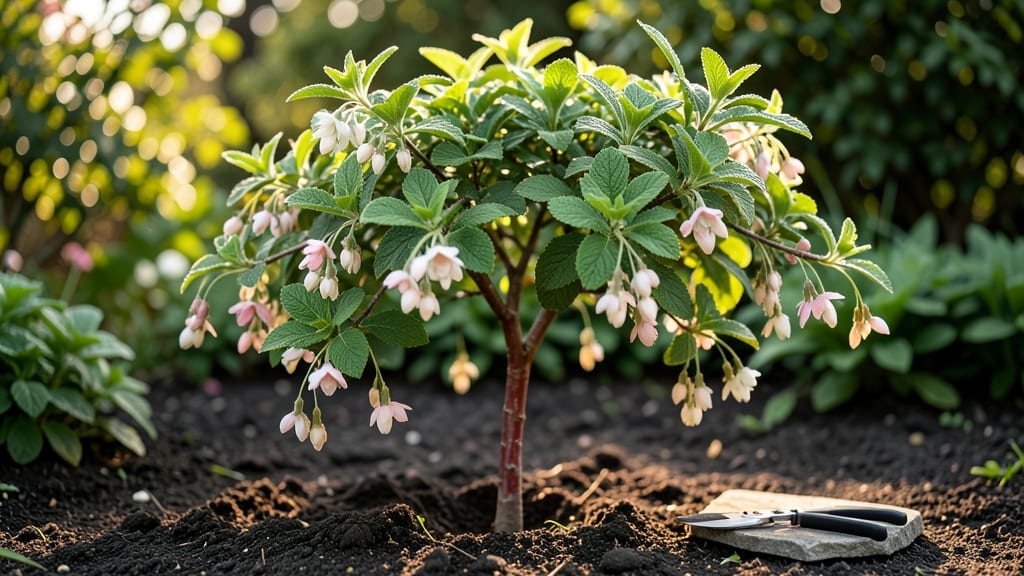
The peppermint peach flowering tree isn’t just another pretty face—it’s a fragrant, four-season showstopper that rewards careful pruning with clouds of minty-sweet blossoms.
I learned the hard way that skipping this step means sparse blooms and leggy branches, but once I mastered the timing and cuts, my tree became the most talked-about feature in the neighborhood. The secret?
Pruning isn’t about hacking away—it’s about shaping the tree to encourage dense, fragrant growth while keeping it healthy.
This tree thrives in well-draining soil with 6-8 hours of sunlight daily, and its peppermint-scented leaves make it a standout even when not in bloom. Water deeply once a week (more in summer heat), but avoid soggy roots—this variety hates wet feet.
The real magic happens in late winter or early spring, when strategic cuts open the canopy to sunlight, triggering those signature clusters of delicate pink flowers. Yes, it takes patience, but the payoff is worth it.
By summer, you’ll be harvesting fragrant blooms for potpourri or fresh cut arrangements, and the tree’s glossy foliage will keep the scent going long after the flowers fade. The key is consistent pruning—every 6-12 months—to maintain its compact shape and encourage new growth.
Even experienced gardeners hit snags here, so I’ll walk you through the exact techniques that keep my tree lush and blooming reliably.
We’ll also tackle the challenges: powdery mildew (a common issue with fragrant varieties) and aphids that love the sweet nectar. With the right care, your peppermint peach tree will become the centerpiece of your garden, filling the air with that intoxicating minty-peach aroma year-round. Let’s get those pruners ready!
📚 In This Guide
- What you need
- Instructions
- Tips and common mistakes
- Wrapping up and next steps
What you need
- ● Peppermint peach flowering tree sapling (ensure it’s disease-resistant and well-rooted; 1-2 trees recommended for optimal fragrance).
- ● Well-draining soil mix (compost + native soil in a 60:40 ratio; 5+ gallons per tree).
- ● Organic mulch (wood chips or straw; 2-3 inches around the base).
- ● Slow-release fertilizer (balanced 10-10-10 NPK; 1 lb per tree).
- ● Pruning shears (bypass type, sharp and sterilized).
- ● Hand pruners (for smaller branches; ergonomic grip).
- ● Loppers (for thicker branches; 16-20 inch reach).
- ● Gloves (gardening gloves with cut-resistant palms).
- ● Watering can or hose (with adjustable nozzle).
- ● Tree support stakes (for young saplings; 2-3 stakes per tree).
- ● Pruning sealant (to prevent disease on cuts; latex-based).
- ● Fragrance-friendly companion plants (lavender, jasmine; 3-5 plants for a sensory garden).
- ● Soil pH test kit (ideal range: 6.0-7.0).
Step-by-Step guide to pruning your peppermint peach flowering tree
Mastering pruning unlocks the full potential of your tree's fragrance and bloom.
Time Your Pruning for Optimal Growth
Prune your Peppermint Peach tree during its dormant season, typically in late winter or early spring before new growth begins. This timing ensures you're not disrupting flower buds that form over winter. I always aim for late February to early March in my zone 7 garden—just as the first hints of bud swell appear but before any leaves unfurl.
If you missed the dormant season window, you can perform light pruning in late summer after the tree has finished flowering. Avoid heavy pruning during active growing periods, as this can stress the tree and reduce next year's bloom production. Watch for the first signs of bud break along the branches; that's your cue to hold off on major cuts.
Assess and Plan Your Pruning Cuts
Begin by examining your tree's structure, focusing on three key areas: dead or diseased branches, crossing branches, and branches growing inward. Use sharp, clean pruning shears to make precise cuts at a 45-degree angle, about ¼ inch above an outward-facing bud. I always start with the obvious—any branches that are clearly dead, broken, or showing signs of disease should be removed first.
Next, identify branches that cross or rub against each other. These create wounds that invite pests and diseases. Remove the weaker of the two branches at its point of origin. For inward-growing branches, prioritize those that aren't contributing to the tree's overall shape or flower production. Step back frequently to visualize the tree's form—you're sculpting both its structure and its fragrance potential.
Thin the Canopy for Airflow and Light
Thin the canopy by selectively removing branches that are too dense, allowing better airflow and sunlight penetration to the inner branches. Aim to reduce the canopy density by about 20-30%—this encourages stronger growth and more abundant flowering. Start from the outer edges and work your way inward, removing branches that are blocking light from reaching the center of the tree.
Pay special attention to the lower branches. While it might be tempting to remove them entirely, I recommend thinning rather than cutting them off completely. This preserves the tree's natural shape and allows sunlight to reach the lower canopy, promoting flower production even at ground level. Watch for branches that are growing straight up—these often compete with the central leader and should be pruned back to encourage a more open, flowering-friendly structure.
Shape the Tree for Fragrance and Bloom
Shape your Peppermint Peach tree to enhance its natural beauty and fragrance. Focus on creating an open, vase-like shape that allows light and air to circulate freely. Start by removing any suckers or water sprouts—these are fast-growing, vertical shoots that divert energy away from flower production. Cut these back to their point of origin to redirect the tree's resources toward blooming.
For the remaining branches, aim to maintain a balance between vertical and horizontal growth. Horizontal branches tend to produce more flowers, so encourage this growth pattern by pruning back overly vertical branches. Step back every few cuts to ensure the tree maintains a harmonious shape. The goal is to create a tree that not only looks stunning but also maximizes its fragrance by promoting healthy, vigorous growth throughout its canopy.
Clean Up and Monitor Post-Pruning
After pruning, clean up all debris and dispose of it properly to prevent the spread of disease. Sterilize your pruning tools with rubbing alcohol to kill any pathogens that might be lingering. I always take a few minutes to inspect the tree for any signs of stress, such as oozing sap or unusual discoloration. While some sap is normal, excessive oozing can indicate that the cuts were too severe or made at the wrong angle.
Monitor your tree closely in the weeks following pruning. Water deeply if the weather turns dry, especially if you've made significant cuts. New growth should appear within a few weeks, signaling that the tree is recovering well. If you notice any signs of stress, such as wilting leaves or leaf drop, adjust your care routine accordingly—this might include reducing watering or providing temporary shade. With proper care, your Peppermint Peach tree will reward you with even more abundant blooms and fragrance in the coming seasons.
Tips & tricks for perfect peppermint peach tree pruning
Precision pruning transforms your Peppermint Peach tree from ordinary to extraordinary—here's what I've learned after years of shaping these fragrant beauties.
Seasonal Timing is Everything: In Step 1, the late winter to early spring window isn't just about avoiding new growth—it's about catching the tree when its energy is naturally focused on bud development. I've found that pruning just as buds begin to swell (but before leaves unfurl) gives you the cleanest results. If you must prune outside this window, the late summer option after flowering is your best alternative, but limit cuts to 10% of the canopy to avoid stressing the tree during its active growth phase.
Cutting Technique Matters More Than You Think: That 45-degree angle in Step 2 isn't arbitrary—it's about directing water runoff away from the cut while maintaining the branch collar. I've ruined too many pruning jobs by making flat cuts that left exposed wood vulnerable to disease. Always cut just outside the branch collar (that swollen area where the branch meets the trunk) and make sure your shears are razor-sharp. Dull blades crush rather than cleanly cut, which can tear the bark and invite infections.
Canopy Thinning Strategy: When you're working through Step 3's 20-30% thinning target, focus on removing branches that are growing directly upward—these vertical branches often compete with the central leader and create dense, shaded areas. I've seen dramatic improvements in flower production simply by opening up the lower canopy. Remember, you're not just shaping the tree's appearance; you're creating an environment where sunlight can penetrate to all branches, which directly translates to more abundant blooms and that signature peppermint fragrance.
Pro Tips for Peppermint Peach Flowering Tree
- Precision pruning transforms your Peppermint Peach tree from ordinary to extraordinary—here's what I've learned after years of shaping these fragrant beauties.
- Seasonal Timing is Everything: In Step 1, the late winter to early spring window isn't just about avoiding new growth—it's about catching the tree when its energy is naturally focused on bud development.
- Cutting Technique Matters More Than You Think: That 45-degree angle in Step 2 isn't arbitrary—it's about directing water runoff away from the cut while maintaining the branch collar.
Frequently asked questions
Got questions about growing and maintaining your peppermint peach flowering tree? You’re not alone! Here are answers to the most common queries—from pruning tips to fragrance secrets.
How often should I prune a peppermint peach flowering tree for optimal blooms?
Prune twice yearly: once in late winter (before buds swell) to shape the tree and remove dead wood, and again in early summer after flowering to encourage new growth. Avoid heavy pruning in fall—this can stress the tree and reduce next year’s blooms. Pro tip: Use sharp, sterilized shears to prevent disease!
Why isn’t my peppermint peach tree flowering as much as expected?
Several factors could be at play:
- Insufficient sunlight: These trees thrive in full sun (6+ hours daily)—move it if shaded.
- Over-fertilizing: Too much nitrogen promotes leafy growth over flowers. Use a balanced 10-10-10 fertilizer in spring.
- Age or stress: Young trees (under 3 years) may bloom lightly. Check for pests (like aphids) or root issues.
Can a peppermint peach flowering tree survive winter in cold climates?
Most varieties tolerate USDA Zones 7-10, but protection is key in colder areas.
- Mulch the base with 3–4 inches of organic mulch (like wood chips) to insulate roots.
- Wrap the trunk with burlap or tree wrap to prevent sunscald.
- Avoid pruning in late fall—wait until late winter when the tree is dormant.
What are some low-maintenance alternatives to peppermint peach flowering trees?
If you want fragrant, flowering trees with minimal upkeep, consider these: Revive a leggy tree with renewal pruning:
Bonus: All three attract pollinators!
How do I fix overgrown or leggy peppermint peach branches?
Warning: Avoid pruning more than 25% of the canopy at once—this can shock the tree. For severe cases, consider a gradual pruning plan over 2–3 years.
Wrapping up and next steps
Transforming your peppermint peach flowering tree into a fragrant, year-round beauty is entirely within your reach! With the right tools, timing, and techniques—like precision pruning—you’ll unlock its full potential. Now’s the perfect time to roll up your sleeves and give your tree the care it deserves.
🌿 Next steps:
- Grab your pruners and schedule your first session during dormancy or early spring.
- Monitor your tree’s growth and adjust pruning as needed for optimal blooms.
- Share your progress with fellow gardeners—inspiration spreads!