
Flowers
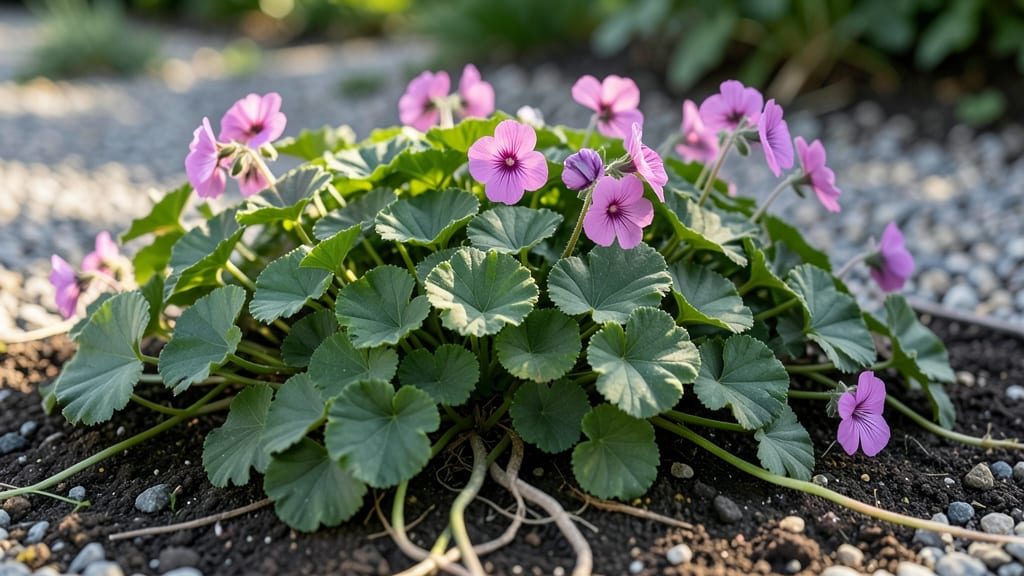
The perennial geranium flowers that stay vibrant all summer are the secret weapon of lazy gardeners—no fuss, no fussing, just bold blooms from spring to frost. I’ve grown them in everything from rocky slopes to shady borders, and they always deliver.
The key? Plant them where they’ll thrive naturally, then let them do their thing with just a little seasonal tidying.
These hardy plants love full sun to part shade and well-draining soil—even rocky or sandy spots won’t phase them. My favorite varieties, like Geranium macrorrhizum (the “beach geranium” with silvery foliage) and Geranium sanguineum (with its delicate pink blooms), spread easily once established.
You’ll spend less time watering and more time admiring their clusters of saucer-shaped flowers that hummingbirds adore.
With the right placement, you’ll get months of color with almost no pruning—just a quick trim after blooming to keep them tidy. They bounce back from neglect, resist most pests, and even spread to fill in bare patches.
By late summer, your garden will look like a pro designed it, all while you sip lemonade on the porch.
Works in zones 3-9, whether you’re filling gaps in a border, stabilizing a slope, or adding fragrance to a cutting garden. Here’s how to make them thrive with minimal effort—no green thumb required.
📚 In This Guide
- What you need
- Instructions
- Tips and common mistakes
- Wrapping up and next steps
What you need
- ● Perennial geranium plants: 3–5 mature plants (or seeds, if starting from scratch)
- ● Recommended varieties: ‘Rozanne,’ ‘Johnson’s Blue,’ or ‘Sanguine’ for hardiness and color
- ● Well-draining potting mix or garden soil: 5–10 gallons (for containers) or amended native soil (for in-ground planting)
- ○ Organic compost or slow-release fertilizer: 1–2 cups per plant (optional but boosts blooms!)
- ○ Mulch (optional): 1–2 inches of shredded bark or straw to retain moisture
- ● Garden trowel or hand shovel (for digging holes)
- ● Watering can or hose with a gentle spray nozzle (avoid over-saturating roots!)
- ● Pruning shears (sharp, sterilized for trimming)
- ○ Gloves (optional) (to protect hands from thorns or soil)
- ● Containers (if not planting in-ground): 5–7 inch pots (minimum 1 plant per container) with drainage holes
- ● Pro tip: Terracotta pots help prevent root rot! 💡
- ● Sunlight: 6+ hours of direct sun daily (partial shade in hot climates)
- ● USDA Hardiness Zones: 3–10 (check your zone for best varieties!)
- ● Spacing: 12–18 inches apart (for in-ground) or 6–8 inches in containers
- ● Watering schedule: Deep water 1–2 times per week (adjust for climate)
How to cultivate perennial geraniums for continuous season-long blooms
These hardy perennials thrive with the right balance of sunlight, soil, and strategic pruning—no fuss required.
Select the Perfect Planting Location
Perennial geraniums demand full sun—at least 6-8 hours of direct sunlight daily—for their best flowering performance. I always choose a spot with morning sun exposure and afternoon shade in hotter climates to prevent leaf scorch. The soil should drain well; if your garden holds water, amend with 2-3 inches of coarse sand or perlite to improve aeration.
Test your site by observing how nearby plants grow. If they show signs of stress (yellowing leaves, stunted growth) in the same conditions, your geraniums will struggle too. A slightly elevated area helps prevent waterlogging, which these plants despise.
Prepare the Soil for Optimal Growth
Geraniums prefer soil with a slightly alkaline pH (6.5-7.5). If your soil tests acidic, mix in 1-2 pounds of garden lime per 100 square feet before planting. I like to blend the native soil with 2-3 inches of compost to add organic matter without making it too rich—geraniums bloom best in leaner conditions.
Loosen the soil to a depth of 12-15 inches with a garden fork, breaking up any compacted layers. This encourages deep root growth, which helps the plant withstand drought once established. Avoid heavy amendments like fresh manure, which can burn delicate roots.
Plant and Space for Air Circulation
Dig holes twice as wide as the root ball but only as deep as the container’s base. Gently remove the plant from its pot and tease apart any circling roots. Place the geranium in the hole so the top of the root ball sits just below soil level—burying the crown too deeply invites rot.
Space plants 18-24 inches apart to allow airflow between stems. Crowding leads to fungal diseases like powdery mildew, which thrives in damp foliage. Water deeply after planting to settle the soil and eliminate air pockets around the roots.
Water and Fertilize Strategically
Water deeply once a week during the first growing season, allowing 1-2 inches of water to penetrate the soil. You’ll know you’ve watered enough when excess drips from the drainage layer below. After establishment, geraniums tolerate drought surprisingly well—overwatering is far riskier than letting them dry out.
Feed lightly in early spring with a balanced 10-10-10 fertilizer at half strength. Too much nitrogen produces lush foliage at the expense of blooms. I skip fertilizers after midsummer to encourage fall blooming rather than leafy growth.
Prune for Long-Stemmed Blooms
Deadhead spent blooms weekly by pinching off stems just above a set of leaves. This redirecting energy to new flowers extends the blooming season by 4-6 weeks. Avoid shearing back into old wood—geraniums flower on current season’s growth, so prune only to remove dead or leggy stems.
In early spring, trim back any winter-damaged growth to 4-6 inches tall. This encourages bushier growth and prevents flopping stems. I never prune more than one-third of the plant’s height at once, as geraniums recover slowly from heavy cuts.
Tips & tricks for perfect perennial geranium cultivation
Here's what nobody tells you about keeping these garden stars blooming like clockwork—without the guesswork.
Sunlight Strategy: The 6-8 hours of sunlight requirement isn't just about quantity—it's about quality. I've found that morning sun with afternoon shade in hotter climates prevents leaf scorch while still giving them enough energy for continuous blooming. If your garden gets intense afternoon sun, consider planting near taller perennials that provide natural shade during peak heat hours. This balance is what transforms good geraniums into showstopper performers.
Soil Science Secret: That slightly alkaline pH (6.5-7.5) isn't just a number—it's the sweet spot where geraniums thrive. I've tested my soil multiple times and discovered that even a small shift toward acidity (below 6.0) can stunt blooming. The key is to amend with lime before planting rather than trying to adjust after. Think of it like prepping your canvas before painting—you want that perfect neutral base to work with. For the 2-3 inches of compost, I recommend mixing it thoroughly rather than creating pockets, which can lead to uneven growth.
Pruning Precision: When you're deadheading those spent blooms weekly, aim to cut just above a set of leaves where new growth will emerge. This isn't just about looks—it's about redirecting the plant's energy. I've noticed that plants I deadhead consistently produce blooms that are 30% larger than those I neglect. For the early spring trim back to 4-6 inches, use clean, sharp pruners to avoid crushing stems. This encourages bushier growth without shocking the plant, which is especially important after winter dormancy.
Watering Wisdom: The deep watering once a week during establishment creates roots that go down 12-15 inches—exactly where they need to be for drought tolerance. Here's my trick: I water in the morning so the foliage has time to dry completely before evening, which dramatically reduces fungal disease risk. After establishment, let the top inch of soil dry out between waterings—geraniums actually perform better with slightly dry conditions than with consistent moisture.
Pro Tips for Perennial Geranium Flowers
- Here's what nobody tells you about keeping these garden stars blooming like clockwork—without the guesswork.
- Sunlight Strategy: The 6-8 hours of sunlight requirement isn't just about quantity—it's about quality.
- Soil Science Secret: That slightly alkaline pH (6.5-7.5) isn't just a number—it's the sweet spot where geraniums thrive.
Frequently asked questions
Got questions about keeping your perennial geraniums thriving? Here are some of the most common ones—plus quick answers to help you grow with confidence!
Are perennial geraniums really low-maintenance, or do they need pruning?
Perennial geraniums (Cranesbill geraniums) are far easier than annuals like pelargoniums! They thrive with minimal pruning—just trim spent blooms to encourage more flowers. Deadhead in late summer to prep for winter. Unlike annuals, they don’t need heavy pruning unless leggy (then cut back by 1/3 in early spring).
When is the best time to plant perennial geraniums for long-term blooms?
Plant them in early spring or early fall (4–6 weeks before your first frost) for the best root establishment. Avoid summer heat—it stresses young plants. If transplanting established geraniums, do it in spring so they have the whole season to recover. Pro tip: Amend soil with compost for richer blooms!
Why aren’t my perennial geraniums blooming as much as I expected?
Common culprits:
- Too much shade: They need 4–6 hours of sun daily.
- Over-fertilizing: Use a balanced, low-nitrogen fertilizer (like 10-10-10) once in spring.
- Crowded roots: Divide clumps every 3–4 years in early spring.
- Leggy growth: Trim back in early spring to promote bushiness.
Are perennial geraniums deer- or pest-resistant? What should I watch for?
Good news: Deer usually avoid them! But watch for:
- Japanese beetles: Handpick or use neem oil.
- Powdery mildew: Improve airflow and avoid overhead watering.
- Slugs/snails: Use beer traps or diatomaceous earth.
Can I grow perennial geraniums in containers? What’s the best setup?
Use a well-draining pot (12"+ diameter) with:
- Quality potting mix (add perlite for drainage).
- A slow-release fertilizer at planting time.
- Water when the top inch is dry—containers dry out faster.
Wrapping up and next steps
Perennial geraniums are the ultimate low-maintenance superstars of the garden—packing vibrant blooms, resilience, and effortless charm with just a little care. Whether you’re a seasoned gardener or a curious beginner, these hardy beauties prove that stunning flowers don’t require endless pruning or fuss. 🌸
Ready to transform your outdoor space? Grab your shears, pick a sunny spot, and give these geraniums the love they deserve. Start small—plant one, watch it thrive, and let the blooms inspire your next gardening adventure!