
Planting
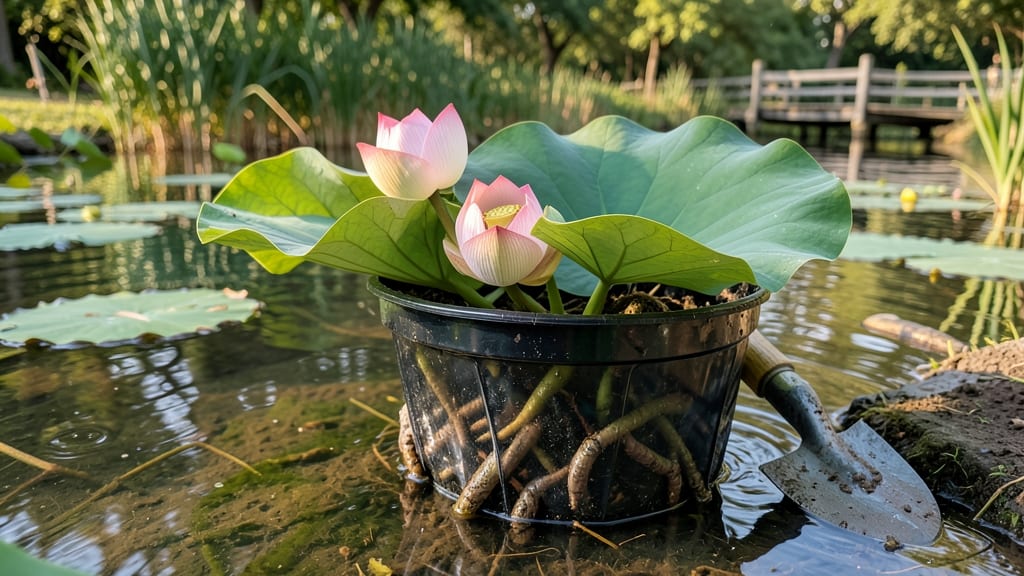
Planting lotus flowers transforms any pond into a serene sanctuary—those iconic blooms rise from still water like nature’s own sacred offering. 🌸 I’ve planted them in both shallow and deep water, and the key isn’t just the spot but the patience: lotuses reward you with three-to-four-foot stems and velvety pink or white blooms by midsummer if you nail the water depth and soil prep.
The secret starts with 12-18 inches of water—too shallow and roots dry out; too deep and stems flop. Use a mix of pond muck and garden soil at the bottom of your container or pond edge, then tuck in rhizomes (not seeds) just below the surface.
Most beginners skip the soil layer entirely, which guarantees weak growth—don’t make that mistake.
By late June, you’ll see those first buds unfurl above the water, their petals opening like handwritten letters from summer. The flowers last just a day, but the cycle repeats all season long, drawing hummingbirds and dragonflies to your oasis. Here’s how to set it up without the guesswork.
Works in backyard ponds, large containers, or even koi ponds—just avoid moving water. The hardest part isn’t planting; it’s resisting the urge to rush. Lotus flowers teach you that beauty arrives on its own timeline, and that’s the real magic.
📚 In This Guide
- What you need
- Instructions
- Tips and common mistakes
- Wrapping up and next steps
What you need
- ● Lotus tubers (rhizomes): 3–5 healthy, firm tubers (ensure they have at least 1–2 buds or "eyes").
- ● Pond or container: Pond: Minimum depth of 12–18 inches (lotuses need space to grow roots).
- ● Container: A large pot (at least 12" diameter) with drainage holes, filled with 12–18" of water.
- ● Pond soil or substrate: Nutrient-rich, clay-heavy soil (or a mix of 60% garden soil + 40% sand).
- ● Water source: Clean, stagnant water (lotuses thrive in still or slow-moving water).
- ● Gloves: To protect hands while handling soil or tubers.
- ● Trowel or shovel: For planting tubers gently.
- ○ Water testing kit: (Optional) To monitor pH (ideal range: 6.0–7.5).
- ○ Floating plants (e.g., water hyacinth): (Optional) To provide shade and reduce algae.
- ○ Fertilizer (balanced aquatic plant food): (Optional) Apply sparingly every 4–6 weeks.
Step-by-Step guide to planting lotus flowers
Here's how I make sacred lotus blooms thrive in any pond—no fancy tools needed.
🪴 Step 1: Prepare the Water Garden Space
Lotus roots need 12-18 inches of water depth to thrive. I start by marking a 3-foot diameter circle in your pond or container—this gives roots room to spread while keeping leaves and blooms accessible. Clear any existing debris from the marked area and gently stir the bottom soil to loosen it.
For containers, use a wide, shallow basin (at least 2 feet in diameter) with drainage holes covered by mesh. Fill with pond water or dechlorinated tap water until it reaches 12 inches deep. Lotus plants hate stagnant water, so if your pond lacks circulation, add a small fountain or aerator to keep it moving.
Here's the thing—lotus roots are sensitive to temperature. Wait until water reaches 65°F or warmer before planting. If your climate runs cooler, use a pond heater during early spring to avoid shocking the roots.
🌱 Step 2: Plant the Tubers Correctly
Lotus tubers look like gnarled, knobby roots—each 3-5 inch section with an eye (a small bump) is a potential growth point. I plant each tuber 4-6 inches deep, pressing it gently into the pond soil with the eyes facing upward. Space tubers 12-18 inches apart to allow room for foliage.
Don't bury them too deep (more than 6 inches) or they'll rot before sprouting. If planting in containers, use 2-3 tubers per basin—this creates a fuller display faster. Cover the planted area with 1 inch of pond soil to anchor the tubers without smothering them.
Real talk: If you're using store-bought tubers, soak them in lukewarm water for 24 hours before planting. This jumpstarts hydration and encourages faster sprouting. Just don't let them dry out after—wrinkled tubers won't root well.
☀️ Step 3: Provide Light and Maintenance
Lotus plants crave full sun—6+ hours daily. If your pond is shaded, supplement with a floating pond light (not a grow light—these need natural sunlight). You'll see new shoots emerge in 2-4 weeks once water temps hit 70°F.
Once leaves appear, fertilize lightly with pond-specific plant food every 4-6 weeks during growing season. I use a slow-release tablet placed near the roots—this prevents algae blooms from overfeeding. Avoid touching the leaves when fertilizing; lotus foliage is delicate and bruises easily.
Here's where it gets fun—watch for the first pink or white buds in late summer. These take 3-5 days to fully open. Deadhead spent blooms by snipping stems at the base to encourage more flowers. In fall, when leaves yellow, trim them back but leave tubers in place—they'll overwinter and regrow next spring.
Tips & tricks for planting lotus flowers
Between us, these little details make all the difference between struggling with your lotus and watching them flourish like a sacred garden.
Water Depth and Temperature: The 12-18 inches of water depth in Step 1 is non-negotiable—lotus roots need this space to spread properly. If your pond is shallower, consider using a container instead. And that 65°F minimum isn't just a suggestion: cold water shocks the roots and delays sprouting. I've seen tubers rot in water below 60°F, so if you're in a cooler climate, that pond heater in early spring is your best friend. Trust me on this.
Tuber Selection and Preparation: Not all tubers are created equal. Look for healthy, firm sections with visible eyes—those are your growth points. The 24-hour soak in lukewarm water before planting is where the magic happens. I've planted uns soaked tubers that took twice as long to sprout, if they sprouted at all. Pro tip: Use a mesh bag to hold the tubers during soaking—it keeps them contained and makes planting easier.
Light and Fertilizer Strategy: That 6+ hours of sunlight in Step 3 isn't just about blooms—it's about survival. Lotus leaves need full sun to photosynthesize properly. And when it comes to fertilizing, less is more. I've seen algae blooms from over-fertilizing, which can smother your lotus before it even gets started. The slow-release tablet method keeps nutrients steady without shocking the plant.
Seasonal Timing: The instructions mention late summer for buds, but here's what nobody tells you—plant your tubers in early spring when water temps first hit 65°F. This gives them the full growing season to establish roots before winter. I've had tubers planted in fall that barely survived our first freeze. Timing is everything with these delicate plants.
Pro Tips for Plant Lotus Flower
- Between us, these little details make all the difference between struggling with your lotus and watching them flourish like a sacred garden.
- Water Depth and Temperature: The 12-18 inches of water depth in Step 1 is non-negotiable—lotus roots need this space to spread properly.
- Tuber Selection and Preparation: Not all tubers are created equal.
Frequently asked questions
Got questions about growing your own lotus flowers?
Here are some of the most common ones—plus straightforward answers to help you succeed!
Can I plant lotus flowers in a regular garden or do they only grow in ponds?
Lotus flowers love water, so they thrive in ponds, lakes, or large containers with at least 18 inches of water depth. While you can try a shallow water feature, they won’t bloom as well in soil. A dedicated pond or deep container is your best bet for stunning blooms!
How long does it take for lotus flowers to bloom after planting?
Patience is key! Hardy lotus tubers (rhizomes) may take 2-5 years to bloom, depending on water temperature, sunlight, and care. Tropical lotuses bloom faster (1-2 years), while hardy varieties may take longer. Keep them happy with consistent warmth and nutrients for the best results.
What do I do if my lotus leaves turn yellow or wilt?
Yellowing leaves often signal nutrient deficiency (try a balanced aquatic fertilizer) or poor water quality (change 20-30% of the water monthly). Wilting could mean too much shade—lotuses need 6+ hours of sunlight daily. Trim damaged leaves and adjust their environment for a quick recovery.
Can I grow lotus flowers in a small backyard pond?
Even small ponds (4’x4’ or larger) can host lotuses if they’re deep enough (18"+). Opt for dwarf varieties like Lotus ‘Mini’ or Nelumbo lutea (yellow lotus) for compact spaces. Just ensure good circulation to prevent stagnation.
Do lotus flowers attract pests or invasive species?
Lotus flowers are generally pest-resistant, but aphids or snails may occasionally visit. Use neem oil or manual removal for pests. However, they’re not considered invasive in most regions—just ensure they don’t spread beyond your pond if you’re near natural waterways.
Wrapping up and next steps
Planting lotus flowers is a rewarding journey that brings serenity and natural beauty to your pond or garden. 🌸 With the right materials, patience, and care, you’ll soon witness their majestic blooms rise above the water’s surface—symbolizing purity and resilience.
Whether you’re a beginner or a seasoned gardener, every step you take nurtures not just a plant, but a piece of living art.
Ready to dive deeper? Start small—try a single lotus plant in a container to refine your technique, or explore companion plants that thrive alongside them. The pond of your dreams is just a seedling away! 🌊