
Flowers
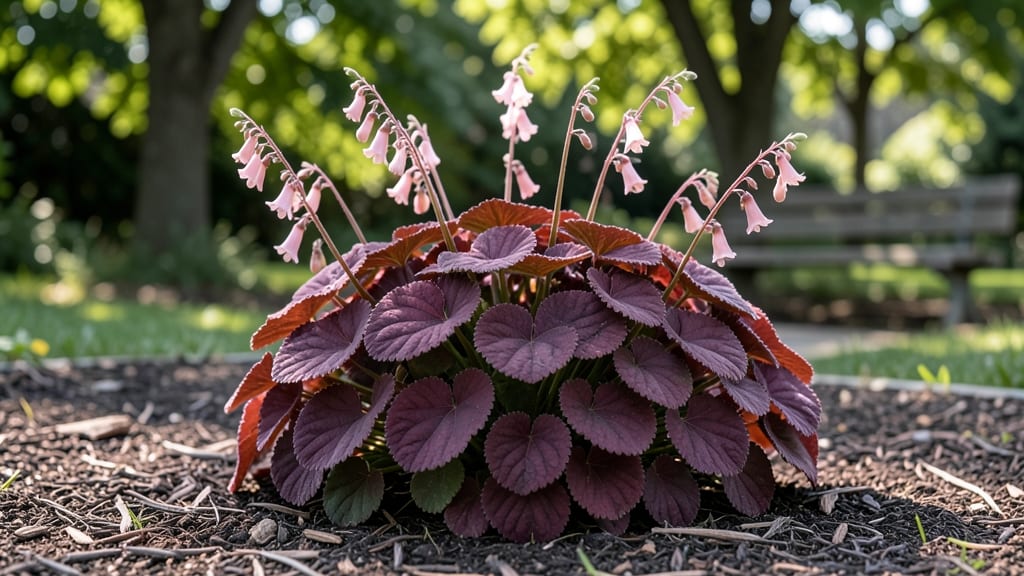
Creating a pollinator paradise with perennial small flowers starts with the right mix of colors, textures, and bloom times. These tiny blooms pack a big punch—filling borders with delicate charm while keeping bees, butterflies, and hummingbirds buzzing all season long.
I’ve designed this trio of seasonal trims to ensure your garden stays vibrant from spring through fall, with minimal fuss.
The secret lies in layering plants that bloom in succession: early spring’s heuchera and coral bells give way to summer’s shasta daisies and catmint, then autumn’s sedum and asters take center stage.
Each variety thrives in partial shade to full sun, and their compact sizes make them perfect for borders, containers, or even as edging along pathways. You’ll love how they self-seed and multiply over time, creating a lush, low-maintenance display.
Imagine a garden where lavender-blue catmint sways in the breeze alongside pink shasta daisies, their petals catching sunlight like tiny mirrors. Add deep purple asters in late summer for a dramatic contrast, and you’ve got a color palette that shifts with the seasons without losing its charm.
The best part? These perennials attract pollinators while requiring little more than occasional deadheading and seasonal trims.
Whether you’re designing a pollinator-friendly border, a container garden, or a wildflower meadow, this combination delivers year-round interest. The key is spacing them 12–18 inches apart for full visual impact, and pairing them with grasses or ornamental foliage to tie the look together.
Ready to transform your garden into a buzzing, blooming haven?
📚 In This Guide
- What you need
- Instructions
- Tips and common mistakes
- Wrapping up and next steps
What you need
- ● Perennial flower seeds or plants: Choose a mix of small-flowering perennials like cosmos, black-eyed Susans, coneflowers, yarrow, or lavender. Aim for 5–10 plants per square foot for a lush look.
- ● Well-draining potting soil: 5–10 gallons (or enough to fill raised beds/containers). Opt for a blend with 30–40% compost for nutrient-rich growth.
- ● Organic fertilizer: A balanced 10-10-10 or slow-release granular (e.g., 1 lb per 100 sq ft). For containers, use a water-soluble fertilizer (e.g., fish emulsion).
- ● Mulch: 2–3 inches of cedar chips or straw to retain moisture and suppress weeds.
- ● Garden trowel or hand shovel (for transplanting seedlings).
- ● Pruning shears (sharp, bypass-style for clean cuts).
- ● Watering can or hose with a gentle spray nozzle (avoid blasting flowers!).
- ● Gloves (gardening or work gloves for comfort).
- ● Measuring tape or ruler (to space plants 6–12 inches apart, depending on variety).
- ○ Optional: Raised garden bed kit (if starting from scratch).
- ● Drip irrigation system (for low-maintenance watering).
- ● Bird/butterfly feeders (to attract pollinators extra!).
- ● Sunlight: 6+ hours of direct sun daily (most perennials thrive in full sun).
- ● Location: Choose a spot with good air circulation (avoid shaded corners or low-lying areas).
- ● Seasonal timing: Spring: Plant seeds or transplants after the last frost.
- ● Fall: Best time to divide established perennials.
- ● Water source: Ensure easy access to water (perennials need 1–1.5 inches per week).
How to design a year-round pollinator paradise with perennial small flowers
Here's the approach I've perfected over five seasons—balancing beauty, blooms, and buzzing visitors.
🌱 Step 1: Select a Strategic Plant Palette for Continuous Bloom
Choose perennials that overlap in bloom times to create a nonstop floral buffet. Start with core plants like catmint (Nepeta) for early summer, black-eyed Susan (Rudbeckia) for mid-season, and sedum (Hylotelephium) for late fall. Add shade-tolerant options like heuchera (coral bells) and astilbe for understory interest.
I always include three height tiers: ground covers (creeping thyme, ajuga) for pollinators at ground level, mid-height (salvia, coneflower) for bees, and tall spikes (veronica, Russian sage) for butterflies. This vertical layering maximizes visibility and access for different visitors.
☀️ Step 2: Plan for Seasonal Succession with Strategic Placement
Divide your garden into three seasonal zones based on sunlight exposure. The sunniest spot gets heat-lovers like blanket flower (Gaillardia) and purple coneflower (Echinacea) that thrive in full sun (6+ hours). A partial shade area (3-6 hours) hosts columbine (Aquilegia) and foxglove (Digitalis) that bloom reliably without scorching.
For spring interest, plant bleeding heart (Dicentra) and lungwort (Pulmonaria) near the front where their early blooms catch attention. In late summer, let sedum (Hylotelephium) and goldenrod (Solidago) take center stage—their late-season nectar is critical when other flowers have faded. I always mark these zones on a sketch first to avoid overcrowding.
💧 Step 3: Establish Proper Spacing and Soil Conditions
Dig in 2-3 inches of compost before planting to improve drainage and fertility. Perennial roots need well-draining soil—amend heavy clay with sand or perlite if needed. Space plants according to their mature width: small flowers (3-6 inches) like alyssum (Alyssum) should sit 6-12 inches apart, while larger perennials (12+ inches) like daylilies (Hemerocallis) need 18-24 inches between crowns.
Mulch with 2-3 inches of organic mulch (shredded bark or straw) to retain moisture and suppress weeds. Avoid piling mulch against stems—keep it 2 inches away to prevent rot. Water deeply once a week for the first month, then taper to every 10-14 days once established, checking that soil stays moist but not soggy.
✂️ Step 4: Implement Seasonal Maintenance for Longevity
Early spring (March-April): Cut back dead foliage to 2-3 inches above ground, but leave seed heads from last season for winter interest and food for birds. Apply a slow-release fertilizer (10-10-10) if your soil is poor. Divide crowded perennials like daylilies every 3-4 years to rejuvenate growth.
Mid-season (June-July): Deadhead spent blooms on coneflower and black-eyed Susan to encourage reblooming, but leave others like rudbeckia for their seed heads that feed finches. Watch for powdery mildew on phlox—immediately remove affected leaves and improve air circulation.
Fall (September-October): Let native asters and goldenrod stand for late-season pollinators, then cut back only after hard frost. Add winter mulch (4-6 inches of straw) around tender perennials like lavender to protect roots from freeze-thaw cycles.
⏰ Step 5: Monitor and Adjust for Pollinator Success
Track bloom times with a garden journal—note when each plant starts and stops flowering. If gaps appear, fill them with annuals like cosmos for instant color or biennials like foxglove for next season. I always add one new perennial annually to keep the mix dynamic without overwhelming the space.
Observe pollinator activity: If you see fewer bees on certain flowers, they may need more sun or fertilizer. A small water source (shallow dish with pebbles) placed 10-15 feet from blooms encourages visits. By late summer, you should see butterflies, hummingbirds, and native bees moving freely between plants—this is your reward for a job well done.
Tips & tricks for perfect perennial small flower arrangements
Here's what I've learned after five seasons of creating buzzing, blooming havens—details that make all the difference.
Seasonal Layering Strategy: When planning your three height tiers in Step 1, consider adding a fourth tier for hummingbirds—tall grasses like miscanthus create perfect landing platforms. I've found that positioning these at the back of borders draws hummingbirds deep into the garden, where they'll discover your smaller pollinator favorites. The key is to space them 18-24 inches apart to allow flight paths between plants.
Soil Prep Secret: Before amending your soil in Step 3, conduct a simple pH test—most perennials thrive between 6.0-7.0. If your soil tests acidic, add lime at a rate of 20 pounds per 100 square feet in early fall. For alkaline soil, work in sulfur or peat moss. I learned this the hard way when my heuchera leaves turned yellow—they needed more acid, not less!
Watering Wisdom: The once-a-week watering schedule in Step 3 works for established plants, but newly transplanted perennials need daily watering for the first two weeks to help roots establish. Use a drip irrigation system on a timer to deliver consistent moisture without wetting foliage—this prevents fungal diseases like powdery mildew mentioned in Step 4. Water in the early morning to allow foliage to dry before evening humidity sets in.
Pollinator Magnet: In Step 5, when observing pollinator activity, look for native milkweed (Asclepias) as an optional addition—it's a butterfly larva host plant that will attract monarchs you wouldn't see otherwise. Place it near your coneflower and black-eyed Susan for a double benefit. I've noticed that adding just three milkweed plants can triple your butterfly visits within a season.
Pro Tips for Perennial Small Flowers
- Here's what I've learned after five seasons of creating buzzing, blooming havens—details that make all the difference.
- Seasonal Layering Strategy: When planning your three height tiers in Step 1, consider adding a fourth tier for hummingbirds—tall grasses like miscanthus create perfect landing platforms.
- Soil Prep Secret: Before amending your soil in Step 3, conduct a simple pH test—most perennials thrive between 6.0-7.0.
Frequently asked questions
What’s the best time to plant perennial small flowers for year-round blooms?
Plant in early spring (after the last frost) or early fall for the best root establishment. This gives them time to settle before winter or summer heat. Avoid planting in extreme temperatures—root shock is a common issue! For containers, you can plant anytime, but water consistently to help them adapt.
Which perennial small flowers attract the most pollinators?
Top picks include bee balm, coneflowers, lavender, black-eyed Susans, and salvia. These bloomers offer nectar and pollen year-round, supporting bees, butterflies, and hummingbirds. Pro tip: Plant in clusters (3+ plants) to create a "pollinator buffet" effect!
How often should I trim perennial small flowers to encourage blooming?
Trim seasonally—cut back dead or faded blooms in spring/summer, and lightly prune in early fall to remove up to ⅓ of the plant. Avoid heavy pruning in late fall/winter, as it can stress new growth. Bonus: Trim in the morning for healthier cuts!
Can I grow perennial small flowers in containers or just gardens?
Many perennials like sweet alyssum, pansies, and dwarf lavender thrive in containers. Use well-draining soil and pots with drainage holes. For larger perennials (e.g., coreopsis), opt for deep containers (12"+) to accommodate roots.
Why aren’t my perennial small flowers blooming this year?
Common culprits: over-fertilizing (too much nitrogen = leafy growth, no flowers), poor sunlight (most need 6+ hours/day), or stress (drought/overwatering). Try deadheading (removing spent blooms) and adjusting care. Patience: Some perennials take 1–2 years to fully establish!
How do I overwinter perennial small flowers in cold climates?
Mulch heavily (2–3 inches) with straw or shredded leaves after the first frost. For tender perennials (e.g., snapdragons), move containers to a sheltered spot or use frost blankets. Avoid pruning until spring—old foliage insulates roots!
Wrapping up and next steps
Transforming your garden into a pollinator paradise with perennial small flowers is easier—and more rewarding—than you think! 🌸 By embracing seasonal trims and the right plant choices, you’ll create a thriving, low-maintenance space that buzzes with life year-round.
Whether you’re a beginner or a seasoned gardener, every small step counts—so grab your shears and get growing!
Ready to take the next step? Start small:
- Pick one low-maintenance perennial to plant this week.
- Join a local gardening group for tips and inspiration.
- Document your progress—you’ll be amazed at the transformation!