
Flowers
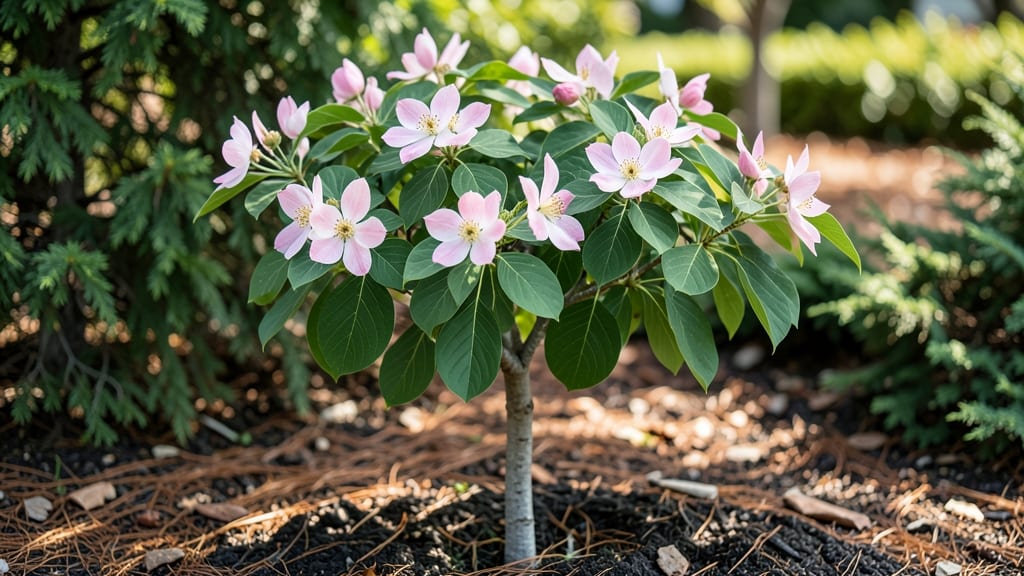
Your garden’s spring centerpiece starts with pink dogwood flowers—those snowy-blossomed stars that turn heads before summer even begins. 🌸 I’ll never forget the first time I saw one in full bloom, its delicate petals catching the morning light like scattered pearls against fresh green leaves.
These aren’t just pretty faces—they’re pollinator magnets, drawing bees and butterflies in waves of color that keep your yard alive with movement. Pair them with azaleas for layered blooms or ferns for lush texture, and you’ve got a spring display that lasts from March through May.
Imagine your front yard transformed: soft pink clouds framing a path, their scent light and sweet on warm breezes. Dogwoods thrive in partial shade, making them perfect for understory planting where sun-loving plants struggle.
Whether you’re designing a cottage garden or modern landscape, pink dogwoods add seasonal drama without fuss. Let’s make your spring unforgettable—starting with placement that steals the show.
📚 In This Guide
- What you need
- Instructions
- Tips and common mistakes
- Wrapping up and next steps
What you need
- ● Pink Dogwood Seeds or Nursery Plants: Seeds: 10–20 (for direct sowing or starting indoors). Tip: Choose certified organic or heirloom varieties for best results!
- ● Nursery Plants: 1–3 mature trees (3–5 feet tall) or bare-root saplings (for faster establishment).
- ● Well-Draining Soil: 6–8 bags (2–3 cubic feet each) of loamy, acidic soil (pH 4.5–6.0). Mix with compost for fertility.
- ○ Optional: 1 bag of pine bark fines or peat moss to mimic natural woodland conditions.
- ● Mulch: 3–5 cubic feet of wood chips or pine straw to retain moisture and suppress weeds.
- ● Garden Tools: 1 trowel (for transplanting seeds/saplings)
- ● 1 pruning shears (sterilized with rubbing alcohol)
- ● 1 garden fork (for loosening soil)
- ● Watering Supplies: 1 hose with adjustable nozzle or watering can (1–2 gallons capacity)
- ○ Optional: Drip irrigation kit for consistent moisture.
- ● Protective Gear: 1 pair gardening gloves (nitrile-coated for durability)
- ● 1 sun hat or wide-brimmed hat (for sunny planting days).
- ● Location: A partial-shade to full-shade spot (4–6 hours of dappled sunlight daily). Avoid harsh afternoon sun.
- ● Climate: Plant in USDA Zones 5–9 (or similar temperate regions). Pro Tip: Dogwoods thrive in humid, woodland-like environments!
- ● Timing: Seeds: Start indoors 12–16 weeks before last frost or sow directly in spring or fall.
- ● Nursery Plants: Transplant in early spring or fall (avoid extreme heat).
Step-by-Step guide for planting and caring for pink dogwood trees
Here's how to nurture these showstopping trees for years of effortless spring color.
🌱 Step 1: Choose the Perfect Planting Location
Pink dogwoods thrive in partial shade to full sun—at least 4-6 hours of morning sunlight with afternoon shade in hot climates. I always look for spots with well-draining soil and shelter from strong winds, which can damage their delicate branches. The tree's natural shape will develop best when planted where it won't be crowded by mature shrubs or buildings.
Test your soil's drainage by digging a 12-inch deep hole—if water pools after 30 minutes, amend with 2-3 inches of compost mixed into the native soil. Dogwoods hate soggy roots, so raised beds or slightly elevated areas work beautifully. Mark the planting spot with a stake to visualize the tree's mature 20-30 foot spread—you'll want room for its iconic horizontal branching.
🪴 Step 2: Prepare the Planting Site and Transplant
Dig your planting hole twice as wide as the root ball but only as deep—dogwood roots prefer being slightly above ground level. Loosen the roots gently if they're circling the container, using your fingers to tease them outward. This prevents girdling as the tree matures. Place the tree in the hole so the top of the root ball sits 1-2 inches above ground level—this prevents rot during heavy rains.
Backfill with the native soil you removed, mixing in 1-2 inches of compost around the edges to encourage root establishment. Water thoroughly until the soil settles, then create a 4-inch deep watering basin around the base. Mulch with 2-3 inches of shredded bark, keeping it 6 inches away from the trunk to prevent moisture buildup against the bark.
☀️ Step 3: Establish Proper Watering and Light Routines
Water newly planted dogwoods deeply 2-3 times per week for the first 6-8 weeks, ensuring the soil stays evenly moist but not waterlogged. You'll know it's right when the top 2 inches of soil feel damp—like a wrung-out sponge. After this initial period, reduce to once weekly during dry spells, always checking for 1 inch of moisture before watering again.
Monitor sunlight exposure closely—dogwoods in full sun may need daily watering during summer heatwaves. Watch for yellowing leaves on the south side of the tree, which signals thirst. If you notice brown leaf edges, you're overwatering. Adjust by watering only when the soil feels dry to touch at 2 inches deep, and always water at the base, not overhead.
✂️ Step 4: Prune for Health and Flower Production
Prune dogwoods only in late winter or early spring before buds swell, removing dead, crossing, or rubbing branches first. I always start with sterilized pruners to prevent disease spread. Cut just outside the branch collar where it meets the trunk—this ensures proper healing. Never remove more than 25% of the canopy in one season, as this stresses the tree and reduces flowering.
Shape the tree lightly by thinning interior branches to improve airflow and light penetration. The goal is to maintain an open center while preserving the tree's natural vase shape. After flowering, you can remove spent blooms by cutting the stems back to the first healthy leaf pair below the flower cluster. This encourages next year's buds to form along the stems.
💧 Step 5: Fertilize and Mulch for Long-Term Vitality
Apply a balanced, slow-release fertilizer (10-10-10) in early spring only if your soil test shows deficiencies. Spread ½ pound per inch of trunk diameter around the drip line, then water deeply to activate the granules. Dogwoods in rich, well-drained soil rarely need feeding—over-fertilizing causes weak growth and fewer flowers. Always follow package instructions precisely.
Replenish the 2-3 inch mulch layer annually in early spring, keeping it 6 inches from the trunk to prevent rot. I use shredded hardwood mulch because it breaks down slowly and improves soil structure over time. This mulch also suppresses weeds and maintains even moisture levels. Check the mulch layer after heavy rains—if it compacts or shifts away from the base, fluff it gently with a rake.
Tips & tricks for perfect pink dogwood flower planting
Here's what I've learned from years of growing these stunning spring bloomers—avoid these common pitfalls for a thriving tree.
Site Selection Secret: In Step 1, when choosing your planting location, pay special attention to the 4-6 hours of morning sunlight requirement. I've planted dogwoods in spots that seemed perfect but got too much afternoon sun, and the leaves would scorch by summer. If your yard gets intense afternoon heat, consider planting near a north-facing wall or under the drip line of taller trees that provide shade only in the afternoon.
Root Ball Handling: During Step 2, when preparing the transplant, don't be afraid to get your hands dirty loosening those roots. I learned this the hard way after seeing a dogwood struggle for years with circling roots. Use your fingers to gently separate any roots that appear to be spiraling around the container. This encourages outward growth rather than the tree trying to escape its own root prison. The slight elevation of the root ball (1-2 inches above ground) is crucial—it prevents water from pooling against the trunk during heavy rains.
Watering Wisdom: The 2-3 times per week watering schedule in Step 3 might seem like a lot, but dogwoods are surprisingly thirsty during their first two months. I recommend using a rain gauge or tuna can to measure your watering—fill it with water to check if you're providing the right amount. For the 4-inch deep watering basin, I often use a garden hose with a gentle spray setting to create a slow, deep soak that penetrates to the roots rather than just wetting the surface.
Pruning Precision: When you're ready to prune in Step 4, remember that late winter/early spring timing is critical for flower production. I always sterilize my pruners with rubbing alcohol between cuts to prevent spreading disease between branches. The 25% canopy rule is non-negotiable—removing too much at once stresses the tree. For shaping, focus on creating that open center while preserving the natural vase shape. The healthy leaf pair rule for spent blooms is a game-changer for next year's flowers.
Pro Tips for Pink Dogwood Flower
- Here's what I've learned from years of growing these stunning spring bloomers—avoid these common pitfalls for a thriving tree.
- Site Selection Secret: In Step 1, when choosing your planting location, pay special attention to the 4-6 hours of morning sunlight requirement.
- Root Ball Handling: During Step 2, when preparing the transplant, don't be afraid to get your hands dirty loosening those roots.
Frequently asked questions
Got questions about the stunning pink dogwood flower? You’re not alone! Here are some of the most common queries—from timing to care—so you can make the most of these springtime showstoppers.
When do pink dogwood flowers bloom, and how long do they last?
Pink dogwood flowers typically bloom in late spring to early summer, depending on your climate. In warmer regions, they may appear as early as April, while cooler areas see them in May or June. Each flower cluster lasts about 2–3 weeks, but the tree’s foliage stays lush for months, offering year-round interest.
How do I care for a pink dogwood tree to ensure it blooms every year?
Pink dogwoods thrive with partial shade (4–6 hours of sunlight daily) and well-draining, acidic soil. Water deeply but infrequently—aim for 1–1.5 inches per week—and mulch around the base to retain moisture. Prune in late winter to remove dead branches, but avoid heavy trimming, as it can reduce next year’s blooms.
Are pink dogwood flowers good for pollinators like bees and butterflies?
Pink dogwoods are a pollinator magnet, attracting bees, butterflies, and hummingbirds with their nectar-rich blooms. For extra appeal, plant them near native shrubs like azaleas or serviceberry to create a pollinator-friendly garden hub. Just avoid pesticides during bloom season!
Can I grow a pink dogwood from seed, or should I buy a nursery plant?
While it’s possible to grow pink dogwoods from seed, it’s far easier (and faster) to buy a nursery-grown sapling. Seeds can take 2–3 years to sprout and may not retain the parent plant’s vibrant pink hue. Opt for a ‘Cherokee Brave’ or ‘Pink Icing’ cultivar for guaranteed color.
Why aren’t my pink dogwood flowers opening, or are they dropping early?
Early bloom drop or closed buds often signal stress. Check for underwatering, overwatering, or root rot—dogwoods hate soggy soil. Heatwaves or drought can also cause buds to abort. If your tree is young, it may need more time to establish. Try light afternoon shade in hot climates to protect blooms.
What are some great companion plants for pink dogwood flowers?
Pair pink dogwoods with shade-tolerant perennials like hostas, ferns, or bleeding hearts for a lush understory. For contrast, add evergreens (e.g., rhododendrons) or spring bulbs (e.g., daffodils). Avoid aggressive spreaders like mint or bamboo, which can crowd the tree’s roots.
Wrapping up and next steps
The pink dogwood flower isn’t just a breathtaking sight—it’s a symbol of renewal, a haven for pollinators, and a low-maintenance gem for any garden.
Whether you’re drawn to its delicate petals, its role in supporting local ecosystems, or its easy-care charm, this spring star deserves a spot in your outdoor space. 🌸
Ready to bring its magic to your yard? Start by researching local nurseries or checking your hardiness zone to pick the perfect variety. Then, grab your gardening tools and plant with confidence—your future pollinator paradise awaits!