
Flowers
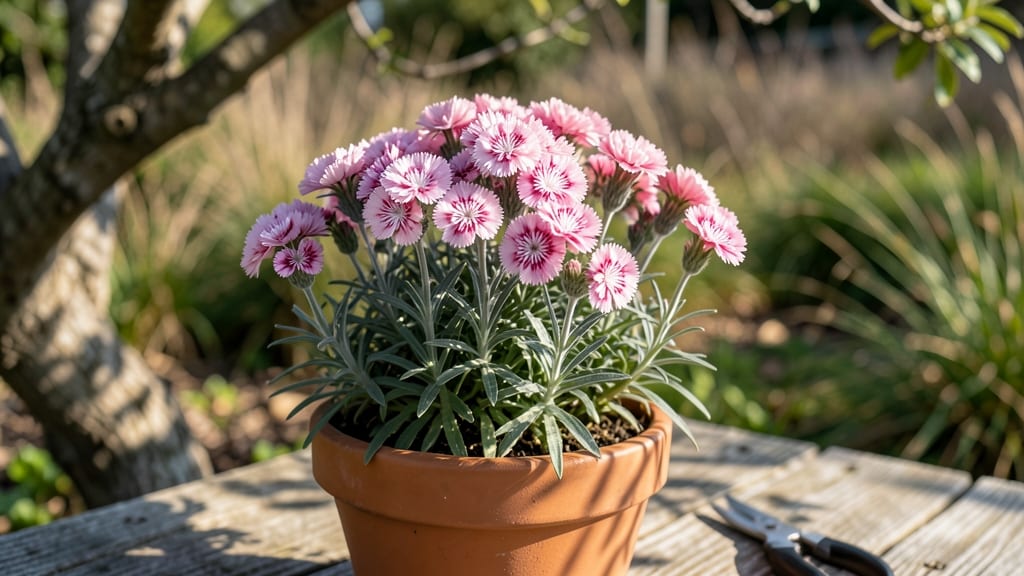
Pink and white flowers create the most romantic, high-contrast garden displays—think cottage charm meets modern elegance. 🌸 I’ve designed borders with these colors that stop neighbors mid-step, and the secret isn’t just pairing them right but layering bloom times so your garden never looks bare.
The magic happens with peony roses for early summer drama, hydrangeas for midseason volume, and annual petunias to fill gaps. Mix textures too—velvety peonies against crisp hydrangea blooms—and you’ll get that Instagram-worthy look without trying. Even pollinators can’t resist the contrast.
By late summer, you’ll have a garden that feels like a living watercolor: soft pinks fading into pure white, with bees and butterflies flitting between blooms. The best part? These combos work in containers, borders, or mass plantings—no fancy degree required.
Ready to transform your space? Start with one focal point—a trellis of pink clematis against white roses—and build from there. The rest will fall into place.
📚 In This Guide
- What you need
- Instructions
- Tips and common mistakes
- Wrapping up and next steps
What you need
- ● Pink & White Flower Seeds or Plants: 5–10 Zinnia elegans (Benary’s Giant Series) – 10–20 seeds or 3–5 plants
- ● 5–8 Cosmos bipinnatus (Sensation Mix) – 15–20 seeds or 4–6 plants
- ● 3–5 Dianthus barbatus (Sweet William) – 10–15 seeds or 3 plants
- ● 2–3 Lobularia maritima (Sweet Alyssum) – 10–12 seeds or 2 plants (for ground cover)
- ● 1–2 Eschscholzia californica (California Poppy) – 5–8 seeds or 1 plant (for contrast)
- ● Soil & Amendments: 1–2 bags well-draining potting mix (for containers) or native soil (for in-ground planting)
- ● 1 cup compost or aged manure (per square foot of planting area)
- ○ Optional: Slow-release fertilizer (10-10-10, 1 lb per 100 sq ft)
- ● Planting Tools: 1 garden trowel (for transplanting seedlings)
- ● 1 hand pruners (for trimming dead blooms)
- ● 1 measuring tape (for spacing plants)
- ● Watering & Maintenance: 1 watering can (with a fine rose nozzle) or drip irrigation kit
- ● 1 mulch (straw or shredded bark, 2–3 inches thick)
- ○ Optional (But Helpful!): 1 seed starting tray (if sowing indoors)
- ● 1 garden kneeler (for comfort)
- ● 1 pollinator-friendly insect hotel (to attract bees & butterflies!)
- ● A sunny location (6+ hours of direct sunlight daily)
- ● Access to water (consistent moisture for seedlings, drought-tolerant once established)
- ● Knowledge of your USDA Hardiness Zone (most pink/white flowers thrive in Zones 3–10)
- ● Patience! Some flowers (like cosmos) germinate in 7–14 days, while others (like zinnias) may take 5–10 days.
How to create a striking pollinator-friendly garden with pink and white flowers
This bold color combo attracts bees, butterflies, and hummingbirds while adding drama to your landscape.
🌱 Step 1: Select Complementary Pink and White Flower Varieties
Choose plants that bloom at different times for continuous color. I pair Shasta daisies (white, long bloom season) with pink coneflowers (Echinacea purpurea) for structure, then add salvia (pink spikes) for vertical interest. All three thrive in full sun and attract pollinators aggressively. Avoid cultivars treated with systemic pesticides—these repel bees entirely.
For height variation, include black-eyed Susans (white/yellow) at 3-4 feet and pink columbines (sprawling habit) at the front. The key is 3-4 plants per variety to create a dense, pollinator magnet. I always include at least one native species—like bee balm—since local pollinators recognize these best.
☀️ Step 2: Plan for Sunlight and Soil Requirements
Most pink-and-white pollinator favorites need 6+ hours of direct sunlight daily. Test your garden spots with a sunlight tracker for 24 hours—shady areas will only support white asters or pink impatiens, which offer less nectar value. Amend heavy clay soil with 2 inches of compost to improve drainage, which prevents root rot in moisture-loving varieties like peony.
For containers, use well-draining potting mix with added perlite. I mix 50% premium mix with 30% coconut coir and 20% compost to retain moisture while preventing compaction. Place pots where they’ll receive morning sun and afternoon shade if your climate runs hot—this prevents flower scorch on delicate petals.
💧 Step 3: Plant with Strategic Spacing for Pollinator Access
Space plants 18-24 inches apart to ensure bees can move between blooms without struggling. Crowded flowers force pollinators to work harder, which reduces their efficiency. Group 3-5 plants of each variety together—this creates visual impact while giving insects a concentrated nectar source. For example, place pink phlox in a 3-foot diameter cluster surrounded by white yarrow for a high-contrast border.
Plant tall varieties at the back, medium-height in the middle, and trailing or low-growing types (like pink creeping thyme) at the front. This layered approach mimics natural ecosystems, where pollinators navigate from ground level up to taller blooms. Water deeply once a week after planting, then taper to every 10-14 days once established—drought-tolerant varieties like lavender thrive with less.
✂️ Step 4: Maintain Blooms and Encourage Repeat Visits
Deadhead spent blooms weekly to prompt new flowers and extend the season. I use clean, sharp pruners to cut back to the first set of healthy leaves—this prevents disease while encouraging bushier growth. For perennials like coneflowers, cut back in early spring to 4 inches tall before new growth appears. This removes old stems that harbor pests and redirects energy to fresh blooms.
Add a slow-release fertilizer (like 10-10-10) in early spring to support vigorous growth. Avoid high-nitrogen feeds—these produce lush foliage at the expense of flowers. Instead, use a low-nitrogen, high-phosphorus blend to boost blooming. Mulch with 2 inches of shredded bark to retain moisture and suppress weeds, which compete for nutrients.
🪴 Step 5: Extend the Season With Strategic Planting
For spring color, plant pink tulips and white daffodils in late fall. These early bloomers provide nectar when few other flowers are available. In late summer, add pink zinnias and white cosmos—both bloom prolifically in heat and attract late-season pollinators. I always include at least one fall-blooming variety like pink sedum to bridge the gap before winter.
Use season extenders like frost blankets in early spring or row covers in fall to protect tender varieties. For containers, move pink geraniums indoors before frost—place them in a bright, cool spot (like a garage with windows) and reduce watering to every 3-4 weeks. This keeps them dormant but alive for next season’s replanting.
Tips & tricks for perfect pollinator-friendly flower gardens
A few subtle adjustments can transform your garden into a buzzing pollinator paradise. These insights will help you maximize both beauty and ecological impact.
Sunlight Strategy: Use a sunlight tracker for 24 hours to identify your garden's true sun exposure. I've found that even areas with just 4-5 hours of direct sun can support pink impatiens or white asters, though they won't attract as many pollinators. Mark your sunniest spots with stakes to ensure you place your most valuable pollinator plants—like Shasta daisies and pink coneflowers
Soil Preparation Secret: When amending heavy clay soil, don't just add compost—create a proper soil profile. Mix the 2 inches of compost into the top 6 inches of soil to improve drainage throughout the root zone. For containers, my 50-30-20 mix of premium soil, coconut coir, and compost creates ideal conditions. The coconut coir helps retain moisture while preventing compaction, which is crucial for delicate varieties like peony that need good drainage but consistent moisture. Pollinator Pathway Design: Create intentional pathways between flower clusters by spacing plants 18-24 inches apart as recommended. I like to add low-growing pollinator-friendly ground covers like pink creeping thyme between clusters to create continuous forage. This mimics natural ecosystems where pollinators can move efficiently from one food source to another. The 3-foot diameter clusters of pink phlox surrounded by white yarrow create visual impact while providing concentrated nectar sources that pollinators can't resist. Season Extension Hack: For late-season blooms, plant pink zinnias and white cosmos in late summer—they thrive in heat and provide crucial nectar when other flowers are fading. I've had success with pink sedum as a fall bridge plant, which continues blooming well into autumn. The key is to plant these varieties 6-8 weeks before your first frost date to ensure they establish roots and produce flowers before cold weather arrives.
Pro Tips for Pink White Flowers
- A few subtle adjustments can transform your garden into a buzzing pollinator paradise.
- Sunlight Strategy: Use a sunlight tracker for 24 hours to identify your garden's true sun exposure.
- Soil Preparation Secret: When amending heavy clay soil, don't just add compost—create a proper soil profile.
Frequently asked questions
Got questions about pink and white flowers? You’re not alone! Whether you’re planning a garden, arranging bouquets, or just curious about care, here are answers to the most common queries—so you can grow and enjoy these stunning blooms with confidence.
What are the best pink and white flowers for pollinators like bees and butterflies?
Look for native varieties like coneflowers (Echinacea), black-eyed Susans, or bee balm. These provide nectar and contrast beautifully in gardens. Avoid double-petaled flowers—they often lack pollen!
When is the best time to plant pink and white flowers for year-round blooms?
For perennials, plant in early spring (after frost) or fall (6 weeks before first frost). Annuals like pinks (Dianthus) or sweet alyssum thrive when sown in late spring after soil warms. Mulch helps extend blooming seasons!
How do I keep my pink and white flowers looking fresh in a vase?
Trim stems at an angle, remove lower leaves, and use cool water (change every 2 days). Add a flower food packet or a pinch of bleach (1/4 tsp per quart) to prevent bacteria. Avoid direct sunlight—it wilts petals faster!
Are there low-maintenance pink and white flowers for beginners?
Try lavender, shasta daisies, or salvia. These drought-tolerant picks need minimal pruning and thrive in full sun. Just ensure well-draining soil, and they’ll reward you with effortless color!
What can I do if my pink and white flowers aren’t blooming?
Check for over-fertilizing (too much nitrogen = leafy growth, no flowers). Deadhead spent blooms, ensure 6+ hours of sunlight, and divide crowded perennials. Some varieties (like peony) need patience—wait until year 2 or 3!
Can I mix pink and white flowers with other colors in arrangements?
Yes! These flowers act as a neutral canvas. Pair them with deep purples, soft yellows, or blues for a romantic look. For bold contrast, add red or orange accents. Odd-numbered stems create dynamic focal points!
Wrapping up and next steps
From delicate Dianthus to striking Hellebores, pink-and-white blooms aren’t just visually stunning—they’re a lifeline for pollinators while adding charm to any garden. 🌸 Their versatility means you can mix textures, heights, and colors to create a low-maintenance yet high-impact display that thrives in nearly any climate.
Ready to transform your space? Start small—pick one or two varieties to test your soil and sunlight, then expand as you gain confidence. Whether you’re a seasoned gardener or a curious beginner, these blooms promise joy, beauty, and purpose with every season. Grab your gloves and get planting!