
Size
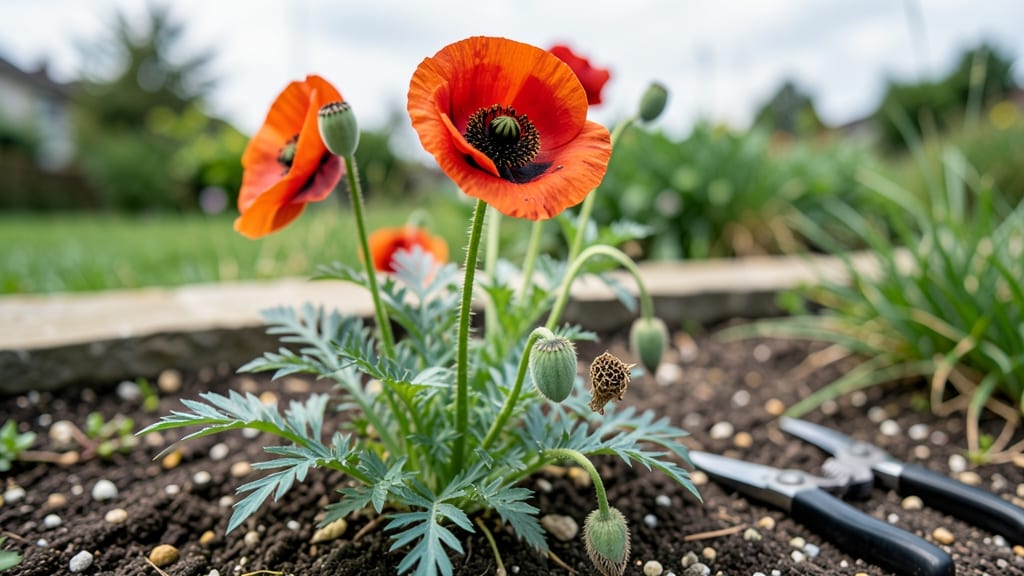
Growing poppy flowers from seed feels like magic—those delicate petals erupt from the soil in just 7-14 days, faster than most annuals. I’ve learned the trick isn’t complicated: it’s about timing, soil, and patience.
The key is planting them directly in the garden at the right moment, when the soil is cool but not frozen, and the sun is strong enough to encourage quick germination.
You’ll need a sunny spot with well-draining soil, a handful of seeds, and a gentle touch. Poppies thrive in poor soil—over-fertilizing kills them—but they demand full sun and consistent moisture until they sprout.
The secret to reliable blooms? Plant them shallowly, barely covering them with soil, and keep the area weed-free until those first bright green leaves appear.
By midsummer, you’ll have towering stems with cup-shaped blooms in every color imaginable. The flowers last just a day but produce seeds that scatter effortlessly, often self-sowing for years to come. Even my black thumb can’t kill these—once they take hold, they’re nearly indestructible.
Perfect for cottage gardens, wildflower meadows, or even container plantings. Here’s how to get those first sprouts popping up like clockwork—no waiting months for results.
📚 In This Guide
- What you need
- Instructions
- Tips and common mistakes
- Wrapping up and next steps
What you need
- ● Poppy seeds: Choose Papaver species like Papaver rhoeas (corn poppy) or Papaver somniferum (opium poppy). Buy 1-2 packets (500-1,000 seeds) for a small patch or 5+ packets for a full garden bed.
- ● Well-draining soil: Poppies hate soggy roots! Use a mix of 60% potting soil + 40% perlite or coarse sand for optimal drainage. For garden beds, amend clay soil with compost or sand.
- ● Sunlight access: A spot with 6+ hours of full sun daily (poppies thrive in hot, sunny conditions).
- ● Watering can or hose: A gentle spray nozzle prevents seed displacement during watering.
- ○ Planting container (optional for early starts): Small cell packs or biodegradable pots (for indoor sowing).
- ● Large garden pots (6"+ deep) if growing indoors before transplanting.
- ● Garden gloves (to protect hands from prickly stems).
- ● Hand trowel or small rake (for loosening soil).
- ● Mulch (straw or shredded leaves) (to retain moisture and deter weeds).
- ● Fertilizer (low-nitrogen, balanced formula) (e.g., 5-5-5 or 10-10-10 at half-strength). Poppies don’t need much—overfeeding can reduce blooms!
- ● Row markers or sticks (if sowing in rows for organization).
- ● Clear plastic dome or humidity tray (for indoor germination to keep seeds moist).
Step-by-step instructions for growing poppy flowers from seed
Here’s how to coax those delicate blooms from stubborn poppy seeds—no waiting months for results.
Prepare the Soil for Fast Germination
Poppy seeds need loose, well-draining soil to break through quickly. Mix the 1 gallon of seed-starting mix with ½ cup perlite—this prevents waterlogging, which kills seeds before they sprout. Scrape the surface lightly with your fingers to create a fine, crumbly texture. You want it to feel like a dry sponge, not packed dirt.
Poppies hate being buried too deep. Scatter seeds on the surface—just press them in lightly with your thumb so they make contact with the soil. A single seed is tiny, so I tap the seed packet gently to release one at a time. Planting too many in one spot leads to weak, crowded seedlings later.
Water and Warm for Speed
Mist the soil surface with a spray bottle until it’s damp but not soggy. Poppy seeds need moisture to germinate, but they’ll rot if submerged. I like to water in the morning so any excess evaporates by evening. Place the tray in a warm spot—70-75°F is ideal. A seedling heat mat speeds things up, but even a sunny windowsill works if your home stays warm.
Here’s the trick: Poppies germinate fastest in 3-7 days if the soil stays consistently moist but not wet. Check daily by pressing your finger into the soil—it should feel damp ½ inch down. If it’s dry, water again. If it’s still wet after 24 hours, hold off until it dries slightly at the surface.
Provide Light and Space for Growth
Once seedlings emerge, move them to a bright, sunny window or under grow lights for 12-14 hours daily. Poppies grow fast but leggy if light is weak. You’ll see this as thin, stretched stems with small leaves. To fix it, raise the grow light to 4-6 inches above the plants or rotate the tray daily so they grow straight.
Thin seedlings when they’re 2 inches tall, leaving 6 inches between plants. This might sound harsh, but crowded poppies fight for nutrients and produce weak blooms. Snip unwanted stems at the base with clean scissors—don’t pull, or you’ll disturb the roots of the ones you’re keeping.
Harden Off and Plant Outdoors
Two weeks before your last frost, start hardening off seedlings. Place them outside in partial shade for 1-2 hours the first day, then gradually increase time and sun exposure over 7-10 days. Poppies are tough once established, but sudden heat or wind can shock them. Watch for wilting—if leaves droop, they’re not ready for full sun yet.
Transplant after soil warms to 55°F and all frost risk has passed. Poppies thrive in full sun and dry soil, so don’t overwater. Once planted, water deeply once a week unless it rains. You’ll see buds form in 6-8 weeks—that’s when the real magic happens.
Tips & tricks for fast poppy flower germination
Fast germination is all about creating the perfect conditions—here’s how to give your poppy seeds the best possible start without waiting months.
Soil Texture Matters: The 1 gallon of seed-starting mix with ½ cup perlite isn’t just about drainage—it’s about creating the right texture. After mixing, run your fingers through the soil; it should crumble easily like dry cake crumbs. If it feels compacted, add another tablespoon of perlite. This airy texture is what lets those tiny poppy roots breathe and grow quickly. I’ve found that using a fine mesh sieve to sift the mix before planting helps prevent clumping that can suffocate seeds.
Warmth Accelerates Germination: The ideal 70-75°F range is critical because poppy seeds are cold-sensitive. If your home runs cooler, place the tray on top of your fridge or use a seedling heat mat set to low. I’ve seen germination times cut in half when seeds stay consistently warm. Pro tip: Check the temperature with a thermometer—if it dips below 65°F, move the tray to a warmer spot immediately. Cold soil is the number one reason poppy seeds fail to sprout.
Precision Watering is Key: That 3-7 day germination window only works if you nail the moisture balance. After misting, press your finger ½ inch down—it should feel like a damp sponge, not a wet towel. I’ve ruined batches by overwatering, so I set a timer to check every 24 hours. If the soil stays wet beyond that, hold off until the surface feels slightly dry to the touch. This prevents the dreaded "damping off" fungus that kills seedlings before they even show leaves.
Light Timing Prevents Leggy Seedlings: The 12-14 hours of daily light isn’t just about duration—it’s about intensity. If your seedlings start stretching toward the light (a sign of legginess), raise the grow light to 4-6 inches above the plants. I’ve had success using a simple LED bulb that costs under $20. Rotate the tray daily so all sides get even light exposure. This ensures sturdy stems that can support those delicate blooms later.
Pro Tips for Poppy Seeds Flowers Grow
- Fast germination is all about creating the perfect conditions—here’s how to give your poppy seeds the best possible start without waiting months.
- Soil Texture Matters: The 1 gallon of seed-starting mix with ½ cup perlite isn’t just about drainage—it’s about creating the right texture.
- Warmth Accelerates Germination: The ideal 70-75°F range is critical because poppy seeds are cold-sensitive.
Frequently asked questions
Got questions about growing poppy seeds into vibrant blooms?
You’re not alone! Here are answers to the most common queries to help you cultivate success—no guesswork required.
How long does it take for poppy seeds to germinate?
Poppy seeds are fast—expect sprouts in 3–10 days if conditions are ideal (warm soil, consistent moisture, and sunlight). Cold or damp soil can delay germination, so keep seeds in a sunny spot and avoid overwatering. Patience pays off—tiny leaves appear quickly!
Why aren’t my poppy seeds sprouting after 2 weeks?
Don’t panic! Poppy seeds need warmth (60–75°F) and light to germinate. Check these troubleshooting tips:
- Soil temp: Use a seedling heat mat if your garden is chilly.
- Moisture: Keep soil damp (not soggy) but avoid flooding.
- Depth: Poppies hate being buried—plant seeds just below the surface (¼ inch max).
- Fresh seeds: Old seeds (over 1 year) may lose viability.
Can I grow poppy flowers in containers or just in the ground?
Poppies thrive in containers as long as the pot has drainage holes and is at least 6–8 inches deep. Use a well-draining mix (like cactus/succulent soil) and place the container in full sun. Just avoid overcrowding—space seeds 6 inches apart for happy blooms.
What’s the best time of year to plant poppy seeds?
Poppies love cool weather—plant them 2–4 weeks before your last frost (spring) or in early fall (6–8 weeks before frost). Avoid scorching summer heat, which can stress seedlings. If you’re in a warm climate, opt for fall planting to enjoy blooms in early spring.
Are there any easy alternatives to poppy seeds for fast-growing flowers?
If poppies seem tricky, try these low-maintenance, fast-germinating alternatives:
- Sweet Alyssum: Blooms in 4–6 weeks; loves cool weather.
- Calendula: Germinates in 7–14 days; edible and pest-repellent.
- Nasturtiums: Sprouts in 5–10 days; great for containers.
- Cosmos: Fast-growing (10–14 days) and drought-tolerant.
Wrapping up and next steps
Growing poppy seeds into vibrant blooms is simpler than you think—with the right conditions, patience, and a dash of creativity! 🌱 From selecting the perfect soil to mastering the germination secrets, you now have all the tools to cultivate stunning poppies.
Whether you’re a gardening beginner or a seasoned pro, these fast-growing flowers will reward your efforts with breathtaking color and resilience.
Ready to turn your garden into a poppy paradise? Start by gathering your supplies and planting those seeds this weekend—your future blooms will thank you! For extra inspiration, explore variety guides or care tips to keep your poppies thriving all season.