
Flowers
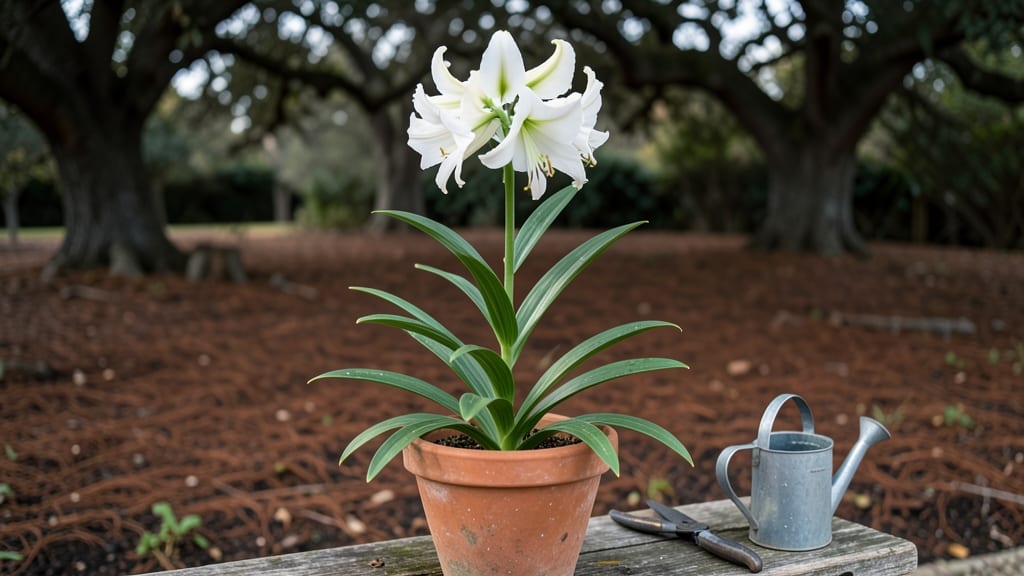
One of the most popular white flowers names you’ll find in gardens is the dramatic, fragrant gardenia—these timeless varieties stand out for their resilience, fragrance, and ability to transform even the simplest space. 🌸 the simplest border into a showstopper.
The secret isn’t just planting them—it’s knowing which thrive in shade, which beginners can’t kill, and which steal the show in weddings or cottage-style gardens.
Take gardenias, for example—those creamy, waxy blooms smell like a Southern summer evening, but they demand moist, acidic soil. Or dahlias, which give you football-sized blooms in every shade of white, from ivory to blush, and rebloom all season if you deadhead.
For low-maintenance options, snowdrops and calla lilies deliver months of interest with almost no fuss, while white roses (like ‘Iceberg’) bring romance without the fuss of thorns.
What you’ll love most is how these flowers play with light—their petals catch the morning sun like polished porcelain, and they glow at dusk. Pair them with deep purples or sage greens for contrast, or let their simplicity shine in a monochromatic scheme.
The best part? Many of these multiply underground or self-seed, so once planted, they’ll reward you for years with minimal work.
Whether you’re designing a wedding arch, a fragrant border, or a modern minimalist garden, these white flowers deliver versatility without compromise. Let’s dive into the 15 that never fail—and how to make them your garden’s star attraction.
📚 In This Guide
- What you need
- Instructions
- Tips and common mistakes
- Wrapping up and next steps
What you need
- ● White flower varieties: Choose from seeds, bulbs, or young plants of popular white blooms like Lily of the Valley, Peony, Dahlia, Ranunculus, or Calla Lily (quantities depend on garden size—start with 5–10 plants for small spaces).
- ● High-quality potting soil: 1–2 bags (sterilized, well-draining mix for bulbs/seeds).
- ● Fertilizer: Slow-release granular (e.g., 10-10-10) or organic compost (1–2 lbs per 10 sq ft).
- ● Mulch: Organic (e.g., shredded bark or straw) to retain moisture (1–2 inches, enough to cover soil after planting).
- ● Garden trowel or hand shovel: For digging (1–2 units).
- ● Pruners: Sharp, sterilized (for trimming dead blooms or stems).
- ● Watering can or hose: With a gentle spray nozzle (for delicate flowers).
- ○ Gloves: Protective (optional but recommended for handling soil/bulbs).
- ● Plant markers: Labels for tracking varieties (wooden stakes or biodegradable tags).
- ● Sunlight assessment: Confirm your garden’s light exposure (most white flowers thrive in full sun to partial shade—6+ hours of light for sun-lovers like Dahlias).
- ● Water source access: Ensure easy reach for consistent watering (especially critical for newly planted bulbs/seeds).
- ● Seasonal timing: Plant bulbs in fall (e.g., Tulips, Snowdrops) or seeds in early spring (after last frost).
- ○ Pest control plan: Optional but helpful—neem oil or insecticidal soap for aphids/slugs (common in lush gardens).
Step-by-Step guide to designing a stunning white flower garden
Here's how to create a timeless, elegant garden using classic white blooms that shine year-round.
🌱 Step 1: Plan Your White Flower Layout
Start by sketching your garden space, noting sunlight patterns and focal points. White flowers work best in clusters of three or five for visual impact. I like to use high-contrast pairings—think white roses with deep purple clematis or white hydrangeas against dark foliage. Place taller varieties like white delphiniums at the back, mid-height blooms like white peonies in the middle, and low-growing options such as white ajuga or snowdrops at the front.
Consider the bloom times of each variety to ensure continuous color. For example, early spring snowdrops will transition seamlessly into summer hydrangeas, then fall dahlias. This layered approach guarantees your garden never loses its luminous charm. Mark your design on paper first—trust me, it saves time and prevents costly mistakes when digging.
🌿 Step 2: Prepare the Soil for Optimal Growth
White flowers thrive in well-draining, slightly acidic soil with a pH between 6.0 and 7.0. Before planting, amend your soil with 2-3 inches of compost and 1 inch of organic matter like aged manure or leaf mold. Work this into the top 12 inches of soil using a garden fork. For heavy clay soils, mix in sand or perlite to improve drainage—white flowers like hydrangeas will reward you with bigger blooms if their roots aren’t waterlogged.
Test your soil’s moisture retention by squeezing a handful. It should hold together but not feel soggy. If your soil drains too quickly, add peat moss to retain moisture. For slow-draining areas, create mounds or raised beds. The goal is to mimic the loose, fertile conditions white garden staples prefer. Mulch with 2-3 inches of shredded bark after planting to lock in moisture and suppress weeds.
☀️ Step 3: Plant for Season-Long Beauty
Begin with spring-blooming white flowers like snowdrops or white daffodils, planting them 6-8 inches deep and 4-6 inches apart. These early bloomers will brighten your garden before summer varieties take over. For summer impact, add white roses, hydrangeas, or gardenias, spacing them 18-24 inches apart to allow airflow and prevent disease. Fall favorites like white chrysanthemums or asters should go in late summer, giving them time to establish roots before cooler weather.
Dig holes twice as wide as the root ball but only as deep as the container. Gently remove plants from their pots and loosen any circling roots with your fingers. Place each plant in the hole, ensuring the top of the root ball sits just below soil level. Backfill with native soil, pressing lightly to eliminate air pockets. Water deeply to settle the soil and encourage root contact.
💧 Step 4: Maintain with Precision Watering and Care
Water deeply once a week during dry spells, aiming for 1-1.5 inches of water per session. White flowers like hydrangeas and gardenias are particularly thirsty—check soil moisture by sticking your finger 2 inches deep. If it feels dry, water again. Avoid overhead sprinkling in the evening, as damp foliage invites fungal diseases like powdery mildew, which can discolor white blooms.
Fertilize white gardenias and roses every 4-6 weeks with a balanced, acidic fertilizer (10-10-10 or similar) to keep blooms vibrant. For hydrangeas, use aluminum sulfate in early spring if you want blue blooms, or lime for pink. Deadhead spent blooms regularly to encourage continuous flowering. Prune leggy growth in late winter, cutting back to just above a strong bud or outer branch to shape the plant and promote bushier growth.
✂️ Step 5: Extend the Season with Strategic Pruning
In late fall, cut back perennial white flowers like peonies and clematis to just above the first set of buds. This protects them from winter damage and ensures a robust spring rebloom. For shrubs like gardenias and hydrangeas, prune in early spring before new growth appears. Remove any dead, diseased, or crossing branches first, then shape the plant by trimming back one-third of the oldest stems to encourage fresh, vigorous growth.
To prolong blooming, apply a slow-release fertilizer in early spring and mid-summer. This gives your white flowers a steady nutrient supply without the risk of overfeeding, which can lead to weak stems or fewer blooms. In late summer, add a layer of mulch to insulate roots and retain moisture. With these steps, your white flower garden will stay luminous from early spring through frost, proving that timeless elegance isn’t just a season—it’s a year-round commitment.
Tips & tricks for creating a stunning white flower garden
Here's what I've learned after years of designing luminous white flower gardens that stand out season after season.
Color Contrast Strategy: The secret to making white flowers truly pop lies in strategic color contrast. While the instructions mention pairing white roses with purple clematis, I also recommend incorporating deep green foliage like hostas or heucheras. This creates a dramatic visual impact that makes your white blooms appear even brighter. For an unexpected twist, add splashes of silver foliage plants like lamb's ear—their metallic sheen enhances the luminosity of white flowers without competing with them.
Soil pH Precision: While the instructions specify a pH range of 6.0-7.0, I've found that white hydrangeas and gardenias actually thrive at the slightly lower end (6.0-6.5) for optimal bloom production. Test your soil before planting using a simple pH test kit available at garden centers. If your soil tests above 7.0, amend with elemental sulfur to lower the pH gradually—this takes about 2-3 months to show results. The difference in bloom size is truly remarkable.
Seasonal Layering Technique: The layered planting approach in Step 1 is brilliant, but here's my pro tip: create a "bloom calendar" for your specific climate zone. Note the first and last frost dates, then map out which white flowers bloom in each season. For example, in my zone 6 garden, I plant snowdrops in early spring, white peonies for summer, and white chrysanthemums for fall. This ensures my garden never looks bare between seasons. I keep this calendar updated yearly as I discover new varieties that extend my blooming season.
Watering Intelligence: The instructions recommend watering deeply once a week, but I've discovered that timing matters just as much as quantity. Water in the early morning (between 6-9 AM) to allow foliage to dry completely before evening. This prevents fungal diseases that particularly target white flowers. For containers, I use self-watering pots with saucers to maintain consistent moisture without overwatering—white gardenias and roses in containers dry out much faster than their in-ground counterparts.
Pro Tips for Popular White Flowers Name
- Here's what I've learned after years of designing luminous white flower gardens that stand out season after season.
- Color Contrast Strategy: The secret to making white flowers truly pop lies in strategic color contrast.
- Soil pH Precision: While the instructions specify a pH range of 6.0-7.0, I've found that white hydrangeas and gardenias actually thrive at the slightly lower end (6.0-6.5) for optimal bloom production.
Frequently asked questions
Got questions about adding popular white flowers to your garden? You’re not alone! Here are some of the most common queries—plus straightforward answers to help you pick, plant, and enjoy these timeless beauties with confidence.
What are the easiest white flowers to grow for beginners?
If you’re new to gardening, start with white daisies, white roses, or white impatiens. These varieties are hardy, low-maintenance, and thrive in most climates. White snapdragons are also a great choice—they’re drought-tolerant and bloom prolifically with minimal care!
When is the best time to plant white flowers in my region?
Timing depends on your climate! For cool-season bloomers like white pansies or white sweet alyssum, plant in early spring or fall. Heat-loving varieties (e.g., white gardenias or white hibiscus) do best when planted after the last frost. Check your USDA zone for specifics—most white flowers prefer well-draining soil and 6-8 hours of sunlight daily.
Can I mix white flowers with other colors for a striking look?
White flowers act as a blank canvas, making them perfect for contrast. Pair them with soft pinks (like peonies), deep purples (e.g., lavender), or bold blues (such as delphiniums) for drama. For a romantic vibe, combine white with blush roses or lavender. Pro tip: Odd-numbered arrangements (e.g., 3 white roses + 1 pop of color) create visual balance!
Why aren’t my white flowers blooming—what’s wrong?
Common culprits include overwatering (root rot), underwatering (stress), or nutrient deficiencies. Check soil moisture (it should be damp but not soggy) and fertilize lightly with a balanced bloom booster (like 10-10-10). Deadheading (removing spent blooms) also encourages new flowers. If pests like aphids are present, use neem oil for a gentle, organic fix.
Are there white flowers that attract pollinators like bees and butterflies?
Yes! Plant white clover, white cosmos, or white milkweed to lure bees and butterflies. These varieties are pollinator magnets and add a soft, airy texture to gardens. Avoid double-bloomed flowers (like some roses)—they often lack pollen, making them less appealing to pollinators. Bonus: White flowers stand out against green foliage, helping insects spot them easily!
Wrapping up and next steps
White flowers bring a touch of purity, sophistication, and versatility to any garden or arrangement. From the delicate Moonflower to the bold Allium, these elegant blooms offer endless possibilities for creating stunning visuals—whether you're a seasoned gardener or just starting out. 🌸
Ready to elevate your space? Start small—pick one or two of these popular white flowers to test their charm in your garden or bouquet. Experiment with colors, textures, and pairings, and let your creativity bloom! 🌿