
Flowers
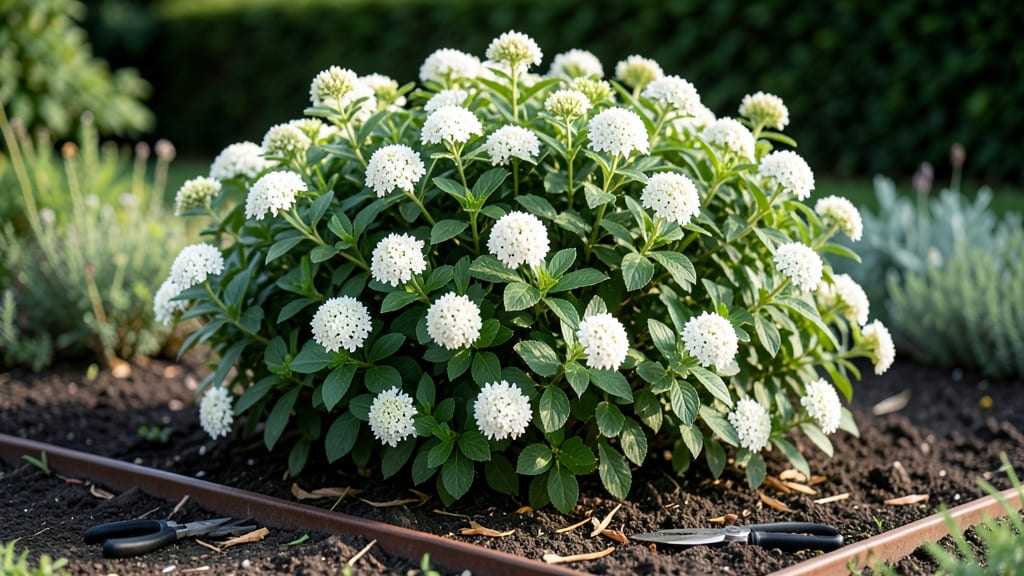
The white-flowering shrubs that burst into bloom each spring are my garden’s secret weapon for instant elegance. 🌸 There’s nothing like the way they transform a dull corner into a fragrant, luminous focal point—especially when you choose varieties that thrive in your climate.
I’ve learned the hard way that planting too late or skipping soil prep can delay that first flush of blossoms, but once you nail the timing and care, these shrubs reward you with years of effortless beauty.
Spring-blooming white shrubs like mock orange, lilac, and hydrangea demand just a few key things: well-draining soil, morning sun, and consistent moisture during their first growing season. Most varieties bloom on old wood, so pruning after flowering keeps them compact and encourages next year’s blooms.
I’ve found that late winter or early spring is the sweet spot for planting—before buds swell but after the worst frost passes.
What you’ll love most is how these shrubs soften any landscape—their delicate petals catch the light differently than bold reds or purples, and the fragrance lingers long after the blooms fade. A well-placed mock orange can fill a yard with citrusy perfume, while hydrangeas add volume and texture.
The key is spacing them properly so they don’t crowd each other, and mulching to keep roots cool.
They’re surprisingly low-maintenance once established, but spring is the time to feed and prune for the best show. A balanced fertilizer in early spring jumpstarts growth, and deadheading spent blooms redirects energy into next year’s flowers.
Whether you’re filling a foundation bed or creating a fragrant hedge, these shrubs deliver year after year with almost no fuss.
📚 In This Guide
- What you need
- Instructions
- Tips and common mistakes
- Wrapping up and next steps
What you need
- ● Shrubs with white spring blooms: Choose 3–5 varieties (e.g., Deutzia, Weigela, Pieris japonica, or Abelia). Buy 1–2 plants per type, depending on garden size.
- ● High-quality potting soil: 2–3 bags (1 cubic foot each) of well-draining, organic soil mix (e.g., Miracle-Gro Garden Soil or Espoma Organic Potting Mix).
- ● Garden gloves: 1 pair (nitrile-coated for durability).
- ● Pruning shears: 1 pair (bypass-style, sharp and sanitized).
- ● Watering can or hose with a gentle nozzle: For even moisture distribution.
- ● Mulch: 1 bag (2–3 cubic feet) of organic mulch (e.g., pine bark or shredded leaves) to retain moisture and suppress weeds.
- ● Fertilizer: A slow-release granular fertilizer (e.g., 10-10-10 NPK ratio) or organic options like fish emulsion.
- ● Trowel or spade: For digging holes (1–2, depending on shrub size).
- ● Measuring tape: To ensure proper spacing (aim for 3–6 feet between shrubs, depending on mature size).
- ● Garden stakes or labels: 5–10 stakes + markers to track plant types.
- ○ Soil pH tester (optional): To check acidity/alkalinity (ideal range: 5.5–7.0 for most white-flowering shrubs).
- ○ Slow-release watering system (optional): Drip irrigation or soaker hoses for low-maintenance care.
- ○ Decorative rocks or edging (optional): To add a polished touch to your garden beds.
Step-by-step guide for planting spring-blooming white-flowering shrubs
Here’s how to create a fragrant, eye-catching spring display with low-maintenance shrubs.
🌱 Step 1: Choose the Right Shrubs for Your Space
Start with four mature shrubs to ensure a full, layered effect. Opt for varieties like mock orange (Philadelphus), deutzia, or pieris—all known for their fragrant white blooms and adaptability. Mock orange thrives in partial shade, while deutzia and pieris prefer full sun to partial shade. Check your garden’s light conditions before purchasing.
If your soil drains poorly, select pieris—it tolerates moisture better than others. For drier areas, deutzia handles heat and drought once established. I always test soil drainage by digging a hole, filling it with water, and watching how long it takes to drain. If it sits for more than 30 minutes, amend with compost or plant in raised beds.
🪴 Step 2: Prepare the Planting Site
Dig holes twice as wide as the root ball but no deeper—this encourages roots to spread horizontally. Work the soil around the hole with a fork to loosen it, but avoid compacting it further. If your soil is heavy clay, mix in 2-3 inches of compost into the bottom of the hole to improve drainage and fertility.
Space shrubs 4-6 feet apart for mature size, allowing airflow to prevent fungal diseases. For a naturalistic look, group them in odd-numbered clusters (like three or five plants). Place taller varieties (like mock orange) at the back of borders and shorter ones (like pieris) toward the front. This creates visual depth and highlights the white blooms at different heights.
💧 Step 3: Plant and Water for Immediate Stability
Remove the shrub from its container and gently tease the roots apart if they’re circling. Position it in the hole so the top of the root ball sits level with the surrounding soil—burying too deep can suffocate the plant. Backfill with native soil, pressing lightly to eliminate air pockets but not compacting.
Water deeply right after planting to settle the soil and eliminate air gaps. Use 1-2 gallons per shrub, soaking the root zone until water runs out the bottom of the hole. Mulch with 2-3 inches of shredded bark to retain moisture and suppress weeds. Avoid piling mulch against the stem—keep it 2-3 inches away to prevent rot.
☀️ Step 4: Maintain for Long-Term Blooms
Water newly planted shrubs every 2-3 days until established, then taper to once a week once blooms appear. Overwatering can lead to root rot, especially in heavy clay soils. Check soil moisture by sticking your finger 2 inches deep—if it’s dry, water again. In full sun, you may need to water more frequently during dry spells.
Prune spent blooms in early summer to encourage next year’s flowers. For mock orange, cut back one-third of the oldest stems to the ground annually to rejuvenate growth. Deutzia and pieris benefit from light pruning after flowering to shape the plant. Avoid heavy pruning in fall—it removes next spring’s flower buds.
⏰ Step 5: Plan for Seasonal Care
Apply a balanced, slow-release fertilizer in early spring (like 10-10-10) to support new growth. Avoid high-nitrogen fertilizers—they promote foliage at the expense of blooms. In fall, add 2-3 inches of compost around the base and water deeply to prepare for winter. Most of these shrubs are cold-hardy, but young plants benefit from a thick layer of mulch (4-6 inches) to insulate roots.
Watch for pests like aphids or spider mites, which thrive in dry conditions. Spray plants with neem oil if you spot sticky residue or webbing. For fungal issues (like powdery mildew), improve airflow by pruning dense branches and avoid overhead watering. With proper care, these shrubs will reward you with fragrant white blooms for decades.
Tips & tricks for perfect spring-blooming white shrubs
These simple yet game-changing strategies will help you create a fragrant, low-maintenance spring display that lasts for years.
Selection Tip: When choosing between mock orange, deutzia, and pieris, consider their growth habits. Mock orange grows upright and can reach 6-10 feet tall, making it perfect for privacy screens or tall borders. Deutzia spreads wider (4-6 feet) and works beautifully as a foundation plant. Pieris stays more compact (3-5 feet) and thrives in shadier spots—ideal for woodland gardens or understory plantings. I always match the shrub to its intended location before purchasing.
Soil Preparation Strategy: The 30-minute drainage test I mentioned is non-negotiable for spring-blooming shrubs. If your soil fails this test, don't just add compost—consider creating raised beds. Elevated planting prevents waterlogging, which is particularly critical for pieris. For heavy clay soils, I mix in 50% compost and 50% perlite in the bottom of the hole. This improves drainage while maintaining moisture retention—exactly what these moisture-sensitive shrubs need.
Planting Depth Visual: That level soil line at planting time is trickier than it sounds. Use a small stake or marker to note the root ball's top edge before removing the plant. After backfilling, the soil surface should sit about 1/4 inch below this marker. This subtle difference prevents stem rot while ensuring proper root development. I always double-check with a ruler—it's worth the extra minute to get this right.
Watering Technique: The 1-2 gallons per shrub immediately after planting might seem excessive, but it's essential. Use a watering wand or hose with a gentle flow to avoid displacing soil. I like to water in stages: first fill the hole completely, then let it drain, and finally add another gallon. This ensures thorough saturation without creating compaction. The goal is to eliminate all air pockets around the roots.
Pro Tips for Shrubs White Flowers Spring
- These simple yet game-changing strategies will help you create a fragrant, low-maintenance spring display that lasts for years.
- Selection Tip: When choosing between mock orange, deutzia, and pieris, consider their growth habits.
- Soil Preparation Strategy: The 30-minute drainage test I mentioned is non-negotiable for spring-blooming shrubs.
Frequently asked questions
Got questions about choosing, planting, or caring for shrubs with white flowers for spring? You’re in the right place! Here are some of the most common queries—and their answers—to help you create a stunning, low-maintenance garden.
When is the best time to plant white-flowering shrubs for spring blooms?
The ideal time to plant is early spring or fall, about 4–6 weeks before the first frost. This gives roots time to establish before summer heat or winter cold. For container-grown shrubs, you can plant year-round in mild climates, but avoid extreme temperatures. Pro tip: Water deeply after planting and mulch to retain moisture!
Do white-flowering shrubs need full sun to thrive?
Not always! While many (like Deutzia or Weigela) love full sun, others—such as Pieris japonica or Abelia—thrive in partial shade. Check your shrub’s care tag, but most tolerate 4–6 hours of sunlight daily. Test your garden’s sunlight spots before choosing!
Are there fragrant white-flowering shrubs that attract pollinators?
Shrubs like Mock Orange (Philadelphus), Daphne, and Forsythia produce highly fragrant white blooms and are bee magnets. For a pollinator-friendly garden, pair them with native perennials like bee balm or coneflowers. Avoid pesticides near flowering shrubs to keep pollinators happy!
Why aren’t my white-flowering shrubs blooming this spring?
Common culprits include over-fertilizing with high nitrogen (which promotes foliage over flowers), pruning at the wrong time (cut back after blooming ends), or poor sunlight. Try balanced fertilizer (like 10-10-10) in early spring and prune right after flowering. If the issue persists, check for pests or root rot!
What’s a low-maintenance white-flowering shrub for beginners?
Start with Abelia or Spirea—both are drought-tolerant, disease-resistant, and bloom prolifically with minimal fuss. Potentilla is another winner, offering cheerful white clusters and thriving in rock gardens or borders. These shrubs reward patience with years of effortless beauty!
Still stumped? Drop your question in the comments—we’re happy to help your garden bloom brighter!
Wrapping up and next steps
Spring is the perfect time to transform your garden into a fragrant, white-blooming paradise! 🌸 From the delicate blooms of Spiraea arguta to the bold elegance of Hydrangea arborescens, these shrubs bring charm, texture, and seasonal beauty to any outdoor space.
Whether you’re a seasoned gardener or just starting, these low-maintenance plants offer color, scent, and year-round interest—without the fuss.
Ready to take the next step? Start small—pick one or two shrubs that suit your space and sunlight, then watch your garden bloom with effortless elegance. Happy planting! 🌿