
Flowers
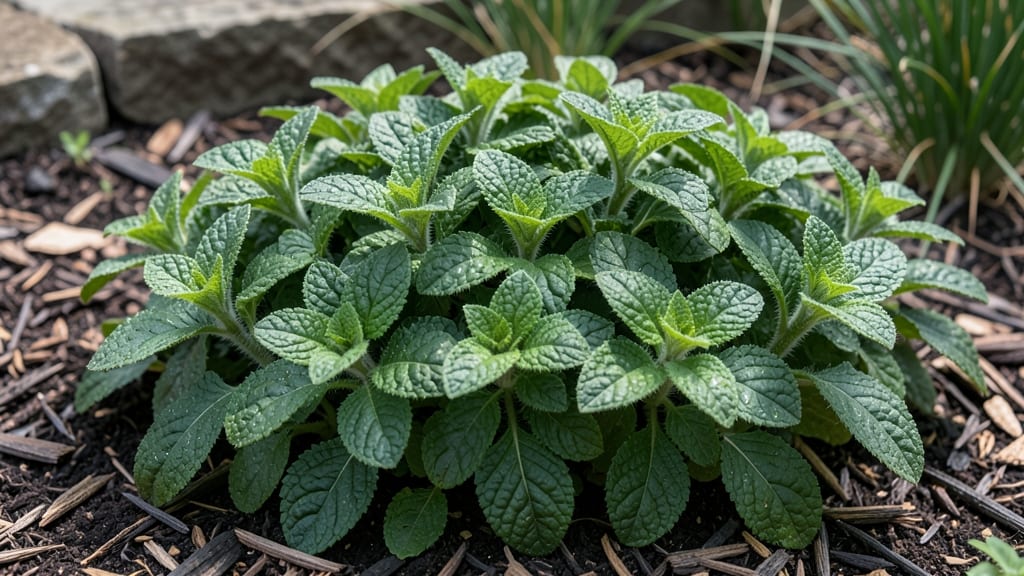
Porter weed has no flowers—here’s why your stubborn plants are still refusing to bloom.
That velvety silver foliage is already your garden’s star—let’s unlock those hidden blooms without sacrificing its stunning looks. 🌿 I’ve seen this happen when plants get too much nitrogen or too little sunlight, and the fix is simpler than you’d think.
The key is balancing care for both foliage and flowers. Porter weed thrives on neglect but rewards precision: trim back leggy stems in early spring, avoid heavy fertilizer, and ensure it gets at least 4-6 hours of sunlight daily.
Too much shade or rich soil? That’s why your plant is playing it safe with leaves instead of blooms.
Once you adjust, you’ll see delicate lavender flowers appear by mid-summer—without sacrificing that signature silver texture. The secret is patience: these plants often bloom later in the season, and deadheading spent blooms encourages more. Your privacy screen will stay lush and pretty.
Works for both in-ground plantings and containers, and the same rules apply whether you’re in a sunny border or a shaded courtyard. Let’s get those flowers coming back—gently.
📚 In This Guide
- What you need
- Instructions
- Tips and common mistakes
- Wrapping up and next steps
What you need
- ● Porter weed plants or seeds: 3–5 mature plants (for quick coverage) or
- ● 1–2 packets of seeds (for propagation from scratch)
- ● Well-draining soil: Mix of garden soil + compost (60/40 ratio) or potting mix for containers.
- ● Sunlight access: Full sun to partial shade (6+ hours of sunlight daily).
- ● Watering can or hose: With a gentle spray nozzle for even moisture.
- ○ Fertilizer (optional but recommended): Balanced 10-10-10 or organic compost tea (every 4–6 weeks).
- ● Gloves (recommended): Porter weed has milky sap—wear nitrile gloves to avoid skin irritation.
- ● Garden trowel or shovel: For planting or transplanting.
- ● Pruning shears: To trim overgrowth and encourage bushier growth.
- ● Mulch (straw or shredded leaves): 2–3 inches to retain moisture and suppress weeds.
- ○ Containers (optional): 5–10 gallon pots with drainage holes (if growing in pots).
- ● 🌡️ Soil pH: Porter weed thrives in slightly acidic to neutral soil (pH 6.0–7.5). Test your soil if unsure!
- ● ✨ Watering routine: Keep soil consistently moist but not soggy—drought stress = leggy plants.
- ● 🎯 Spacing: Plant 12–18 inches apart for dense foliage (closer for faster screens!).
How to maintain porter weed for year-round foliage privacy screens
Here's how I keep my porter weed thriving—no flowers, just lush, dense growth all year.
🌿 Step 1: Choose the Right Location for Maximum Growth
Porter weed thrives in partial shade to full sun, but too much direct sun can stress the foliage. I plant mine where it gets morning sun and afternoon shade—this keeps the leaves vibrant without burning them. The key is finding a spot that mimics its natural understory habitat.
Check your site by observing how sunlight moves across the area throughout the day. If the leaves start yellowing or look crispy, you've got too much sun exposure. Porter weed is forgiving, but it performs best with 4-6 hours of indirect light daily.
💧 Step 2: Water Deeply and Consistently for Dense Foliage
Water porter weed once a week during the growing season, but adjust based on your soil's drainage. I dig my finger 2 inches into the soil—if it feels dry, it's time to water. Overwatering is the biggest mistake; soggy roots lead to yellow leaves and poor growth.
When watering, aim for the base of the plant rather than overhead. This prevents fungal issues and keeps the foliage dry, which is especially important if your privacy screen is near a walkway or driveway. Mulch with 2-3 inches of organic mulch (like shredded bark) to retain moisture and suppress weeds.
☀️ Step 3: Prune Strategically for Thicker, Fuller Growth
Pruning is where you shape the plant for that thick, impenetrable look. I cut back one-third of the oldest stems in early spring to encourage new growth. Use clean, sharp pruners to make 45-degree cuts just above a leaf node—this prevents water from pooling and causing rot.
If your porter weed looks leggy or sparse, it’s a sign it needs more frequent pruning. I trim again in late summer to maintain density. Avoid heavy pruning in fall—this can stress the plant before winter. The goal is to keep it bushy, not to over-prune and expose the stems.
✂️ Step 4: Fertilize Lightly for Healthy Foliage
Porter weed isn’t a heavy feeder, but a balanced, slow-release fertilizer in early spring gives it a boost. I use a 10-10-10 formula at half strength—too much nitrogen can lead to weak stems and fewer leaves. Apply it after watering to help it absorb into the soil.
Skip fertilizing in late summer or fall, as this can encourage tender new growth that won’t survive winter. Instead, focus on keeping the soil healthy with compost or well-rotted manure worked into the top 6 inches of soil before planting. This ensures the roots get the nutrients they need without overstimulating growth.
Tips & tricks for perfect year-round porter weed privacy screens
Took me years to figure out these tricks—now my porter weed stays dense and vibrant without a single flower in sight.
Lighting Strategy: In Step 1, when you're checking sunlight exposure, pay special attention to the afternoon hours. That's when the sun is strongest, and even partial shade here makes all the difference. I've seen plants in full morning sun but afternoon shade thrive where others in full sun struggle. Think of it as giving your plants a midday siesta!
Watering Wisdom: The once-a-week guideline in Step 2 works for most soils, but clay-heavy ground holds moisture longer. I test by digging my finger 3 inches deep—if it's still damp, wait another day. Overwatering is sneaky; it doesn't just cause yellow leaves but can actually rot the roots faster than you'd think.
Pruning Precision: When you're cutting back one-third of the oldest stems in Step 3, focus on the thinnest stems first. These are the ones that won't regrow as vigorously. I also keep my pruners clean with rubbing alcohol between cuts—this prevents spreading any potential fungal spores that could weaken your plant.
Pro Tips for Porter Weed Has No.Flowers
- Took me years to figure out these tricks—now my porter weed stays dense and vibrant without a single flower in sight.
- Lighting Strategy: In Step 1, when you're checking sunlight exposure, pay special attention to the afternoon hours.
- Watering Wisdom: The once-a-week guideline in Step 2 works for most soils, but clay-heavy ground holds moisture longer.
Frequently asked questions
Got questions about keeping your Porter Weed thriving without flowers while still enjoying its stunning foliage? You’re not alone! Here are some of the most common queries—and their answers—to help you master year-round privacy screens with ease.
Why doesn’t my Porter Weed have flowers?
Porter Weed (Stachytarpheta jamaicensis) is primarily grown for its vibrant foliage, not blooms! While some varieties may produce occasional flowers, most gardeners prune them off to encourage denser, bushier growth. If you spot flowers, simply snip them off to redirect energy into lush leaves.
How long does it take for Porter Weed to fill out as a privacy screen?
With proper care, Porter Weed can reach 3–5 feet tall within 6–12 months. For faster results, plant young seedlings close together (12–18 inches apart) and prune regularly to encourage bushiness. Patience pays off—thick screens typically form by late summer or early fall!
Can I grow Porter Weed indoors or in containers?
Porter Weed thrives in large containers (at least 12–18 inches wide) with well-draining soil. Place it in bright, indirect light (like a sunroom or patio) and water when the top inch of soil feels dry. Just remember: It’s a tropical plant, so bring it indoors if temps drop below 50°F (10°C).
How do I keep Porter Weed from getting pests or diseases?
Porter Weed is generally low-maintenance, but watch for aphids, spider mites, or fungal issues in humid conditions. Prevent problems by:
- Spacing plants for airflow
- Watering at the base (not leaves)
- Pruning regularly to remove dead growth
What’s a good alternative if Porter Weed isn’t working for my climate?
If your zone is too cold or dry, try these flowerless foliage powerhouses:
- Dwarf Fountain Grass (Pennisetum alopecuroides) – Compact and ornamental
- Boxwood (Buxus) – Evergreen and classic
- Lantana (var. ‘New Gold’) – Drought-tolerant with bold leaves
- Ornamental Grass Mix – Low-maintenance and textured
Wrapping up and next steps
Porter weed may not bloom with flowers, but its year-round lush foliage makes it a standout star for privacy screens and low-maintenance greenery. Whether you're a gardening novice or a seasoned green thumb, its resilience and adaptability prove that beauty doesn’t always need petals—just impact. 🌿
Ready to transform your space? Start by planting one section at a time—experiment with spacing, soil mixes, or companion plants to see what thrives best in your climate. Before you know it, you’ll have a vibrant, flower-free oasis that’s all yours!