
Flowers
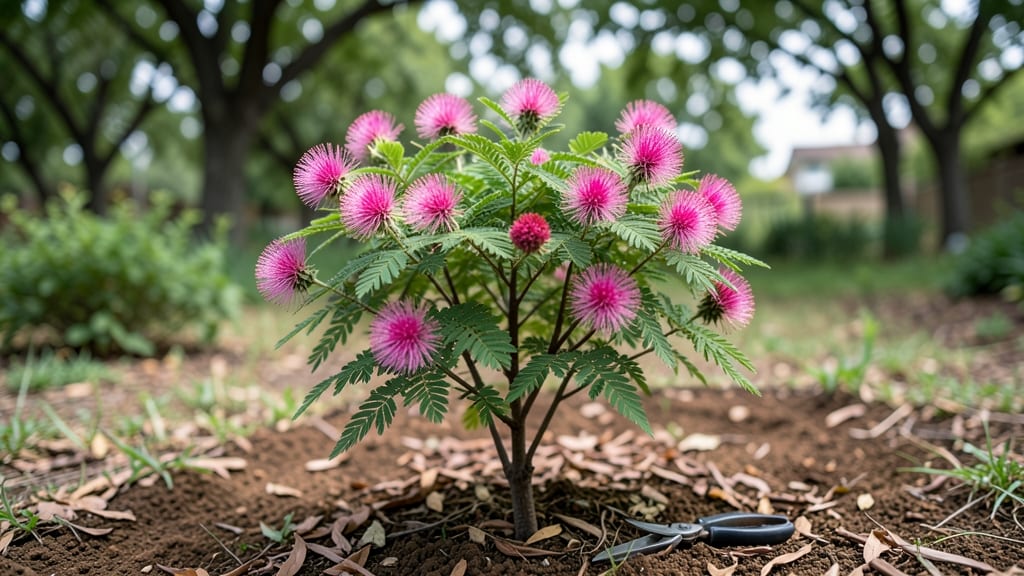
Growing powder puff flowers means turning your garden into a dreamy meadow of soft pink clouds. 🌸 These hardy perennials thrive in poor soil and full sun, making them perfect for beginners or neglected garden corners where other plants struggle.
The secret to their success lies in their adaptability—plant them in spring, forget about them most of the summer, and they’ll reward you with delicate blooms that sway in the breeze.
You’ll need just three things to get started: a sunny spot with at least 6 hours of direct light, well-draining soil (they hate soggy roots), and a little patience.
These flowers spread easily, so give them room to roam or they’ll take over—though that’s not necessarily a bad thing if you love a wildflower look. The best part? They’re drought-tolerant once established, so watering becomes a non-issue after the first year.
By midsummer, you’ll see those signature powder-puff blooms—tiny, fuzzy flowers that look like cotton balls—dotting the landscape. They attract butterflies and bees, adding life to your garden while requiring almost no maintenance.
Prune back dead foliage in early spring to encourage fresh growth, and watch them bounce back year after year with almost no effort.
Perfect for borders, meadow-style gardens, or even container plantings in warm climates. Whether you’re filling a rocky slope or adding color to a sunny patch, these flowers deliver effortless beauty with almost no fuss. Ready to grow your own cloud garden?
📚 In This Guide
- What you need
- Instructions
- Tips and common mistakes
- Wrapping up and next steps
What you need
- ● Powder Puff Flower Seeds or Plants: Quantities: 5–10 seeds (if starting from scratch) or 2–3 nursery plants (for faster results).
- ● Specs: Choose Calliandra eriophylla seeds or young plants labeled for zones 9–11 (or use containers for cooler climates).
- ● Well-Draining Soil: Type: Cactus or succulent mix (or amend regular potting soil with perlite/sand for drainage).
- ● Quantities: 1–2 gallons per plant (or 10–12 inches of depth in containers).
- ● Containers or Garden Bed: Containers: 6–8 inch pots (with drainage holes) or larger for multiple plants.
- ● Garden Bed: Full sun exposure (6+ hours/day) and loose, rocky soil.
- ● Basic Gardening Tools: Trowel (for planting/seeding).
- ● Glove (to protect hands from thorns).
- ● Watering can or hose (with gentle spray nozzle).
- ○ Optional (But Helpful!): Fertilizer: Balanced 10-10-10 or slow-release granules (sprinkle lightly after planting).
- ● Pruning shears (for shaping mature plants).
- ● Mulch: Gravel or pebbles (to retain moisture and mimic desert conditions).
- ● Climate: Thrives in USDA zones 9–11 (or grow in containers to move indoors during winter).
- ● Watering: Drought-tolerant! Water deeply but infrequently (let soil dry between waterings).
- ● Sunlight: Full sun is a must—partial shade may reduce those iconic fluffy blooms. 🌞
Step-by-Step guide for cultivating powder puff flowers
Watch these delicate blooms transform your garden into a dreamy, cloud-like paradise.
🌱 Step 1: Select the Right Site and Prepare the Soil
Powder puff flowers (Calliandra haematocephala) thrive in full sun—at least 6-8 hours daily—and well-draining soil. Choose a spot where they’ll receive morning sunlight and afternoon shade in hotter climates. These tropical beauties despise soggy roots, so if your soil drains poorly, amend it with 2-3 inches of compost or sand to improve aeration.
I like to test soil moisture before planting by digging a 6-inch hole and filling it with water. If it drains within 30 minutes, the soil is ready. If water pools at the bottom after an hour, mix in organic matter like coconut coir or perlite. The goal is soil that holds moisture but never stays waterlogged.
Here’s the thing—powder puffs grow best in slightly acidic to neutral soil (pH 6.0-7.0). If your soil leans alkaline, add sulfur or peat moss to adjust the pH. You can test this with a simple soil pH kit available at garden centers. Don’t skip this step; the wrong pH stunts growth and weakens blooms.
☀️ Step 2: Plant and Provide Optimal Growing Conditions
Dig a hole twice as wide as the root ball but only as deep as the container’s base. Gently remove the plant from its pot and loosen any circling roots with your fingers—this encourages outward growth. Place the plant in the hole so the top of the root ball sits level with the soil surface (burying too deep suffocates the stem).
Backfill with native soil mixed with compost to give it a nutrient boost. Press lightly around the base to eliminate air pockets, but don’t compact the soil. Water deeply right after planting to settle everything and remove any air gaps. You’ll know it’s done right when water drains freely from the bottom of the hole.
Powder puffs love warmth—ideal temperatures range from 70-90°F. If you’re in a cooler climate, plant them in containers so you can move them indoors during frost or extreme cold. Mulch around the base with 2-3 inches of organic mulch (like wood chips) to retain moisture and regulate soil temperature. Just keep the mulch 2 inches away from the stem to prevent rot.
💧 Step 3: Water and Maintain for Stunning Blooms
Water powder puffs deeply once a week, aiming for 1-1.5 gallons per plant at the base. These tropicals hate dry spells but also despise soggy roots, so always check the soil 2 inches below the surface before watering. If it’s dry, water; if it’s still moist, wait another day. Overwatering causes root rot, and you’ll see yellowing leaves and wilting stems as the first sign.
Fertilize lightly every 4-6 weeks during the growing season with a balanced, water-soluble fertilizer (10-10-10). I dilute it to half-strength to avoid burning the roots. Stop fertilizing in late summer to encourage blooming rather than leafy growth. You’ll see the difference in vibrant, fluffy blooms instead of lush but sparse foliage.
Prune lightly after flowering to shape the plant and encourage bushier growth. Simply snip back 1/3 of the oldest stems in early spring. This prevents the plant from becoming leggy and ensures a fuller, more compact shape. Deadhead spent blooms to redirect energy into new flowers, but don’t overdo it—powder puffs are forgiving and don’t need heavy pruning.
Tips & tricks for perfect powder puff flowers
Transforming your garden into a fluffy cloud of color starts with these game-changing insights that'll make all the difference in your powder puff flowers' success.
Soil Preparation Secret: When testing soil drainage in that 6-inch hole, don't just rely on visual cues—grab a handful of soil and squeeze it. If it crumbles easily, you're good to go. If it stays clumped, you definitely need more organic matter. I've found that adding 2-3 inches of compost makes all the difference in preventing those dreaded soggy roots. The goal is soil that feels like a damp sponge, not a wet towel. This ensures your powder puffs get just the right amount of moisture without suffocating their roots.
Planting Depth Matters: In Step 2, when placing your powder puff in the hole, resist the urge to bury it deeper for "extra support." The top of the root ball must stay level with the soil surface—burying too deep suffocates the stem and prevents proper air circulation. I've seen many gardeners make this mistake and end up with stunted growth. After planting, give it that deep watering until you see water draining freely from the bottom of the hole—this settles everything perfectly and eliminates air pockets.
Temperature and Mulching: Those ideal 70-90°F temperatures are crucial for powder puffs to thrive. If you're in a cooler climate, container growing isn't just an option—it's essential. I've successfully overwintered my plants by moving them to a sunny indoor spot near a south-facing window. When mulching, keep that 2-3 inch layer but maintain that 2-inch clearance from the stem to prevent rot. This balance keeps roots cozy while allowing proper airflow to the base.
Watering Wisdom: The once-a-week deep watering is non-negotiable, but here's the pro trick: water in the morning so any excess moisture evaporates during the day rather than sitting around the roots overnight. I use a rain gauge to measure exactly 1-1.5 gallons per plant—this ensures they get enough without becoming waterlogged. Always check that 2-inch soil depth before watering again; powder puffs are tropicals that hate having wet feet for too long.
Pro Tips for Powder Puff Flowers
- Transforming your garden into a fluffy cloud of color starts with these game-changing insights that'll make all the difference in your powder puff flowers' success.
- Soil Preparation Secret: When testing soil drainage in that 6-inch hole, don't just rely on visual cues—grab a handful of soil and squeeze it.
- Planting Depth Matters: In Step 2, when placing your powder puff in the hole, resist the urge to bury it deeper for "extra support."
Frequently asked questions
Got questions about growing these dreamy blooms? Here are answers to the most common ones—so you can dive into powder puff flowers with confidence!
How long does it take for powder puff flowers to bloom?
Powder puff flowers (like Calliandra or Celosia) typically bloom 6-10 weeks after planting, depending on the variety and growing conditions. Start seeds indoors 6-8 weeks before the last frost for a head start, or plant directly in warm soil (after frost risk passes). Patience pays off—those fluffy clouds of color are worth the wait!
Do powder puff flowers need full sun?
Yes! Most powder puff flowers thrive in full sun (6-8+ hours daily), especially varieties like Calliandra or Celosia argentea. However, some tropical types (like Celosia cristata) tolerate partial shade in hot climates. If leaves look pale or leggy, they’re craving more light—move them to a sunnier spot!
Can I grow powder puff flowers in containers?
Powder puff flowers adapt well to containers, making them perfect for patios, balconies, or small gardens. Choose pots with drainage holes and use a lightweight potting mix. Dwarf varieties (like Calliandra ‘Hawaiian Sunset’) work best in containers, while taller types may need staking. Just ensure they get enough sun and water—containers dry out faster!
What pests or diseases should I watch for?
Powder puff flowers are generally low-maintenance, but keep an eye out for aphids, spider mites, or whiteflies on tender new growth. Overwatering can lead to root rot, so ensure soil drains well. If leaves yellow or wilt, check for fungal issues (like powdery mildew) and improve airflow. A gentle spray of neem oil or insecticidal soap usually does the trick!
Are powder puff flowers annuals or perennials?
Most powder puff flowers (like Calliandra and Celosia) are tender perennials—they’ll die back in frost but often reseed themselves if left to go dormant. In warm climates (Zones 9-11), they may return year after year. In cooler areas, treat them as annuals and replant fresh seeds each spring for continuous blooms!
Wrapping up and next steps
Powder puff flowers—those dreamy, cloud-like blooms—are easier to grow than you think!
With the right soil, sunlight, and care, you’ll soon enjoy bursts of color that feel like a hug for your garden. 🌸 Whether you’re a seasoned gardener or a beginner, these delicate beauties reward patience with effortless charm.
Ready to dive in? Start by prepping your space—pick a sunny spot, gather your supplies, and follow the steps above. Before you know it, your garden will be alive with fluffy, fragrant powder puffs! Happy planting! 🌱