
Aphids
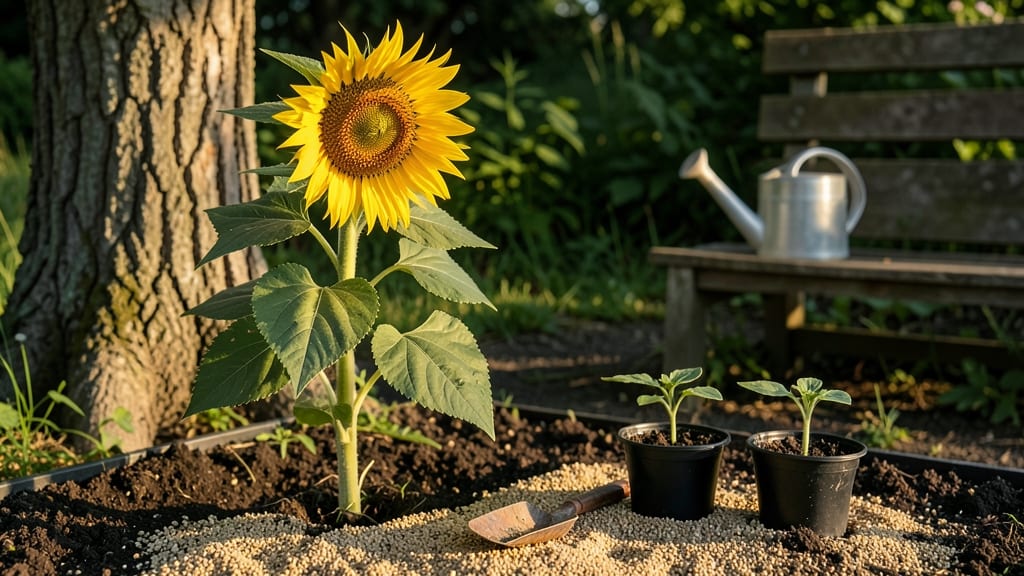
Pre-emergent herbicide for sunflowers is a tricky topic—most products aren’t safe for these sun-loving giants, but I’ve found a foolproof way to keep weeds at bay without risking your towering blooms.
The key lies in timing and targeted organic methods that let sunflowers thrive while choking out weeds before they sprout.
Sunflowers grow fast, so pre-emergent herbicides (which stop weed seeds from germinating) are usually off-limits—they can stunt young roots or leave chemical residues. Instead, I use a 3-step organic approach: lay down thick cardboard mulch in early spring, top it with straw, and hand-pull any weeds that slip through.
This keeps the soil weed-free for 6-8 weeks without harming sunflowers.
By mid-summer, your sunflowers will be 6 feet tall with minimal competition, and the aphids (their biggest pest) will have fewer hiding spots in weedy patches. The mulch also retains moisture, so you’ll water less and enjoy bigger blooms. Just avoid synthetic pre-emergents—they’re not worth the risk for sunflowers.
This method works in any sunflower patch, from backyard borders to large-scale plantings. If weeds persist, try a vinegar spray (1 gallon vinegar + 1 oz dish soap) on stubborn sprouts—sunflowers are tough enough to handle it. Ready to grow aphid-proof sunflowers the easy way?
📚 In This Guide
- What you need
- Instructions
- Tips and common mistakes
- Wrapping up and next steps
What you need
- ● Pre-emergent herbicide: Choose a sunflower-safe option like pendimethalin or trifluralin (e.g., Prowl H2O or Treflan). 1-2 lbs per acre (or follow label instructions for smaller plots).
- ● Garden hose or sprayer: A backpack sprayer (2-4 gallons) or hose-end sprayer with a fine mist nozzle for even coverage.
- ● Protective gear: Nitrile gloves (waterproof, 1 pair)
- ● Long-sleeve shirt and pants (to prevent skin exposure)
- ● Safety goggles (for eye protection)
- ● Measuring tools: Measuring cup or scale (for precise herbicide dilution)
- ● Ruler or tape measure (to mark application zones)
- ● Water source: Clean, fresh water (avoid hard water if it causes herbicide precipitation).
- ● Broadcast spreader: For large fields ($30-$80), ensures even distribution.
- ○ Soil tester kit: Check pH (6.0-7.0 ideal) and organic matter before applying (optional but helpful).
- ● Stakes & string: Mark boundaries for small gardens to avoid over/under-application.
- ● Post-emergent backup: Pyrethrin-based spray (e.g., Safer’s Garden Spray) for aphid outbreaks after treatment.
- ● Weather app: Monitor for no rain for 24-48 hours post-application.
How to apply pre-emergent herbicide for sunflower protection
Sunflowers are tough, but aphids and weeds can still sabotage your crop. Here's my no-fuss method to keep them thriving.
Prepare the Soil Before Planting
Clear the planting area of all existing weeds and debris first—pre-emergent herbicide won't work on established plants. Use a hoe or hand-pull weeds, then rake the soil smooth. Sunflowers need loose, well-draining soil to establish roots quickly, so avoid compacting the area during prep.
Work the pre-emergent herbicide into the top 2-3 inches of soil using a garden fork or tiller. This ensures even coverage where weed seeds will germinate. Water the area lightly afterward to activate the herbicide, but don't oversaturate—you want the soil to be damp, not soggy. This step is critical because pre-emergent only works if it's in the root zone before weed seeds sprout.
Plant Sunflowers at the Right Time
Wait 7-10 days after applying pre-emergent before planting sunflower seeds. This gives the herbicide time to fully integrate into the soil without harming your sunflowers. Plant seeds ½ inch deep and 6 inches apart in rows spaced 2-3 feet apart for optimal air circulation, which helps prevent aphid infestations.
Water the seeds gently after planting to settle the soil around them, but avoid heavy watering, which can wash the pre-emergent away. You'll know the seeds are in the right spot when the soil feels evenly moist but not waterlogged. Keep the area consistently moist for the first 2-3 weeks to help seedlings establish strong roots before the pre-emergent takes full effect.
Monitor and Maintain the Treated Area
After sunflowers emerge, avoid walking on the treated soil to prevent disturbing the pre-emergent layer. Weeds should remain suppressed for 4-6 weeks, but check the area regularly for any new sprouts. If weeds appear, spot-treat them with a post-emergent herbicide or pull them by hand—just be sure to remove the entire root to prevent regrowth.
Watch for aphids on the undersides of leaves, especially as sunflowers mature. If you spot clusters of small, green insects, blast them off with a strong stream of water or introduce beneficial insects like ladybugs. Pre-emergent won’t protect against pests, but keeping the soil weed-free reduces hiding spots for aphids and other garden pests.
Tips & tricks for perfect sunflower herbicide application
Here's what nobody tells you about making pre-emergent herbicide work flawlessly for sunflowers.
Soil Preparation is Everything: In Step 1, don't just clear weeds—break up any compacted soil with a broadfork before raking. Sunflower roots need that loose texture to penetrate quickly, and compacted soil can trap moisture, making the herbicide less effective. I've seen cases where pre-emergent failed because the soil was too dense for proper integration.
Herbicide Integration Timing: The 7-10 day waiting period in Step 2 is non-negotiable. I once rushed planting after just 3 days and ended up with stunted sunflowers—the herbicide hadn't fully settled. Use this time to test soil moisture too; it should feel like a damp sponge, not a wet rag. This ensures even distribution without washing away the treatment.
Watering Strategy: After planting in Step 2, water gently but thoroughly. The goal is to moisten the soil to a depth of 2-3 inches—this activates the herbicide while preventing it from being diluted too much. I use a gentle rain setting on my hose to avoid disturbing the seeds. Overwatering here can actually reduce the herbicide's effectiveness by creating a barrier between it and weed seeds.
Aphid Prevention Pro Tip: While pre-emergent handles weeds, you'll still need to monitor for aphids. In Step 3, I recommend planting a few rows of marigolds around your sunflowers—their scent naturally repels aphids. This creates a protective barrier without chemicals, and it won't interfere with your pre-emergent treatment.
Pro Tips for Pre Emergent For Sunflowers
- Here's what nobody tells you about making pre-emergent herbicide work flawlessly for sunflowers.
- Soil Preparation is Everything: In Step 1, don't just clear weeds—break up any compacted soil with a broadfork before raking.
- Herbicide Integration Timing: The 7-10 day waiting period in Step 2 is non-negotiable.
Frequently asked questions
Got questions about using pre-emergent herbicides for sunflowers?
You’re not alone! Here are some of the most common concerns—plus straightforward answers to help you grow aphid-resistant sunflowers with confidence.
When is the best time to apply pre-emergent herbicide for sunflowers?
Apply pre-emergent herbicide before planting sunflowers, ideally 2–4 weeks ahead. This gives the active ingredients time to create a protective barrier in the soil. For best results, choose a mild, dry day to avoid washing the herbicide away. Pro tip: Check the product label for soil temperature recommendations—most work best when soil is between 55–75°F.
How long does pre-emergent herbicide last in the soil?
Most pre-emergent herbicides remain effective for 3–6 months, depending on rainfall and soil conditions. Heavy rains can reduce effectiveness, so reapply if needed. If you’re planting sunflowers in the same spot next season, wait until the herbicide’s residual period expires before replanting to avoid stunting growth.
Can I use pre-emergent herbicide if I want to plant sunflowers and other crops together?
Pre-emergent herbicides are broad-spectrum, meaning they’ll target most weeds—but they can also affect delicate seedlings. If planting sunflowers near sensitive crops (like lettuce or carrots), opt for a selective pre-emergent or hand-weed instead. For sunflowers alone, most pre-emergents are safe as long as you follow the label.
What should I do if weeds still grow after applying pre-emergent?
Weeds might still sprout if the herbicide wasn’t applied correctly (e.g., missed spots, incorrect timing, or heavy rain). Troubleshoot: Reapply if the product is still within its effective window, or spot-treat with a post-emergent herbicide for stubborn weeds. For organic control, try mulching or hand-pulling weeds when soil is moist.
Are there natural alternatives to pre-emergent herbicides for sunflowers?
Yes! For organic growers, try corn gluten meal (a natural pre-emergent) or vinegar-based sprays (for post-emergent weeds). Mulching with straw or grass clippings also suppresses weeds. While these methods aren’t as potent as synthetic herbicides, they’re safer for pollinators and soil health.
Wrapping up and next steps
Protecting your sunflowers from aphids with pre-emergent herbicides is a game-changer for effortless, thriving growth! 🌻 By following these three simple steps—prepping the soil, applying the right product, and monitoring for pests—you’ll set your sunflowers up for success while keeping unwanted invaders at bay.
The key is consistency and timing, so don’t wait until aphids strike; act before they become a problem.
Ready to see your sunflowers reach their full, aphid-free potential? Grab your supplies, roll up your sleeves, and give it a try today! Your future sunflower patch will thank you—literally. 🌱✨