
Flowers
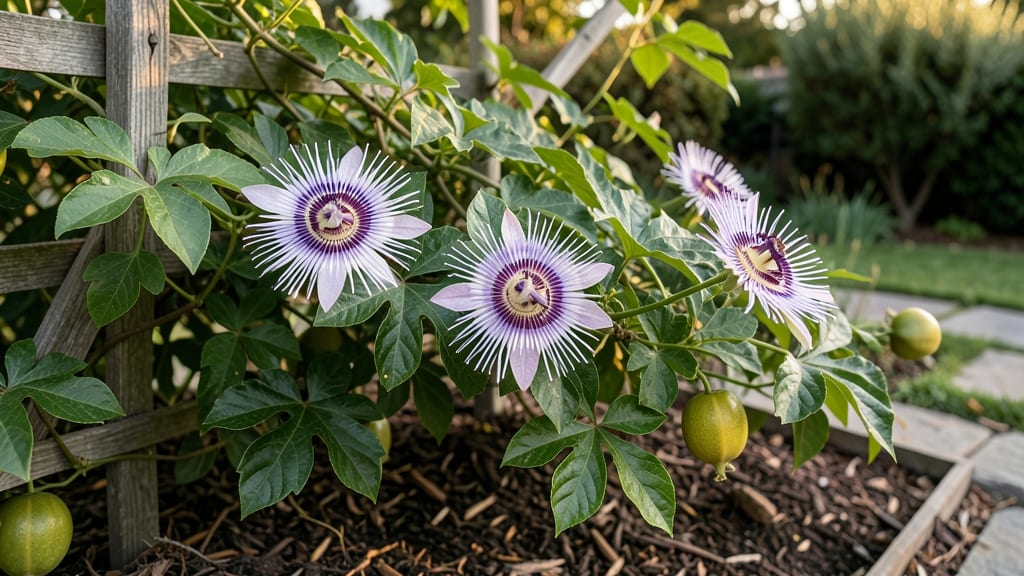
Your garden just got a showstopper—purple and white passion flowers climb like liquid silk, transforming any space into a tropical escape. 🌿 These dramatic vines don’t just dazzle with their exotic blooms; they’re edible, fragrant, and magnetize pollinators all season long.
The contrast of deep purple and pristine white petals makes them the star of borders, trellises, or even a rustic arbor.
Pair them with fragrant jasmine or sweet alyssum for a cottage garden dream, or let them tangle with monstera for a jungle vibe. In full sun, they’ll thrive as a living privacy screen, while their velvety leaves add texture even when not in bloom.
The secret? Give them a sturdy support—these vines grow 10–20 feet in a single season.
Imagine strolling through your garden in late summer, surrounded by bowls of edible passion fruit and the sweet scent of crushed leaves. These plants are low-maintenance once established, drought-tolerant, and even deer-resistant—a win for any garden style.
Whether you’re going for whimsical, wild, or polished, they’ll elevate your space with year-round interest.
For best impact, plant them near seating areas or entryways where you can admire their dramatic display. In cooler climates, treat them as annuals or overwinter potted vines indoors. The payoff? A garden that feels like a secret tropical paradise without the travel costs.
📚 In This Guide
- What you need
- Instructions
- Tips and common mistakes
- Wrapping up and next steps
What you need
- ● Passion flower plant: 1 healthy Passiflora edulis (purple and white variety) from a nursery or online supplier. Choose a well-rooted, disease-free specimen.
- ● Potting mix: 1 bag (5–10 gallons) of well-draining, slightly acidic soil (pH 6.0–7.5). Mix in perlite or coconut coir (1 part perlite to 3 parts soil) for aeration.
- ○ Container (optional but recommended): For pots: 1 large container (12–18 inches in diameter) with drainage holes.
- ● For ground planting: A sunny spot with at least 6–8 hours of direct sunlight and protection from strong winds.
- ● Pruning shears: 1 pair of sterilized, sharp shears for trimming dead or overgrown vines.
- ● Gloves: 1 pair of gardening gloves (passion flowers can have tiny, prickly hairs!).
- ● Stakes or trellis: 1–2 6–8 foot tall supports (bamboo, metal, or wooden) to guide the vigorous vines.
- ● Fertilizer: Balanced fertilizer (10-10-10): 1–2 applications per growing season (spring and summer).
- ● Organic option: Composted manure or worm castings (mixed into soil at planting).
- ● Watering can or hose with nozzle: For gentle, deep watering (avoid soggy soil!).
- ○ Mulch (optional): 2–3 inches of organic mulch (straw or wood chips) to retain moisture and regulate soil temperature.
- ● Hardiness: Thrives in USDA Zones 8–11. In colder climates, grow in containers and bring indoors during winter.
- ● Temperature: Prefers 65–85°F (18–29°C). Protect from frost (below 32°F/0°C can damage the plant).
- ● Humidity: Loves moderate to high humidity (mist leaves occasionally in dry climates).
Step-by-step guide for cultivating purple and white passion flower vines
Here’s how to grow these stunning, edible vines that thrive in warm climates.
🌱 Step 1: Choose the Right Location and Prepare the Soil
Passion flowers adore warmth and humidity, so pick a spot with at least 6 hours of direct sunlight daily—a south or west-facing wall works best. If your climate dips below 40°F, grow them in containers and bring them indoors during winter. The soil should drain well but retain moisture, so amend heavy clay with compost or aged manure to improve aeration.
Dig a hole twice as wide as the root ball but no deeper—passion vines hate soggy roots. If planting multiple vines, space them 8-10 feet apart to allow for their sprawling growth. Here’s the thing—these vines climb aggressively, so install a sturdy trellis or fence nearby before planting. I’ve seen them wrap around anything from pergolas to chain-link fences.
☀️ Step 2: Plant and Provide Support for Climbing
Set the vine in the hole, ensuring the top of the root ball sits just below soil level—burying the crown too deep invites rot. Backfill with native soil mixed with compost, pressing gently to remove air pockets. Water deeply right after planting to settle the soil and encourage root contact.
Immediately attach the vine to the trellis using soft plant ties or twine—don’t let it flop. Passion vines grow 10-20 feet per season, so the stronger the support, the better. If you’re growing in containers, use a 6-inch pot per vine and elevate it slightly for drainage. Here’s where it gets fun: watch the tendrils curl around the trellis like tiny fingers grasping for support.
💧 Step 3: Water and Fertilize for Lush Growth
Keep the soil evenly moist but never soggy—passion flowers wilt quickly in drought but rot just as fast in waterlogged soil. Water at the base 2-3 times per week during hot, dry spells, adjusting for rainfall. Mulch with 2-3 inches of organic mulch (like straw or wood chips) to retain moisture and regulate soil temperature.
Feed with a balanced, water-soluble fertilizer (like 10-10-10) every 4-6 weeks during the growing season. Too much nitrogen makes leaves lush but blooms sparse—cut back if you see all foliage and no flowers. I swear by a light hand with fertilizer; these vines are tough but not greedy. You’ll see new growth within 2-3 weeks if conditions are right.
✂️ Step 4: Prune and Encourage Blooming
Prune in late winter or early spring before new growth starts. Remove dead or damaged vines at the base, and cut back overgrown growth by one-third to encourage bushier, more productive growth. If your vine gets leggy, trim the tips to redirect energy into flowering. Passion flowers bloom on new wood, so pruning too late in the season delays blooms.
Deadhead spent blooms regularly—this prevents seed pods from forming and encourages more flowers. Here’s the trick: pinch off blooms that don’t open fully, as they’re less likely to produce fruit. With proper care, you’ll see vibrant purple and white blooms by mid-summer, followed by edible passion fruit in fall. Don’t skip this step—it’s the difference between a few blooms and a canopy of flowers.
🌿 Step 5: Protect and Harvest for Edible Delights
Passion flowers are generally pest-resistant, but watch for aphids or spider mites—spray with neem oil if you spot them. In colder climates, move potted vines indoors before frost hits, placing them near a south-facing window or under grow lights. They’ll go dormant but bounce back in spring.
Harvest passion fruit when it detaches easily from the vine and feels slightly soft—usually late summer to fall. The fruit’s skin should turn a deep purple or yellow, depending on the variety. Slice open a ripe one and you’ll find a tangy, tropical treat inside. Save some seeds to propagate new plants if you love these vines as much as I do.
Tips & tricks for growing purple and white passion flower vines
These practical insights will help you cultivate a thriving tropical canopy that rewards you with both stunning blooms and edible fruit.
Sunlight Strategy: While the instructions specify 6 hours of direct sunlight daily, I've found that positioning your vine near a west-facing wall captures the most intense afternoon light—perfect for tropical plants. If you're in a particularly hot climate, providing some afternoon shade can prevent leaf scorch while still maintaining vigorous growth. Watch for leaves turning yellow or crispy at the edges; this is your cue to adjust placement.
Soil Science: The key to happy passion vines lies in that perfect balance of drainage and moisture retention. If your native soil is heavy clay, mix in equal parts compost and coarse sand to create the ideal aerated medium. I've seen dramatic improvements in root health and flowering when using this ratio—especially in the first growing season. Test your soil's moisture level by sticking your finger an inch deep; it should feel damp but not wet.
Support System: When setting up your trellis, consider installing it at a 45-degree angle rather than vertical. This encourages the vine to spread horizontally, creating a more dramatic canopy effect while preventing the weight of heavy fruit from pulling branches down. I've used a combination of wooden posts and metal cables for extra stability, especially in windy areas. The 10-20 feet per season growth rate means you'll need something sturdy that won't snap under the weight.
Fertilizer Finesse: While the instructions recommend a balanced 10-10-10 fertilizer every 4-6 weeks, I've found that switching to a low-nitrogen, high-phosphorus formula (like 5-10-10) during the blooming season produces noticeably more flowers. The secret is to apply fertilizer only when you see new growth emerging—this prevents overfeeding while still providing essential nutrients. You'll know you're doing it right when you see those vibrant purple and white blooms appearing by mid-summer.
Pro Tips for Purple And White Passion Flower
- These practical insights will help you cultivate a thriving tropical canopy that rewards you with both stunning blooms and edible fruit.
- Sunlight Strategy: While the instructions specify 6 hours of direct sunlight daily, I've found that positioning your vine near a west-facing wall captures the most intense afternoon light—perfect for tropical plants.
- Soil Science: The key to happy passion vines lies in that perfect balance of drainage and moisture retention.
Frequently asked questions
Got questions about growing or using purple and white passion flower? You’re not alone! Here are some of the most common queries—plus quick, practical answers to help you thrive with this stunning tropical beauty.
Can I grow purple and white passion flower in pots, or does it need a garden?
The good news? Yes! Passion flowers (like Passiflora edulis or Passiflora caerulea) adapt well to large containers (15+ gallons) with proper drainage. Use a well-draining potting mix and place them in a sunny spot—even balconies or patios work! Just ensure the pot has support for vines (like a trellis or cage). Pro tip: Rotate pots occasionally for even sunlight exposure.
How long does it take for passion flowers to bloom?
Patience pays off! With ideal conditions (sunlight, warmth, and regular watering), you may see first blooms in 6–12 months for young plants. Established vines can flower more reliably in spring to fall. Troubleshooting: If blooms are sparse, check for insufficient sunlight or nutrient deficiencies—a balanced fertilizer in early spring can help!
Are the flowers and leaves of purple and white passion flower safe to eat?
Yes!
Both the edible flowers (raw or cooked) and leaves (young, tender ones) are used in teas, salads, or garnishes. However, avoid older, tough leaves—they can be bitter. Passiflora edulis (purple passion fruit) is especially prized for its fruit, while Passiflora caerulea (maypop) has milder flavors. Caution: If allergic to passion fruits, test a small amount first!
Why aren’t my passion flowers attracting pollinators?
Passion flowers rely on bees, hummingbirds, and butterflies—so if your garden feels quiet, try these fixes:
- Plant companion flowers: Add bee-friendly blooms like lavender or sunflowers nearby.
- Provide water: A shallow dish with pebbles encourages pollinators to visit.
- Timing matters: Most pollinators are active in morning sunlight.
What’s the best way to overwinter purple and white passion flowers?
If you’re in a cold climate (below 20°F/-7°C), passion vines need protection:
- Indoor move: Prune back vines, pot them, and place in a bright, cool room (50–60°F/10–15°C).
- Mulch & cover: For outdoor plants, mound mulch around the base and cover with burlap or frost cloth.
- Cut back (but not too much!): Trim dead growth in early spring—new shoots will emerge when temps rise.
Wrapping up and next steps
The purple and white passion flower isn’t just a stunning addition to your garden—it’s a versatile, fragrant, and even edible treasure! 🌺 From its striking blooms to its culinary and medicinal uses, this tropical beauty offers something for every plant enthusiast.
Whether you’re growing it for its ornamental charm, harvesting its leaves, or savoring its unique flavor, this plant promises both beauty and practical rewards.
Ready to bring a touch of the tropics to your space? Start by gathering your supplies, choosing the right spot, and diving into the rewarding journey of nurturing your own purple and white passion flower. Your garden—and your taste buds—will thank you!