
Flowers
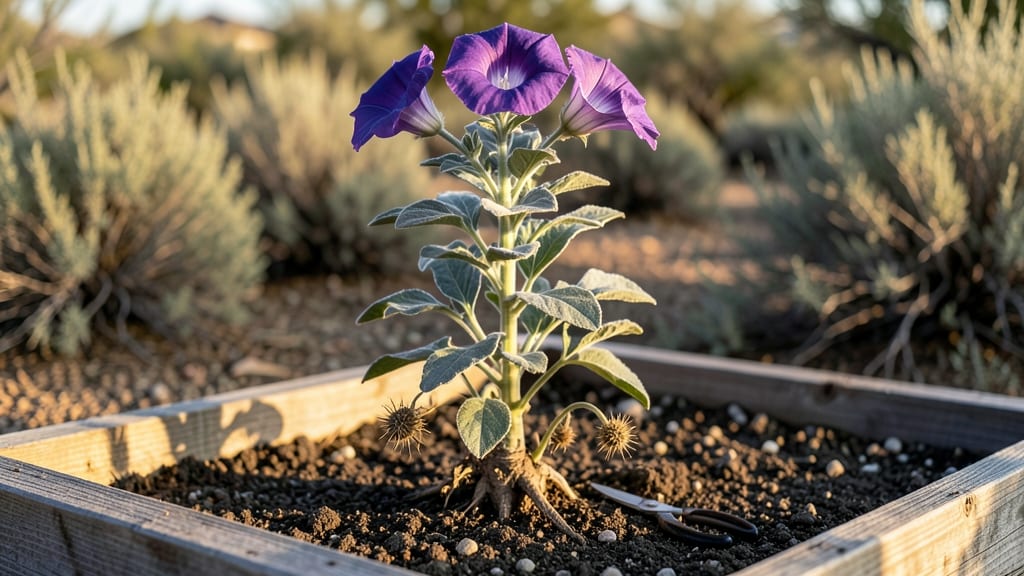
The purple datura flower isn’t just a garden showstopper—it’s a moonlit magnet for moths and hummingbirds, with trumpet-shaped blooms that glow under artificial light. 🌙 I’ll never forget the first time I saw my datura stand illuminated at dusk, its deep lavender petals glowing like a secret lantern.
This plant thrives on boldness, demanding full sun and well-draining soil while rewarding you with fragrant, otherworldly blooms that last from summer into frost.
Growing datura isn’t for the faint of heart—it’s a high-maintenance diva that demands 6+ hours of direct sunlight daily and soil so dry it borders on neglect. The key is planting in spring after last frost, giving seeds or transplants room to sprawl (they can reach 5+ feet tall).
Water deeply but infrequently—overwatering kills datura faster than deer can munch it. And yes, those gorgeous blooms come with a warning: every part of the plant is toxic if ingested, so gloves and long sleeves are your new best friends.
What you’ll get in return is a pollinator paradise that hums with activity at night, when datura’s intoxicating fragrance draws in moths and bats. The flowers themselves are striking—velvety petals that unfurl like trumpets, revealing a throat dusted with purple freckles.
Use them as dramatic focal points in cottage gardens or mixed borders, where their tropical allure contrasts beautifully with more restrained perennials.
Fair warning: datura spreads aggressively, so contain it in large pots or designate a corner of the garden where it can take over without consequences. Deadhead spent blooms to encourage more flowers, and watch for Japanese beetles—they adore datura as much as pollinators do.
With the right balance of sun, soil, and a little rebellion, you’ll have a plant that’s as unforgettable as it is dangerous.
📚 In This Guide
- What you need
- Instructions
- Tips and common mistakes
- Wrapping up and next steps
What you need
- ● Seeds: 5–10 Datura wrightii (Sacred Datura) or Datura metel seeds (ensure they’re from a reputable source—never wild-harvest!)
- ● Well-draining soil: 1–2 cubic feet of a mix of 60% potting soil, 30% perlite, and 10% coarse sand (critical for preventing root rot!)
- ● Containers or garden bed: Containers: 5–10 gallon pots with drainage holes (1 per plant)
- ● Garden bed: Full sun exposure (6+ hours daily) and loose, sandy soil
- ● Watering can or hose: With a gentle spray nozzle (avoid overwatering!)
- ○ Fertilizer (optional): Balanced 10-10-10 granular fertilizer (1 tbsp per plant, applied monthly during growing season)
- ● Fresh or dried purple datura flowers: 3–5 blooms (harvest only from non-toxic sources or certified organic gardens)
- ● Preservation supplies (if drying): Silica gel packets or a dehydrator
- ● Rice or newspaper for stuffing
- ○ Art supplies (optional): Glue gun or floral adhesive
- ● Wire or floral tape (for arrangements)
- ● Scissors or pruners (sterilized with rubbing alcohol)
- ● Gloves: Nitrile or latex gloves (datura contains toxic alkaloids—always handle with care!)
- ● Eye protection: Safety goggles (when pruning or handling seeds)
- ● Pet/child safety: Secure plants in unreachable areas or behind fences (datura is highly toxic if ingested)
- ● First-aid kit: Nearby (include activated charcoal in case of accidental exposure)
Step-by-Step guide to cultivating purple datura flowers
Here's how to grow these striking night-blooming beauties safely and effectively.
🌱 Step 1: Select and Prepare the Planting Site
Purple datura thrives in full sun with at least 6-8 hours of direct light daily. Choose a location with well-draining soil—this plant despises soggy roots and will quickly decline in waterlogged conditions. If your soil is heavy clay, amend it with 2-3 inches of compost and a handful of perlite to improve drainage.
I always test the soil pH first—datura prefers slightly alkaline conditions around 7.0-7.5. You can adjust acidic soil by adding crushed limestone, but most garden centers sell pH test kits for under $10. The plant's striking purple blooms will deepen in intensity when grown in ideal conditions, so don't skip this step.
🌿 Step 2: Plant Seeds or Transplants at the Right Time
Sow seeds indoors 8-10 weeks before your last frost date or directly in the garden after all danger of frost has passed. Datura seeds germinate best in warm soil (70-80°F). If starting indoors, use biodegradable pots to avoid disturbing roots during transplanting—these plants hate root disruption.
Plant seeds ¼ inch deep in the prepared soil. Space them 12-18 inches apart since datura grows into a 3-5 foot tall shrub. If using transplants, dig holes twice as wide as the root ball to encourage outward growth. Water thoroughly after planting, but avoid overwatering—the seeds need moisture to germinate but will rot if kept too wet.
☀️ Step 3: Provide Optimal Care for Healthy Growth
Once established, datura is remarkably drought-tolerant, but young plants need consistent moisture for the first 4-6 weeks. Water deeply once a week, allowing the top 2 inches of soil to dry out between waterings. Overwatering leads to fungal issues, so always check the soil before watering—stick your finger in and feel for dryness.
Fertilize lightly with a balanced 10-10-10 formula at planting time and again when flowers first appear. Too much nitrogen will produce lush foliage but fewer blooms. I like to side-dress with compost tea every 4-6 weeks for a gentle nutrient boost without risking over-fertilization.
✂️ Step 4: Prune and Maintain for Continuous Blooms
Deadhead spent blooms regularly to encourage more flowers—datura produces trumpet-shaped blooms that open in the evening and close by midday. Use clean, sharp pruners to trim back 1-2 inches above a leaf node after each bloom cycle. This prevents seed formation and redirects energy into new growth.
In late fall, cut back the plant to 6-12 inches tall before the first hard frost. Datura is a tender perennial in warm climates but usually dies back in colder regions. The plant often self-seeds aggressively, so remove unwanted seedlings in spring to prevent overcrowding.
🪴 Step 5: Handle with Care—Toxic Precautions
All parts of datura are highly toxic if ingested, so wear gloves when handling and keep children and pets away from the plant. The seeds are particularly dangerous—store them securely if saving for next year's planting. Even the nectar can irritate sensitive skin, so wash hands thoroughly after pruning.
Despite its dangers, datura is a magnet for pollinators, especially moths and hummingbirds. Plant it at the back of borders where its 5-foot height won't overwhelm smaller plants. The intoxicating fragrance at night makes it a unique addition to moon gardens or evening-interest landscapes.
Tips & tricks for perfect purple datura cultivation
Growing datura successfully takes more than just planting seeds—these insider tips will help you cultivate those dramatic purple blooms with confidence.
Soil Preparation Secret: The 2-3 inches of compost and perlite in Step 1 aren't just for drainage—they also create the perfect air pockets that datura roots crave. I like to mix in a handful of coarse sand too, especially if your native soil is dense. This prevents that dreaded "soggy root" scenario that kills datura faster than anything else. The key is creating a soil texture that feels like a damp sponge rather than wet cement.
Timing is Everything: Those 6-8 hours of full sun in Step 1 must be direct sunlight—datura won't tolerate partial shade. I've learned this the hard way after watching plants grow tall and leggy with pale blooms. Position your plants where they'll get morning sun and afternoon light without being shaded by taller neighbors. The intensity of the purple color actually deepens with more direct sunlight exposure.
Germination Hack: When planting seeds at ¼ inch depth in Step 2, I've found that gently pressing them into the soil rather than covering with loose dirt gives better contact with moisture. For extra insurance, I place a clear plastic dome over the seed tray to maintain that 70-80°F warmth until germination occurs. This creates a mini greenhouse effect that speeds up the process by about 3-4 days. Just remember to remove the dome once sprouts appear to prevent fungal growth.
Pruning Precision: The 1-2 inch pruning cut in Step 4 should always be made just above a leaf node—this is where new growth will emerge. I use sterilized pruners and make clean cuts at a 45-degree angle to prevent water from pooling on the stem. This technique not only encourages more blooms but also helps maintain that bushy, 3-5 foot tall structure that makes datura such a striking garden feature.
Pro Tips for Purple Datura Flower
- Growing datura successfully takes more than just planting seeds—these insider tips will help you cultivate those dramatic purple blooms with confidence.
- Soil Preparation Secret: The 2-3 inches of compost and perlite in Step 1 aren't just for drainage—they also create the perfect air pockets that datura roots crave.
- Timing is Everything: Those 6-8 hours of full sun in Step 1 must be direct sunlight—datura won't tolerate partial shade.
Frequently asked questions
Is the purple datura flower poisonous to humans and pets?
The purple datura (Datura wrightii) is highly toxic—all parts of the plant contain tropane alkaloids that can cause hallucinations, seizures, or even death if ingested. Keep it far from children, pets, and curious wildlife. Even touching it can irritate skin, so wear gloves when handling!
How long does a purple datura flower last?
Individual blooms open at dusk and last just 1–2 days, but the plant produces new flowers daily for weeks. For a continuous show, plant multiple seeds or tubers—just remember, they’re annuals in most climates.
Can I grow purple datura in containers?
Yes! Datura thrives in large containers (10+ gallons) with well-draining soil and full sun. Use a mix of potting soil and perlite to prevent root rot. Just ensure the pot has drainage holes—these plants hate soggy feet!
Are purple datura flowers good for pollinators?
Their trumpet-shaped blooms attract moths, bees, and hummingbirds—especially at night. However, their toxicity deters most garden pests. Pro tip: Pair them with bee balm or lavender to create a pollinator magnet!
Why won’t my datura flowers open?
Datura needs full sun (6+ hours/day) and warmth (70°F+) to bloom. If flowers stay budded, check for:
Patience helps—some varieties take 60+ days to flower!
Wrapping up and next steps
The purple datura flower is a breathtaking yet fascinating plant—its striking beauty masks potent dangers, making it a must-know for gardeners and nature lovers alike.
Whether you're drawn to its allure as a pollinator magnet or intrigued by its complex care requirements, this flower offers a unique blend of wonder and caution.
Ready to dive deeper? Start by observing local regulations before planting, and consider joining a gardening forum to share your experiences with fellow enthusiasts. Every expert was once a beginner—so grab your gloves and embrace the journey! 🌸