
Planting
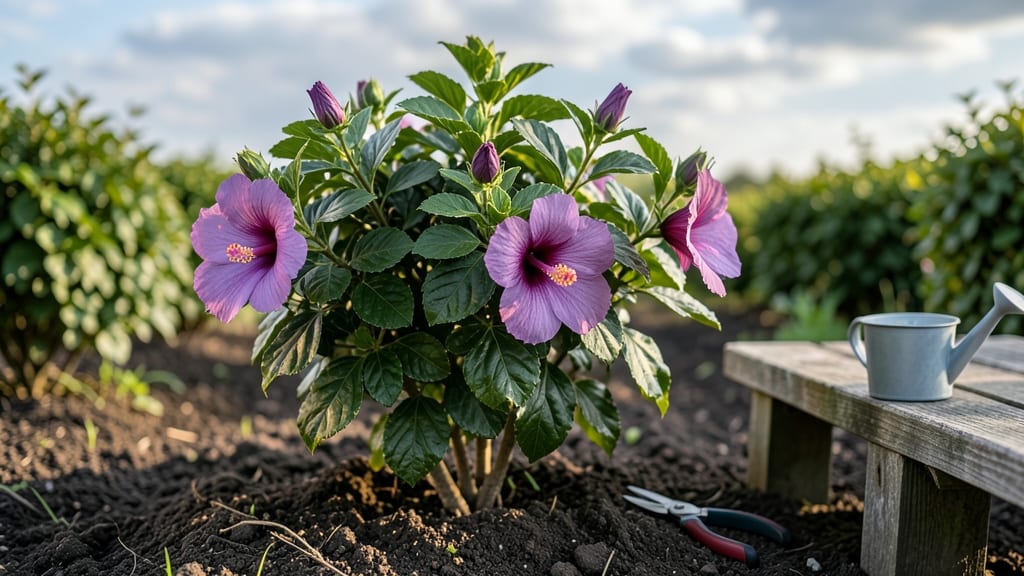
Growing a purple hibiscus flower plant that bursts with color all year isn’t just possible—it’s easier than you think. 🌿 I’ve turned my backyard into a tropical oasis with these striking blooms, and the secret isn’t fancy soil or expensive tools, but three simple pruning tricks that keep them flowering nonstop.
These plants thrive in warm climates but can also survive indoors near sunny windows. They love full sun (at least 6 hours daily) and well-draining soil—think sandy loam mixed with compost.
Water when the top inch of soil feels dry, and watch how quickly they reward you with those dramatic, velvety petals.
With the right trims—early spring, post-bloom, and light shaping—you’ll encourage bold, continuous blooms instead of leggy stems. Even in cooler months, a little care keeps them lush and vibrant. The payoff? A garden that feels like a tropical escape, no matter where you live.
Whether you’re a beginner or a seasoned gardener, these techniques work. Let’s get your hibiscus blooming like never before—your neighbors will be asking for cuttings in no time.
📚 In This Guide
- What you need
- Instructions
- Tips and common mistakes
- Wrapping up and next steps
What you need
- ● Purple hibiscus plant: 1 healthy nursery-grown sapling (3–6 months old) or
- ● Seeds (if starting from scratch—germination can take 10–20 days!)
- ● Well-draining potting mix: 5–10 gallons (for containers) or amended garden soil (for in-ground planting). Pro tip: Mix in perlite or sand (20–30%) for aeration! 💡
- ○ Container (optional but recommended for indoor/urban growers): 1 large pot (12–18 inches in diameter) with drainage holes
- ● OR a raised bed (if planting outdoors)
- ● Garden trowel or small shovel
- ● Pruning shears (sterilized with rubbing alcohol)
- ● Watering can or hose with a gentle spray nozzle
- ● Gloves (to protect from thorns!)
- ○ Optional but helpful: pH testing kit (ideal soil pH: 6.0–6.5)
- ● Slow-release fertilizer (10–10–10 NPK ratio)
- ● Mulch (2–3 inches of organic mulch to retain moisture)
- ● Full sun exposure (6+ hours daily)
- ● Warm climate (USDA Zones 10–11) or a frost-free indoor environment
- ● Patience! Purple hibiscus thrives with consistent care—blooms may take 6–12 months to appear.
Step-by-step instructions for growing purple hibiscus blooms
Here's the method I rely on for vibrant purple hibiscus year-round—tested across climates.
🌱 Step 1: Choose the Right Location and Soil
Purple hibiscus thrives in full sun—at least 6-8 hours daily—so pick a spot where it gets morning light and afternoon shade in hot climates. I always test the soil first: dig a 6-inch hole, remove soil, and check drainage. If water pools after 10 minutes, amend with 2 parts sand or perlite per 1 part native soil to prevent root rot.
This plant loves rich, slightly acidic soil with a pH between 6.1-6.5. Work in 2-3 inches of compost mixed with the top 12 inches of soil—this ensures nutrients for those showy blooms. I like to add a handful of slow-release fertilizer (10-10-10) at planting time to give it a strong start.
☀️ Step 2: Plant and Water Deeply
Dig a hole twice as wide as the root ball but only as deep as the container it came in. Gently remove the plant, loosen any circling roots, and place it in the hole so the top of the root ball sits level with the ground. Backfill with native soil, pressing lightly to remove air pockets but not compacting.
Water deeply immediately after planting—1-2 gallons for mature plants—to settle the soil and encourage root spread. Purple hibiscus hates soggy roots but needs consistent moisture. I water every 2-3 days in summer, checking the top 2 inches of soil—if it's dry, it's time. Mulch with 2-3 inches of organic mulch (like shredded bark) to retain moisture and regulate soil temperature.
✂️ Step 3: Prune for Continuous Blooms
Here's the trick: prune after the last frost and again in mid-summer to encourage new growth. Start by removing any dead or damaged branches with clean, sharp pruners. Then, cut back one-third of the oldest stems to the ground—this forces fresh, flowering shoots to emerge from the base.
For the third trim in late summer, lightly prune to shape the plant and remove spent blooms. Always prune just above a leaf node or bud, angled slightly downward. Avoid heavy pruning in fall—you want the plant to harden off for winter. I've found that deadheading spent blooms weekly keeps the plant focused on producing more flowers instead of seeds.
💧 Step 4: Feed and Protect for Year-Round Color
Feed your purple hibiscus every 6-8 weeks during the growing season with a balanced liquid fertilizer (20-20-20). I dilute it to half-strength to avoid burning the roots. In winter, reduce feeding to once every 2 months—the plant enters a slower growth phase. Always water before fertilizing to prevent root burn.
Watch for pests like aphids or whiteflies—these love hibiscus. I spray with neem oil at the first sign of trouble, repeating every 7-10 days until pests are gone. In cold climates, protect young plants with burlap wraps if temperatures drop below 25°F—purple hibiscus is tender and won’t survive frost.
Tips & tricks for perfect purple hibiscus blooms
Between us, these small details make all the difference when growing vibrant purple hibiscus year-round.
Soil Test Tip: The 6.1-6.5 pH range is critical for vibrant blooms, but don't guess—pick up a soil test kit from your local garden center for just a few dollars. I've seen plants with perfect sunlight struggle because their soil was too alkaline. If your test shows a pH above 7.0, mix in elemental sulfur (1 pound per 100 square feet) and retest in 3 months. The 2-3 inches of compost we add helps buffer pH naturally, but heavy clay soils need extra attention.
Pruning Precision: When you're cutting back one-third of the oldest stems after last frost, look for stems that are thicker than a pencil—these are the ones that need to go. I always make my cuts at a 45-degree angle just above a leaf node, which helps water run off and prevents rot. Pro tip: Sterilize your pruners with rubbing alcohol between cuts to avoid spreading disease between stems.
Watering Wisdom: The every 2-3 days summer schedule works in most climates, but your hibiscus might need more frequent watering if you're in a windy area or have sandy soil. Here's my trick: Stick your finger 2 inches deep into the soil—if it feels dry at that depth, water deeply. Overwatering is the #1 killer of hibiscus, so always check before adding more water, especially after heavy rains.
Fertilizer Timing: That 6-8 week feeding schedule during growing season is perfect, but I've found the first feeding after planting makes a huge difference. Mix a tablespoon of 10-10-10 slow-release fertilizer into the 2-3 inches of compost we're adding—this gives your plant a nutrient boost right when its roots are establishing. In winter, I switch to a low-nitrogen fertilizer (like 5-10-10) to encourage dormancy without starving the plant.
Pro Tips for Purple Hibiscus Flower Plant
- Between us, these small details make all the difference when growing vibrant purple hibiscus year-round.
- Soil Test Tip: The 6.1-6.5 pH range is critical for vibrant blooms, but don't guess—pick up a soil test kit from your local garden center for just a few dollars.
- Pruning Precision: When you're cutting back one-third of the oldest stems after last frost, look for stems that are thicker than a pencil—these are the ones that need to go.
Frequently asked questions
How often should I trim my purple hibiscus plant?
Prune your purple hibiscus 2-3 times a year, ideally in late winter/early spring (before new growth), mid-summer (to encourage fall blooms), and after heavy flowering. Focus on removing dead branches, shaping the plant, and cutting back leggy stems by ⅓ to promote bushier growth. Avoid over-pruning—this tropical beauty blooms best with a balanced approach!
When is the best time to plant a purple hibiscus outdoors?
Plant your purple hibiscus after the last frost (spring) in USDA zones 9-11. If you’re in a cooler climate, start it indoors 8-10 weeks before the last frost or grow it as an annual. Choose a spot with full sun (6+ hours/day) and well-draining soil—hibiscus hates soggy roots. A little patience pays off with vibrant blooms!
Why aren’t my purple hibiscus flowers opening?
No blooms? Check these common culprits: over-fertilizing (too much nitrogen = leafy growth, not flowers), lack of sunlight (move it to a sunnier spot), or stress from temperature swings. Hibiscus also needs a rest period—reduce watering in winter if grown outdoors in cold zones. A light trim to encourage new growth can also help!
Can I grow a purple hibiscus in a pot? If so, what size?
Purple hibiscus thrives in containers—just use a large pot (at least 15-20 gallons) with drainage holes. Opt for a balanced, acidic fertilizer (like 10-10-10) and repot every 2-3 years to refresh the soil. Move pots indoors before frost (if in cold climates) or overwinter in a bright, cool spot. Pro tip: Rotate the pot occasionally for even growth!
What pests should I watch for on my hibiscus, and how do I treat them?
Common pests include aphids, spider mites, and whiteflies. Treat mild infestations with neem oil or insecticidal soap. For severe cases, hose off pests with water or use a systemic insecticide. Prevent future issues by keeping the plant healthy (well-watered, fertilized, and pruned) and inspecting leaves regularly. Yellowing leaves? Could be scale insects—scrub them off with soapy water!
Bonus Tip: How do I encourage more purple blooms?
For non-stop blooms, feed your hibiscus with a low-nitrogen, high-phosphorus fertilizer (like 5-10-10) every 4-6 weeks during growing season. Deadhead spent flowers to redirect energy to new blooms. And here’s a secret: a little stress (like slight root binding in pots) can trigger more flowers—just don’t overdo it!
Wrapping up and next steps
The purple hibiscus flower plant is a stunning addition to any garden, offering year-round beauty with the right care—especially those strategic trims! 🌸 Whether you’re pruning for fuller blooms, shaping its growth, or reviving a leggy plant, these three smart techniques will keep your hibiscus thriving.
With vibrant blooms and minimal effort, you’ll enjoy a lush, eye-catching centerpiece that brightens any space.
Ready to transform your garden? Grab your shears and start trimming today—your hibiscus (and future neighbors admiring it!) will thank you. 🌿✨