
Flowers
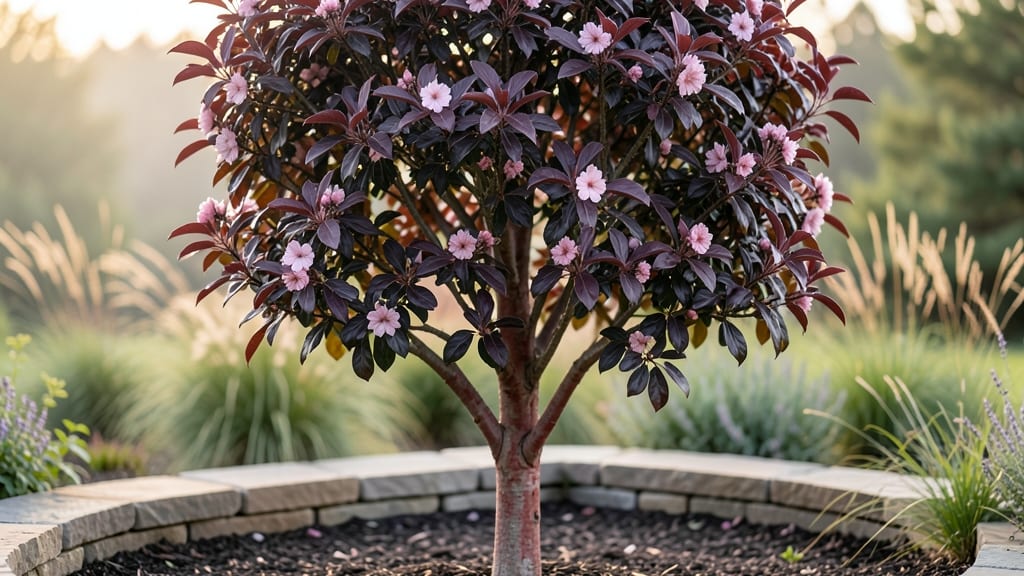
Those purple leaf plum flowers aren’t just pretty—they’re the star of early spring with their fragrant pink blooms and the tree’s show-stopping burgundy foliage that lasts all season.
I’ve pruned mine every year for a decade, and the difference between a scraggly mess and a neat, flowering masterpiece comes down to timing and technique. The first year I skipped winter pruning, and my tree looked like a tangled hedge—until I learned the right cuts.
You’ll need full sun (at least 6 hours daily) and well-draining soil—clay-heavy spots will drown the roots. Most nurseries sell these as small trees, but they grow 15-25 feet tall, so plan for their eventual size.
The real magic happens when you prune: late winter (before buds swell) for structure, and summer to shape and encourage more blooms. My tree now bursts with flowers in March and keeps its color until frost.
With proper care, you’ll get three seasons of interest: fragrant spring blooms, summer shade, and fiery fall foliage. The flowers attract bees early in the year, and the tree’s dense branches make it a privacy screen or focal point.
Just watch for silver leaf disease—it’s the one challenge that can ruin a healthy tree if caught too late.
Works in USDA zones 5-8, though southern gardeners may need afternoon shade. Container growing is possible for small varieties, but they’re happier planted in-ground. Once established, these trees need minimal fuss—just annual pruning and occasional watering. Let’s get yours looking like the showstopper it can be!
📚 In This Guide
- What you need
- Instructions
- Tips and common mistakes
- Wrapping up and next steps
What you need
- ● Purple leaf plum tree: Choose a healthy Prunus cerasifera variety (bare-root or potted). Opt for a 1-3 year-old sapling for best results.
- ● Well-draining soil: Mix 60% garden soil, 30% compost, and 10% perlite or coarse sand for optimal drainage.
- ● Organic fertilizer: 10-10-10 NPK ratio (balanced) or a slow-release granular fertilizer (e.g., Osmocote).
- ● Mulch: 2-3 inches of wood chips or straw to retain moisture and suppress weeds.
- ● Watering can or hose with a gentle spray nozzle (avoid high pressure near roots).
- ● Garden trowel or shovel (for planting and soil prep).
- ● Pruning shears (sterilized with 70% isopropyl alcohol to prevent disease).
- ● Gloves (gardening or work gloves for protection).
- ● Measuring tape or ruler (to mark planting depth and spacing).
- ○ Stakes and twine (optional, for young trees needing support).
- ● Epsom salt (1 tbsp/month in water for magnesium boost).
- ● Drip irrigation system (for consistent moisture in dry climates).
- ● Tree guard or protective barrier (to deter pests like deer or rabbits).
- ● Slow-release fertilizer spikes (for convenience).
How to cultivate purple leaf plum trees for stunning year-round color
Mastering this ornamental favorite means balancing bloom cycles with precise pruning—here’s how to keep your tree vibrant all season.
✂️ Step 1: Prune for Structure and Flower Production
Start by removing dead or crossing branches in late winter or early spring, just before buds swell. Use clean, sharp pruning shears to make cuts at a 45-degree angle just above an outward-facing bud. This encourages airflow and sunlight penetration, which both plum trees and their blooms crave.
Focus on thinning out dense growth—purple leaf plums naturally produce clusters of flowers along last year’s wood. If you prune too aggressively, you risk sacrificing blooms. Aim to remove no more than 25% of the canopy in any single pruning session. The goal is to maintain an open, vase-like shape that showcases the foliage and flowers equally.
🌿 Step 2: Encourage Continuous Bloom Cycles
Purple leaf plums bloom on both old and new wood, meaning they can produce flowers year-round with the right care. After the first flush of spring blooms, lightly prune again in early summer to remove any spent flowers and stimulate new growth. This second pruning should focus on shaping rather than heavy cutting—just enough to redirect energy toward fresh foliage and potential fall/winter blooms.
Here’s the trick: avoid heavy pruning in late summer or fall. Doing so removes next year’s flower buds, which form on the previous season’s growth. Instead, give your tree a final light trim in late winter to clean up any winter damage and prepare for the next bloom cycle. You’ll know you’re on the right track when you see new shoots emerging from the base of the tree—a sign of vigorous, healthy growth.
☀️ Step 3: Optimize Light and Soil for Year-Round Health
Purple leaf plums thrive in full sun (6-8 hours daily), but they’re adaptable to partial shade if given well-draining soil. Amend heavy or clay soil with 2-3 inches of compost to improve drainage and nutrient availability. Overly wet roots lead to root rot, which weakens the tree and reduces flowering. If your soil drains poorly, consider planting in a raised bed or mound to elevate the root zone.
Water deeply once a week during the first growing season to establish roots, then taper to every 10-14 days once established, unless you’re experiencing extreme heat or drought. The key is to let the top 2 inches of soil dry out between waterings—this encourages deep root growth, which supports both the tree’s structure and its ability to produce flowers. Mulch with 2-3 inches of organic mulch (like shredded bark) to retain moisture and regulate soil temperature.
🌱 Step 4: Fertilize for Vibrant Foliage and Blooms
Feed your purple leaf plum in early spring with a balanced, slow-release fertilizer (10-10-10 ratio) to support new growth and flower production. Apply half the recommended rate to avoid over-fertilizing, which can lead to excessive leaf growth at the expense of blooms. Avoid high-nitrogen fertilizers—they promote lush foliage but reduce flowering.
For established trees, a second light feeding in mid-summer with a low-nitrogen, high-phosphorus fertilizer (like 5-10-5) encourages root development and prepares the tree for fall blooms. Stop fertilizing by late August to allow the tree to harden off for winter. You’ll notice the difference in darker purple foliage and more abundant flowers when you strike the right balance.
⏰ Step 5: Protect and Maintain Through Seasons
In winter, protect young trees from cold snaps with burlap wraps or anti-desiccant sprays to prevent winter burn. Mature trees are more resilient, but a thick layer of mulch (3-4 inches) insulates roots and retains moisture. Prune out any damaged branches in late winter, just as buds begin to swell—this prevents disease and encourages fresh growth.
Watch for aphids or scale insects, which can sap the tree’s energy and reduce flowering. Treat infestations early with neem oil or insecticidal soap, applying in the early morning or late evening to avoid harming pollinators. A healthy tree with strong blooms is less susceptible to pests, so consistent care pays off in bold purple foliage and clusters of delicate flowers throughout the year.
Tips & tricks for cultivating purple leaf plum trees
Here’s what I’ve learned after years of growing these stunning trees—small details make all the difference for year-round blooms.
Pruning Precision: When you’re thinning branches in Step 1, look for the classic "U" shape where the branch meets the trunk. This is where the bud forms—cutting just above this ensures new growth emerges in the right direction. I’ve seen gardeners accidentally cut too close to the trunk, which can leave ugly scars and reduce flowering. Always use clean shears to prevent disease transmission between cuts.
Seasonal Timing Matters: The early summer pruning in Step 2 is often overlooked, but it’s crucial for fall blooms. Focus on removing only the spent flowers and any overly vigorous shoots that might shade out the center of the tree. This light shaping redirects energy to the tree’s core, where new flower buds will form. Think of it as giving your tree a spa treatment—just enough to refresh without overworking it.
Soil and Water Balance: The 2-3 inches of compost called for in Step 3 isn’t just about nutrients—it’s about creating the perfect environment for those deep roots. I’ve seen plum trees struggle in heavy clay soil where water pools around the roots. If your soil drains poorly, consider amending with perlite or sand to improve aeration. And remember, the top 2 inches drying out between waterings is key—stick your finger in the soil to check rather than relying on a schedule.
Fertilizer Strategy: The early spring feeding with half the recommended 10-10-10 rate is non-negotiable for me. I’ve made the mistake of using full strength, which led to excessive leaf growth at the expense of flowers. For the mid-summer feeding, I switch to a 5-10-5 blend and apply it slowly around the drip line—not directly at the trunk. This encourages root expansion, which supports both the tree’s structure and its flowering capacity.
Pro Tips for Purple Leaf Plum Flowers
- Here’s what I’ve learned after years of growing these stunning trees—small details make all the difference for year-round blooms.
- Pruning Precision: When you’re thinning branches in Step 1, look for the classic "U" shape where the branch meets the trunk.
- Seasonal Timing Matters: The early summer pruning in Step 2 is often overlooked, but it’s crucial for fall blooms.
Frequently asked questions
Got questions about keeping your purple leaf plum flowers vibrant and blooming year-round? Here are some of the most common ones—and their answers!
When is the best time to prune purple leaf plum trees for maximum blooms?
Prune your purple leaf plum in late winter or early spring (February–March), just before new growth begins. Avoid pruning after mid-summer, as this can reduce next year’s flowers. Pro tip: Remove dead, crossing, or overcrowded branches first to improve airflow and light penetration.
Do purple leaf plum flowers survive harsh winters?
Yes! These hardy trees thrive in USDA Zones 5–9 and tolerate cold snaps down to -20°F (-29°C). For extra protection in colder zones, mulch the base with 3–4 inches of organic mulch (like wood chips) and water deeply before the ground freezes. Young trees may need burlap wraps for the first few winters.
Why aren’t my purple leaf plum flowers blooming as much as they used to?
Common culprits include over-pruning (cutting back too aggressively), poor sunlight (they need full sun, 6+ hours daily), or nutrient deficiencies. Check for yellowing leaves (nitrogen deficiency) or stunted growth (phosphorus/potassium). Feed with a balanced 10-10-10 fertilizer in early spring.
Can I grow purple leaf plum flowers in containers?
Choose a large container (at least 24” wide) with drainage holes and use well-draining potting mix. Dwarf varieties like ‘New Dawn’ are ideal. Move containers indoors during winters below 10°F (-12°C) or wrap them in bubble wrap for protection. Watering tip: Containers dry out faster—check soil moisture weekly.
Are purple leaf plum flowers good for pollinators like bees and butterflies?
Yes! Their early spring blooms (often February–March) provide critical nectar and pollen for bees and butterflies when other flowers are scarce. Plant them near native pollinator-friendly plants (like lavender or coneflowers) to create a bee buffet. Avoid pesticides during bloom time to keep pollinators safe.
Wrapping up and next steps
Purple leaf plum flowers are a stunning addition to any garden, offering year-round beauty with minimal effort—once you master the art of pruning! Their vibrant foliage and delicate blooms bring color and life, making them a favorite for both seasoned gardeners and beginners.
Whether you're trimming for shape, health, or blooms, the key is confidence and consistency—your purple plum will thank you with lush, vibrant growth.
Ready to transform your garden? Start by grabbing your pruners and taking the first step—prune with purpose this season! 🌸✂️