
Flowers
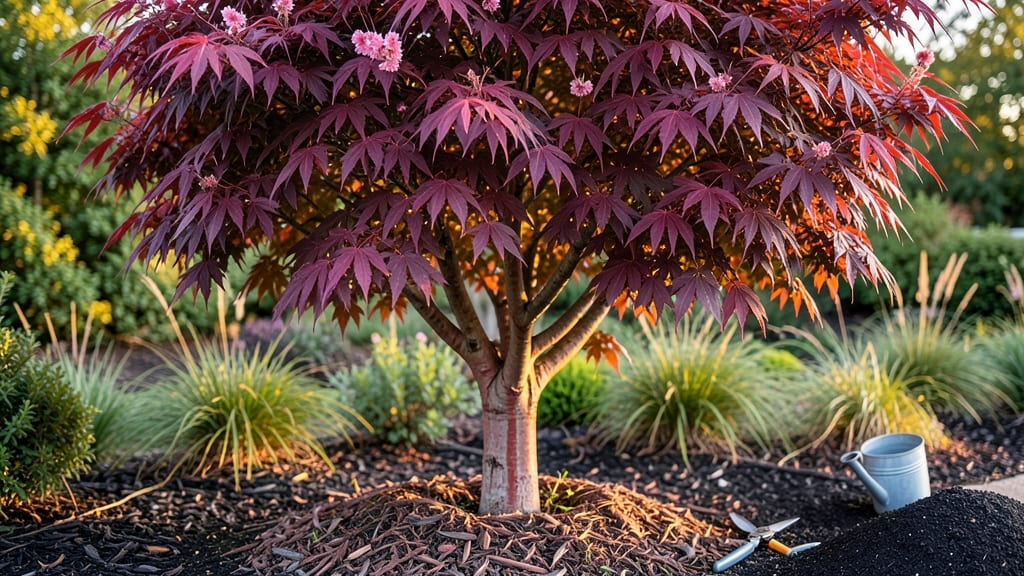
A tree with purple leaves and pink flowers transforms any garden into a living canvas. 🌿 I planted mine last spring, and now it steals the show every season—spring blooms, summer shade, and fall's fiery foliage. The best part? It barely needs pruning to stay stunning.
These trees thrive in full sun to partial shade, making them perfect for almost any yard. Varieties like Eastern Redbud or Crape Myrtle handle heat and humidity with ease, while Flowering Dogwood adds elegance to shadier spots. Their low-maintenance nature means more time enjoying the view than fussing with shears.
Imagine a front yard that blooms in spring, casts dappled shade in summer, and glows in autumn. These trees deliver year-round interest with minimal effort—just plant, water, and admire. They work as focal points, borders, or even street-side stars, always turning heads.
Pair one with evergreens for winter structure or underplant with perennials for layered color. The possibilities are endless, and the impact? Instant curb appeal that keeps giving. Ready to add drama with less work?
📚 In This Guide
- What you need
- Instructions
- Tips and common mistakes
- Wrapping up and next steps
What you need
- ● Tree variety: Choose a Cercis canadensis (Eastern Redbud) or Lagerstroemia (Crape Myrtle) cultivar with purple foliage and pink blooms (e.g., ‘Ruby Falls’ or ‘Natchez’).
- ● Container or planting hole: For containers: A 5-gallon pot (minimum) with drainage holes, or a 15-gallon pot for mature trees.
- ● For in-ground planting: A hole 2-3x wider than the root ball and equally deep.
- ● High-quality soil: A mix of 60% native soil, 30% compost, and 10% perlite for drainage.
- ● Mulch: 2-3 inches of organic mulch (e.g., shredded bark or pine straw) to retain moisture.
- ● Hand trowel or spade (for digging).
- ● Garden gloves (to protect hands from thorns or rough bark).
- ● Watering can or hose with a gentle spray nozzle (for hydration).
- ● Pruning shears (sterilized with rubbing alcohol).
- ○ pH testing kit (optional but helpful—ideal soil pH: 6.0–7.0).
- ● Slow-release fertilizer (e.g., 10-10-10 NPK) to boost growth.
- ● Tree stakes & ties (if planting in windy areas).
- ● Epsom salt (for magnesium-deficient soil).
- ● Drip irrigation system (for consistent moisture).
Step-by-step guide to planting and caring for a purple-leaved pink-flowering tree
Here's how to get vibrant color and easy maintenance from your new tree.
🪴 Step 1: Choose the Perfect Planting Location
Pick a spot with full sun to partial shade—at least 6 hours of sunlight daily—for optimal color and flowering. Your tree will thrive in USDA Zones 5-9, so check your local climate zone before planting. The foliage's rich purple hue deepens in full sun, while too much shade dulls the color.
Dig a hole twice as wide as the root ball but only as deep as the container it came in. Loosen the roots gently if they're circling or bound—this encourages outward growth. Here's the thing—don't amend the native soil unless it's extremely heavy clay. Your tree's roots will adapt better to natural soil conditions than to mixed amendments.
☀️ Step 2: Plant and Water for Strong Establishment
Place your tree in the hole so the top of the root ball sits 1 inch above ground level. This prevents water from pooling at the base, which can cause rot. Backfill with the native soil you removed, tamping down lightly every 4-6 inches to remove air pockets. Water deeply right after planting—1-2 gallons per foot of tree height—until water runs out the bottom of the hole.
Mulch around the base with 2-3 inches of organic mulch, keeping it 6 inches away from the trunk to prevent moisture buildup. This helps retain soil moisture and regulates temperature. Watch for the soil to stay evenly moist but not soggy—overwatering is the fastest way to stress a newly planted tree.
🌿 Step 3: Prune for Shape and Health
Prune in late winter or early spring before new growth begins. Remove any dead, diseased, or crossing branches first—these compete for nutrients and can weaken the tree. Use clean, sharp pruners to make cuts just above a bud or branch collar. Here's the moment that matters: never remove more than 25% of the tree's foliage in one season—this can shock the plant.
Shape the tree by thinning out crowded branches to improve airflow. You'll see new growth emerge within 2-3 weeks—this is your signal that the tree is responding well. Avoid heavy pruning in fall, as it stimulates tender growth that won't harden off before winter.
⏰ Step 4: Maintain Year-Round Color and Bloom
Fertilize in early spring with a balanced, slow-release fertilizer (10-10-10 ratio). Spread it evenly over the root zone, then water deeply to activate it. Your tree will show new leaves with deeper purple tones within 4-6 weeks—this means the fertilizer is working. Skip fall fertilization, as new growth won't have time to harden before winter.
Water deeply once a week during dry spells, aiming for 1-1.5 inches of water. You'll know it's enough when the soil feels dry 2-3 inches below the surface. In hot climates, you might need biweekly watering, but always check the soil before watering—overwatering causes more problems than underwatering.
💧 Step 5: Protect and Enjoy Year-Round Beauty
Watch for aphids or spider mites on new growth—these pests love tender leaves. Spray with neem oil if you spot them early, and you'll prevent them from spreading. Real talk: don't use chemical pesticides unless absolutely necessary, as they can harm beneficial insects and the tree's natural defenses.
Your tree's pink flowers will appear in late spring to early summer, followed by purple-tinged fall foliage. To keep the color vibrant, avoid heavy pruning after mid-summer—this cuts off the tree's energy supply before winter. Enjoy the year-round interest with minimal effort—this is the beauty of choosing the right tree for the right spot.
Tips & tricks for perfect purple-leaved pink-flowering trees
Here's what nobody tells you about keeping your tree thriving with minimal fuss.
Sunlight Strategy: Those 6 hours of sunlight daily make all the difference for vibrant purple leaves. If your yard has partial shade, position the tree where it gets morning sun and afternoon light—this prevents color fading. I learned this the hard way after watching a tree in my neighbor's shade garden turn dull green within months.
Planting Depth Matters: That 1-inch elevation above ground level isn't just a suggestion—it's crucial for preventing rot. When I first planted mine, I buried it too deep, and the trunk stayed wet for weeks, leading to fungal issues. Use a level or stick to check depth before backfilling.
Mulch Like a Pro: The 2-3 inches of organic mulch should be spread evenly but kept 6 inches from the trunk. I use shredded bark mulch because it breaks down slowly, but avoid thick layers that can suffocate roots. Refresh it annually to maintain moisture retention.
Pruning Timing Tip: Late winter or early spring is perfect for pruning because the tree isn't actively growing yet. I mark my calendar for February 15th—this gives me a head start before buds begin to swell. Watch for those 2-3 weeks of new growth after pruning as your reward for timing it right!
Pro Tips for Purple Leaves Pink Flowers Tree
- Here's what nobody tells you about keeping your tree thriving with minimal fuss.
- Sunlight Strategy: Those 6 hours of sunlight daily make all the difference for vibrant purple leaves.
- Planting Depth Matters: That 1-inch elevation above ground level isn't just a suggestion—it's crucial for preventing rot.
Frequently asked questions
Got questions about your stunning purple-leaved pink-flowering tree? You’re not alone! Here are some of the most common queries—plus quick, practical answers to keep your tree thriving with minimal fuss.
What’s the best time to plant a purple-leaved pink-flowering tree?
Plant in early spring or fall when temperatures are mild. This gives roots time to establish before extreme heat or cold. Avoid planting in summer—drought stress can stunt growth. If you’re in a warm climate, opt for fall planting to leverage winter rains.
Do these trees handle cold winters well?
Most varieties (like Cercis canadensis ‘Alba’ or Lagerstroemia ‘Natchez’) tolerate USDA Zones 4–9. Young trees may need winter mulch (2–3 inches of shredded bark) to protect roots. Prune damaged branches in late winter—never in fall, as new growth can’t harden off before frost.
Why aren’t my tree’s pink flowers blooming as expected?
Blooms thrive with full sun (6+ hours/day) and well-draining soil. If flowers are sparse:
- Check for over-fertilization (too much nitrogen = leafy growth, fewer blooms).
- Ensure pruning happens after flowering (late winter/early spring).
- Test soil pH—most prefer 6.0–7.0. Amend with lime if acidic.
Can I grow this tree in a pot or container?
Yes! Dwarf varieties (e.g., Cercis ‘Lavender Twist’) work well in 15–20 gallon containers. Use a fast-draining mix (60% potting soil, 30% perlite, 10% compost) and repot every 2–3 years. Place in sunny spots and water when the top inch of soil is dry. Winter care: Move pots to a sheltered area or wrap in burlap.
How do I fix yellowing leaves on my purple-leaved tree?
Yellow leaves usually signal overwatering, nutrient deficiency, or pests. Try this checklist:
Issue
Solution
Soft, mushy leaves
Reduce watering; ensure pot/soil drains well.
Yellow edges + purple veins
Add iron or magnesium (Epsom salt spray).
Holes or sticky residue
Spray with neem oil for aphids/mealybugs.
Wrapping up and next steps
Transforming your garden with a purple-leaved, pink-flowering tree is a rewarding choice—it brings vibrant color, minimal fuss, and year-round beauty! Whether you’re a seasoned gardener or just starting, this tree proves that stunning landscapes don’t require endless pruning or high-maintenance care. 🌿✨
Now that you’re armed with the right tools, tips, and answers, it’s time to take action! Start by selecting the perfect spot in your yard, gather your supplies, and give your tree the love it deserves.
Watch as it thrives, becoming the centerpiece of your outdoor oasis—one season at a time.