
How To
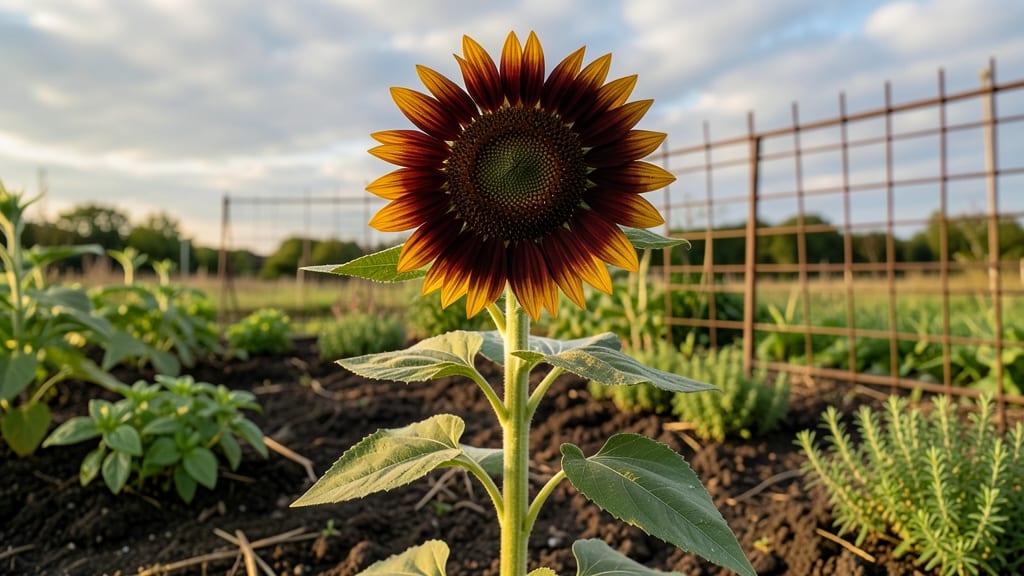
Sunflowers in deep purple, near-black, or fiery bi-tone hues aren’t just striking—they’re the secret weapon for transforming a garden from ordinary to unforgettable. 🌻 I’ve designed landscapes where these rare varieties steal the show, pairing their bold colors with complementary plants to create drama that lasts from summer to frost.
The key isn’t just planting them; it’s arranging them so their unique tones harmonize with your garden’s existing palette while drawing the eye to unexpected focal points.
Start with three to five plants of a single rare color—like ‘Moulin Rouge’ for deep burgundy or ‘Black Oil’ for near-black stems—to create immediate impact.
Pair them with silver foliage (like lamb’s ear or dusty miller) to make the sunflowers pop even more, or contrast them against soft blues and whites (like delphinium or statice) for a striking visual punch.
For maximum drama, plant them in odd-numbered groupings of three or five, spaced 12 to 18 inches apart to let their stems and petals shine.
What you’ll end up with is a garden that feels like a living painting—rich, layered, and full of unexpected depth. These sunflowers don’t just add color; they anchor your design, drawing visitors in with their height and intensity while their unusual hues create conversation.
The best part? Their long-lasting blooms mean the drama continues from early summer until the first hard frost, giving you months of show-stopping beauty with minimal effort.
Whether you’re working with a small urban patio or a sprawling backyard, these techniques adapt easily. The same principles apply: choose your rare colors strategically, play with contrast, and let the sunflowers take center stage. Ready to turn heads this season? Let’s get growing.
📚 In This Guide
- What you need
- Instructions
- Tips and common mistakes
- Wrapping up and next steps
What you need
- ● Sunflower seeds (rare color varieties): 10–20 seeds per color (e.g., Moulin Rouge, Lemon Queen, Cherry Blossom, or Autumn Beauty)
- ● Choose heirloom or hybrid varieties from reputable seed suppliers (e.g., blank">Baker Creek Heirloom Seeds or blank">Burpee)
- ● Well-draining potting mix or garden soil: 5–10 gallons (for containers) or amended garden beds (for in-ground planting)
- ○ Optional: Add compost or aged manure (1 part compost to 4 parts soil) for nutrient boost
- ● Containers or garden space: Containers: 5–7 gallon pots with drainage holes (1 per sunflower)
- ● Garden beds: Full sun (6+ hours/day) and space for mature height (3–6 feet)
- ● Hand trowel (for planting seeds)
- ● Watering can or hose with gentle spray nozzle
- ○ Gloves (optional, for handling soil)
- ● Stakes or plant markers (to label rare varieties)
- ● Fertilizer (balanced 10-10-10 or organic options like fish emulsion)
- ● Mulch (straw or shredded leaves, 2–3 inches thick to retain moisture)
- ● Climate zone: Plant after the last frost (USDA zones 2–11, depending on variety)
- ● Sunlight: Full sun (6+ hours daily) is non-negotiable for vibrant blooms!
- ● Watering schedule: 1–2 inches per week (adjust for rain)
- ● Patience: Germination takes 7–14 days; full bloom in 8–12 weeks
Step-by-Step guide to cultivating rare sunflower colors
Here's how to grow sunflowers in stunning, uncommon hues that'll turn heads all season.
🌱 Step 1: Select and Prepare Rare Sunflower Varieties
Start with heirloom or specialty seeds from reputable suppliers—look for varieties like 'Moulin Rouge' (deep burgundy), 'Pacino' (bronze-green), or 'Autumn Beauty' (bicolor). These rare colors won't appear in standard seed mixes. Plant seeds ½ inch deep in well-draining soil, spacing them 12-18 inches apart to allow room for their bold stems.
Sunflowers with unusual colors often have thinner stems, so avoid overcrowding. I like to pre-soak seeds overnight in lukewarm water for 8-12 hours—this softens the outer shell and speeds up germination. The soil should be 60-70°F for best results, so wait until after your last frost date to plant outdoors.
☀️ Step 2: Provide Full Sun and Consistent Moisture
Rare sunflower colors thrive in full sun (6+ hours daily)—no compromise here. If your garden gets less, supplement with a grow light positioned 12-18 inches above the plants. Watch for leggy growth (thin, stretched stems) if light is insufficient—this is your cue to move plants closer to the light source.
Water deeply 2-3 times per week, aiming for 1-2 inches of moisture per week. Let the top 2 inches of soil dry between waterings to prevent root rot, but never let the soil become bone-dry. Mulch with 2-3 inches of organic mulch (like straw) to retain moisture and regulate soil temperature—this is especially important for rare varieties, which can be less hardy.
🌿 Step 3: Fertilize for Vibrant Color Development
Use a balanced, organic fertilizer (like 10-10-10) at planting, then switch to a low-nitrogen, phosphorus-heavy formula (like 5-10-10) once the plants reach 12 inches tall. This shift encourages bold flower production over leafy growth. Apply fertilizer every 4-6 weeks during the growing season, following label instructions.
Here’s the thing—rare sunflower colors often fade if plants are stressed. Avoid over-fertilizing with nitrogen, which can dilute their intensity. You’ll know you’re on track when buds form 8-10 weeks after planting and display their unique hues before fully opening.
✂️ Step 4: Deadhead and Support for Season-Long Drama
Once flowers fade, cut back spent blooms to 2-3 inches above the next set of buds to encourage continuous flowering. This is especially important for rare varieties, which may produce fewer blooms than standard types. Use sturdy garden stakes or cages to support tall stems—some rare sunflowers can reach 8-10 feet, and wind or rain can snap them.
Watch for pest pressure (like aphids or beetles) on unusual-colored blooms—some insects are drawn to their vibrant hues. Spray with neem oil or introduce ladybugs if you spot early signs of infestation. The goal is to keep plants healthy so their colors remain vivid until the first frost.
🪴 Step 5: Harvest and Preserve for Winter Interest
Cut flowers when 25-50% of the petals have opened for the longest vase life. Strip lower leaves and recut stems under water to encourage hydration. Rare sunflower colors make stunning dried arrangements—hang them upside down in a dry, dark space for 2-3 weeks until fully dry.
Save seeds from your rare varieties for next year by allowing 10-15% of flowers to mature fully on the plant. Once the back of the flower turns brown and papery, twist the head to release seeds. Store them in a cool, dry place until spring planting. This ensures you’ll have your bold hues year after year without relying on specialty suppliers.
Tips & tricks for growing stunning rare sunflower colors
Here's what nobody tells you about keeping those bold hues vibrant all season long.
Seed Preparation Secret: That 8-12 hour pre-soak in lukewarm water isn't just about speeding germination—it's about breaking down the seed's natural growth inhibitors. Use a glass jar with a tight lid and place it in a warm spot (around 70°F) for best results. I've found that seeds pre-soaked this way sprout within 3-5 days, while dry seeds can take up to 2 weeks. The key is consistency: keep the water level just covering the seeds, not drowning them.
Light Positioning: When supplementing with grow lights in Step 2, position them just 12-18 inches above the plants to mimic natural sunlight intensity. Too far away and stems elongate (leggy growth), too close and you risk burning the delicate petals. I like to use LED grow lights on a timer for 14-16 hours daily—this prevents the plants from getting "light fatigue" that can dull their unusual colors. Rotate your plants every few days so all sides get equal exposure.
Color Preservation: The shift to low-nitrogen fertilizer in Step 3 is your color safeguard. Too much nitrogen pushes plants toward leafy growth at the expense of vibrant blooms. I've seen rare varieties like 'Pacino' lose their bronze-green tones when over-fertilized with nitrogen. After applying the phosphorus-heavy fertilizer, water deeply to help the roots absorb it properly. The first sign your color strategy is working? Buds that develop their signature hues before fully opening at the 8-10 week mark.
Harvest Timing: Cutting flowers at 25-50% petal opening might seem like a wide window, but there's a sweet spot. For maximum vase life with rare colors, aim for when 30-40% of petals have opened—this captures the peak intensity before they fully unfurl. The recut stems under water trick works wonders for hydration, but don't forget to strip lower leaves completely. These can harbor bacteria that will shorten your bouquet's life by up to 40%.
Pro Tips for Rare Sunflower Colors
- Here's what nobody tells you about keeping those bold hues vibrant all season long.
- Seed Preparation Secret: That 8-12 hour pre-soak in lukewarm water isn't just about speeding germination—it's about breaking down the seed's natural growth inhibitors.
- Light Positioning: When supplementing with grow lights in Step 2, position them just 12-18 inches above the plants to mimic natural sunlight intensity.
Frequently asked questions
Got questions about cultivating sunflowers in rare, eye-catching colors? You’re not alone! Here are some of the most common queries—and straightforward answers—to help you grow a showstopping garden.
Why can’t I find rare-colored sunflower seeds in big-box stores?
Most mainstream retailers stock classic yellow or orange sunflowers because they’re the most popular and widely available. Rare hues—like deep burgundy, chocolate, or even black—are often sold by specialty seed companies, online nurseries, or heirloom seed banks. Pro tip: Check Etsy, Baker Creek Heirloom Seeds, or local botanical gardens for unique varieties!
How long does it take for rare sunflower colors to fully develop?
Color intensity varies by variety, but most rare sunflowers reach their peak vibrancy 8–12 weeks after planting. Some, like ‘Moulin Rouge’ (deep red), may start as green or yellow before darkening. For the boldest hues, plant early in the season and provide full sun (6+ hours daily) to prevent fading.
Can I grow rare sunflowers from store-bought seeds, or do I need special seeds?
Nope! Store-bought sunflower seeds (even hybrid varieties) won’t produce rare colors—they’re bred for uniformity. For unique hues, you must use seeds labeled for specific traits (e.g., ‘Russian Giant’ for black or ‘Autumn Beauty’ for striped blooms). Save money by splitting packets with gardening friends!
What if my sunflowers turn out duller than expected?
Dull colors often stem from nutrient deficiencies (like low phosphorus) or insufficient sunlight. Boost vibrancy by:
- Adding bone meal or compost at planting.
- Ensuring 6+ hours of direct sun daily.
- Avoiding overwatering (soggy soil weakens color).
Some varieties, like ‘Chocolate Cherry,’ naturally darken as they mature—patience pays off!
Are rare sunflower colors harder to grow than yellow ones?
Not necessarily! While some rare varieties (like double-flowered types) may have slightly shorter stems, most follow the same care rules as classic sunflowers. The key difference? Color consistency can vary based on soil pH (e.g., acidic soil may mute blues). Test your soil and adjust with lime or sulfur if needed for optimal hues.
Wrapping up and next steps
From deep burgundy to electric blue, rare sunflower colors can transform your garden into a season-long masterpiece—without the guesswork! 🌻 Whether you’re experimenting with heirloom varieties or playful dyes, the key is patience and precision.
Now that you’re armed with tips, troubleshooting tricks, and creative ideas, it’s time to get growing.
Ready to dive in? Start by selecting your favorite rare hues, gathering your supplies, and planting your first seeds today. Share your progress with the gardening community—your bold blooms might just inspire the next big trend! 🌟