
Flowers
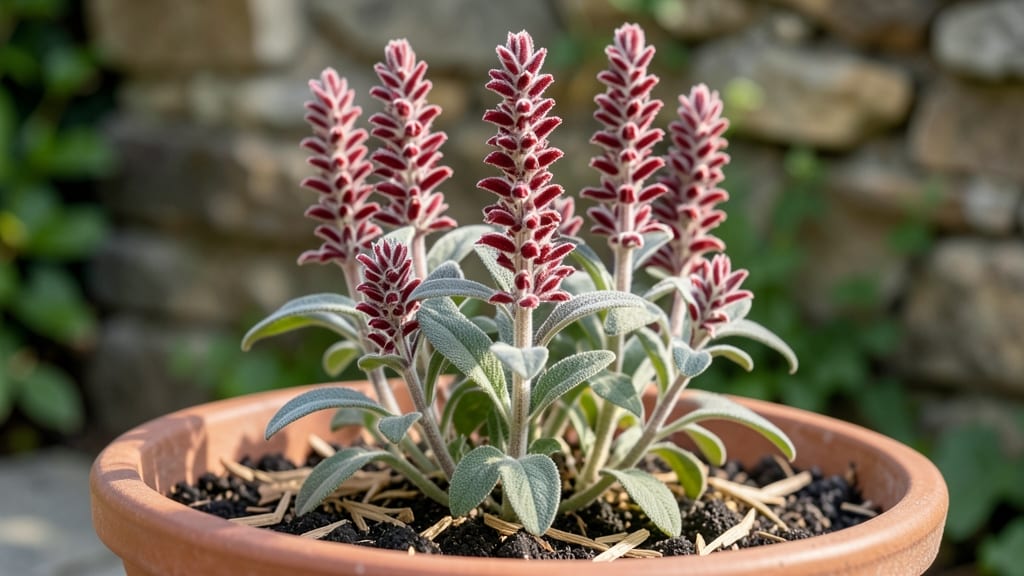
Red and white striped flowers instantly transform any garden into a striking visual showstopper. 🌸 I’ve always loved how these bold patterns make even the simplest borders feel dramatic—like a classic black-and-white photograph brought to life with vibrant color.
The contrast isn’t just eye-catching; it’s timeless, working in cottage gardens, modern landscapes, or even small containers on a patio.
Plants like Salvia nemorosa ‘May Night’ or Striped Catmint bring this drama to life with minimal effort—they thrive in full sun, bloom from early summer to frost, and pair beautifully with deep purples, soft pinks, or even silver foliage.
The key is mixing heights: tuck shorter striped varieties like Zebra Plant at the front of borders, while taller Striped Coral Bells add vertical interest behind.
What you’ll love most is how these plants elevate any design without overpowering it. A single container filled with striped Salvia and trailing white sweet alyssum creates a focal point that feels intentional, while a massed border of Catmint adds texture and movement.
The stripes also play beautifully with seasonal changes—bright against winter greens or muted in autumn’s golden backdrop.
For best results, group odd numbers of striped plants together (3, 5, or 7) to create natural clusters, and avoid pairing them with competing bold colors like hot reds or oranges.
Instead, let their contrast shine alongside cool tones—think lavender, dusty blue, or even chartreuse foliage. The drama lies in the simplicity of the stripes themselves.
📚 In This Guide
- What you need
- Instructions
- Tips and common mistakes
- Wrapping up and next steps
What you need
- ● Seeds or seedlings: Red-and-white striped Salvia (e.g., 'May Night' or 'Hot Lips') – 10-20 plants (check spacing needs)
- ● Alternative striped varieties: Coleus, Zinnia 'Crystal' series, or Snapdragons 'Tiger Stripe' – 5-10 plants
- ● Potting soil: High-quality, well-draining mix (e.g., Miracle-Gro Potting Mix or Pro-Mix) – 2-3 bags (5-10 lbs each)
- ● Containers or garden bed: Containers: 5–12" pots with drainage holes (3-5 pots, depending on plant count)
- ● Garden bed: Sunny spot with 6+ hours of direct light and loose, fertile soil
- ● Fertilizer: Balanced, slow-release granular (e.g., 10-10-10) or liquid (e.g., Miracle-Gro All Purpose) – 1-2 applications
- ● Basic tools: Garden trowel or hand shovel
- ● Pruning shears (for deadheading)
- ● Watering can or hose with gentle nozzle
- ● Prerequisites: Patience! Striped flowers may take 6-12 weeks to bloom from seed.
- ● Consistent watering (1-1.5 inches/week, adjust for climate).
- ○ Optional upgrades: Mulch (e.g., pine straw) to retain moisture
- ● Stakes or cages for tall varieties (e.g., Salvia)
- ● Companion plants (e.g., lavender or black-eyed Susans) for contrast
How to design a striking garden with red and white striped flowers
Here's how to create a bold, high-impact garden using these classic striped beauties.
🌱 Step 1: Select Your Striped Flower Varieties
Start with 4-6 different striped varieties to create visual depth. My go-to choices are red-and-white striped zinnias (for bold pops of color), salvia 'May Night' (for vertical drama), and hollyhocks (for old-fashioned charm). Each brings a different texture and height to the mix.
For a cottage-garden look, pair them with white and deep red solid blooms—this makes the stripes pop even more. I like white daisies and red daylilies as complementary accents. Check bloom times so you have continuous color from early summer through fall.
☀️ Step 2: Plan Your Planting Layout for Maximum Impact
Striped flowers work best when planted in odd-numbered groupings—think 3, 5, or 7 plants per cluster. This creates natural focal points without looking too formal. I space my tallest varieties (hollyhocks, salvia) at the back, medium-height (zinnias, snapdragons) in the middle, and low-growing (pansies, sweet alyssum) at the front.
For a dramatic border, plant striped zinnias every 12 inches along the edge. Their bold patterns will draw the eye immediately. If using containers, mix 3 striped plants with 1 solid red or white for contrast—this keeps the look fresh and prevents visual fatigue.
💧 Step 3: Prepare Soil and Plant for Longevity
Striped flowers thrive in well-draining, fertile soil with a pH of 6.0-7.0. Before planting, amend your garden beds with 2-3 inches of compost mixed into the top 6 inches of soil. This ensures strong root development and vibrant blooms.
Plant in morning sun with afternoon shade if you're in a hot climate—this prevents wilting. Water deeply once a week (or more in extreme heat) until the soil is 6 inches deep and evenly moist. Mulch with 2 inches of shredded bark to retain moisture and suppress weeds.
✂️ Step 4: Maintain for Continuous Blooms
Deadhead spent blooms weekly to encourage new flowers. For zinnias and snapdragons, I pinch back leggy stems to just above a set of leaves—this promotes bushier growth. Hollyhocks benefit from light pruning after their first flush to keep them tidy.
Fertilize every 4-6 weeks with a balanced, water-soluble fertilizer (10-10-10). Striped flowers respond well to foliar feeding—spraying a diluted fish emulsion on leaves boosts color intensity. Watch for powdery mildew in humid climates and treat early with neem oil spray.
🌿 Step 5: Extend the Season with Smart Techniques
For a longer display, plant striped flowers in succession—start with early bloomers like pansies in spring, then add zinnias and snapdragons in late spring, and finish with hollyhocks in early summer. This ensures 3-4 months of continuous color.
In fall, cut back dead foliage but leave the stems—many striped varieties (like hollyhocks) add winter interest. For containers, bring them indoors before frost and dormant-prune in late winter. With proper care, your striped garden will be the talk of the neighborhood!
Tips & tricks for perfect red and white striped flower gardens
Creating a showstopping striped flower garden takes more than just planting—here's what I've learned to make those bold patterns truly pop.
Variety is Key: In Step 1, when selecting your striped varieties, don't just pick one type—mix textures for visual interest. I always include hollyhocks for their dramatic vertical lines, salvia 'May Night' for spiky contrast, and zinnias for their bold, rounded blooms. The height variation alone creates instant depth that flat groupings miss.
Odd Numbers Create Impact: The odd-numbered groupings in Step 2 aren't just decorative—they're mathematically proven to draw the eye. When planting your 3, 5, or 7 plant clusters, space them so the tallest varieties (like hollyhocks) anchor each grouping. This creates natural focal points that guide viewers through your garden without needing a formal design.
Soil Science Matters: That 6.0-7.0 pH range in Step 3 isn't arbitrary—it's the sweet spot for nutrient uptake in striped flowers. I test my soil before planting and adjust with lime if needed. The 2-3 inches of compost mixed into the top 6 inches creates a perfect root environment that keeps flowers vibrant longer, especially important for those bold stripes that need to stand out.
Seasonal Layering Secret: For that 3-4 month continuous color in Step 5, I plant pansies in early spring (they tolerate light frost), then zinnias and snapdragons in late spring when nights warm, and finish with hollyhocks in early summer. This staggered approach ensures you're always getting fresh blooms to highlight your striped varieties.
Pro Tips for Red And White Striped Flowers
- Creating a showstopping striped flower garden takes more than just planting—here's what I've learned to make those bold patterns truly pop.
- Variety is Key: In Step 1, when selecting your striped varieties, don't just pick one type—mix textures for visual interest.
- Odd Numbers Create Impact: The odd-numbered groupings in Step 2 aren't just decorative—they're mathematically proven to draw the eye.
Frequently asked questions
Got questions about adding red and white striped flowers to your garden? You’re not alone! Here are some of the most common queries—and their answers—to help you plan like a pro.
What are the most popular red and white striped flowers for gardens?
Top picks include Salvia ‘May Night’, Zinnia ‘Crystal’, and Cosmos ‘Bright Lights’. For perennials, try Heuchera ‘Plum Pudding’ or Helleborus ‘Red and White’ varieties. Annuals like Snapdragons also offer striking stripes—just check your hardiness zone!
When is the best time to plant red and white striped flowers?
Timing depends on your climate! For annuals, sow seeds after the last frost (spring or early summer). Perennials thrive when planted in early spring or fall, giving roots time to establish before extreme weather. Always check seed packets for specifics!
How do I keep striped flowers looking their best?
Deadhead spent blooms regularly to encourage new growth, and mulch around the base to retain moisture. For striped varieties like Salvia, avoid overwatering—they prefer well-drained soil. A light fertilizer in early spring boosts vibrancy, but never over-fertilize!
Can I grow red and white striped flowers in containers?
Compact varieties like Petunias or Begonias with striped blooms thrive in pots. Use a mix of potting soil and perlite for drainage, and choose containers with drainage holes. Rotate pots occasionally for even sunlight exposure—your balcony garden will be the talk of the neighborhood!
Why aren’t my striped flowers blooming as expected?
Common culprits include insufficient sunlight (most need 6+ hours daily), overcrowding, or nutrient deficiencies. Check soil pH (aim for 6.0–7.0) and adjust if needed. If pests like aphids are present, treat with neem oil or insecticidal soap. Patience helps—some striped varieties take time to reach peak bloom!
Wrapping up and next steps
Red and white striped flowers bring a bold, eye-catching contrast to any garden, effortlessly elevating its drama and charm.
Whether you’re drawn to the classic stripes of Salvia or the whimsical charm of Zebrina, these plants prove that striking visuals don’t require complexity—just the right mix of color and confidence. 🌸
Ready to transform your outdoor space? Start small—pick one striped variety to experiment with, or go all out with a vibrant border. Your garden’s next masterpiece is just a seed (or a click) away!
- Next step: Browse our flower care guides or shop striped blooms today!