
Flowers
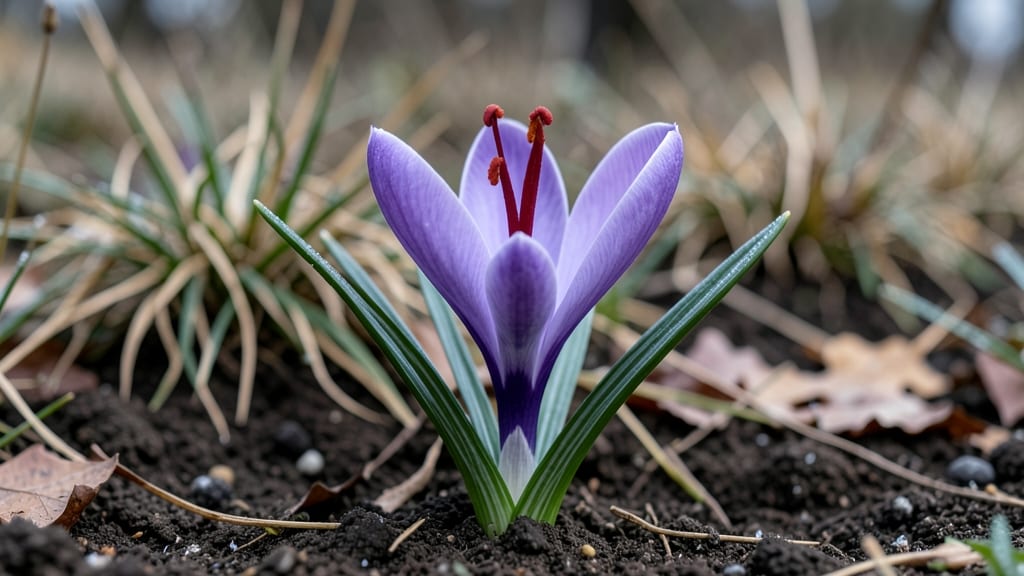
Growing saffron crocus flowers from tiny bulbs unlocks a golden harvest that’s worth every bit of patience. 🌱 The secret lies in their delicate purple blooms—each hiding three precious stigmas that become the world’s most expensive spice.
My first attempt taught me the hard way: these bulbs need cool seasons to thrive, and rushing them leads to floppy stems or no flowers at all.
The key to success starts with the right timing and soil. Plant corms in late summer or early fall when temperatures drop below 75°F, and choose well-draining, sandy soil with a touch of compost.
They crave sunlight but hate summer heat—think of them as autumn’s fleeting stars. Water lightly after planting, then let nature take over until spring.
By late fall or early winter, you’ll spot those iconic purple blooms—each one a treasure chest. Harvest the stigmas on dry mornings, trim them carefully, and dry them in the shade.
A single plant yields just a pinch of saffron, but the flavor? Unmatched. The bulbs will multiply over years, rewarding your wait with more golden threads each season.
Troubleshooting is simple: no blooms? Your bulbs might need cooler soil or more sunlight. Pests are rare, but slugs can be a nuisance—just set out beer traps if needed. With the right conditions, saffron crocus will naturalize, popping up year after year like clockwork.
The patience pays off in spice, beauty, and the quiet joy of growing something truly rare.
📚 In This Guide
- What you need
- Instructions
- Tips and common mistakes
- Wrapping up and next steps
What you need
- ● Saffron crocus bulbs (corms): 10–20 bulbs (choose certified organic or heirloom varieties for best results).
- ● Well-draining potting mix: 3–5 gallons (mix equal parts garden soil, perlite, and compost for optimal aeration).
- ● Containers or garden bed: For containers: 6–8" deep pots with drainage holes (1–2 bulbs per 6" pot).
- ● For garden beds: Full sun exposure (6+ hours daily) and loose, rocky soil (saffron hates soggy roots!).
- ● Watering can or hose with gentle spray: Avoid overwatering—bulbs need moisture but hate standing water.
- ○ Garden gloves (optional but recommended): Saffron stigmas are delicate—protect your hands while harvesting!
- ● Slow-release fertilizer: 1 tbsp balanced 10-10-10 per pot (applied at planting).
- ● Mulch (gravel or straw): Helps regulate soil temperature and deter pests.
- ● Grow lights (for indoor setups): 12–14 hours of light daily if natural sunlight is limited.
- ● Harvesting tools: Small scissors or tweezers (for plucking stigmas without damaging flowers).
- ● Food-grade storage jars: Airtight containers with silica packets to preserve saffron threads post-harvest.
Step-by-Step instructions for cultivating saffron crocus flowers
Here’s how to coax these prized blooms from tiny bulbs—it’s easier than you’d think.
🌱 Step 1: Select and Prepare the Planting Site
Choose a location with full sun exposure (6+ hours daily) and well-draining soil. Saffron crocus bulbs rot quickly in soggy ground, so avoid low spots where water pools. If your soil is heavy clay, mix in 2-3 inches of coarse sand or perlite to improve drainage.
Loosen the top 6 inches of soil with a garden fork or trowel to create a crumbly texture. You’ll know it’s ready when it breaks apart easily between your fingers. This helps the delicate bulbs establish roots without resistance. I like to work in a small patch of about 1 square foot for 4 bulbs—it keeps them contained and makes harvesting easier later.
🪴 Step 2: Plant Bulbs at the Right Depth and Spacing
Plant saffron crocus bulbs in fall (8-10 weeks before your first frost) for spring blooms. Dig holes 3 inches deep—about 3 times the bulb’s height—and space them 3 inches apart. Crowding them too close leads to weak stems and fewer flowers.
Place each bulb with the pointed end facing up. If you’re unsure which end is up, don’t worry—crocus bulbs grow upright naturally. Gently cover with soil and pat it down lightly. Avoid pressing too hard, or you’ll compact the soil and slow root growth. Water the area until the soil feels evenly moist but not waterlogged.
☀️ Step 3: Provide Care Through Dormancy and Spring Growth
After planting, water lightly once a week if rainfall is minimal, but resist the urge to overwater. The bulbs need a period of dormancy to develop strong roots. In winter, let snow cover protect them naturally—it insulates the soil and prevents temperature swings.
When green shoots appear in early spring, reduce watering to every 2-3 weeks. Overwatering now causes the bulbs to rot before they bloom. Watch for the first purple or white flowers to emerge—this signals it’s time to check for saffron threads.
✂️ Step 4: Harvest Saffron Threads at Peak Freshness
Harvest saffron crocus flowers on a dry, cool morning after the petals have fully unfurled but before they wilt. Gently twist each flower to remove the three vibrant red stigmas (the saffron threads). Place them on a clean, dry surface to air-dry for 2-3 days in a warm, dark spot.
Once the threads are brittle and crumble easily, store them in an airtight container away from light. A single flower yields just a pinch of saffron, so patience is key. Avoid harvesting more than 20-30% of the flowers from a plant in the first year to ensure it reblooms next season.
Tips & tricks for perfect saffron crocus flower cultivation
Real talk: Growing saffron from bulbs feels like magic, but these little details make all the difference between a thriving patch and a sad garden failure.
Soil Science: That 6-inch soil depth prep in Step 1 isn't just about loosening dirt—it's about creating a sponge-like environment. Press a handful of soil in your palm: if it holds its shape, add more sand or perlite. The goal is soil that crumbles like cake crumbs, not clay bricks. I've seen bulbs rot in heavy soil because they can't breathe, so don't skip this step even if your soil looks fine.
Planting Precision: The 3-inch depth and spacing in Step 2 might seem arbitrary, but it's the Goldilocks zone for saffron. Too shallow and stems flop; too deep and flowers struggle to reach sunlight. Here's my visual trick: the hole should be about the length of your index finger from knuckle to tip. For spacing, imagine a golf ball's diameter—that's your 3-inch guide. Crowding stresses the plants and reduces flower count.
Water Wisdom: Those weekly waterings in Step 3 need seasonal adjustments. In fall/winter, let nature handle it—water only if soil feels bone-dry. Spring is trickier: check soil moisture by sticking your finger 2 inches down. If it's damp, wait. Overwatering at this stage is the #1 reason bulbs rot before blooming. I've lost entire patches because I got impatient and watered too soon after shoots appeared.
Harvesting Hack: The 2-3 day drying time in Step 4 is non-negotiable, but here's the secret: use a mesh screen or paper towel to elevate your threads. This prevents moisture buildup from condensation. Store your dried saffron in a glass jar with a silicone lid—plastic absorbs odors and ruins flavor. And remember: those tiny threads are potent! A single flower's saffron equals about 1/8 teaspoon.
Pro Tips for Saffron Crocus Flower
- Real talk: Growing saffron from bulbs feels like magic, but these little details make all the difference between a thriving patch and a sad garden failure.
- Soil Science: That 6-inch soil depth prep in Step 1 isn't just about loosening dirt—it's about creating a sponge-like environment.
- Planting Precision: The 3-inch depth and spacing in Step 2 might seem arbitrary, but it's the Goldilocks zone for saffron.
Frequently asked questions
Got questions about growing saffron crocus flowers? You’re not alone! Here are answers to the most common queries—from planting to harvest—so you can cultivate these golden gems like a pro.
When is the best time to plant saffron crocus bulbs?
Plant saffron crocus bulbs in early fall (September–October), about 6–8 weeks before the first frost. This gives the bulbs time to establish roots before winter dormancy. Avoid planting in spring—they need cold exposure to bloom!
How long does it take for saffron crocus to bloom?
With proper care, saffron crocus bulbs typically bloom 6–8 weeks after planting in fall. Each flower produces just 3–4 stigmas (the prized saffron threads), so patience is key! Expect a short but vibrant bloom window—usually 2–3 weeks.
Can I grow saffron crocus in containers, or do they need garden beds?
Yes! Saffron crocus thrives in containers (6+ inches deep) with well-draining soil. Use pots with drainage holes and place them in full sun. Just ensure the container stays cool in summer to mimic their natural Mediterranean climate.
Why aren’t my saffron crocus flowers opening?
Several factors can prevent blooms: too much shade, overwatering, or improper dormancy. Ensure bulbs get full sun (6+ hours/day), water moderately, and let the soil dry slightly between waterings. If planted too late, they may skip blooming until next fall.
Are there alternatives to saffron crocus for golden fall color?
If saffron crocus seems tricky, try these easy alternatives for autumn gold:
- Mexican sunflower (Tithonia) – Bold orange blooms, drought-tolerant.
- Goldenrod (Solidago) – Pollinator-friendly and hardy.
- Calendula – Edible, cheerful, and low-maintenance.
Wrapping up and next steps
Growing saffron crocus flowers is a rewarding journey that transforms humble bulbs into a treasure trove of golden threads—each packed with flavor, color, and even medicinal benefits! 🌟 With the right soil, sunlight, and patience, you can cultivate these delicate blooms right in your garden or containers.
Whether you're harvesting saffron for culinary magic or simply admiring their beauty, every step brings you closer to a golden harvest.
Ready to dive deeper? Start by planting your first batch of bulbs this fall—your kitchen (and taste buds!) will thank you later. Happy growing! 🌱