
Tools
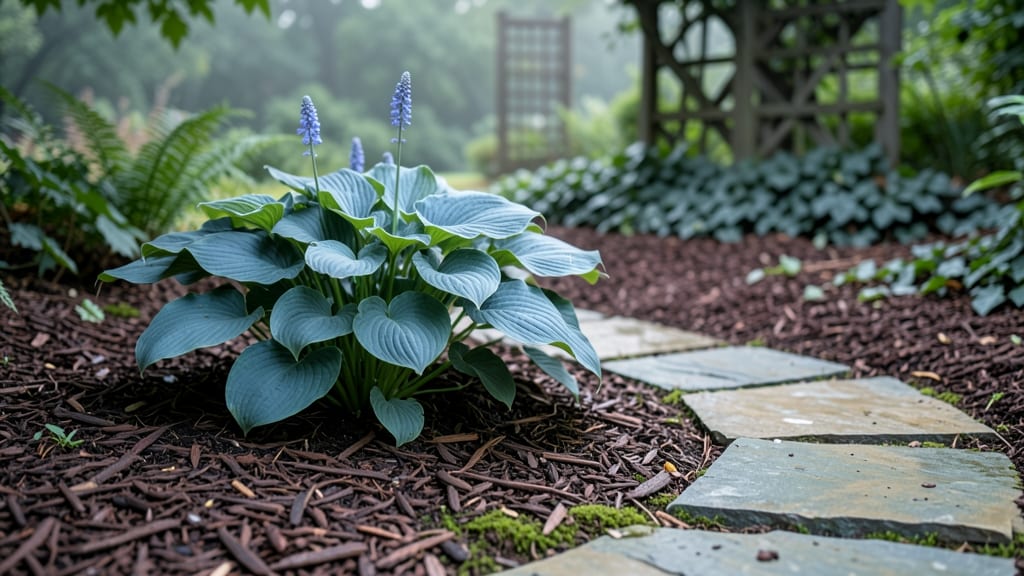
A shaded flower garden transforms what many see as a gardening limitation into a lush, jewel-toned retreat—where ferns unfurl like delicate lace and impatiens burst with color where sunlight barely reaches.
I’ve designed three of these gardens now, and each time, the trick isn’t fighting the shade but working with it: choosing plants that thrive in dappled light, layering textures for depth, and letting the canopy create its own microclimate. The result?
A garden that feels alive year-round, even when other beds are dormant.
The secret starts with the right players: hostas with chartreuse edges, bleeding hearts that spill like pink waterfalls, and heucheras that glow like copper coins.
Add in evergreen shrubs like inkberry holly for structure and foamflower for early spring blooms, and you’ve got a foundation that never goes out of style. Mulch keeps roots cool and conserves moisture, while a few water-loving plants—like astilbes or Japanese painted ferns—add movement where sunlight is scarce.
It’s not about forcing growth; it’s about letting nature’s quiet beauty shine.
By the time you’re done, your garden will feel like a secret sanctuary—soft to touch, fragrant with the occasional whiff of jasmine or sweet woodruff, and always changing.
The key is balancing bold colors with subtle shades: deep burgundy heucheras next to silver lamium, or white astilbes against dark green foliage. And when winter rolls in? Evergreens and winter aconites keep the show going, proving that shade gardens aren’t just survivors—they’re stars.
This approach works for woodland edges, north-facing patios, or even under large trees, so don’t let limited light stop you. The principles stay the same: layer, repeat, and let the plants do the talking. Ready to turn your shady spot into the garden’s crown jewel?
📚 In This Guide
- What you need
- Instructions
- Tips and common mistakes
- Wrapping up and next steps
What you need
- ● Soil amendments: Compost (2–3 bags, high-quality for drainage and nutrients)
- ● Peat moss or coconut coir (1–2 bags, for moisture retention)
- ● Perlite or sand (1 bag, to improve aeration)
- ● Mulch: Shredded bark or wood chips (2–3 cubic feet, 3–4 inches deep)
- ○ Optional: Pine needles or leaf mold (for acid-loving plants)
- ● Plants (shade-tolerant varieties): Hostas (5–10 plants, varied sizes for texture)
- ● Ferns (3–5 plants, e.g., maidenhair or ostrich)
- ● Impatiens or begonias (10–15 plants, for vibrant color)
- ● Hydrangeas (2–3 plants, for bold blooms)
- ● Heucheras (3–5 plants, for foliage contrast)
- ○ Optional: Caladiums or astilbes (seasonal interest)
- ● Digging & planting: Garden trowel (for precision planting)
- ● Hand pruners (sharp, bypass-style)
- ● Garden fork (for aerating soil)
- ● Wheelbarrow or bucket (for hauling materials)
- ● Measuring & layout: Measuring tape (50-foot)
- ● Stakes and twine (for marking plant placement)
- ○ Spray paint (optional, for temporary layout guides)
- ● Watering: Hose with adjustable nozzle (gentle setting for new plants)
- ● Watering can (for delicate seedlings)
- ○ Drip irrigation kit (optional, for consistent moisture)
- ● A shaded area receiving (test with a sunlight tracker if unsure).
- ● Access to water (garden hose or irrigation system).
- ● Time commitment: 1–2 hours for prep, 15–30 mins weekly for maintenance.
- ○ Optional but helpful: Garden gloves (for comfort)
- ● Knee pads (for comfort during planting)
- ● Soil pH test kit (to adjust acidity if needed)
Step-by-Step guide to designing a thriving shaded flower garden
Here's how to create a vibrant, low-maintenance garden that blooms beautifully under trees.
Analyze Your Shade Conditions
First, observe your garden's shade patterns throughout the day. Note where dappled light filters through tree canopies and where dense shade persists. Most shade gardens fall into three categories: full shade (less than 3 hours of direct sun), partial shade (3-6 hours of sun), or dappled shade (filtered light through leaves). I recommend testing your spots for a week to track light changes—this ensures you select plants that will truly thrive.
Take note of moisture levels too. Shady spots often stay damp longer, so you'll want plants that tolerate—even prefer—moisture-retentive soil. If your area stays soggy, consider adding organic matter to improve drainage. A simple soil test kit helps determine pH and nutrient levels, which affects plant selection. For example, azaleas and rhododendrons prefer acidic soil, while hostas and ferns adapt to neutral conditions.
Choose the Right Plants for Year-Round Interest
Select a mix of plants that provide color and texture in every season. For spring, include early bloomers like bleeding heart (Dicentra spectabilis) or heuchera (coral bells) with their vibrant foliage. Summer thrives with impatiens, astilbe, or ferns that add lush greenery and delicate blooms. Fall brings Japanese anemones and toad lilies, while winter offers structure with evergreen hellebores and witch hazel. I like to group plants by their light needs and height to create natural layers.
Don't overlook ground covers like ajuga or creeping phlox to fill gaps and suppress weeds. These plants also help retain soil moisture, which is crucial in shaded areas. When selecting, prioritize plants with varied leaf shapes and colors—mixing deep purples, silvers, and greens adds depth and visual interest. Always check the mature size of each plant to avoid overcrowding as they grow.
Prepare the Soil for Optimal Growth
Shady soil often lacks nutrients and organic matter, so amending it is key. Work in 3-4 inches of compost or well-aged manure into the top 6-8 inches of soil to improve fertility and drainage. If your soil is heavy clay, mix in pearlite or coarse sand to loosen it. For sandy soil, add peat moss or coconut coir to retain moisture. I like to spread a 2-inch layer of mulch—such as shredded bark or wood chips—after planting to conserve moisture and regulate soil temperature.
Test your soil's moisture retention by digging a small hole and filling it with water. If it drains too quickly, add more organic matter. If it stays waterlogged, incorporate sand or perlite. Aim for soil that feels like a damp sponge—neither too dry nor soggy. This preparation ensures roots can access both air and water efficiently, which is especially important for shade-loving plants that rely on consistent moisture.
Plan Your Layout for Visual Impact
Start by placing taller plants at the back or center of your garden bed, then add medium-height plants in the middle, and fill the front with low-growing or spreading varieties. This creates a sense of depth and prevents smaller plants from being overshadowed. I like to use hostas or ferns in the front, astilbe or hydrangeas in the middle, and Japanese maples or tree ferns at the back. Group plants with similar water needs together to simplify maintenance.
Incorporate pathways or stepping stones to navigate your garden easily without compacting the soil. Consider adding small boulders or decorative rocks to break up large areas of mulch and add texture. If your garden has a focal point—like a tree or bench—build your design around it. For example, plant heuchera or ajuga in front of a tree trunk to draw attention upward while adding color. This thoughtful arrangement ensures your garden feels intentional and well-balanced.
Maintain Your Shaded Garden for Long-Term Success
Water deeply once or twice a week, depending on rainfall, to encourage deep root growth. Shady gardens often dry out less quickly, but it's still important to check the top 2 inches of soil—if it feels dry, it's time to water. Avoid overhead watering, which can promote fungal diseases. Instead, use a soaker hose or drip irrigation to deliver moisture directly to the root zone. Early morning watering is ideal to reduce evaporation and give plants time to dry slightly before nightfall.
Fertilize lightly in spring with a balanced, slow-release fertilizer (10-10-10 or similar) to support new growth. Avoid heavy feeding in fall or winter, as plants enter dormancy. Prune spent blooms regularly to encourage more flowers and maintain a tidy appearance. In late winter or early spring, remove any dead or damaged foliage to make room for fresh growth. This ongoing care keeps your garden looking vibrant and healthy year after year.
Tips & tricks for perfect shaded flower garden design
A few strategic moves can transform your shaded garden from ordinary to extraordinary. These insights will help you maximize beauty while minimizing common pitfalls.
Light Mapping Strategy: In Step 1, when analyzing shade patterns, use a simple flashlight test after dark. Shine the light on potential planting spots from different angles—this mimics how sunlight filters through tree canopies at various times. Areas that receive even light during this test likely get 3-6 hours of sun, perfect for partial shade plants like astilbe. Dark spots with no light penetration indicate full shade, where you'll want hellebores or ferns.
Seasonal Layering Technique: The key to year-round interest (Step 2) is creating vertical layers that change with each season. Start with evergreen shrubs like Japanese maples at the back for winter structure, then add Japanese anemones (fall bloomers) in the middle layer, and finish with bleeding heart (spring) and impatiens (summer) in front. This arrangement ensures your garden always has visual interest, even when some plants are dormant.
Soil Preparation Hack: For the soil amendments in Step 3, consider using a compost tea brewed from your 3-4 inches of compost before mixing it into the soil. This gives your plants an immediate nutrient boost while improving soil structure. The tea also introduces beneficial microbes that help roots absorb moisture more efficiently—critical for shade plants that rely on consistent dampness.
Maintenance Shortcut: In Step 5, when planning your watering schedule, install a rain gauge near your garden. This eliminates guesswork about rainfall—simply check it before watering. For the 2-inch soil check, use a screwdriver or soil probe instead of your finger. The metal gives more precise moisture readings, especially in dense shade where soil can feel deceptively damp on the surface while remaining dry deeper down.
Pro Tips for Shaded Flower Garden
- A few strategic moves can transform your shaded garden from ordinary to extraordinary.
- Light Mapping Strategy: In Step 1, when analyzing shade patterns, use a simple flashlight test after dark.
- Seasonal Layering Technique: The key to year-round interest (Step 2) is creating vertical layers that change with each season.
Frequently asked questions
Got questions about creating a thriving shaded flower garden? You’re not alone!
Here are answers to the most common concerns—from sunlight struggles to seasonal swaps—so you can design with confidence.
What are the best flowers for deep shade (less than 3 hours of sunlight)?
Opt for hostas, heucheras, bleeding hearts, astilbes, and impatiens—they thrive where others wilt. For year-round color, pair perennials with shade-tolerant annuals like fuchsias or begonias. Pro tip: Test your shade levels with a light meter app to pick the perfect plants!
When is the best time to plant a shaded garden?
Spring (after the last frost) or early fall are ideal—soil is warm enough for roots to establish, but temperatures are mild. Avoid summer heatwaves, which can stress young plants. Bulbs (like lycoris) can even go in late summer/early fall for spring blooms!
How do I improve poor, shady soil for flowers?
Amend with organic matter like compost or well-rotted manure to boost drainage and nutrients. Mix in peat moss or pine bark fines for acid-loving plants (e.g., azaleas). A slow-release fertilizer (like 10-10-10) in spring kickstarts growth. Troubleshoot: Yellow leaves? Overwatering or compacted soil may be the culprit!
Can I use containers for a shaded flower garden?
Containers work great for patio shade gardens—just ensure they have drainage holes and use a lightweight, moisture-retentive mix (like 60% potting soil + 30% perlite + 10% compost). Choose compact varieties (e.g., dwarf hostas) and rotate pots for even sunlight exposure.
What’s the secret to keeping my shaded garden colorful all year?
Layer seasonal bloomers: Plant heaths (winter), bleeding hearts (spring), impatiens (summer), and chrysanthemums (fall). Add evergreen foliage (like sweet woodruff) for texture. Bonus: Mulch with wood chips to retain moisture and suppress weeds!
Why are my shade-loving plants wilting or turning yellow?
Common causes:
- Overwatering: Shady spots stay damp longer—check soil moisture before watering.
- Underwatering: Mulch helps retain moisture; water deeply 1–2x/week.
- Nutrient deficiency: Feed with a balanced fertilizer in spring and fall.
- Fungal issues: Improve airflow by spacing plants and avoiding overhead watering.
Still struggling? Test your soil’s pH—some shade plants (like hydrangeas) prefer acidic conditions!
Wrapping up and next steps
A shaded flower garden isn’t just a dream—it’s a vibrant, low-maintenance oasis that thrives with the right plants and design tricks! 🌿 By embracing shade-tolerant blooms, smart layering, and seasonal planning, you’ve unlocked a space that bursts with color year-round.
Whether you’re a beginner or a seasoned gardener, your garden is now a serene retreat and a stunning showpiece.
Ready to bloom with confidence? Start small—pick one corner or bed to refine, or sketch a full layout with your newfound inspiration. Grab your tools and let your green thumb shine! 🌸