
Container Gardens
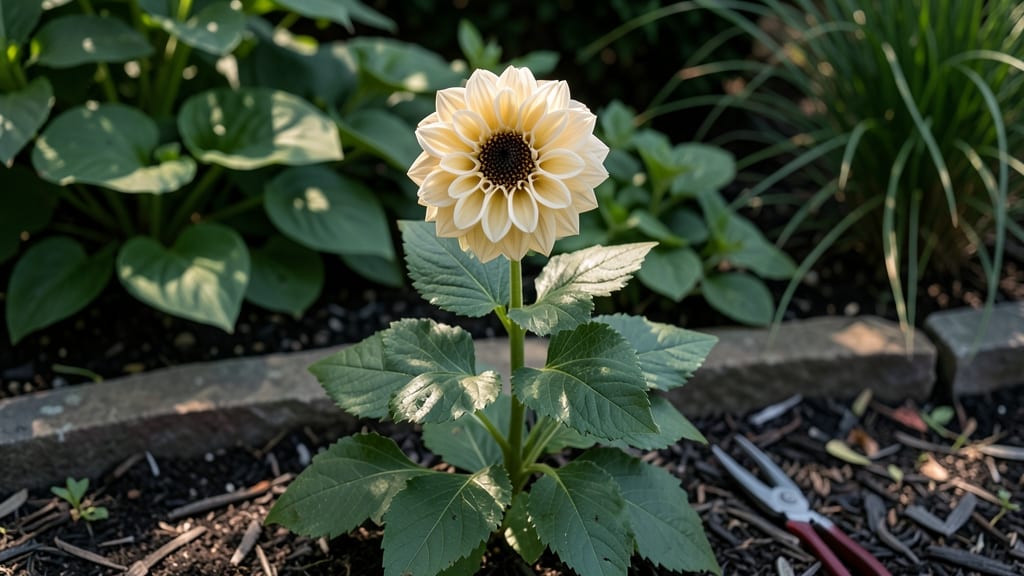
Single-flowered dahlias transform your garden into a bold, painterly masterpiece with their striking, unfussy blooms. 🌻 Unlike their double-flowered cousins, these varieties let you see every petal's unique shape and texture—like nature's own watercolors.
I fell in love with them after my first season because they're easier to grow than most people think, yet still deliver jaw-dropping results.
The secret to their success starts with well-draining soil rich in compost—think 60% garden soil, 30% compost, and 10% perlite—and planting tubers 4-6 inches deep after the last frost. They crave full sun (6+ hours daily) and consistent moisture, but never soggy roots.
The real magic happens when you deadhead spent blooms religiously—this triggers nonstop reblooming from summer through frost.
What you end up with is a garden that looks like it belongs in a vintage botanical illustration: deep burgundy 'Bishop' dahlias standing tall, sunburst yellow 'Café au Lait' spilling over trellises, or velvety black 'Arabian Night' creating drama in dark corners.
The blooms stay fresh-cut long after harvesting, and deer leave them alone—unlike many other perennials.
Perfect for container gardens, cutting arrangements, or mixed borders, these dahlias adapt beautifully to different spaces.
Whether you're a first-time grower or a seasoned pro, the key is patience—they take 6-8 weeks to reach their full glory, but every day of growth is worth it for that first burst of color in early summer.
📚 In This Guide
- What you need
- Instructions
- Tips and common mistakes
- Wrapping up and next steps
What you need
- ● Single flowered dahlia tubers: 3–5 per container (choose varieties like 'Bishop' or 'Café au Lait' for bold blooms).
- ● High-quality potting mix: 10–15 gallons per container (ensure it’s well-draining and rich in organic matter).
- ● Container: At least 12–18 inches deep and wide (fabric pots or ceramic planters work well).
- ● Slow-release fertilizer: 1–2 cups per container (look for a balanced 10-10-10 or dahlia-specific blend).
- ● Compost or worm castings: 1–2 cups per container (boosts soil fertility naturally).
- ● Mulch: 1–2 inches of straw or shredded bark (retains moisture and regulates temperature).
- ● Garden trowel or small shovel: For planting tubers and transplanting.
- ● Pruning shears: Sharp, clean pair for deadheading and shaping plants.
- ● Watering can or hose with gentle nozzle: Dahlias need consistent moisture without soggy soil.
- ○ Gloves (optional): Protects hands from thorns and soil.
- ○ Stakes or tomato cages (optional): Supports taller varieties (6+ feet) in windy areas.
- ○ Liquid fertilizer (optional): Diluted fish emulsion or bloom booster for mid-season feeding.
- ● Soak tubers overnight before planting to encourage faster sprouting. 🌱
- ● Use container-specific saucers to catch excess water and prevent root rot. 💧
- ● For extended blooms, add a handful of Epsom salt (1 tbsp per gallon of water) every 4–6 weeks. ✨
Step-by-step guide to cultivating stunning single-flowered dahlias
Here's how to coax those dramatic, one-of-a-kind blooms from your dahlias—with minimal fuss.
🌱 Step 1: Select and Prepare Your Tubers for Planting
Start with single-flowered dahlia tubers—look for firm, plump growth points (eyes) that resemble small knobs. These are your future blooms' foundation. Soak the tubers in lukewarm water for 6-12 hours to rehydrate dormant tissue. This jumpstarts root development and prevents transplant shock later.
After soaking, inspect each tuber for soft or mushy spots—discard those immediately. Healthy tubers will feel dense and slightly rubbery. Use a sharp knife to cut larger tubers into sections, ensuring each piece has at least one eye. Let the cut surfaces dry for 30 minutes before planting to prevent rot. Here's the thing—single-flowered varieties often produce thicker stems, so give them extra space now.
☀️ Step 2: Plant in Well-Draining Soil with Full Sun Exposure
Choose a location with 6-8 hours of direct sunlight—dahlias crave warmth, and single-flowered types need it most to develop their bold, dramatic blooms. Amend your soil with compost (work in 2-3 inches) to improve drainage and fertility. Dahlias hate soggy roots, so if your soil feels heavy, mix in sand or perlite to create air pockets.
Plant tubers 2-3 inches deep, eyes facing upward, about 18-24 inches apart. The reason for the depth? It protects tender stems from temperature swings and keeps the soil consistently warm. Water deeply after planting to settle the soil and eliminate air pockets around the roots. You'll know you've done it right when the soil surface looks slightly firm but not compacted.
💧 Step 3: Water Deeply and Fertilize for Strong Stem Development
Keep the soil evenly moist but never waterlogged—dahlias need 1-1.5 inches of water per week, delivered at the base to avoid wetting the foliage (which invites fungal diseases). Single-flowered varieties often produce taller stems, so stake them early with 6-foot bamboo stakes or a sturdy cage. Tie stems loosely with soft plant ties—too-tight bonds can strangle growth as stems thicken.
Feed plants with a balanced 10-10-10 fertilizer every 2-3 weeks once stems reach 12 inches tall. Switch to a low-phosphorus, high-potassium (5-10-10) formula when buds form to encourage robust blooms. Here's where it gets fun—watch for new leaves emerging from the base (called "pups"). These are your plant's insurance policy for extra blooms later in the season.
✂️ Step 4: Deadhead Strategically for Nonstop Blooms
The secret to single-flowered dahlias' dramatic display? Aggressive deadheading. As soon as a bloom fades, snip the stem just above a set of healthy leaves (usually 2-3 inches below the dead flower). This redirects the plant's energy into producing new side shoots rather than setting seed. I can't stress this enough—skipping deadheading means fewer blooms and weaker stems.
Use clean, sharp pruners to avoid crushing stems. For extra-large blooms, pinch back side shoots when they're 6-8 inches tall—this forces the plant to put energy into one stunning flower instead of multiple smaller ones. Real talk: Single-flowered dahlias reward precision. If you see a stem growing toward the shade, rotate the pot or plant to keep it upright and maximize sunlight exposure.
Tips & tricks for perfect single flowered dahlias
Here's what nobody tells you—those jaw-dropping single-flowered dahlias demand a few key moves to thrive.
Soaking Secret: The 6-12 hour soak isn't just about hydration—it's about waking up those dormant eyes. Use lukewarm water (around 70°F) to mimic spring temperatures. I've found adding a pinch of compost tea to the soaking water gives tubers a subtle nutrient boost without overpowering them. After soaking, pat tubers completely dry before cutting—this prevents rot that can set in during the crucial 30-minute drying period.
Planting Precision: Those 2-3 inches of planting depth might seem shallow, but it's perfect for single-flowered varieties. The extra space accounts for their thicker stems and prevents crown rot from sitting too deep. Here's my trick: Use a pencil to mark planting depth in your hole—this ensures consistency across multiple tubers. For containers, plant tubers slightly shallower (1.5-2 inches) since drainage is more critical in pots.
Watering Wisdom: The 1-1.5 inches per week guideline assumes average rainfall—adjust for your climate. In hotter regions, water in the morning to prevent evaporation, while cooler climates may need less frequent but deeper watering. I've noticed single-flowered dahlias show stress first through their leaves—wilting or yellowing means it's time to water. Always water at the base to keep foliage dry and prevent powdery mildew, which single-flowered varieties are particularly prone to.
Deadheading Discipline: That 2-3 inch cut below the faded bloom might seem arbitrary, but it's a sweet spot. Cutting too close to the leaves stresses the plant, while cutting too high wastes energy. Use clean pruners and make cuts at a 45-degree angle to increase surface area for faster healing. For extra-large blooms, I pinch side shoots when they're exactly 6-8 inches tall—this creates a dramatic focal point rather than bushy growth.
Pro Tips for Single Flowered Dahlias
- Here's what nobody tells you—those jaw-dropping single-flowered dahlias demand a few key moves to thrive.
- Soaking Secret: The 6-12 hour soak isn't just about hydration—it's about waking up those dormant eyes.
- Planting Precision: Those 2-3 inches of planting depth might seem shallow, but it's perfect for single-flowered varieties.
Frequently asked questions
Got questions about growing single flowered dahlias? You’re not alone! Here are some of the most common queries—plus quick answers to keep your garden thriving.
When is the best time to plant single flowered dahlias?
For most climates, plant after the last frost when soil temperatures reach 60°F (15°C). In warmer zones (like USDA 8+), you can start as early as February. Tubers are frost-sensitive, so wait until nighttime temps stay above 50°F (10°C) to avoid rot.
How often should I deadhead single flowered dahlias?
Deadhead spent blooms every 2–3 days to encourage more flowers. For single varieties, simply snip the stem 1–2 inches below the bloom (avoid cutting into the next bud). Pro tip: Use clean shears to prevent disease. Over-deadheading can stress plants, so balance it with watering!
What pests or diseases should I watch for in single flowered dahlias?
Common pests include aphids, slugs, and earwigs (they love tender leaves!). Diseases like powdery mildew or bacterial soft rot thrive in damp conditions. Prevent: Space plants 18–24 inches apart for airflow, and water at the base (not overhead). Neem oil helps deter pests naturally.
Can single flowered dahlias grow in containers?
Choose a 5-gallon+ pot with drainage holes and use a well-draining mix (like 60% potting soil + 30% perlite + 10% compost). Dwarf varieties (e.g., ‘Café au Lait’) thrive in containers. Key: Stake or cage plants early—they get top-heavy!
Why aren’t my single flowered dahlias blooming?
Lack of blooms often stems from too much nitrogen (focus on phosphorus-rich fertilizer instead) or overcrowding. Ensure they get 6+ hours of sun daily and deadhead regularly. Check roots: If tubers are rotting (from overwatering), replant in fresh, dry soil.
Bonus Tip:
For longer vase life, harvest blooms in the morning and trim stems at an angle. Store tubers in a cool, dark place (like a paper bag with peat moss) over winter!
Wrapping up and next steps
Single flowered dahlias are a gardener’s dream—bold, dramatic blooms that reward patience and care with stunning, long-lasting color. By mastering strategic deadheading and providing the right conditions, you’ll enjoy a season of show-stopping flowers that turn heads in containers or beds. 🌸
Ready to transform your garden? Start by snipping those spent blooms and giving your dahlias the love they deserve—your future self (and your neighbors!) will thank you. Grab your pruners and get growing!