
Blooming
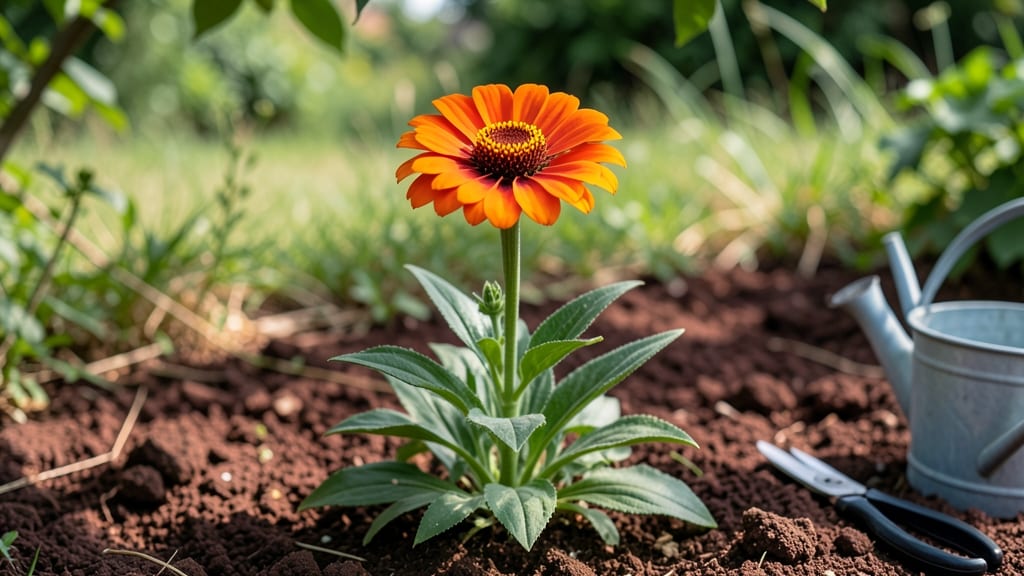
Single-flowered zinnias are the bold statement pieces of summer gardens—bright, cheerful, and impossible to ignore. 🌻 I fell in love with them after my first season when they refused to quit blooming, even as late summer heat turned other flowers into crispy shadows.
These zinnias aren't just pretty; they're workhorses that reward deadheading with wave after wave of fresh petals.
They thrive in full sun and well-draining soil, but don't stress about perfect conditions—they're tough enough to handle average garden soil as long as you keep them watered. Spacing plants 6-12 inches apart gives them room to breathe, and deadheading spent blooms every few days triggers nonstop regrowth.
The secret to their vibrant color? Consistent moisture without soggy roots—think of it as giving them a daily drink rather than a weekly bath.
What you'll get is a garden that stays colorful from early summer until frost, with blooms perfect for cutting. Their single flowers make them ideal for loose, natural arrangements, and they attract pollinators like crazy.
Plus, they're disease-resistant enough that most years, you won't need to reach for chemicals. The only real challenge? Resisting the urge to plant too many—because once you grow these, you'll want them everywhere.
Whether you're filling gaps in your flower beds, creating a pollinator-friendly border, or just wanting to keep your vase full of fresh-cut flowers, single-flowered zinnias deliver. They're the kind of plant that makes gardening feel effortless—even when you're not quite as perfect at it as they are.
📚 In This Guide
- What you need
- Instructions
- Tips and common mistakes
- Wrapping up and next steps
What you need
- ● Single flowered zinnia seeds – Choose heirloom or hybrid varieties like ‘Benary’s Giant,’ ‘Crystal,’ or ‘Profusion’ (pack of 100+ seeds recommended).
- ● Well-draining potting mix – 10-15 lbs for containers or garden beds (look for a blend with perlite or compost).
- ● Seed-starting trays or biodegradable pots – 72-cell trays or 2-3” pots (10+ units for direct sowing).
- ● Seed-starting soil or coco coir – Lightweight and sterile (5-10 lbs).
- ○ Garden soil (optional for transplanting) – Amend with compost (2-3 lbs per planting area).
- ● Plant labels or markers – To track varieties (10+ labels).
- ● Watering can or spray bottle – Gentle watering prevents seed displacement.
- ○ Gloves (optional) – Protects hands from prickly stems.
- ● Pruners or scissors – For deadheading (small bypass pruners work best).
- ○ Fertilizer (balanced 10-10-10 or organic) – 1-2 lbs per 10 sq ft (optional but boosts blooms).
- ● A sunny spot with 6+ hours of direct sunlight daily (zinnias thrive in full sun!).
- ● Warm soil temps (60°F+ for germination; wait until after frost).
- ● Consistent moisture – Zinnias hate soggy roots but need steady hydration.
Step-by-step guide to growing stunning single-flowered zinnias
Here’s how to cultivate zinnias that burst with color from early summer through frost—no fancy tricks required.
🌱 Step 1: Choose the Perfect Planting Spot
Zinnias thrive in full sun—at least 6-8 hours daily—so pick the sunniest spot in your garden. I always check the shade patterns throughout the day to avoid surprises later. If your yard has afternoon shade, opt for a location where the plants get morning sun instead.
Well-draining soil is a must—zinnias hate soggy roots. If your soil feels heavy or compacted, mix in 2-3 inches of compost before planting. The goal is loose, airy soil that lets water drain freely. You’ll know you’ve got it right when a handful of soil crumbles easily between your fingers.
🌱 Step 2: Start Seeds Indoors or Direct-Sow After Frost
For a head start, sow seeds indoors 6-8 weeks before your last frost date using the seed-starting mix and biodegradable pots. Press seeds ¼ inch deep—they need light to germinate, so don’t bury them too deeply. Keep the soil consistently moist at 70-75°F until sprouts appear in 7-14 days.
Alternatively, direct-sow seeds outdoors after all danger of frost has passed. Scatter seeds ¼ inch deep, spacing them 12 inches apart for single-stemmed varieties. Thin seedlings to 18 inches apart once they’re 2-3 inches tall—this gives them room to grow bold, uncrowded blooms. Watch for the first true leaves to appear before thinning; they’re your cue to start spacing.
☀️ Step 3: Water Deeply and Deadhead for Nonstop Blooms
Water zinnias deeply once a week, aiming for 1 inch of water per week. Let the top 1-2 inches of soil dry out between waterings—this prevents weak stems and fungal issues. Water at the base in the morning to keep foliage dry, which reduces mildew risk. You’ll know you’re doing it right when the soil feels slightly damp but not soggy.
Deadheading—removing spent blooms—is the secret to long-lasting color. Pinch or snip off faded flowers just above a set of healthy leaves. This encourages new blooms to form and keeps the plant focused on producing more vibrant flowers. I like to do this every 2-3 days during peak bloom time; it’s a quick habit that pays off big.
✂️ Step 4: Prune for Bushier Growth and Cut Flowers
To keep zinnias lush and full, trim back leggy stems by ⅓ when they reach 12 inches tall. This prompts bushier growth and more flowers. Use clean, sharp scissors to make cuts just above a leaf node—this is where new growth will sprout. Avoid cutting into woody stems, as zinnias don’t regrow well from old wood.
For cut flowers, harvest stems in the early morning when blooms are fully open but still firm. Cut at a 45-degree angle just below a leaf node, and strip the lower leaves to fit into a vase. Change the water every 2-3 days to keep bouquets fresh for up to 10 days. The more you cut, the more your zinnias will reward you with fresh blooms!
Tips & tricks for growing stunning single-flowered zinnias
Here's what I learned after growing zinnias for years—and how to avoid the mistakes I made early on.
Sunlight Strategy: Those 6-8 hours of full sun are non-negotiable, but here's the thing: morning sun is your best friend if you're in a shady spot. I've seen zinnias in afternoon shade struggle, but they'll thrive with just 4-5 hours of morning sun plus some afternoon light. The key is consistent light exposure—don't let them get too much shade at any time of day.
Soil Prep Secret: When mixing in 2-3 inches of compost, don't just dump it in! Work it into the top 6-8 inches of soil for better root development. I like to use a garden fork to loosen the soil first, then mix in compost until it's evenly distributed. This creates the perfect airy environment zinnias love.
Indoor Starting Hack: For that 70-75°F soil temperature indoors, I use a seedling heat mat set to 75°F—it's a game-changer. Without it, germination can take 2-3 weeks instead of the 7-14 days we want. Place your biodegradable pots on the mat and keep the soil moist but not soggy. You'll see those first sprouts in no time!
Watering Wisdom: That 1 inch of water per week guideline works, but here's the trick: water deeply but infrequently. Instead of light daily watering, give them a good soaking once a week. This encourages deep root growth and prevents those pesky fungal issues. I use a rain gauge to measure—it's the only way to be sure you're hitting that 1 inch target.
Pro Tips for Single Flowered Zinnias
- Here's what I learned after growing zinnias for years—and how to avoid the mistakes I made early on.
- Sunlight Strategy: Those 6-8 hours of full sun are non-negotiable, but here's the thing: morning sun is your best friend if you're in a shady spot.
- Soil Prep Secret: When mixing in 2-3 inches of compost, don't just dump it in!
Frequently asked questions
Got questions about growing single flowered zinnias? You’re not alone! Here are some of the most common concerns—and their easy solutions.
How long does it take for single flowered zinnias to bloom?
With the right care, these zinnias typically bloom 6-8 weeks after sowing seeds. Start indoors 4-6 weeks before your last frost for a head start, or direct-sow after soil warms to 60°F (15°C). For nonstop blooms, deadhead spent flowers—you’ll see new buds in 1-2 weeks!
Do single flowered zinnias need full sun?
Yes! These zinnias thrive in 6-8 hours of direct sunlight daily. While they tolerate partial shade (especially in hot climates), morning sun + afternoon shade can reduce blooms. If your garden is shady, opt for dwarf varieties like ‘Crystal’ or ‘Thumbelina’—they handle lower light better.
What pests or diseases should I watch for?
Zinnias are generally pest-resistant, but keep an eye out for:
- Aphids: Spray with water or use neem oil.
- Spider mites: Boost humidity or apply insecticidal soap.
- Powdery mildew: Improve airflow and avoid overhead watering.
Can I grow single flowered zinnias in containers?
These zinnias adapt well to pots, especially dwarf or trailing varieties. Use containers at least 12 inches deep with drainage holes, and mix in compost for nutrients. For bigger blooms, fertilize lightly every 2-3 weeks with a balanced formula (10-10-10). Just ensure they get plenty of sunlight—containers dry out faster!
How do I keep zinnias blooming all summer?
Deadheading is key! Snip off spent blooms daily (or every other day in peak heat) to encourage new flowers. Also:
- Water at the base (avoid wetting leaves to prevent mildew).
- Fertilize lightly every 3-4 weeks with a bloom booster.
- Pinch back leggy stems to promote bushiness.
Wrapping up and next steps
Single flowered zinnias are a gardener’s dream—vibrant, low-maintenance, and packed with bold beauty that keeps blooming all summer long! 🌸 Whether you’re a beginner or a seasoned pro, their resilience and striking petals make them a must-have for cutting gardens, containers, or borders.
With the right care, you’ll enjoy nonstop harvests of cheerful blooms that brighten up bouquets and landscapes alike.
Ready to dive in? Start small—plant a few seeds or cuttings this season and watch your garden transform! For even more inspiration, explore companion plants or creative ways to arrange your zinnias in vases. Happy growing! 🌱